
What You're Actually Choosing Between
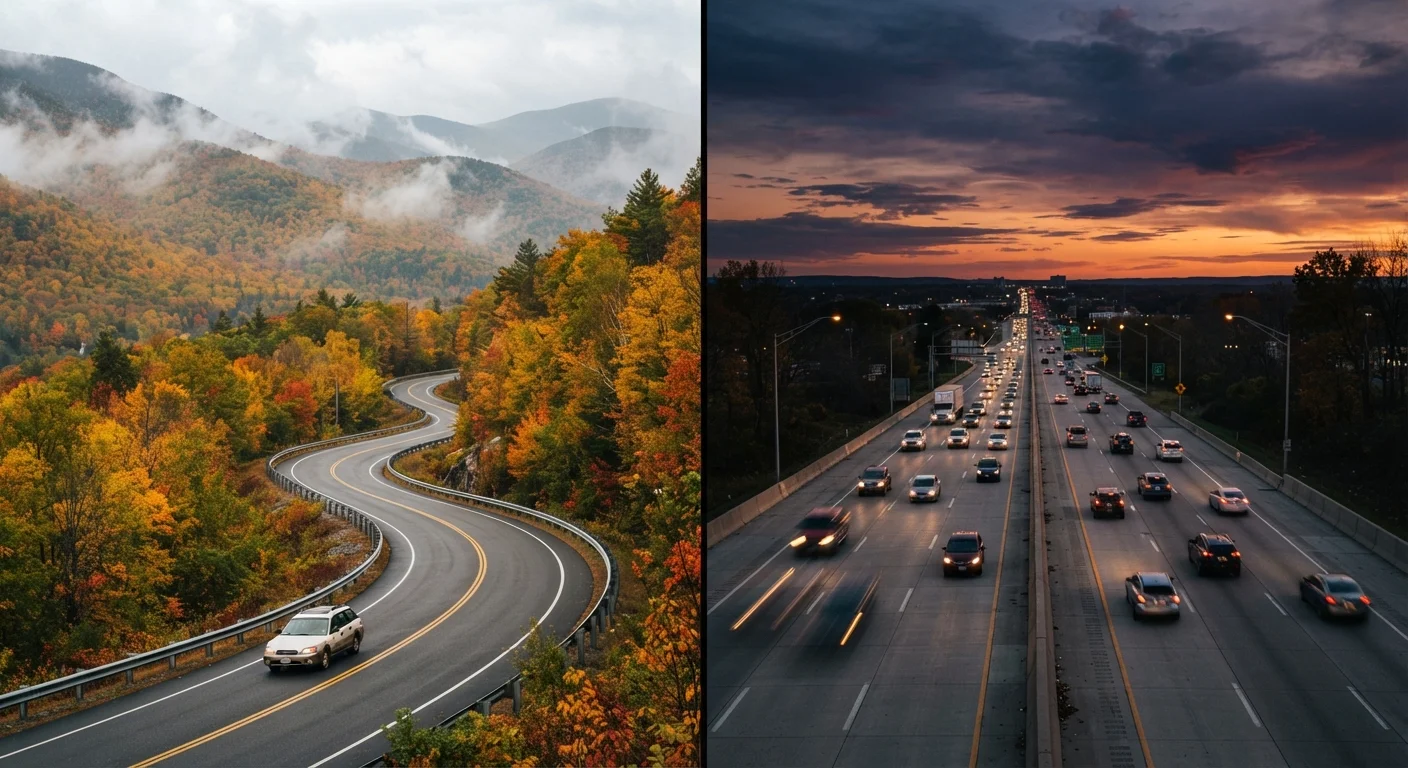
When you open a map and see two paths to the same destination - one ruler-straight in blue, one squiggly and labeled with a leaf icon - you're not just choosing roads. You're choosing what kind of experience you want in the hours between here and there.
Scenic byways are typically two-lane routes designated for their natural, cultural, historic, or recreational qualities. The Federal Highway Administration's National Scenic Byways Program formally recognizes hundreds of such corridors across the country, though many worthy roads carry no official designation at all. What that designation actually means for drivers is worth understanding before you plan around it.
Highway efficiency means the interstate system - those high-speed, controlled-access corridors engineered explicitly to move people and goods reliably across long distances. They're consistent, well-serviced, and genuinely impressive feats of infrastructure, even if they're not exactly poetic.
Neither is inherently better. They solve different problems. The smartest road trippers learn to use both. See how a well-planned road trip balances route layers to understand how the two fit together.
| Criterion | Scenic Byways | Highway Efficiency |
|---|---|---|
| Average driving speed | 30-45 mph | 65-75 mph |
| Fuel stop frequency | Unpredictable; plan carefully | Frequent, predictable intervals |
| Scenery & regional character | High - often exceptional | Low - largely uniform |
| Suitability for RVs/trailers | Often limited or restricted | Generally well-suited |
| Spontaneous stop opportunities | Abundant | Limited to rest areas |
| Seasonal accessibility | Variable; some routes close | Reliable year-round |
| Cell/data coverage | Inconsistent in rural stretches | Generally reliable |
| Best for | Journey-focused travelers | Destination-focused travelers |
Where Scenic Roads Earn Their Reputation
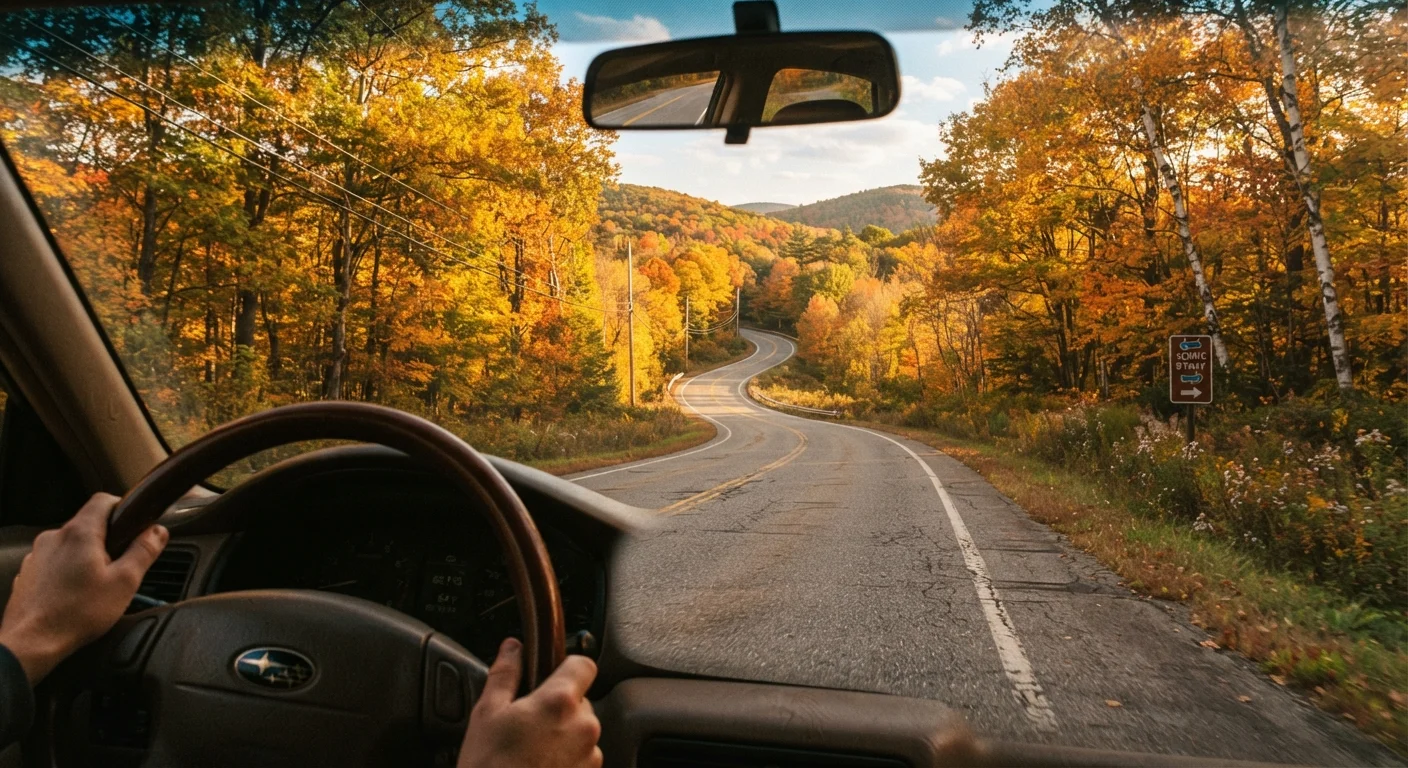
The case for byways isn't romantic nonsense - it's experiential reality. On a scenic road, you pass through towns rather than over them. You stop at a diner that's been serving the same pie since 1962. You pull over because a canyon view demands it, not because a rest stop sign told you to.
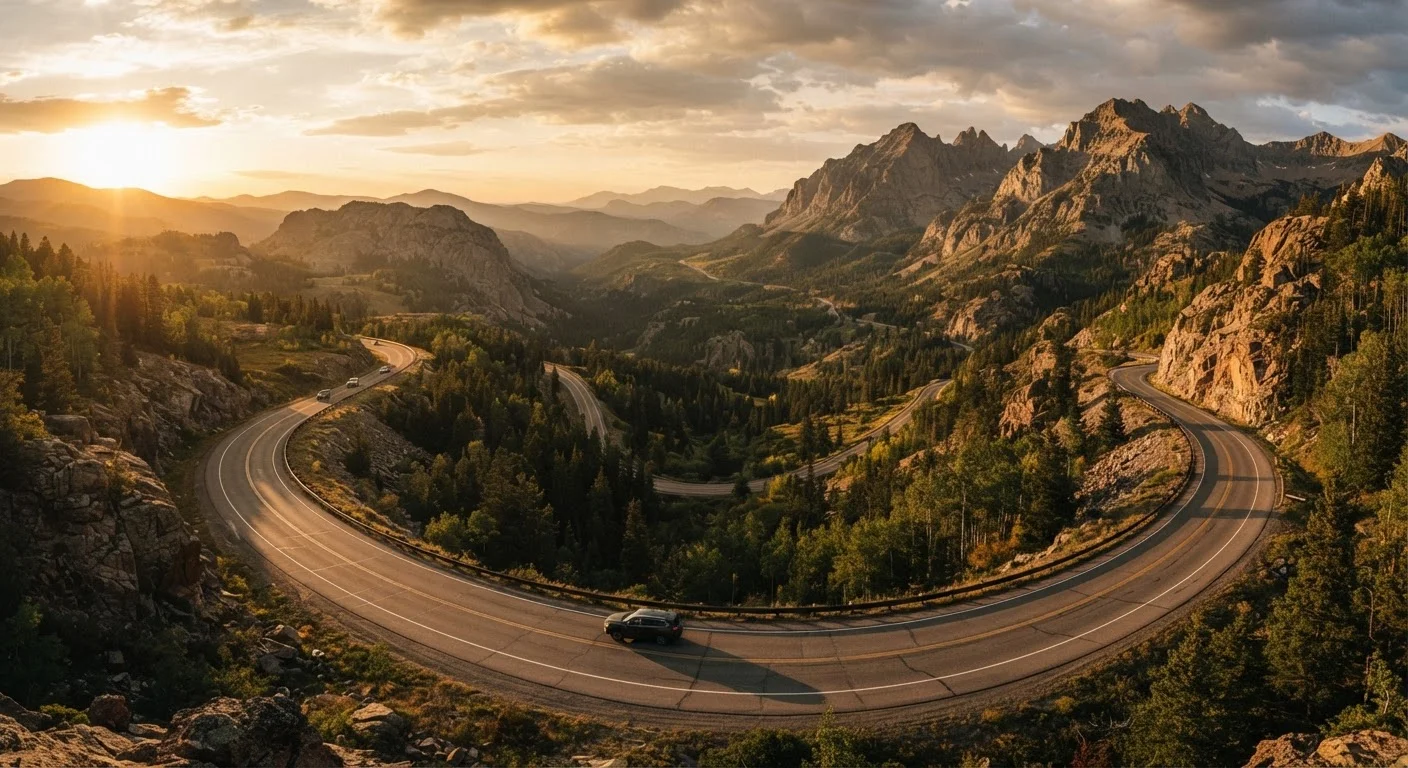
Roadside stops worth slowing down for are almost exclusively a byway phenomenon. The geological formations, historic markers, and local characters that define American road trip lore live off the interstate, not on it.
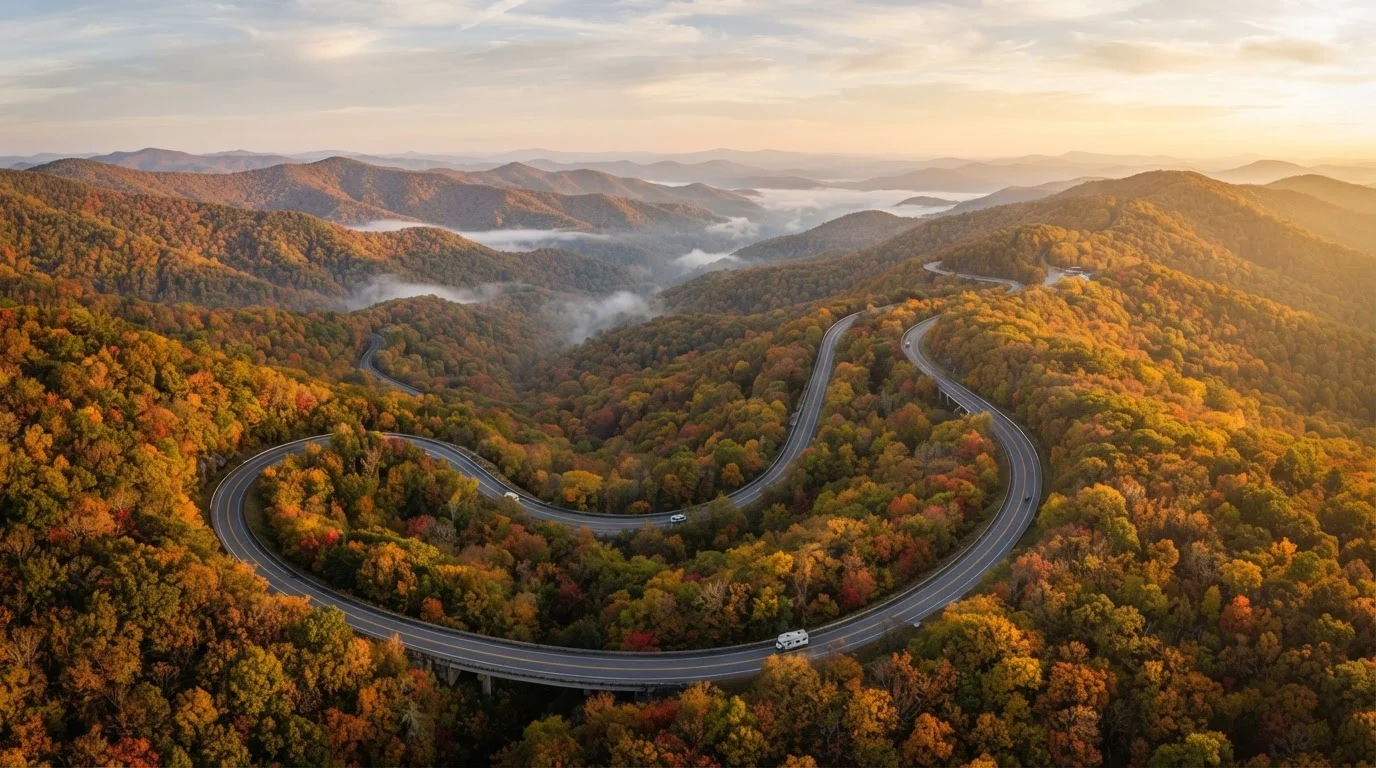
Scenic roads also tend to surface regional identity. Driving the Great River Road along the Mississippi or threading through Appalachian ridgelines on the Blue Ridge Parkway versus Skyline Drive gives you a sense of place that no interstate corridor replicates.
150+
Federally designated scenic byways in the U.S.
The National Scenic Byways Program recognizes routes across all 50 states, spanning All-American Roads and state-level byway designations.
48,000+
Miles in the U.S. Interstate Highway System
The Dwight D. Eisenhower National System of Interstate and Defense Highways spans the contiguous United States, connecting nearly every major metro area.
~3x
Longer travel time on scenic vs. highway routes
On comparable origin-to-destination distances, scenic byways can take roughly two to three times as long due to lower speed limits and frequent stops.
That said, byways come with real trade-offs: lower average speeds, fewer fuel options, limited cell coverage in some stretches, and seasonal closures. Alpine routes like Going-to-the-Sun Road in Glacier National Park may require permits, have vehicle size restrictions, or close entirely in winter. Always verify current conditions with official sources before committing to a remote or high-altitude route.
Where the Interstate Actually Wins
Let's be direct: interstates are excellent roads for what they do. If you need to cover 600 miles before nightfall, the highway isn't a compromise - it's the right call. Consistent 65-75 mph speeds, predictable service plazas, emergency call boxes, and well-lit interchanges make long-distance driving significantly less demanding.
Efficiency also matters when your destination - not your route - is the main event. Driving to a national park, a coast, or a city for a specific purpose means the miles in between are logistical, not experiential. Burning three extra hours on a winding byway when your goal is a week at Acadia or Zion doesn't serve you.
Highway driving is also considerably more practical for drivers managing larger rigs. Many scenic byways carry posted weight limits, feature single-lane bridges, or wind through mountain terrain with grades and switchbacks that make them genuinely unsuitable for RVs and trailers. Check a pre-trip readiness checklist before routing any larger vehicle onto a designated scenic road.
Vehicle Size Restrictions on Scenic Roads
Many designated byways and scenic park roads post restrictions on vehicle length, height, and weight. These limits exist for safety and road preservation reasons. Before routing a camper van, RV, or tow vehicle onto any scenic corridor, check the managing agency's current guidelines - restrictions can vary by season and road segment.
The strongest itineraries treat the interstate as the skeleton of a trip - fast and reliable - while inserting byway segments deliberately, where they add the most value. Coastal versus interior routes offer a useful framework for thinking about your trip's backbone before you layer in scenic detours.
Building a Smarter Hybrid Route
The most practical advice is also the least dramatic: don't choose one or the other across an entire trip. Use timing and purpose to decide which mode applies to each leg.
A useful rule of thumb - dedicate scenic byway driving to mornings and early afternoons, when light is best and fatigue is lowest. Reserve highway segments for late afternoons when you're pushing for your overnight stop. This rhythm keeps the experiential parts sharp and the logistical parts efficient.
Before any long trip, consult seasonal windows for iconic routes - a byway that's spectacular in October may be fogged in or partially closed in April. Matching your route choice to conditions is as important as matching it to your goals.
The open road is wide enough for both philosophies. The drivers who get the most out of it are the ones who know which tool to reach for - and when.