
Why Slowing Down Changes Everything
There's a particular kind of traveler who treats the odometer as a scoreboard - who measures a good day by miles covered rather than moments collected. Most road trippers start that way. Then something shifts. Maybe it's a hand-painted sign for peach pie, or a geological marker explaining that you're standing atop an ancient seabed. Suddenly the road becomes less of a corridor and more of a conversation.
Roadside stops are the grammar of that conversation. They give shape and rhythm to a journey that might otherwise blur into a single long stretch of asphalt. Rethinking what detours are actually for is the first step toward becoming a richer kind of traveler - and this list is designed to help you do exactly that, with practical context for each type of stop worth pulling over for.
Plan Stops Before You Leave Home
Spend 20 minutes before each driving day scanning satellite view along your intended route. Look for geological features, small-town clusters, and named pullouts that don't appear in standard navigation apps. A simple note in your phone - just a town name or a highway mile marker - is enough to prompt a stop when you're in the flow of driving.
Seven Roadside Stops That Reward the Curious Driver
Historic Highway Markers
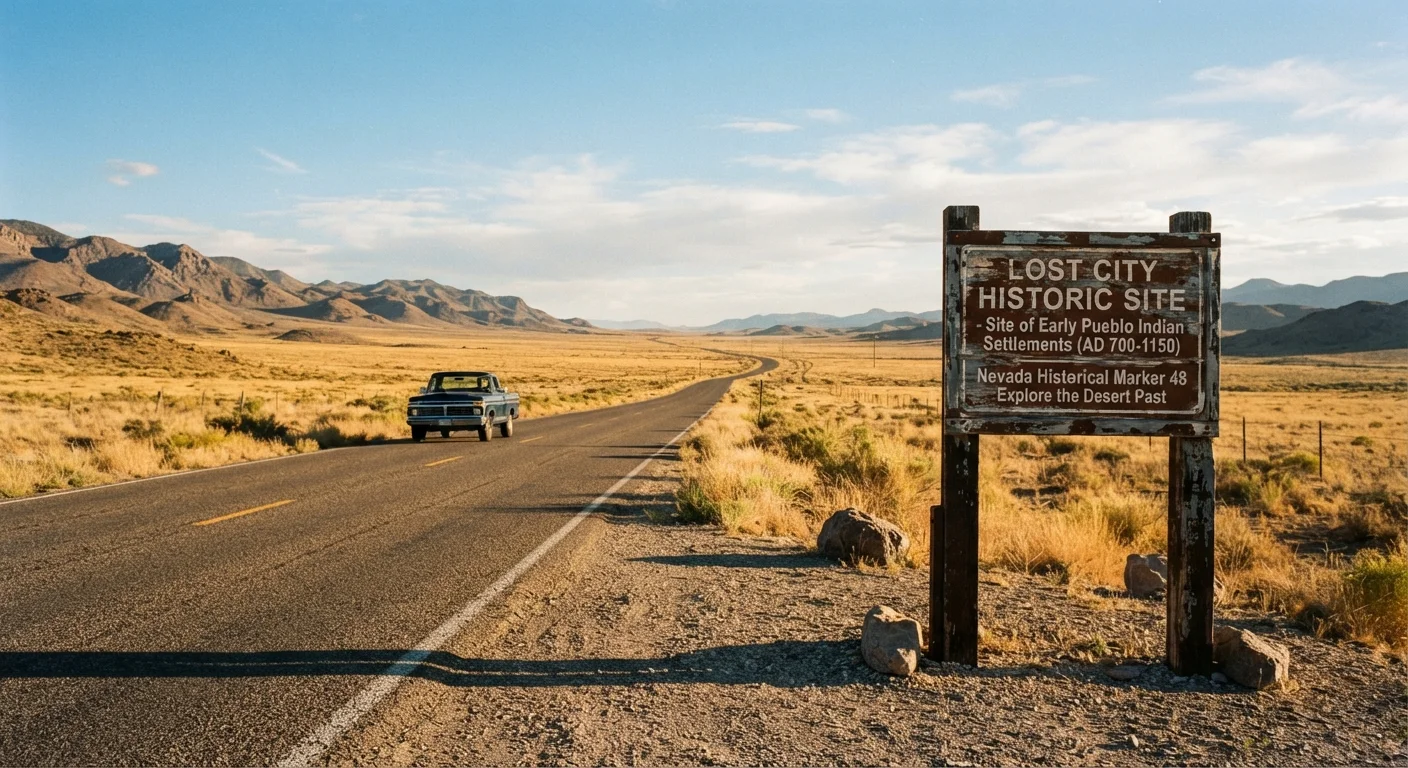
Those small metal plaques on weathered posts carry more information than most drivers realize. State historic markers document everything from Civil War skirmishes to the birthplaces of agricultural movements to sites of Indigenous cultural significance. Reading them carefully - rather than photographing and driving on - often reframes the entire landscape around you.
Learning how to decode highway markers is a skill that compounds over a trip; each marker becomes easier to contextualize once you understand the coding systems different states use.
A single roadside plaque can reframe an entire landscape if you actually stop to read it.
Geological Formations and Exposed Rock Faces
Road cuts - those sliced hillsides created during highway construction - are accidental geology exhibits. Layers of limestone, shale, and granite tell stories spanning hundreds of millions of years. Similarly, natural formations like hoodoos, arches, and lava fields visible from scenic byways are rarely as crowded as their national park counterparts, and they're often free to access.
Exit the car. Walk to the formation. Touch the rock if it's permitted. Ten minutes on foot transforms a windshield view into a tactile memory.
Road cuts are accidental geology exhibits - free, uncrowded, and genuinely fascinating.
Independent Roadside Diners
The regional diner is a living document of local food culture - and a rapidly shrinking one. These stops function as community anchors in small towns, often serving dishes that reflect the agricultural history of the surrounding county. Green chile in New Mexico highway towns, pasties in Michigan's Upper Peninsula, and fresh-caught catfish in Mississippi Delta roadhouses are all distinctly of their place in ways that interstate chains simply cannot replicate.
The tradition of the roadside diner stop is one of road trip culture's most enduring rituals - and for good reason.
A regional diner is a living document of local food culture that no chain stop can replicate.
Scenic Overlooks and Pullouts
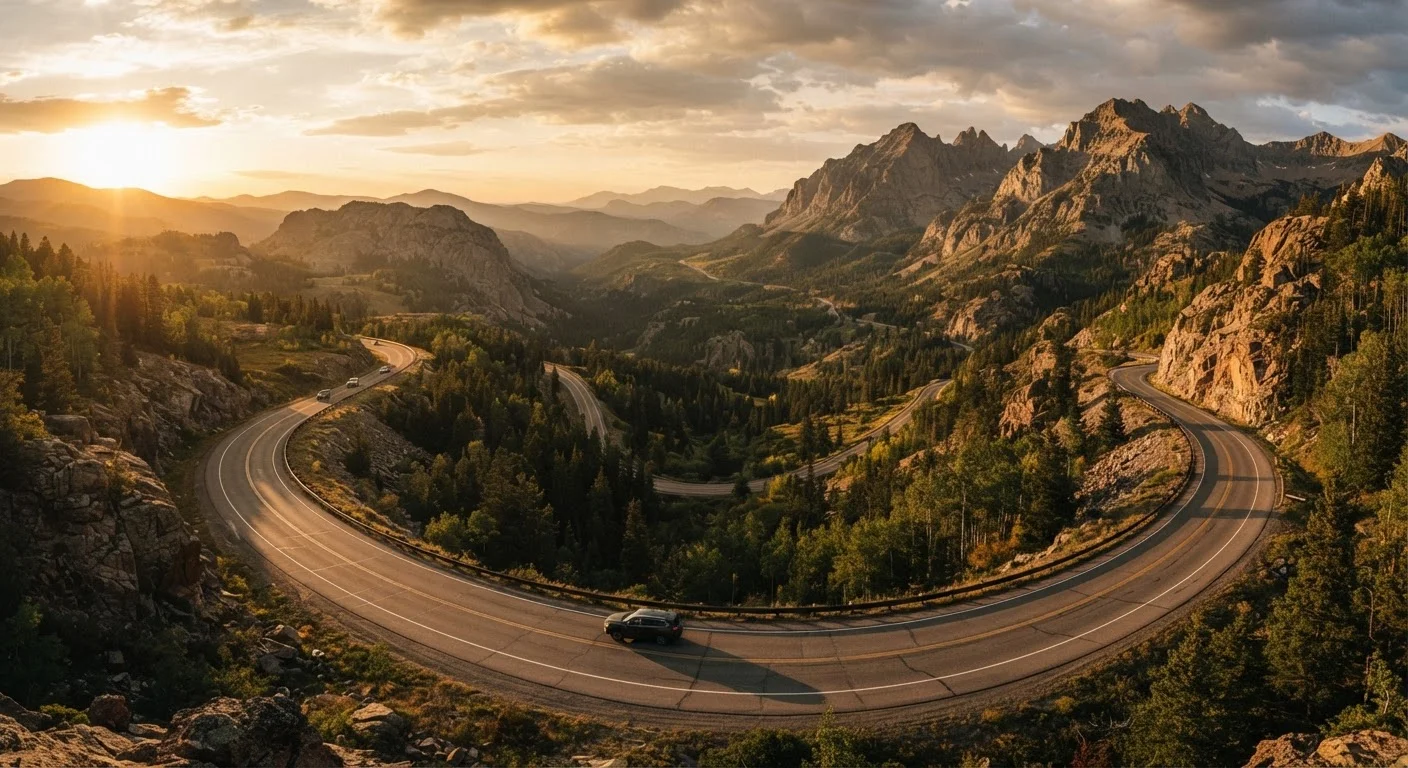
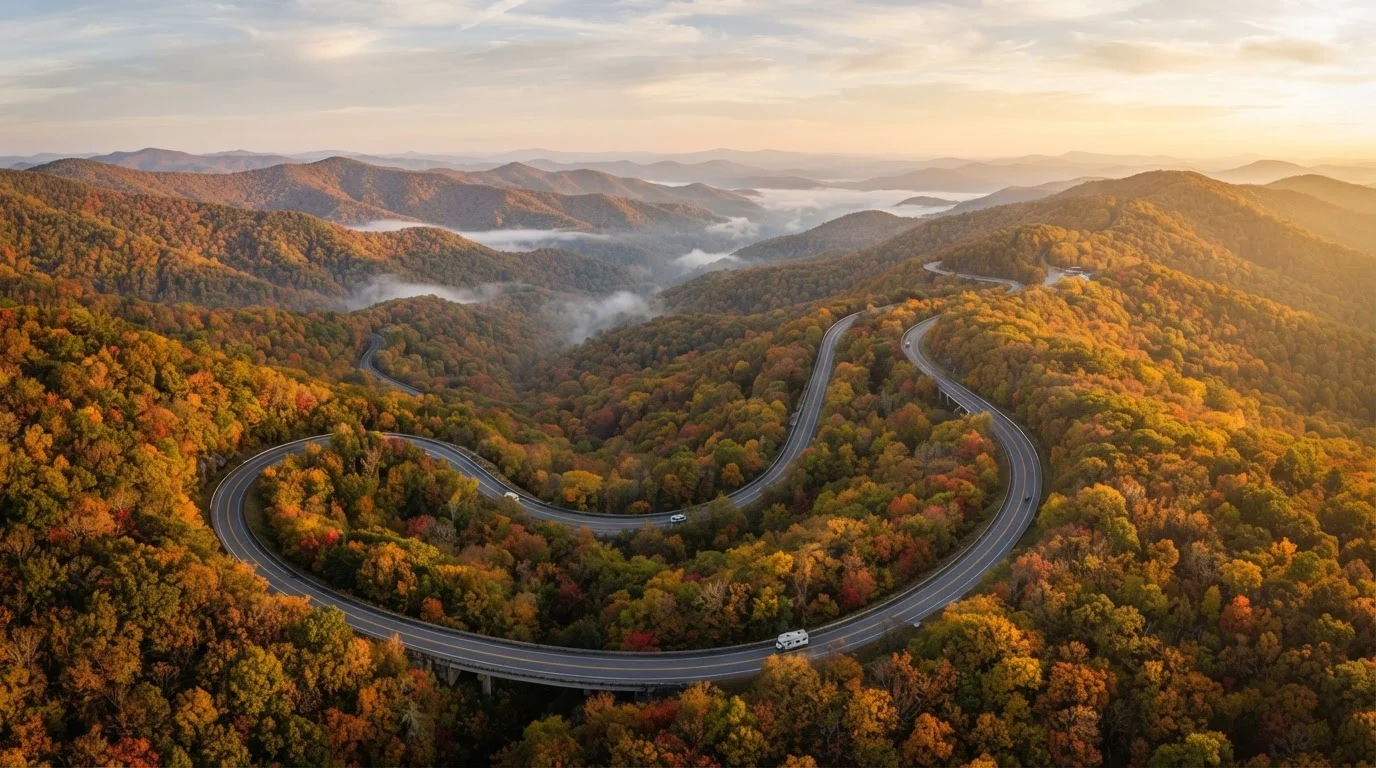
Designated overlooks exist because someone in highway planning recognized that a view was worth preserving access to. Take that seriously. The Pacific Coast Highway's famous cliffs get all the attention, but quieter, equally stunning segments of Highway 1 reward drivers who actually use those unmarked pullouts. Overlooks in the Appalachians, the Ozarks, and the high desert Southwest are similarly underused.
Arrive early or late in the day. Golden-hour light at a good overlook is one of the most reliable travel experiences in the country.
Overlooks reward patience - golden-hour light transforms a good view into an unforgettable one.
State Welcome Centers and Small Visitor Centers
These stops are systematically underrated. State welcome centers typically stock free printed maps, brochures for regional parks and museums, and staff who genuinely know the roads ahead. Small-town visitor centers often maintain boards listing local events, road closures, and seasonal attractions that don't appear on any mapping app.
A ten-minute stop at a welcome center can surface a festival, a shortcut, or a free camping area that reshapes your next two days of driving for the better. Treat them as intelligence stops, not just bathroom breaks.
A welcome center is an intelligence stop - it can reshape your next two days of driving.
Ghost Towns and Abandoned Infrastructure
The American West and Midwest are dotted with towns that boomed and emptied - mining settlements, railroad depots, and agricultural communities that circumstances left behind. Many are partially preserved and open to exploration. They offer a striking counterpoint to the narrative of perpetual American growth and a genuinely quiet, contemplative type of roadside experience.
Always confirm whether a site is on private or public land before entering. Trespassing rules and signage vary considerably by state, and respecting them is both legally and ethically important.
Ghost towns offer contemplative quiet - and a striking counterpoint to the myth of endless American growth.
Roadside Art Installations and Vernacular Architecture
From Cadillac Ranch in the Texas panhandle to the oversized fiberglass sculptures scattered across small Midwest towns, roadside art operates outside the gallery system and thrives on being stumbled upon. Vernacular architecture - the hand-built roadside stands, painted barns, and quirky themed motels - belongs to the same tradition.
These stops rarely appear on official itineraries, but they accumulate into one of the most distinctive and personal layers of a road trip. Keep a loose list, stay flexible, and let the odd and unexpected pull you over.
Roadside art exists to be stumbled upon - it rewards flexibility more than planning.
Accessibility and Seasonal Considerations
Not all roadside stops are equally accessible year-round or for all travelers. Overlooks at elevation may be closed by snow from late fall through early spring. Some ghost towns involve uneven terrain unsuitable for mobility devices. Always check current conditions through the relevant state DOT or land management agency website before building a stop into your firm plans.
Building These Stops Into Your Route
The art of integrating roadside stops is really a planning question. If you map your driving days around a hard arrival deadline, every stop becomes a negotiation. Build buffer time instead - aim for 20 to 30 minutes of unscheduled space per hour of driving, and you'll find that detours stop feeling like delays and start feeling like the actual trip.
Weighing scenic roads against highway efficiency is a genuinely useful exercise before you leave home. And if you're tackling an iconic American route, the pre-trip readiness checklist can help you account for fuel gaps, permit windows, and seasonal closures that affect which stops are actually accessible when you arrive.
Above all, give yourself permission to be surprised. The roadside stop you didn't plan is usually the one you'll tell stories about for years.