
Why Going-to-the-Sun Road Catches Drivers Off Guard
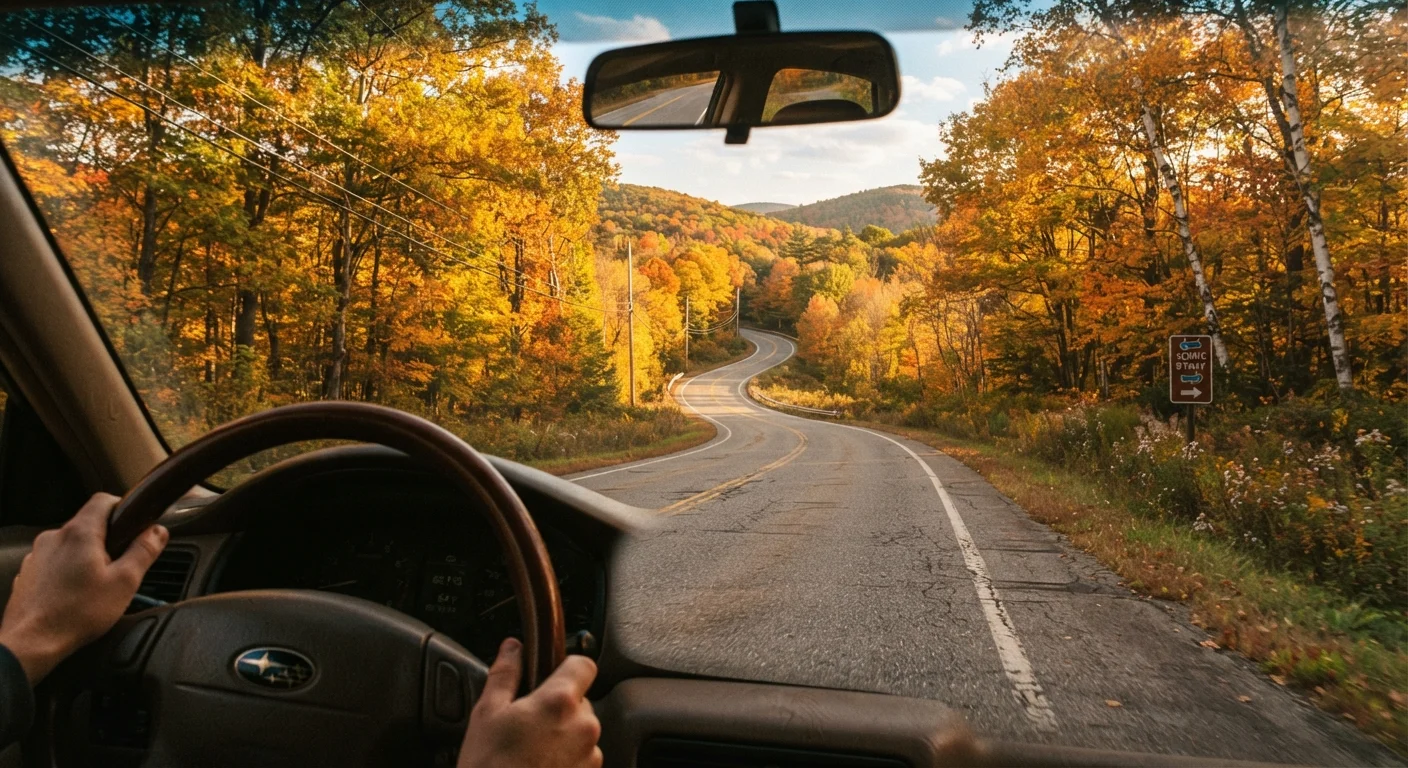
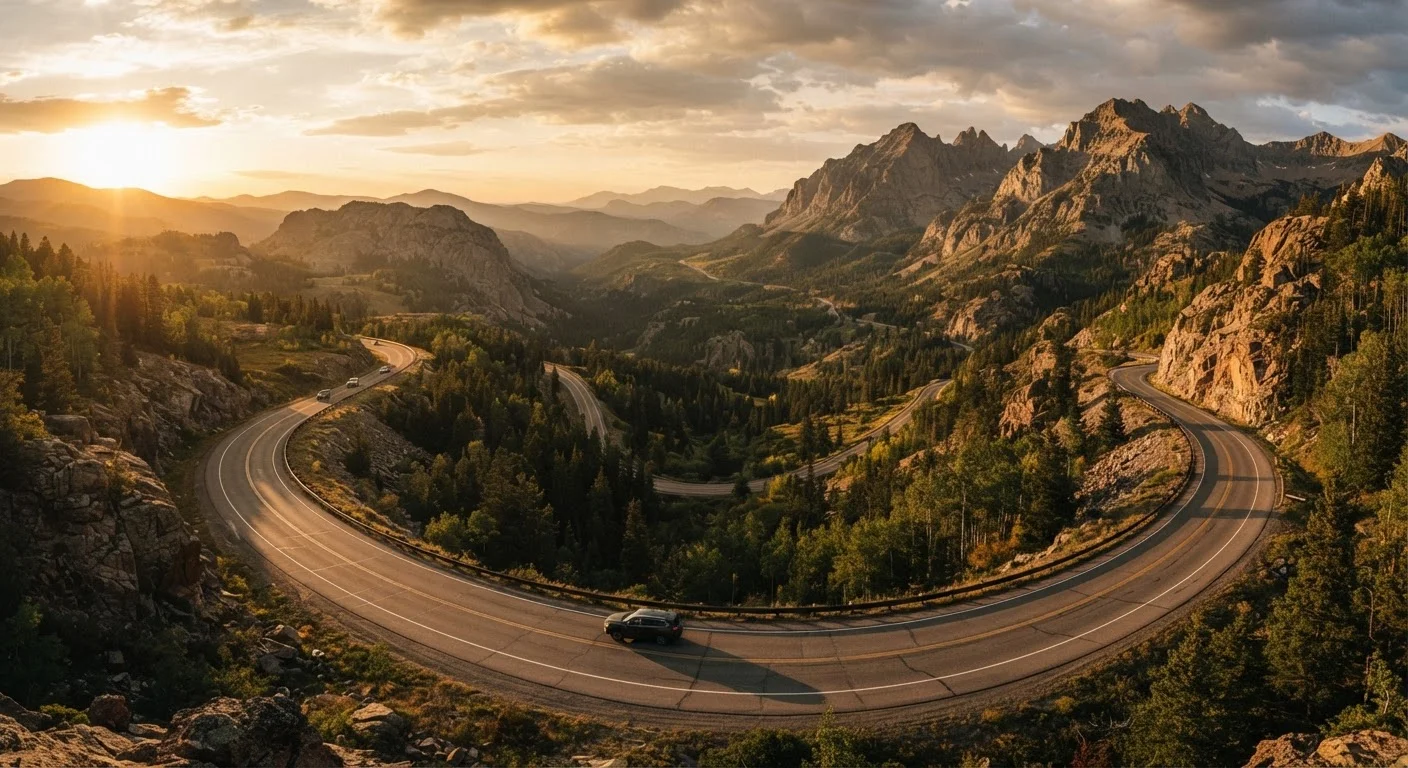
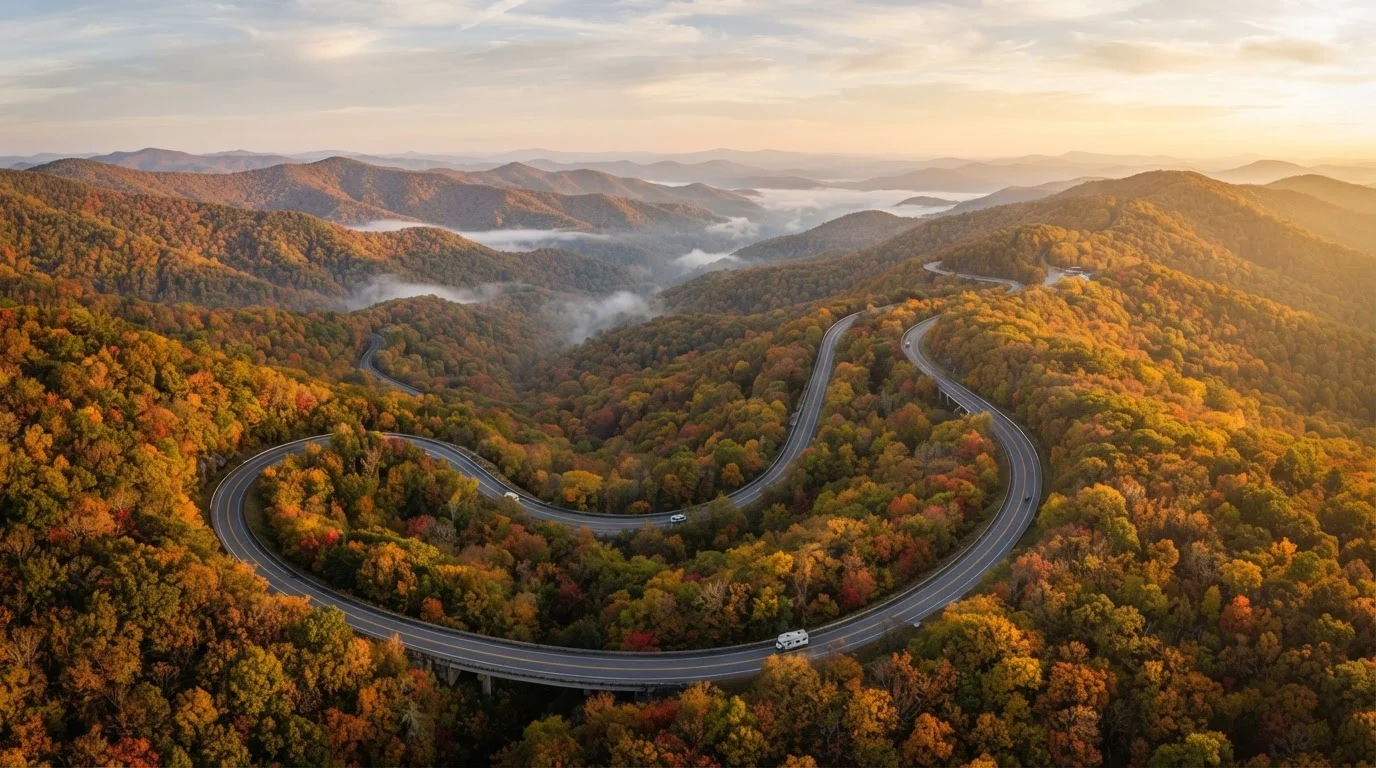
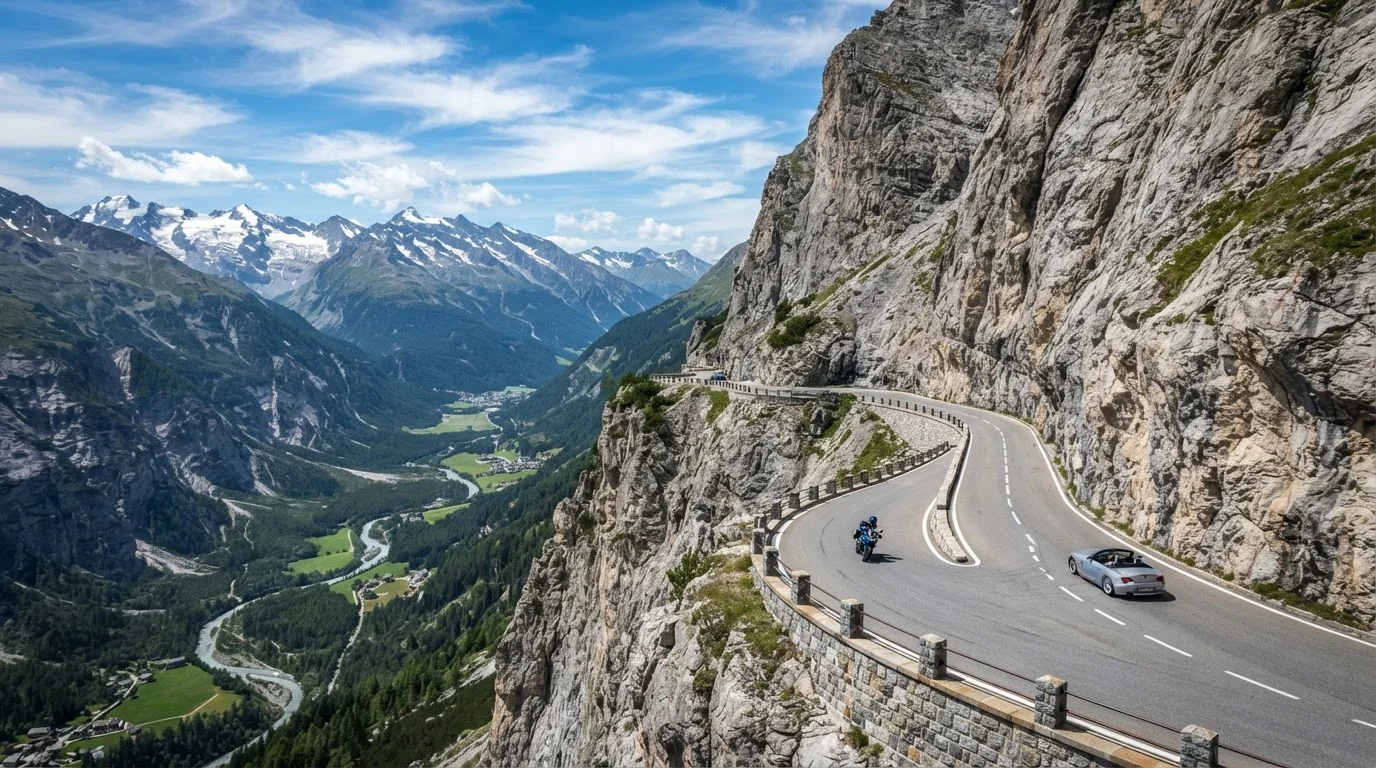
At just 50 miles long, Going-to-the-Sun Road through Glacier National Park sounds like a manageable afternoon drive. Maps show a clean line arcing through mountains. Photographs show wildflowers and turquoise lakes. What neither conveys is the road's true character: a narrow, cliff-hugging alpine corridor built in the 1930s that demands full attention, respects nothing larger than a mid-size SUV in its upper sections, and operates on its own geological schedule.
This isn't a highway that forgives casual preparation. It rewards those who understand it - and surprises everyone who arrives assuming otherwise. Whether this is your first alpine drive or your tenth, the mistakes below are worth knowing before you reach the West Entrance at Apgar.
For a broader framework on route-level preparation, our guide to planning a well-structured road trip covers the planning layers that make the difference between stress and discovery.
The Mistakes Drivers Make - and How to Avoid Them
Arriving in an oversized vehicle without checking the road's strict size limits.
Why it happens: Drivers assume national park roads are built to standard highway dimensions. The upper section of Going-to-the-Sun Road prohibits vehicles exceeding 21 feet in length or 8 feet in width (including mirrors), and these limits are enforced at entry checkpoints.
Arriving without a timed-entry permit during peak season.
Why it happens: Many travelers assume that paying a park entrance fee grants full road access. During peak summer weeks, Glacier National Park requires a separate vehicle reservation for the Going-to-the-Sun Road corridor, and these sell out weeks - sometimes months - ahead.
Relying on GPS or cellular navigation throughout the drive.
Why it happens: Most travelers navigate by smartphone as a matter of habit. Cell service drops out across large portions of the road, and GPS apps that require live data will lose routing at the worst moments - on narrow cliff-side switchbacks where a confident driver is essential.
Underestimating the time the drive actually takes.
Why it happens: Fifty miles sounds like an hour. It is not. Pullouts, wildlife jams, slow-moving traffic in narrow sections, and time spent at Logan Pass routinely stretch the drive to four or five hours - longer if you stop meaningfully.
Stopping impulsively in live traffic lanes to photograph scenery.
Why it happens: The views appear without warning, and the impulse to stop is completely understandable. But the road has no shoulder in many sections, and sudden stops create dangerous pileups on one-lane stretches.
Beyond individual errors, one pattern stands out across all of them: underestimating how much the road's physical environment controls the experience. Unlike most scenic byways, Going-to-the-Sun doesn't accommodate improvisation. The pre-trip readiness checklist for famous scenic routes is especially useful here - permit logistics alone can derail an unprepared visit.
50 miles
Total length of Going-to-the-Sun Road
The road crosses the Continental Divide and reaches 6,646 feet at Logan Pass, taking most drivers four to five hours including stops.
~11 weeks
Typical fully-open season each year
The upper road generally opens between late June and early July and closes by mid-October, with exact dates varying by snowpack each season.
Timing your visit to this road also matters more than most travelers expect. Our piece on seasonal windows for iconic routes breaks down what each window looks like across the country's legendary corridors, and Glacier's narrow summer season is among the most consequential examples.
Afternoon Thunderstorms Are Routine in Summer
High-altitude lightning storms develop quickly over Logan Pass and the Garden Wall, often by early afternoon. If you're hiking from the road - the Hidden Lake Overlook trail is a popular stop - start early and be back at your vehicle before noon. Check the National Weather Service mountain forecast for Glacier County before your visit, and take deteriorating skies seriously. Lightning exposure at 6,600 feet is not a minor inconvenience.
What the Road Actually Rewards
None of this is meant to discourage the drive - quite the opposite. Going-to-the-Sun Road is one of the most extraordinary stretches of pavement in the country precisely because it requires something from you. The Garden Wall rises to your left as you gain elevation; mountain goats appear on rock faces where you'd swear nothing could stand. Logan Pass, at the road's summit, opens onto a high-alpine plateau that feels genuinely otherworldly.
The travelers who remember it longest are those who prepared modestly but attentively - checked their permits, verified their vehicle dimensions, left before 8 a.m., and kept their phones holstered. If you're weighing this against other demanding American routes, our comparison of what the Alaska Highway really involves offers useful perspective on what separates a challenging road from a genuinely remote one.
Going-to-the-Sun is demanding in the way a mountain hike is demanding - not dangerous if you're prepared, but unforgiving of shortcuts. Respect that, and the road delivers exactly what its name implies.
The Road Closes - Sometimes Suddenly
Rock and snowslides can close Going-to-the-Sun Road without warning, even in peak summer. The National Park Service posts current road conditions and closure updates on the official Glacier National Park website and on roadside message boards at entrances. Always check conditions the morning of your drive, not the night before - closures can be issued overnight. Do not assume the road is open because it was open yesterday.