
What the Numbers Actually Look Like
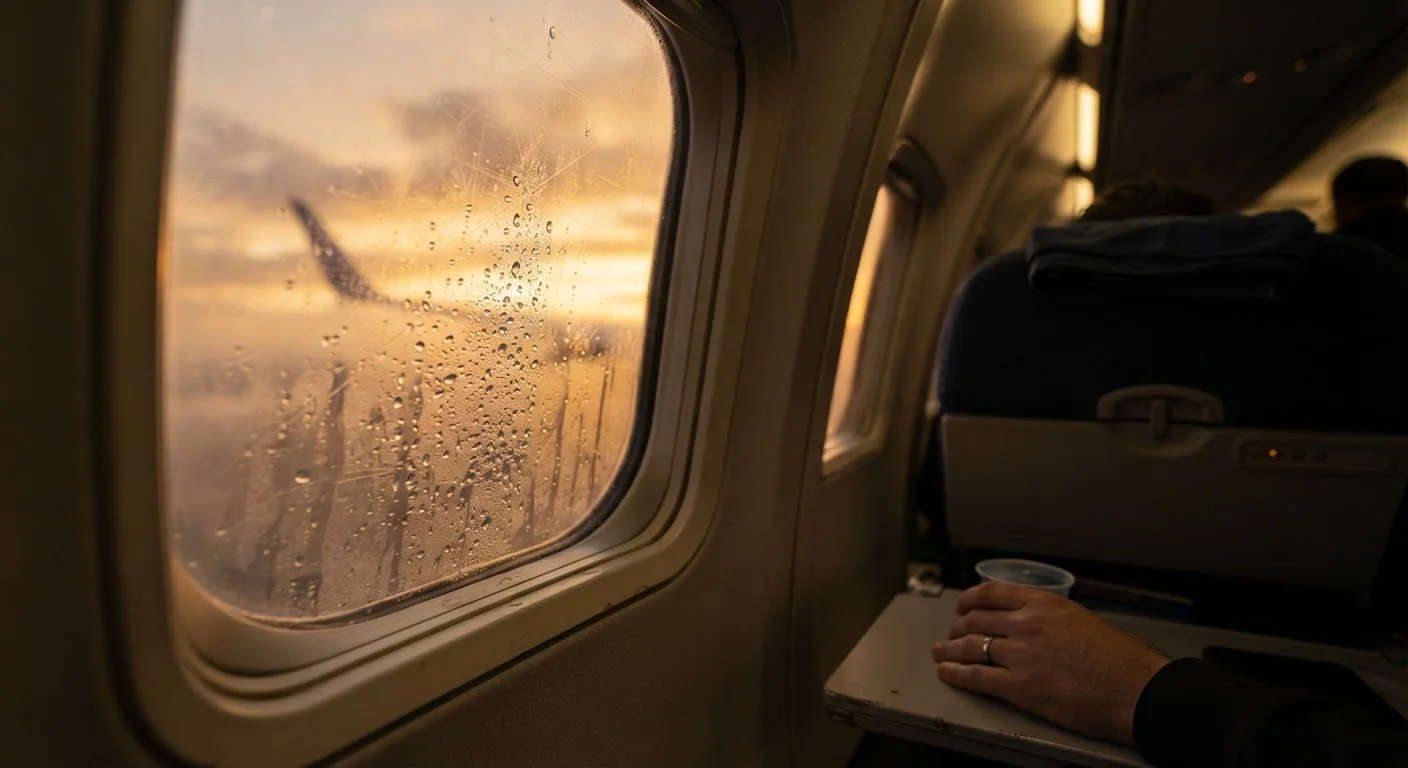
Most people spend their days in environments where relative humidity sits somewhere between 30% and 60%. Office buildings, homes, and hotels all tend to fall within this range. Step onto a commercial aircraft, and that figure can drop to 10-20% - conditions drier than many desert environments.
This happens because aircraft at cruise altitude draw outside air into the pressurization system. At 35,000 feet, the atmosphere holds almost no moisture. Even after mixing with filtered recirculated air, the cabin environment remains exceptionally arid for the duration of the flight. The longer the flight, the more cumulative exposure your body absorbs.
For context on how altitude affects the body beyond just hydration, see The Physiology of Flying: What Altitude Does to Your Body, which covers the broader biological picture of pressurized flight.
10-20%
Typical cabin relative humidity at cruise altitude
Aircraft cabin humidity is widely reported in aviation medicine literature to fall between 10% and 20%, far below the 30-60% range common in most indoor environments.
35,000 ft
Typical commercial cruise altitude
At this altitude, outside air contains negligible moisture - the primary source of low cabin humidity when that air is drawn into the pressurization system.
~1-1.5 L
Estimated additional fluid loss on a long-haul flight
Aviation health researchers have suggested passengers can lose meaningful additional fluid during long flights due to the dry environment, though exact figures vary by individual and flight duration.
What Dehydration at Altitude Does to Your Body
Your skin, eyes, nasal passages, and throat all lose moisture continuously in low-humidity air. This is largely passive - you don't need to be sweating or exerting yourself. The dry ambient air simply draws water out of exposed tissue.
Common effects travelers notice mid-flight include dry, itchy eyes, a parched or scratchy throat, nasal congestion or irritation, and skin that feels tight or flaky. Fatigue and difficulty concentrating can also follow from mild dehydration, which makes an already drowsy cabin environment feel worse than it needs to.
The mucous membranes lining your nose and throat serve as a physical barrier against airborne particles and pathogens. When these membranes dry out, that protective function is reduced - a consideration worth bearing in mind during long international flights. This physical dynamic is one reason frequent flyers often report feeling run-down after a long-haul trip, even when they slept reasonably well onboard.
Recirculated Air Is Not the Culprit
It is a common misconception that recirculated cabin air is why the cabin is so dry. In reality, the primary cause is the outside air drawn in at cruise altitude, which contains almost no moisture regardless of the aircraft type. Modern aircraft recirculate roughly half of cabin air through HEPA filters, which improves air quality but does not add meaningful humidity.
What Genuinely Makes a Difference
The most effective intervention is also the simplest: drink water consistently throughout the flight rather than reacting once you feel thirsty. Thirst is a lagging indicator - by the time it registers, mild dehydration is already underway.
Alcohol and caffeine both act as diuretics, increasing urinary output and accelerating fluid loss. This doesn't mean abstaining entirely, but moderating intake and pairing each alcoholic or caffeinated drink with water is a practical habit that most frequent flyers benefit from. Skipping hydration is one of the most common avoidable mistakes on long flights - and one of the easiest to correct.
Beyond drinking, two targeted tools address specific vulnerable areas:
- Isotonic saline nasal spray - a few applications during a long flight can keep nasal passages moist without any medicated ingredients. Widely available over the counter and safe for most adults.
- Lubricating eye drops - preservative-free formulations work well for contact lens wearers and anyone who finds their eyes particularly prone to dryness in dry environments.
Skin benefits from a simple, unfragranced moisturizer applied before or early in a flight. Lip balm is easy to overlook but genuinely useful. Cabin clothing choices matter too - natural fiber fabrics tend to feel more comfortable over extended exposure to dry air than synthetics.
Build Hydration into Your Boarding Routine
Fill a reusable water bottle after clearing security and make drinking from it a conscious habit before the aircraft door closes. Starting the flight already hydrated gives your body a buffer against the first hours of low-humidity exposure, which often pass before in-flight beverage service begins.
Note that what you eat mid-flight also interacts with hydration. Foods high in sodium can draw fluid into the digestive tract, while water-rich foods like fruits and vegetables contribute to overall fluid intake. For a deeper look at how altitude changes digestion and food choices, see Eating Well at 35,000 Feet.
Starting Before You Board
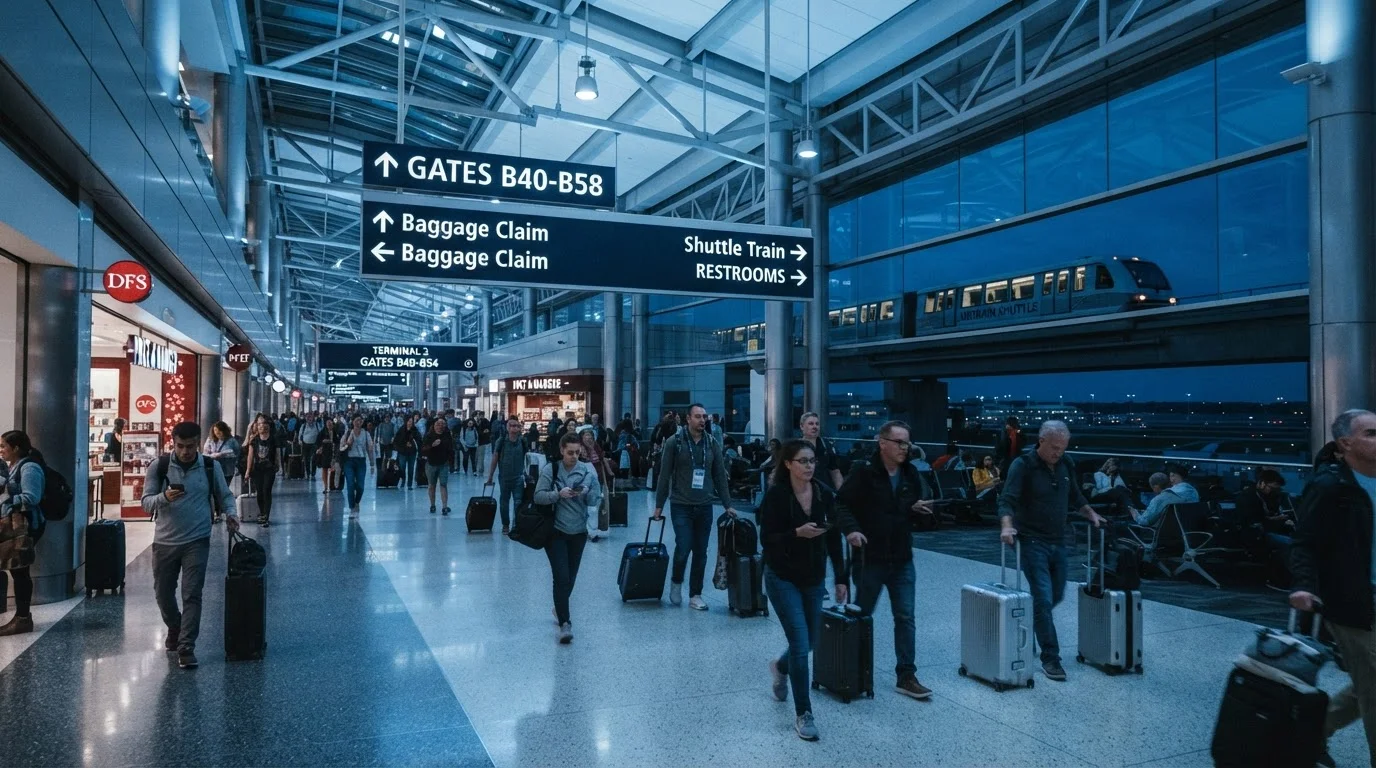
Pre-flight hydration is often overlooked. Airport environments - particularly terminal air conditioning - can be drier than typical indoor spaces, and many travelers arrive already mildly dehydrated from an early wake-up, a stressful commute, or alcohol the night before.
Arriving at the airport adequately hydrated means your body starts the flight from a better baseline. Bringing a refillable water bottle to fill after security is one of the most practical habits a frequent flyer can adopt. It ensures consistent access to water throughout the gate wait and early boarding period, before in-flight service begins.
The interaction between cabin dehydration and circulation is also worth noting. Maintaining fluid intake supports blood volume, which matters for long-haul passengers. For evidence-based context on circulation risks during extended flights, see Circulation, Clots, and Long-Haul Flights.
This article is for general informational purposes only and does not constitute medical advice. Readers with health conditions that affect fluid balance or who take medications should consult a qualified healthcare professional before making changes to their in-flight hydration or self-care routine.