

Why Disruptions Feel Worse Than They Are
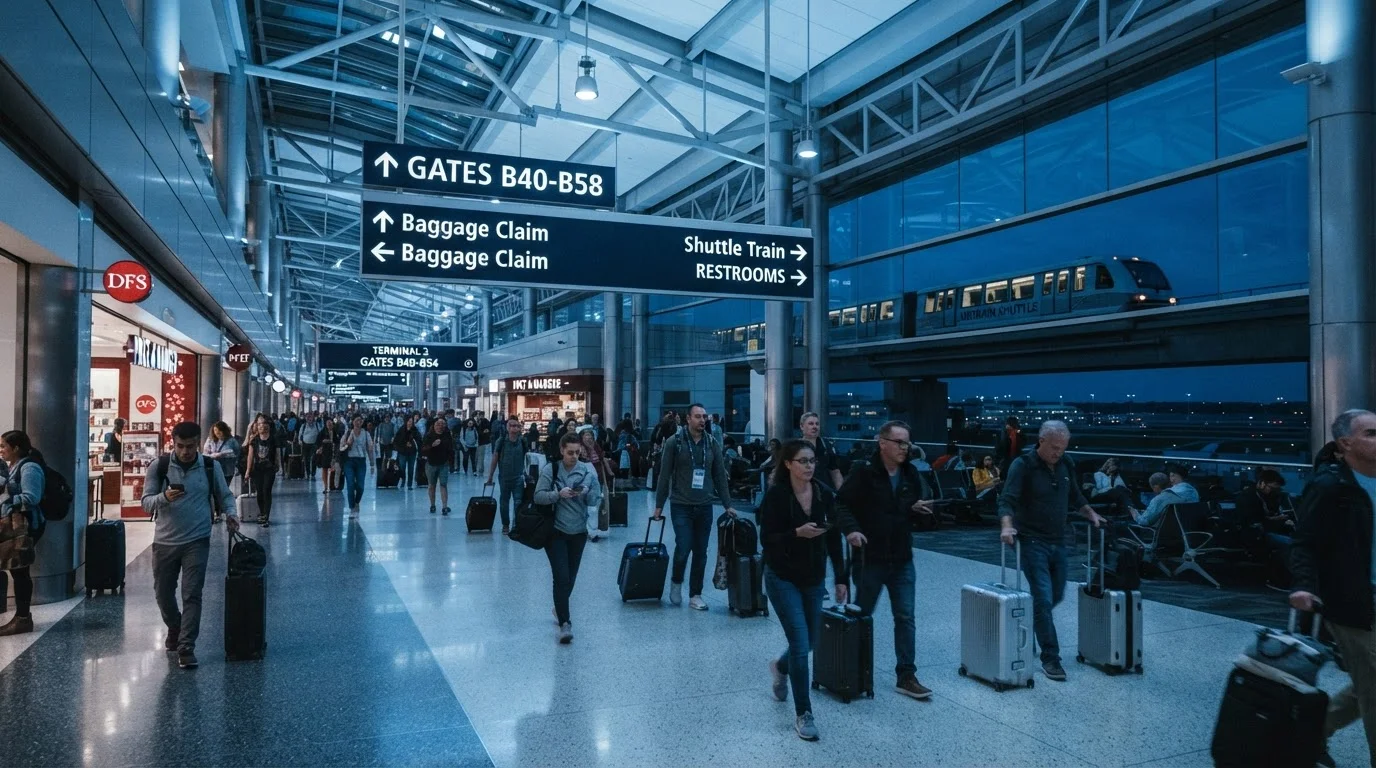
Flight disruptions - gate changes, delays, and cancellations - are a routine feature of commercial aviation, not exceptions to it. According to the U.S. Bureau of Transportation Statistics, roughly 20% of domestic flights experience some form of delay in any given year. The panic most travelers feel isn't caused by the disruption itself; it's caused by information lag. When everyone learns about a change at the same moment, the crowd surges to the gate agent simultaneously. The traveler who already knew, or who finds out 60 seconds earlier, operates in a completely different environment.
The good news: the tools and habits that create that advantage are accessible to anyone willing to build them before the disruption hits. For route-planning context that reduces disruption risk upstream, see our guide to routing red flags - some itinerary choices invite delay before you even get to the airport.
Best Practices for Staying Informed
The following practices are drawn from how experienced frequent flyers manage real-time disruptions - before the overhead announcement, and well before the line forms.
Enable push notifications in your airline's app before you leave home.
Airlines push gate change and delay notices to their apps earlier than they update departure boards or make announcements. This single setting can give you a five-to-ten-minute head start on fellow passengers, which is often enough to rebook or reposition before lines form.
Cross-reference airline notifications with an independent flight-tracking app.
Airline apps reflect what the carrier chooses to surface, and sometimes updates lag or get suppressed until a decision is finalized. Third-party flight-tracking tools pull from FAA and ATC data feeds directly, often reflecting inbound aircraft delays before the airline has updated their own systems.
Save the airline's customer service phone number and text channel in your phone before every trip.
During widespread disruptions, airport gate agents are overwhelmed and hold times for the main phone line spike. Many major carriers maintain separate elite or text-based channels that move faster. Having those contacts ready in advance - rather than searching mid-crisis - cuts your response time significantly.
Know your basic passenger rights under DOT rules before you fly.
The U.S. Department of Transportation sets specific obligations for carriers regarding tarmac delays, involuntary bumping compensation, and refund eligibility for cancellations. Knowing what you're entitled to - before you're at a gate agent's desk in a stressful situation - prevents you from accepting less than you're owed.
Arrive at your gate earlier than habit suggests, especially on high-traffic travel days.
Physical presence at the gate gives you direct access to the agent the moment a change is posted. Being mid-terminal or at a lounge when a cancellation posts adds minutes of transit time that translate to worse rebooking options. Gate positioning is a simple buffer against information-to-action lag.
For a structured pre-departure checklist that includes verifying your flight status the night before, see what to confirm before departure.
What to Do When a Disruption Hits
Even with every notification enabled, disruptions will occasionally catch you mid-terminal. The sequence of your response matters.
Cancellation vs. Delay: The Rights Differ
U.S. DOT rules treat cancellations and significant delays differently. For cancellations, passengers are generally entitled to a full cash refund if they choose not to travel on an alternative flight. For delays, entitlements depend on the carrier's customer service commitments rather than a federal mandate for cash compensation. Always review the airline's specific contract of carriage and the DOT's official guidance before accepting a resolution - policies evolve, and individual circumstances matter.
If you fly regularly, building a broader monitoring habit - not just for day-of disruptions but for schedule changes days in advance - pays significant dividends. The flight-watch routine guide walks through that process in practical detail.