
Why Lounge Access Extends Far Beyond Your Ticket Class
The assumption that airport lounges are exclusively for business or first-class passengers is one of the most persistent misconceptions in air travel. In reality, lounges operate on a multi-channel access model - airlines and independent operators have built several parallel pathways to entry, each designed for different traveler profiles. Understanding these pathways is the first step to using them strategically.
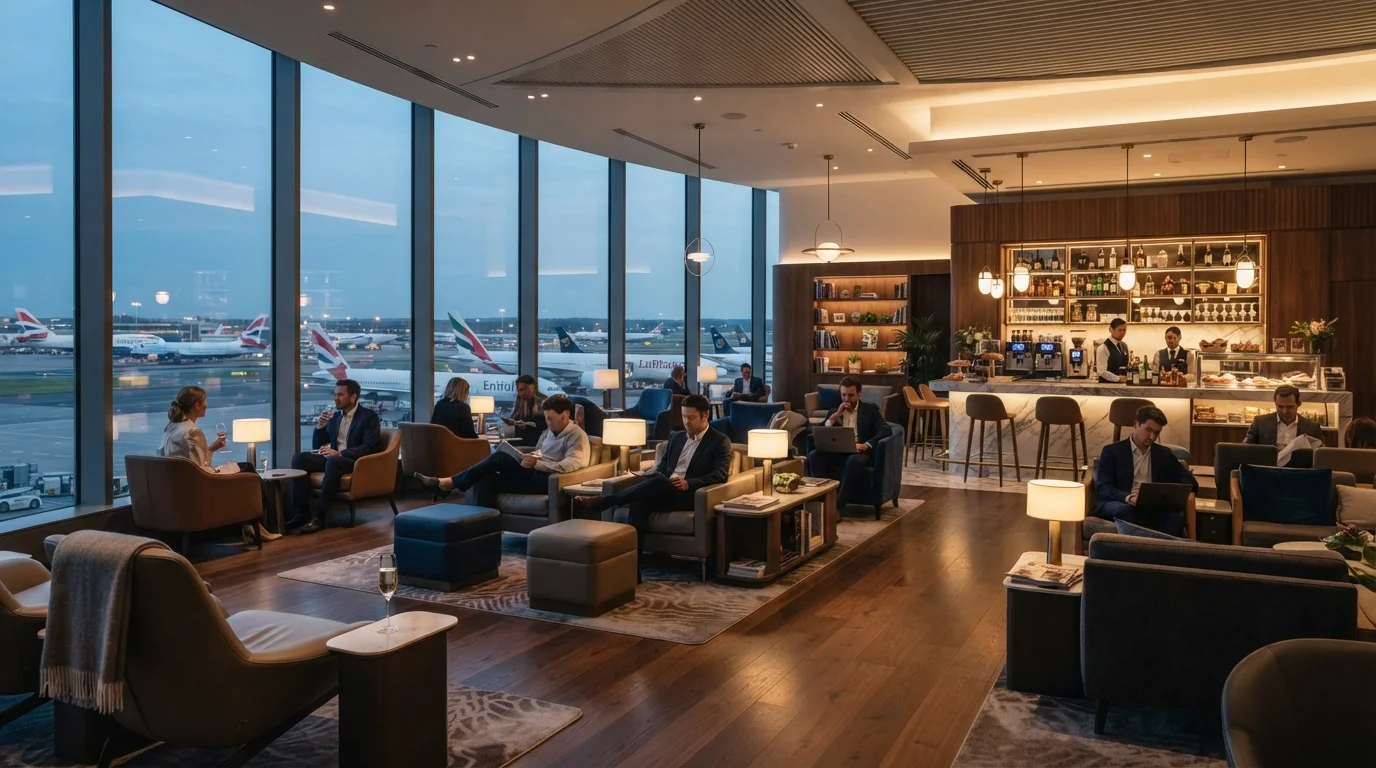
Lounges broadly fall into two categories: carrier-operated lounges, run by a specific airline for its premium passengers and elite members, and independent or contract lounges, which serve travelers across multiple airlines through network memberships. The access rules governing each differ meaningfully, and knowing which type of lounge you're approaching determines which pathway applies.
Capacity Limits Are Increasingly Common
A growing number of high-demand lounges have introduced capacity management policies, meaning eligible members may still be denied entry during peak periods. This is particularly common in busy hub airports during morning and late-afternoon departure waves. Arriving early or using the lounge during off-peak hours improves your chances of entry. Some lounges allow advance reservations - worth checking if that option is available.
The Four Main Non-Ticket Access Routes
Beyond a premium cabin boarding pass, there are four primary ways frequent flyers legitimately enter airport lounges:
- Airline elite status: Frequent flyer programs award lounge access at mid-to-upper tier levels. Elite members flying on the issuing carrier - or a partner airline, depending on the alliance agreement - may enter even on economy tickets. Airline alliances like Star Alliance, oneworld, and SkyTeam extend these privileges across member carriers, which can meaningfully expand where your status applies.
- Travel credit card benefits: Several premium travel cards include lounge access as a cardholder benefit - either proprietary access to specific lounges or membership in a third-party network. The specific lounges included depend on the card's network agreements; cardholders should review their benefits guide carefully rather than assuming universal entry.
- Third-party lounge network memberships: Programs such as Priority Pass aggregate hundreds of independent lounges under a single membership. A member presents credentials at any participating lounge regardless of which airline they're flying. Coverage and lounge quality vary by airport and region.
- Day passes: Many lounges sell single-visit access directly - either at the door, through an airline's website, or via online lounge-booking platforms. This pay-as-you-go model suits infrequent travelers who don't want ongoing membership costs.
Verify Access Before You Arrive
Lounge eligibility rules change more frequently than many travelers expect - airlines update which credit cards qualify, and networks adjust their participating locations. Before your trip, check the lounge operator's website or your card's current benefit summary to confirm your access method is still valid. Doing this the day before departure takes two minutes and prevents an awkward turn-away at the desk.
How Loyalty Status Stacks With Other Access Methods
For travelers who hold elite status with a loyalty program, lounge access may already be built into their account benefits - but the scope matters. Some programs grant access only at the carrier's own-operated lounges; others extend entry to partner lounges system-wide. Understanding this distinction prevents the frustrating experience of arriving at a lounge door that doesn't recognize your credentials.
It's also worth noting that loyalty benefits from hotel programs occasionally intersect with air travel perks. Some co-branded partnerships have historically included airport lounge vouchers or day passes as part of elite benefits - a detail worth reviewing in your full loyalty portfolio. For a parallel look at how tiered membership works in hospitality, hotel loyalty programs follow a similarly nuanced structure that rewards close attention.
1,300+
Lounges in major third-party access networks
Priority Pass, one of the largest independent lounge networks, lists access to over 1,300 lounges across more than 140 countries according to their published network data.
$30-$75
Typical day pass price range per visit
Day pass pricing varies by lounge operator and location; this range reflects commonly published prices across major U.S. and international airport lounges.
3
Major global airline alliance lounge networks
Star Alliance, oneworld, and SkyTeam each operate lounge reciprocity arrangements that extend member carrier benefits across their partner airlines worldwide.
Practical Considerations Before You Walk Up to the Desk
Verifying your access method before arriving at the lounge is straightforward but often skipped. Key things to confirm in advance include: whether the lounge participates in your network or card program, current guest policies, and any capacity restrictions (some high-demand lounges now limit entry during peak hours, even for eligible members).
Travelers should also be aware that access rules can change - airlines periodically revise which cards or status tiers qualify for their lounges. Checking the lounge operator's website or your card's current benefit terms is the most reliable approach. As with many aspects of the traveler experience, conditions at the time you fly are what matter - not what was advertised when you signed up.
This article provides general informational guidance about airport lounge access pathways. Specific eligibility, pricing, and program terms vary by lounge, carrier, and membership and are subject to change. Always verify current conditions directly with the relevant lounge operator or program before traveling.