
Why Rest Has Become a Travel Destination
For decades, travel was synonymous with doing - packing itineraries, covering ground, collecting experiences. Sleep was something you recovered from the trip to catch up on. That framing is shifting. A meaningful and growing cohort of travelers now books trips with a single, deliberate goal: sleeping better.
The drivers are well-documented if not surprising. Chronic sleep insufficiency affects a substantial portion of adults across high-income countries, and frequent travelers are disproportionately exposed to circadian disruption from time zones, irregular schedules, and the stimulation of constant movement. When rest becomes a resource scarcity, optimizing for it starts to look less like indulgence and more like strategy.
Sleep tourism sits at the intersection of wellness travel and sleep medicine - a space where hospitality, environmental design, and behavioral science converge. What makes it distinct from a standard relaxing holiday is intentionality: every element of the experience, from room acoustics to light schedules, is structured around improving sleep rather than simply not preventing it.
Sleep Tourism vs. General Wellness Travel
Wellness travel is a broad category that includes fitness retreats, spa holidays, meditation intensives, and nutritional programs. Sleep tourism is a subset with a specific, primary focus on sleep quality as the measurable outcome. Many wellness properties now offer sleep-specific programming alongside their existing offerings, which can blur the distinction - worth clarifying when researching options.
What Sleep-Focused Travel Actually Involves
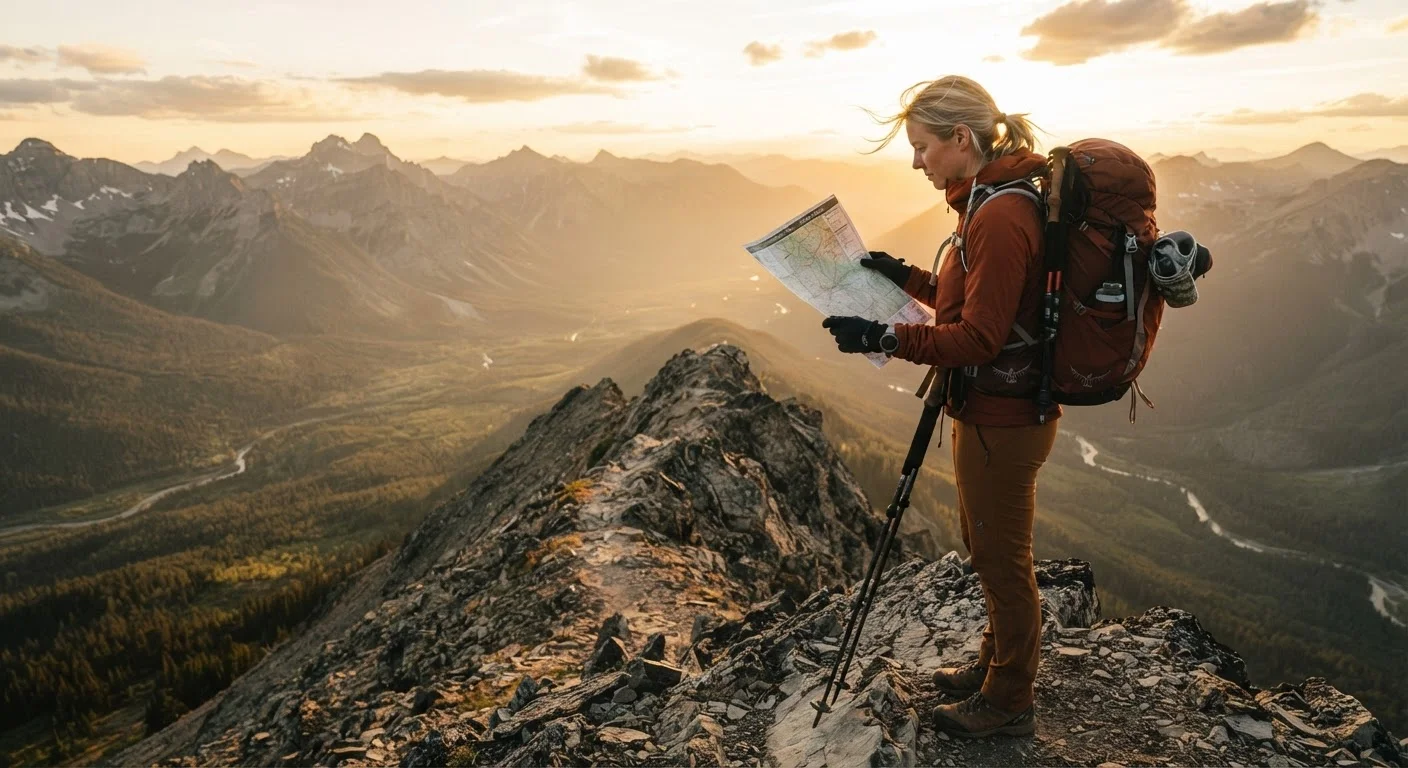
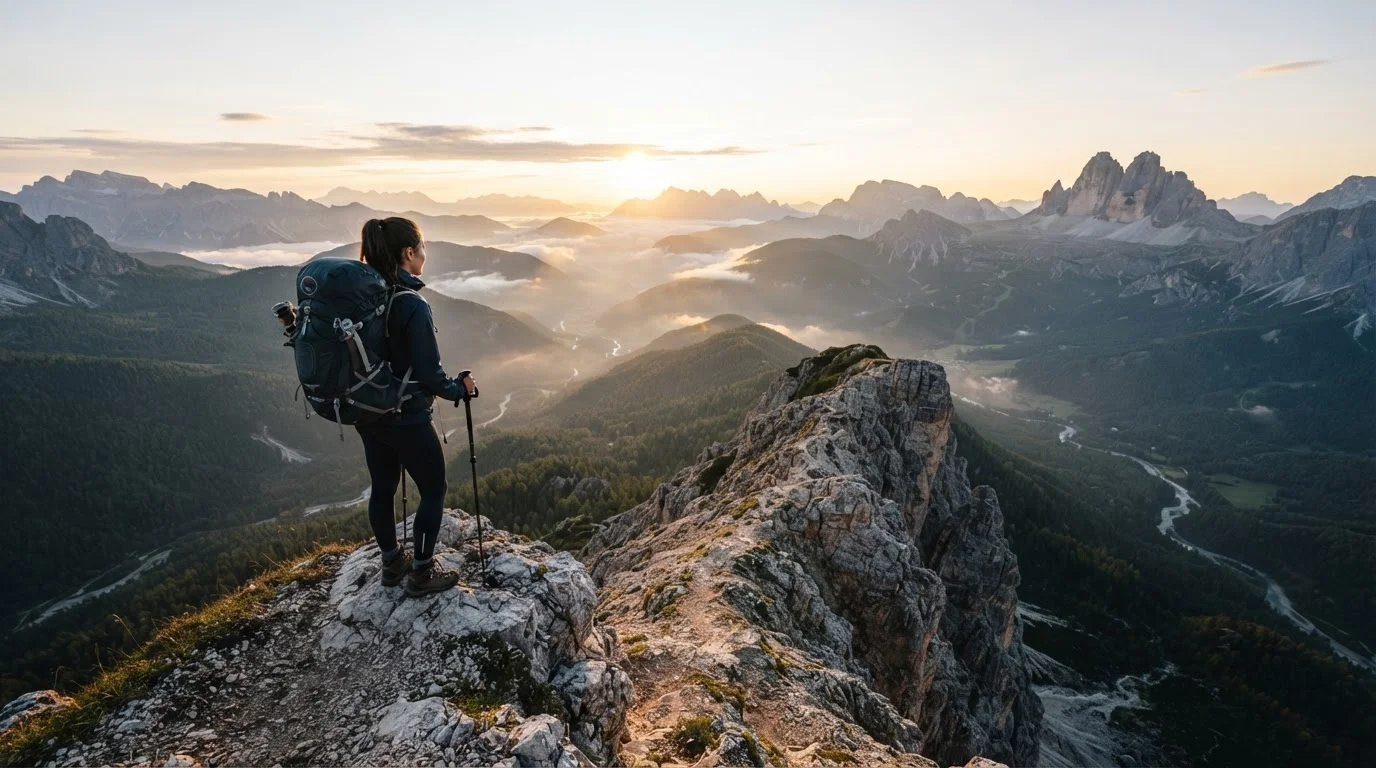
The category spans a wide spectrum. At one end are nature-based retreats in low-stimulation environments - forests, high-altitude valleys, coastal escapes with minimal light pollution - where the expectation is that removal from urban stressors will naturally support better sleep. These experiences lean on the well-established relationship between natural environments and physiological calm, a subject explored in depth in our piece on restorative landscapes around the world.
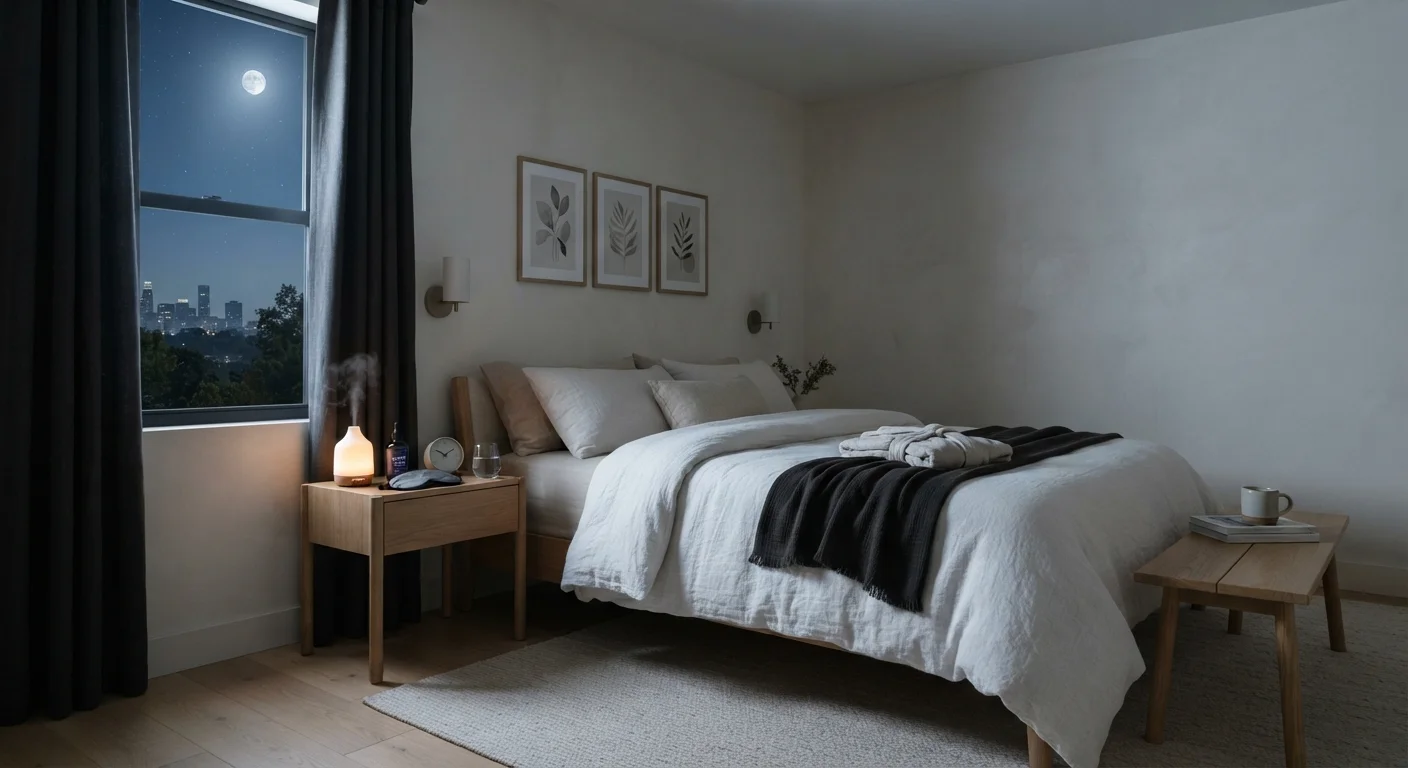
At the other end are clinically oriented sleep retreats that function closer to structured health programs. These may include baseline sleep assessments, consultations with sleep specialists or psychologists, guided CBT-I sessions, and personalized sleep hygiene coaching. The accommodation itself is engineered: blackout-grade window treatments, temperature regulation to the cooler ranges associated with better sleep onset, white noise or natural soundscapes, and mattress and pillow systems calibrated to different sleep positions.
Between these poles lies a broad middle ground: spa properties offering sleep-centric packages, wellness hotels with dedicated sleep menus, and retreats combining meditation, breathwork, or forest bathing practices with explicit sleep-optimization programming.
Match the Program to Your Sleep Challenge
If your sleep issues are primarily stress-related, an environment-focused retreat in a low-stimulation natural setting may offer meaningful relief. If you experience persistent insomnia, difficulty with sleep onset, or frequent waking, look specifically for programs that incorporate CBT-I or involve qualified sleep clinicians. A well-matched program is more likely to produce transferable results than one chosen for aesthetics alone.
How to Assess Sleep Tourism Programs Critically
Not every program marketed as sleep tourism delivers comparable depth. As with wellness retreats broadly - a distinction covered in our guide on what separates genuine rest from aesthetic packaging - the gap between polished presentation and evidence-informed content can be significant.
When evaluating a sleep-focused program, consider: Are qualified sleep professionals involved, or is the programming delivered by general wellness staff? Does the program name specific methodologies with recognized evidence bases? Is the approach personalized, or is it a one-size experience? And critically - does it teach skills and habits you can maintain after checkout, or does it rely entirely on environmental conditions that won't follow you home?
1 in 3
US adults reporting insufficient sleep
According to the U.S. Centers for Disease Control and Prevention, a third of American adults report regularly sleeping less than the recommended amount.
$585B+
Global wellness tourism market value
The Global Wellness Institute has estimated the wellness tourism sector - of which sleep tourism is a growing segment - at hundreds of billions of dollars annually.
7-9 hours
Recommended nightly sleep for adults
The American Academy of Sleep Medicine and the Sleep Research Society jointly recommend 7-9 hours of sleep per night for adults to support optimal health.
The question of lasting benefit is worth weighing carefully. Environmental retreats may produce genuine short-term restoration, but without transferable behavioral change, gains can erode quickly on re-entry. Our editorial on planning a wellness journey that holds up beyond the trip addresses this directly for travelers thinking past the retreat itself.
“Sleep is the single most effective thing we can do to reset our brain and body health each day. Travel that is specifically designed around this reality is not a luxury - it reflects an increasingly well-supported understanding of what restoration actually requires.”
— Matthew Walker, Professor of Neuroscience and Psychology, University of California, Berkeley, and author on sleep science
The Traveler's Relationship With Sleep Before and After the Destination
It's worth acknowledging the irony that reaching a sleep retreat often involves the most sleep-disruptive form of travel: long-haul flight. Understanding why overnight flights disrupt circadian rhythms is useful context for anyone planning a sleep-focused itinerary, as is a realistic approach to in-flight rest in economy class.
Many practitioners in this space recommend building arrival buffers - arriving a day early, avoiding packed programming in the first 24 hours, and allowing the transition itself to be part of the restorative arc rather than something to power through.
Sleep tourism, at its most thoughtful, reflects a broader shift in how experienced travelers are reframing the purpose of a trip. Rest is no longer the concession you make to a demanding itinerary - it's a legitimate destination in its own right.
This article is for informational and educational purposes only and does not constitute medical advice. Readers experiencing chronic sleep disorders or related health concerns should consult a qualified healthcare professional before undertaking any sleep-focused program or making changes to their care.