
What Adventure Travel Actually Is
Adventure travel is one of the most misunderstood categories in travel. It isn't exclusively reserved for elite athletes, extreme-sport devotees, or people with unlimited budgets. As our full breakdown of what adventure travel actually means explains, the category spans an enormous spectrum - from a guided kayaking day trip in coastal Maine to a multi-week mountaineering expedition in the Himalayas.
What distinguishes adventure travel from conventional tourism is the deliberate engagement with physical challenge, natural environments, or cultural immersion that requires active participation. You're not a passive observer - you're in the landscape, not just looking at it.
Soft adventure
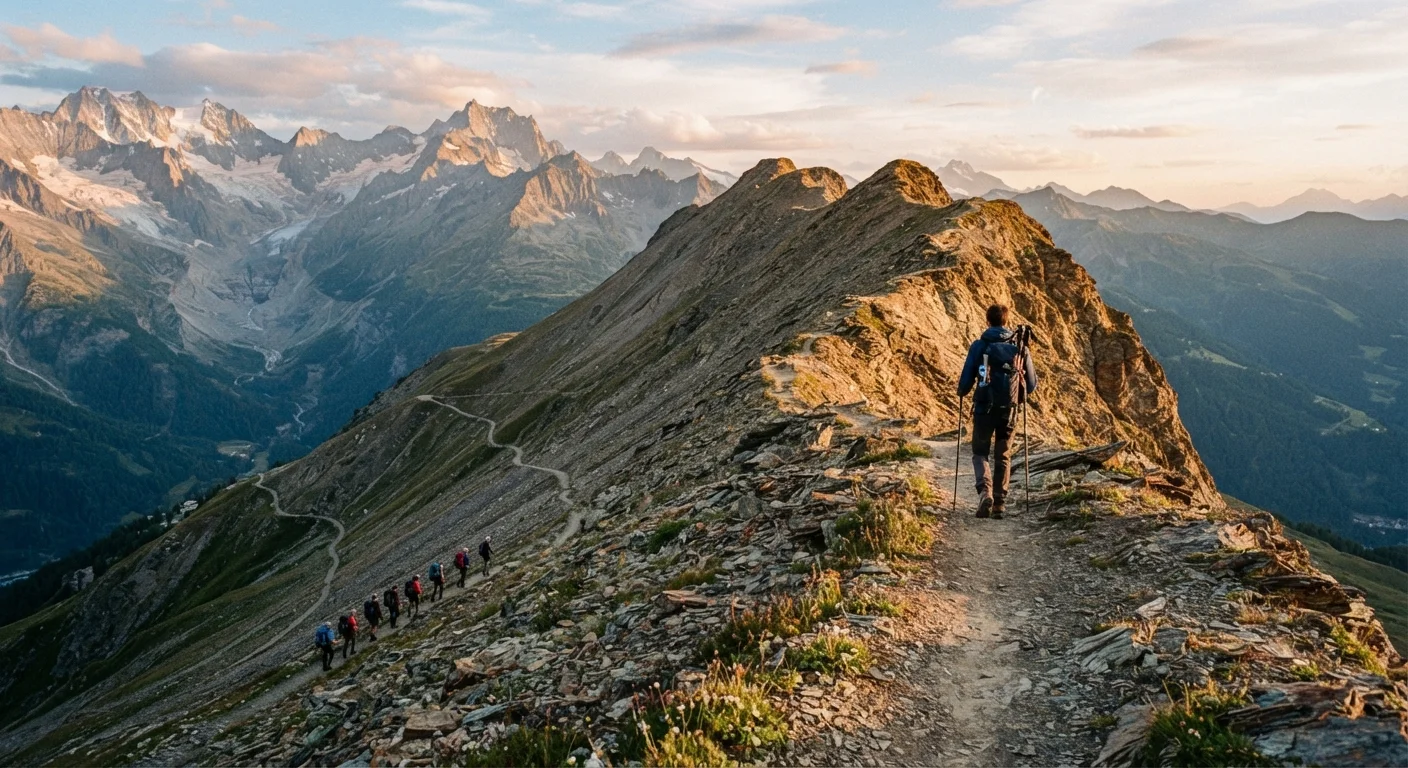
Adventure activities with moderate physical demands and strong logistical support - such as guided hiking, cycling tours, or beginner kayaking. Accessible to most healthy adults without specialized training.
Hard adventure
High-intensity activities requiring specific technical skills, significant fitness, and often specialized equipment - such as mountaineering, backcountry skiing, or multi-week wilderness expeditions.
Acclimatization
The process your body uses to adjust to reduced oxygen levels at high altitudes. Rushing this process increases the risk of altitude sickness, which can range from headaches and fatigue to serious medical emergencies.
Layering system
A clothing strategy using three distinct layers - moisture-wicking base, insulating mid-layer, and weather-resistant shell - that can be added or removed to regulate body temperature across changing conditions.
Operator
A company or individual that organizes and leads guided adventure experiences, typically managing logistics, safety protocols, equipment, and guiding in the field.
Understanding this spectrum matters because it directly shapes how you plan your first trip. Most beginners belong in the soft adventure category, and that's a genuinely exciting place to start - not a consolation prize.
Honest Fitness Expectations
One of the biggest mistakes first-time adventure travelers make is either overestimating or dramatically underestimating the physical demands of their chosen activity. Neither serves you well.
The honest reality: most entry-level adventure trips - guided hikes, cycling tours, beginner whitewater kayaking - require a moderate baseline of cardiovascular fitness and joint stability. If you can walk briskly for 90 minutes without significant discomfort, you're within range of many starter experiences. If you're sedentary, a preparatory conditioning period of two to three months makes a meaningful difference in both safety and enjoyment.
Build Fitness Before You Book
Starting a targeted conditioning routine two to three months before your trip pays dividends far beyond athletic performance - it reduces injury risk, increases your enjoyment of challenging terrain, and builds the mental confidence that hard days on the trail require. Focus on activities that mimic your planned trip: hiking with a loaded pack, cycling hills, or swimming for water-based adventures.
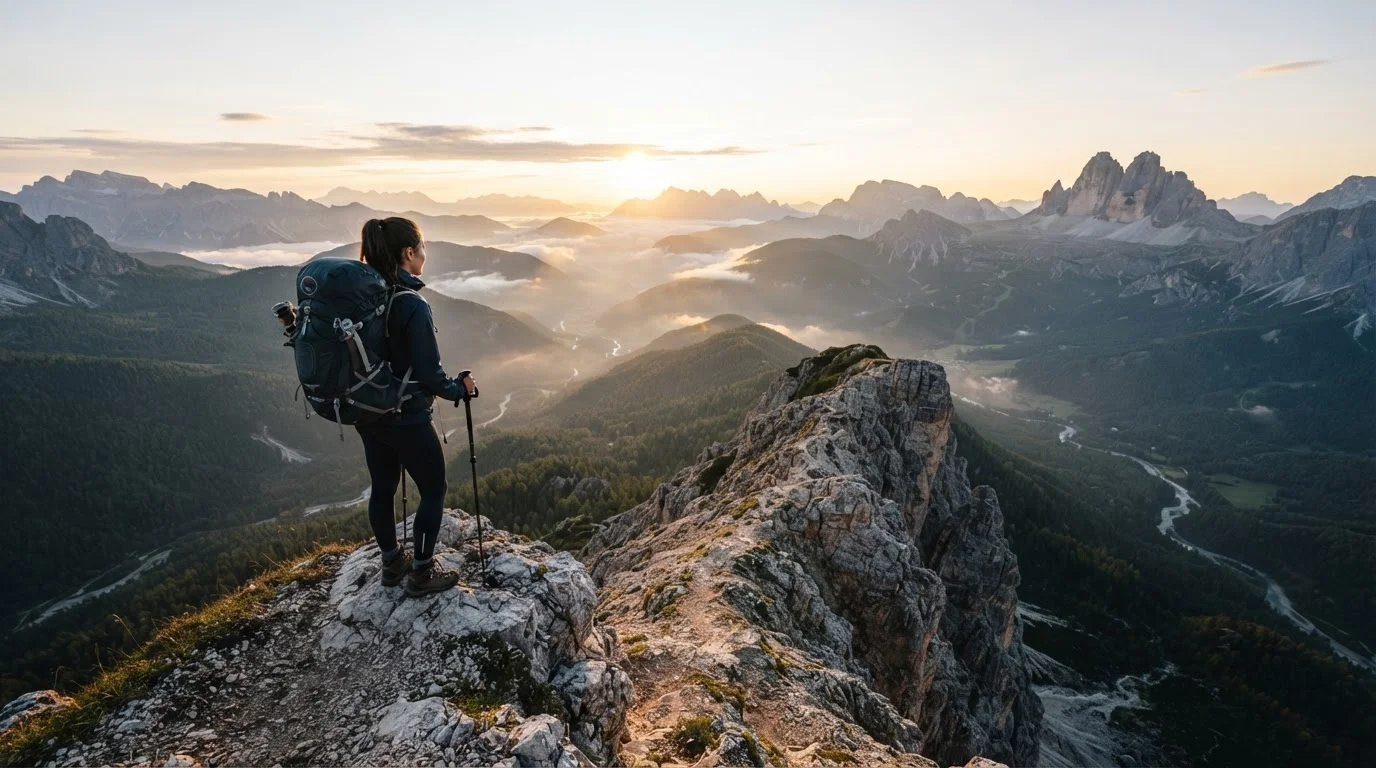
Altitude is a factor many beginners ignore until it affects them. Trekking at elevation - even on moderate trails in destinations like Colorado or Peru - introduces physiological challenges that fitness alone doesn't fully offset. Research acclimatization protocols for any destination above 8,000 feet and allow adequate adjustment time in your itinerary. Always consult a healthcare professional before travel to high-altitude destinations, particularly if you have cardiovascular or respiratory considerations.
Gear Basics: What You Actually Need
Gear culture in adventure travel can become overwhelming quickly. The reality for beginners is simpler than the industry suggests: a small number of well-chosen items matter enormously, and the rest is largely optional.
- Footwear: Properly fitted, broken-in hiking shoes or boots appropriate to your terrain. Blisters are one of the most common trip-derailing problems for beginners - don't use brand-new shoes on your first day out.
- Layering system: Moisture-wicking base layers, an insulating mid-layer, and a wind- and water-resistant shell cover the majority of temperate and mountain environments.
- Pack: A daypack with a capacity of 20-30 liters suits most single-day activities. Multi-day backcountry trips require larger, frame-supported packs - rent before you buy if you're unsure.
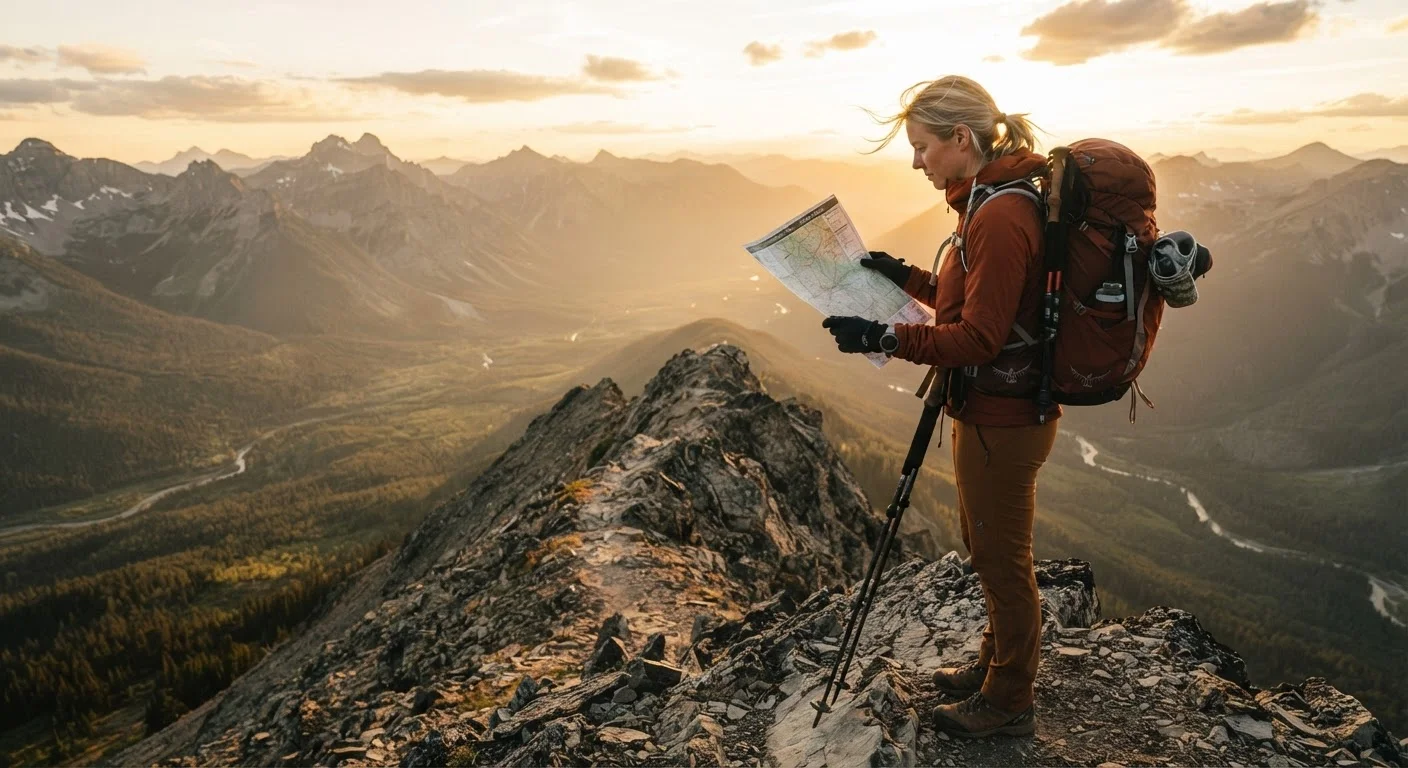
- Navigation: Even with guided trips, understanding how to use a basic trail map and compass - or a downloaded offline GPS map on your phone - builds confidence and safety awareness.
- First aid: A compact personal first-aid kit tailored to your destination. Wilderness first aid courses are worthwhile investments if you're considering more remote travel.
Avoid the temptation to purchase a complete specialist kit before your first trip. Rent, borrow, or start with versatile basics, then invest in specialized gear once you know which activities you'll return to.
Guided vs. Independent: How to Choose
The guided-versus-independent question is one of the most consequential decisions a first-time adventure traveler faces. Our detailed guide on guided vs. independent adventure travel covers the full tradeoffs - but for beginners, the core distinction comes down to risk management and learning curve.
Guided experiences provide safety infrastructure - trained leaders who know the terrain, emergency protocols, equipment management, and often medical training. They also compress the learning curve dramatically: a skilled guide teaches technique, pacing, and environmental awareness in real time. For a first trip into genuinely unfamiliar terrain or activity, this support structure is not a crutch - it's a smart allocation of resources.
Guided Trips Are a Learning Investment
Many experienced adventure travelers return to guided formats even after going independent - particularly when exploring genuinely new terrain, activity types, or high-stakes environments. Choosing a guided trip is not a sign of inexperience; it's a recognition that local expertise, safety systems, and knowledge transfer have real value that compounds over a career of adventurous travel.
Independent adventure travel becomes more viable as you accumulate specific skills: navigation, risk assessment, gear management, and local knowledge. For most beginners, the question isn't whether to go independent, but when - and the answer is after you've built the relevant experience through guided trips or progressive self-directed experiences close to home.
When evaluating guided operators, prioritize verifiable safety credentials, guide certifications relevant to your activity, and transparent communication about physical demands. Ask operators directly what happens when a participant cannot continue - how emergencies are managed tells you a great deal about how seriously they take safety.
Scaling Your Ambitions Safely
The most durable approach to adventure travel is progression. Every experienced adventure traveler has a history of graduated challenges - they didn't begin with Everest base camp or a Class V river. They built capability, confidence, and judgment across many trips at incrementally higher difficulty levels.
A practical framework for scaling up:
- Master your entry level first. Complete two or three trips at a given difficulty before moving higher. Consistency at one level reveals gaps in fitness, skills, or gear before they become problems in more serious terrain.
- Isolate new variables. When you introduce a harder destination, keep other factors familiar - same activity type, similar climate, known gear. Avoid changing multiple challenge dimensions simultaneously.
- Debrief every trip honestly. What was harder than expected? Where did your judgment or preparation fall short? This reflection compounds learning faster than simply accumulating trips.
- Seek formal instruction for technical skills. Rock climbing, whitewater paddling, avalanche terrain travel, and similar disciplines have established instructional pathways. Taking a course before your first technical trip is both safer and more efficient than learning on the job in remote terrain.
Planning the logistics for your progression is a discipline in itself. Using a structured approach to itinerary building - accounting for recovery days, acclimatization, and contingency time - separates travelers who thrive from those who burn out or get hurt.
Adventure travel rewards patience and preparation. The goal is to keep going - and the travelers who sustain this lifestyle over years are almost always the ones who were honest about their starting point and methodical about moving beyond it.
This article is for general informational and educational purposes only. Always consult appropriate medical, safety, and government sources before undertaking adventure travel, particularly regarding physical readiness, destination-specific hazards, visa requirements, and travel advisories.