
Beyond Cost: The Real Differences That Shape Your Experience
Most comparisons between guided and independent adventure travel open and close with price. It's a relevant factor - but it's also the least interesting one. The more consequential differences involve safety architecture, the kind of access you'll have to a destination's culture and terrain, and ultimately, what the journey demands from you personally.
Choosing between guided and independent adventure isn't a value judgment. It's a strategic decision that depends on your experience level, the complexity of your destination, and the nature of the challenge you're genuinely looking for. Solo adventure travel is both harder and more rewarding than it looks - and the same honest accounting applies to guided travel.
| Criterion | Guided Adventure Travel | Independent Adventure Travel |
|---|---|---|
| Safety infrastructure | Built-in protocols and emergency plans | Self-researched and self-managed |
| Cultural access | Local guide facilitates deeper connections | Possible but requires language and time |
| Itinerary flexibility | Fixed group pace and schedule | Full real-time control |
| Logistics burden | Managed by the operator | Entirely on the traveler |
| Ideal experience level | Any level, including beginners | Experienced, self-sufficient travelers |
| Best destination fit | Remote, technical, or complex regions | Moderate terrain with established routes |
Safety Infrastructure: Built-In vs. Self-Constructed
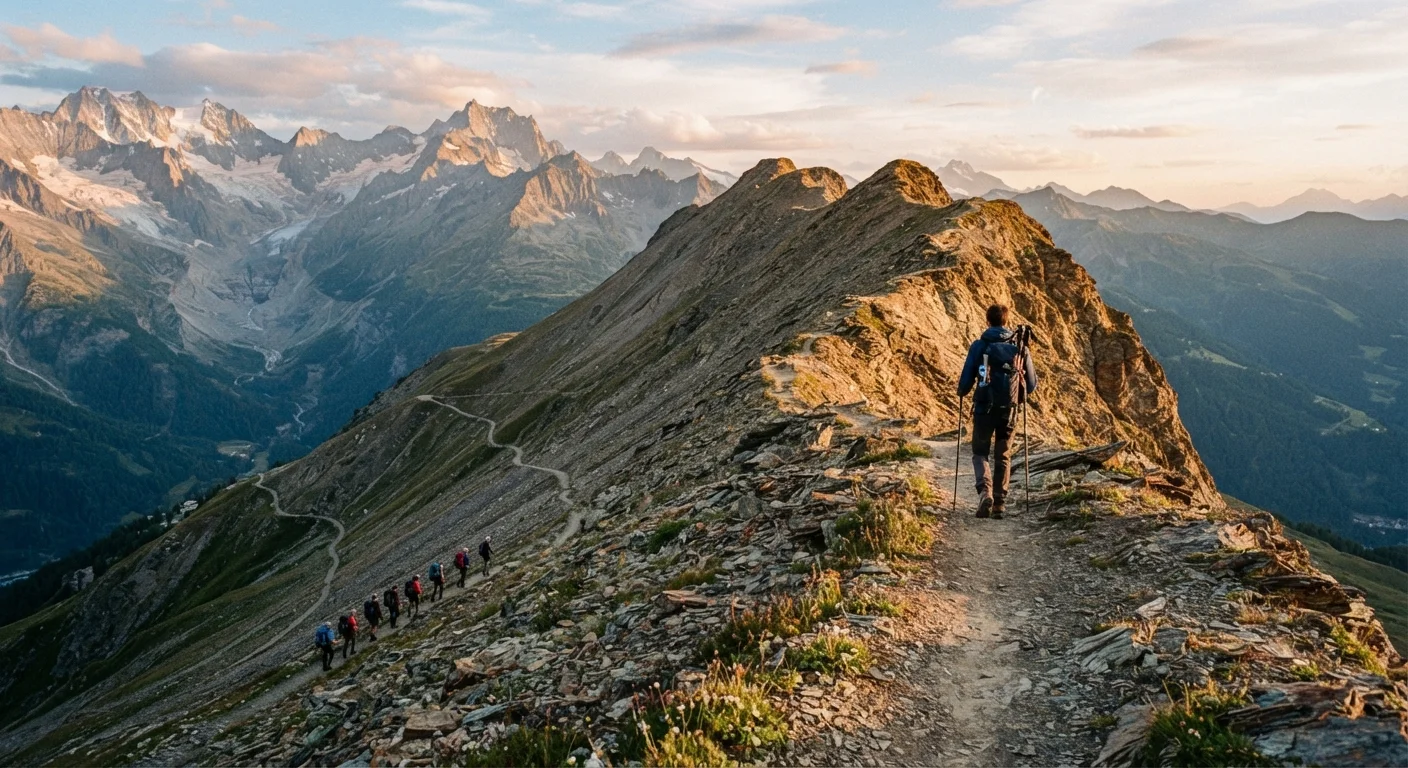
Guided operations don't just provide a leader - they provide a system. Reputable guiding companies build risk management protocols around their routes: pre-trip medical screening, weather monitoring, acclimatization schedules, emergency communication equipment, and evacuation plans. On a guided Himalayan trek or a technical ice-climbing expedition, that infrastructure exists before you arrive.
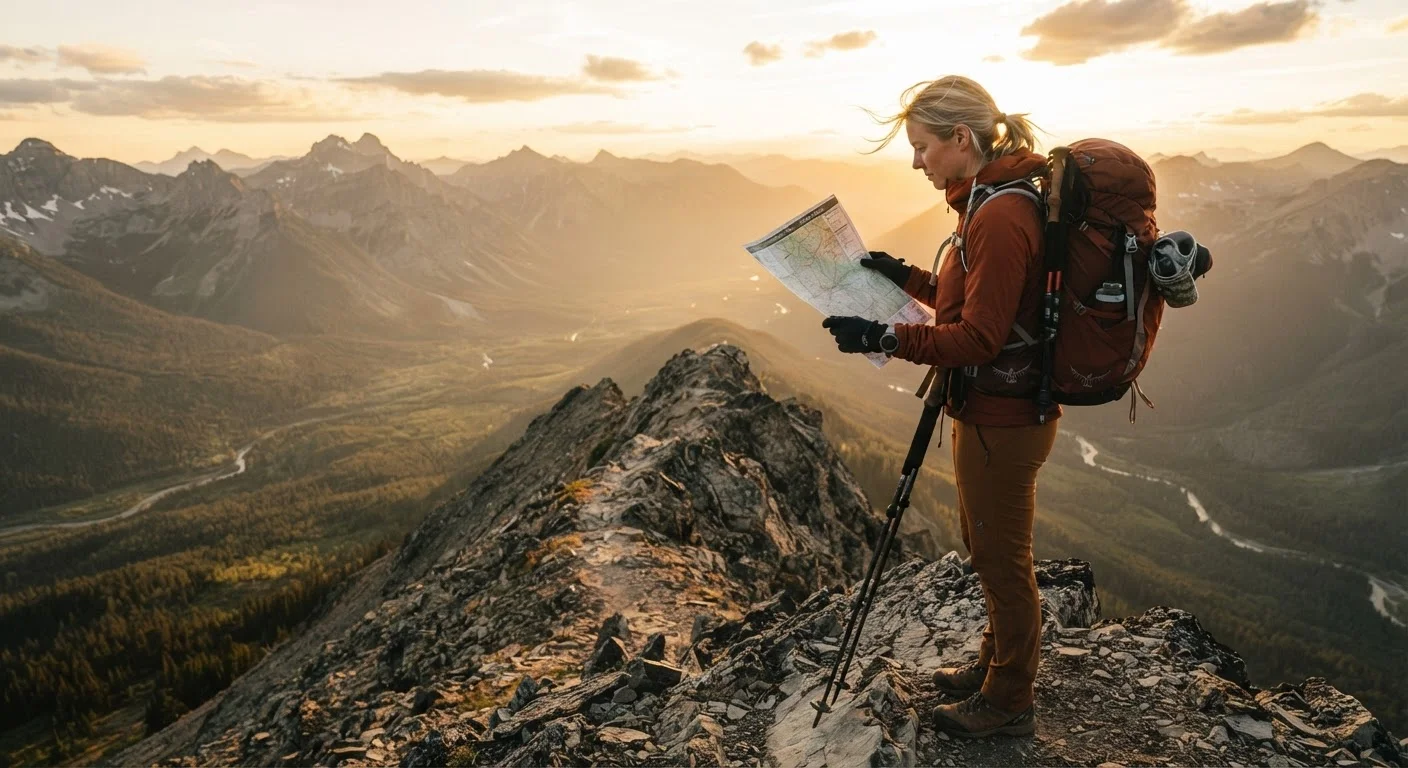
Independent adventurers must construct that same infrastructure themselves. That means researching emergency contacts, renting or purchasing satellite communicators, understanding local rescue services (and their limitations), and making real-time safety calls without a second opinion. Done well, it's entirely achievable - but it requires genuine wilderness competency, not just enthusiasm.
80%+
Wilderness incidents involving unprepared parties
Search and rescue data from multiple national park systems consistently shows the majority of backcountry incidents involve parties without proper navigation tools or emergency communication devices.
2-4x
Longer pre-trip research time for independent adventurers
Travel researchers estimate that independent adventure travelers typically spend two to four times as many hours on pre-trip logistics compared to participants in guided expeditions of similar scope.
For travelers heading into regions with minimal emergency services, this gap is not theoretical. It's the difference between a situation that's managed and one that becomes a crisis. Always verify current entry requirements, permit conditions, and emergency protocols with official government and destination sources before traveling.
Cultural Access and Local Knowledge
One of the most underappreciated advantages of a skilled local guide isn't navigation - it's interpretation. A guide who has deep roots in a region can introduce you to a village elder, explain a ceremony's significance without reducing it to a photo opportunity, or redirect a route because they know a community prefers not to receive visitors that week.
Independent travelers can pursue genuine cultural connection, but it takes more work, more language preparation, and more time than most itineraries allow. The traveler who speaks enough Quechua to negotiate tea with a weaver in the Sacred Valley is rare. That context gap is real, and it shapes the depth of experience significantly. The hidden costs of adventure travel extend beyond gear and permits - the investment in meaningful cultural access is one of them.
Flexibility, Control, and the Weight of Decisions
Independent travel's greatest appeal is also its most demanding feature: every decision belongs to you. You can stay three extra days in Patagonia because the weather finally cleared. You can detour to a trailhead no organized group would schedule. That flexibility is genuinely transformative for experienced travelers who trust their own judgment.
In a guided context, the itinerary moves at the group's collective pace. Departure times are fixed, rest days are scheduled, and the route is rarely altered for individual preference. For some travelers, that structure is a relief - for others, it's the entire friction point. Solo itineraries and group itineraries require fundamentally different approaches - and adventure travel amplifies every one of those differences.
The honest question to ask yourself: do you want the freedom to make every call, or the relief of having most calls made competently on your behalf? Both are legitimate answers. The experience you'll have depends less on which option costs more and far more on which one matches who you actually are as a traveler.
This article is for general informational purposes only. Safety conditions, permit requirements, and emergency infrastructure vary significantly by destination and change over time. Always consult official government travel advisories and qualified local experts before undertaking adventure travel.