
Why Spectating Isn't Enough
Most travelers attend festivals the same way they visit museums - moving through the experience behind an invisible pane of glass, camera raised, impression formed. The sights register. The sounds stick. But the connection that makes a festival genuinely transformative rarely happens at a distance.
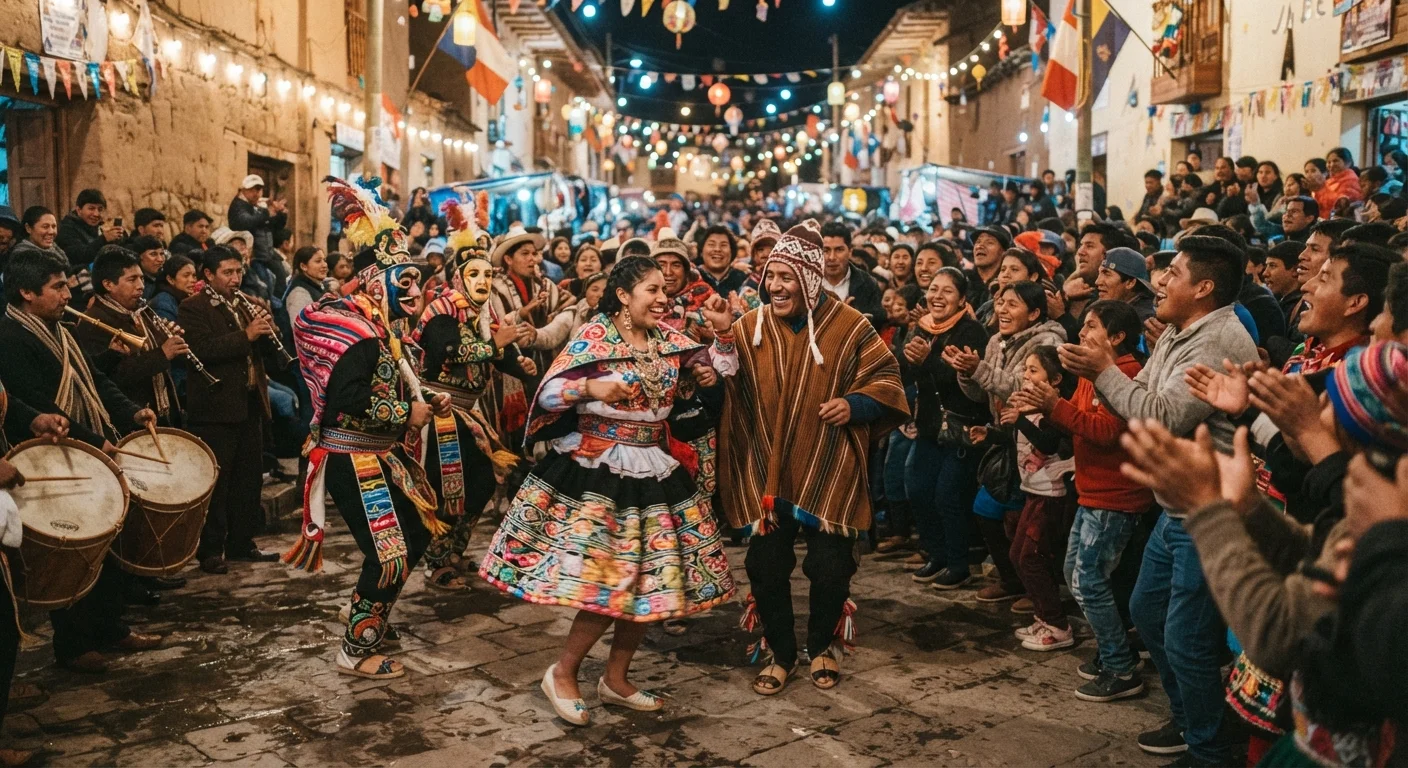
Local festivals - whether a harvest celebration in rural Japan, a patron saint's day in a Peruvian village, or a fire-walking ritual in Tamil Nadu - exist for the community first. Visitors are guests. The difference between a guest who enriches a gathering and one who quietly extracts from it comes down to preparation, posture, and intention.
For seasoned travelers already comfortable moving through popular destinations, the next level of engagement isn't finding a more obscure festival - it's participating more honestly in the ones they attend. See our guide to meaningful cultural travel for broader context on shifting from tourist to genuine participant.
What you will need
Before You Arrive: The Work That Matters Most
Authentic participation begins weeks before the festival itself. Understanding what a celebration commemorates - its religious roots, historical moment, or communal function - changes how you carry yourself within it. This isn't about becoming an academic; it's about arriving with enough context to be genuinely curious rather than superficially entertained.
Food is often the most accessible entry point. Festival cuisine is rarely incidental - dishes carry memory, ceremony, and identity. Eating your way into a culture's identity at a festival means knowing what you're eating and why it matters, not just what it tastes like.
Language preparation pays compounding dividends. You don't need fluency - you need sincerity. Even a handful of local phrases signals respect and frequently opens doors that English alone cannot. Learn to greet people correctly, express gratitude, and ask permission.
Arrive Early, Stay Late
The most unguarded and genuine moments at any festival happen before the main program begins and after the crowds thin. Setup, teardown, and the informal hours between scheduled events are when real conversations happen. If your itinerary allows, treat the margins of the festival as seriously as the main event.
Step-by-Step: How to Participate Meaningfully
The following steps are designed to move you from observer to engaged participant - without overstepping, appropriating, or inadvertently causing harm. Adapt them to your specific destination, and always defer to local guidance over general principles.
Contact organizers or local liaisons in advance
Reach out to festival organizers, local cultural associations, or community tourism offices before you arrive. Explain your genuine interest and ask whether volunteer roles, workshop participation, or guided community access are available. Many festivals welcome engaged visitors - but only if you ask through the right channels.
Observe first, participate second
When you arrive, spend your first hour watching rather than joining. Notice how locals move, what they wear, where they stand, and when silence or stillness is expected. This isn't passivity - it's the most efficient form of orientation available. You'll participate far more naturally once you've absorbed the rhythm of the event.
Ask before photographing people
Make direct, respectful eye contact and gesture to your camera before raising it. In many cultures, photographing someone without consent - especially during religious or ceremonial moments - is considered deeply disrespectful. A simple nod of permission, or better yet a few words in the local language, transforms the dynamic entirely.
Volunteer for a task, however small
Even minor contributions - helping set up stalls, carrying supplies, distributing food - shift your role from audience to participant. Festival volunteers frequently gain access to preparation areas, backstage moments, and conversations with organizers that general visitors never experience. This is often where the most authentic connection happens.
Spend money in ways that support the community directly
Purchase food, crafts, and services from local vendors rather than international concession operators. Ask who made something before you buy it. When artisans or performers explain their work, listen fully - this exchange is part of the festival's economy, and your attention is as valuable as your purchase.
Participation Is a Privilege, Not a Right
Some aspects of a festival - certain rituals, sacred spaces, or ceremonial roles - are not open to outsiders, regardless of your interest or enthusiasm. Respect these boundaries without negotiating around them. If you're unsure whether something is open to visitors, ask a local organizer rather than assuming inclusion. Uninvited participation in restricted elements can cause genuine harm to the community and to the integrity of the tradition.
After the Festival: Carrying the Experience Forward
Meaningful participation doesn't end when the celebration does. How you process and share the experience matters. Posting dozens of images without context reduces a community's living tradition to aesthetic content. Consider writing reflectively about what you witnessed and learned, foregrounding the community's perspective rather than your own presence within it.
If the festival inspired you to learn more - about the region, its people, or its history - follow that thread. Consider whether your visit contributed anything to the local economy or community beyond your entrance fee. Treating any destination as more than a novelty is an ongoing practice, not a single decision.
For travelers who want to structure their entire trip around a festival, anchoring your itinerary around a central experience is a practical approach that gives the journey coherence and purpose rather than treating the festival as one stop among many.