

What Each Format Actually Offers
The terms homestay and guesthouse are sometimes used interchangeably in travel circles, but they represent meaningfully different relationships between traveler and host. Understanding that distinction is the first step toward choosing the experience that matches your goals.
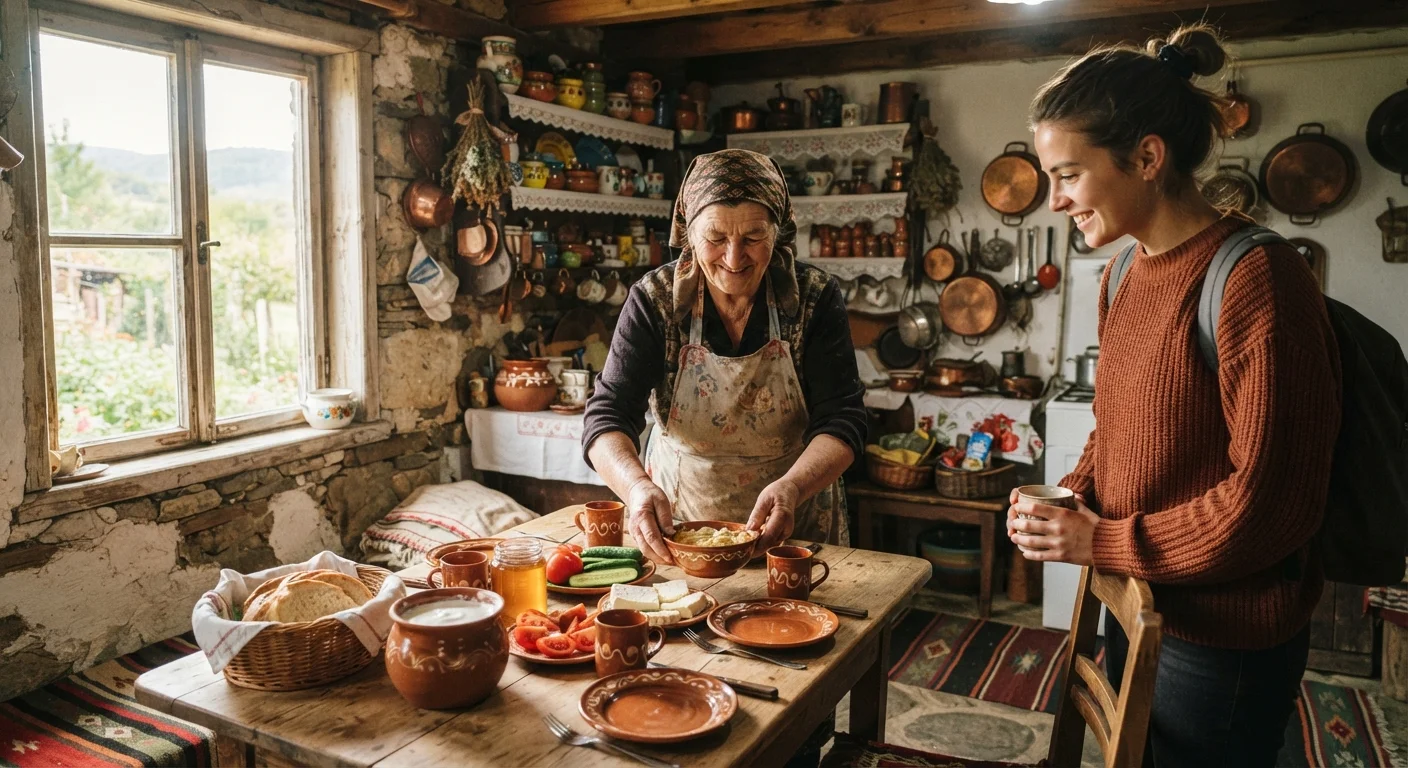
In a true homestay, you live as a member of a household. You eat meals prepared by your host family, observe - and often participate in - daily domestic routines, and interact across the full texture of private life. The arrangement is intimate by design. Families typically open their homes with genuine hospitality or educational intent, not primarily as a commercial transaction.
A guesthouse occupies different territory. Usually a family-run property with several rooms for paying guests, it sits closer to a small inn than a private home. The owner is present and often eager to share local knowledge, but your room is yours, breakfast may or may not be included, and the social contract is closer to that of a hotel than a household. For a broader look at how these formats compare to other distinctive options, see our guide to distinctive stay formats around the world.
| Criterion | Homestays | Guesthouses |
|---|---|---|
| Living arrangement | Inside a family's private home | Dedicated guest rooms in owner-run property |
| Cultural immersion depth | High - daily household integration | Moderate - local flavor, guest independence |
| Privacy | Limited - shared family spaces typical | Greater - private room standard |
| Meals | Often included; family-cooked | Varies; breakfast sometimes offered |
| Social obligation | Higher - household rhythms shared | Lower - engagement at traveler's discretion |
| Language practice opportunity | Extensive and organic | Present but limited to host interactions |
| Best stay length | Multiple nights to weeks | Flexible - one night to extended |
| Comfort predictability | Variable; highly host-dependent | Variable; slightly more standardized |
The Depth of Cultural Connection - and Its Limits
Homestays can deliver something genuinely rare: access to the private register of a culture. Sharing a kitchen, attending a family celebration, or helping prepare a traditional dish creates memories and understanding that no guided tour replicates. Language learners in particular benefit enormously - immersion in real household conversation accelerates acquisition in ways classroom study cannot match.
But depth comes with obligations. House rules, meal schedules, and family dynamics are not optional extras - they are part of the arrangement. Travelers who need solitude to recharge, or who keep irregular hours, may find the social density of a homestay genuinely taxing rather than enriching.
74%
Travelers valuing local cultural connection
A Booking.com Sustainable Travel Report found nearly three-quarters of global travelers want their trips to support and reflect authentic local culture.
2-3 weeks
Typical effective homestay duration
Language-learning programs commonly recommend a minimum of two to three weeks in a homestay for meaningful cultural and linguistic integration.
Guesthouses, by contrast, offer what might be called curated proximity to local life. The owner-host dynamic is warmer and more personal than a chain hotel, and recommendations for neighborhood restaurants, markets, and events tend to be specific and trustworthy. But when you close your room door, the cultural exchange largely pauses.
It is also worth noting that authenticity is not automatic in either format. A commercially optimized homestay can feel performative; a guesthouse run by a genuinely curious and generous owner can create surprising moments of real connection. Separating genuine character from aesthetic performance applies here just as it does in boutique hotels.
Practical Considerations Before You Choose
Beyond cultural depth, several practical factors should shape your decision.
- Privacy and personal space: Guesthouses almost always offer more of both. If you share living areas in a homestay, expect a genuine adjustment period.
- Dietary needs and meal flexibility: Homestays often include meals, which can be a highlight - or a friction point if your dietary restrictions are complex. Communicate clearly in advance.
- Accessibility: Standards vary enormously. Neither format is reliably accessible for travelers with mobility limitations; verify specifics with each individual host.
- Safety and vetting: Use established platforms or programs that screen both hosts and travelers. Read recent, detailed reviews rather than aggregate scores alone.
- Length of stay: Homestays tend to reward longer visits, where trust and routine develop naturally. A single night in a homestay rarely unlocks the full value of the format.
For a fuller breakdown of the trade-offs across accommodation categories - including how guesthouses compare to budget hotels and apartment rentals - see accommodation trade-offs every budget-conscious traveler should understand. If you are also weighing more polished independent properties, our comparison of boutique hotels vs. international chains covers that spectrum in depth.
A Note on Vetting and Safety
Homestay and guesthouse standards are not regulated uniformly across countries. Before booking, confirm that the listing platform or program conducts host background checks and has a clear dispute process. For solo travelers and first-timers especially, structured programs affiliated with educational or cultural organizations tend to offer stronger accountability than informal listings. Always check current travel advisories and entry requirements through your government's official travel portal before finalizing any stay.