
The Core Distinction: Philosophy, Not Just Size
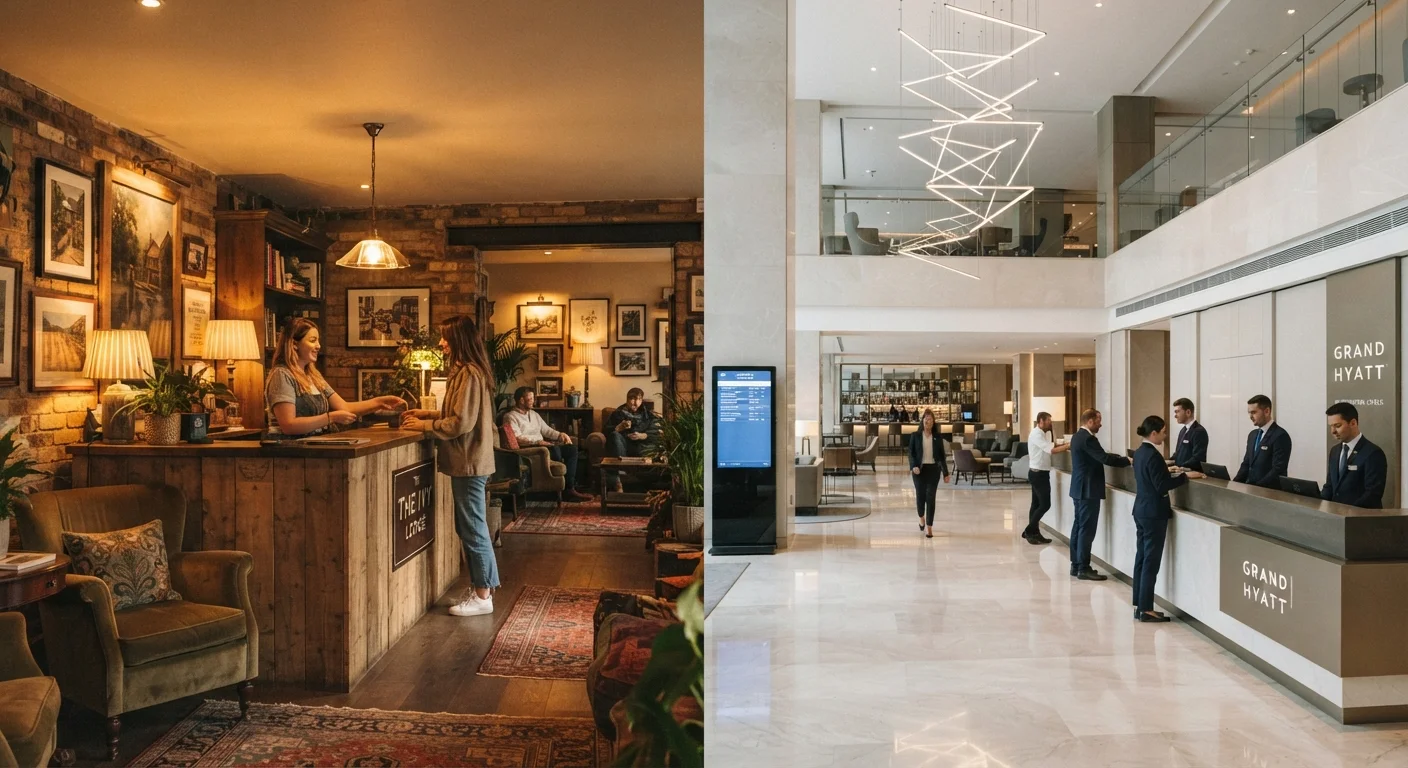
The most common misconception about this comparison is that it's primarily about scale. In practice, the meaningful difference lies in operating philosophy. International chains - whether mid-range or luxury tier - are engineered around repeatability. The goal is that a guest in Dallas and a guest in Dubai encounter a recognizably similar product. Boutique properties, by contrast, derive their value proposition from distinctiveness: a specific point of view about design, place, or service culture that cannot be replicated across hundreds of locations.
This isn't simply a matter of size thresholds. Some boutique-branded properties have grown into small collections while preserving their ethos; some independent hotels of 200 rooms still deliver the attentiveness associated with smaller operations. What actually separates the two experiences - in ways travelers feel on the ground - comes down to four domains: service model, design coherence, food and beverage programming, and the mechanics of loyalty and trust.
For travelers exploring either format in depth, our Boutique & Unique Stays hub and Luxury & Resort Stays hub offer curated starting points.
Service Model: Personalization vs. Systematized Care
Chain hotels invest heavily in service consistency through standardized training protocols, scripted interactions, and technology systems that track guest preferences across properties. When it works well, this means a front desk agent can greet a returning guest by name, note their pillow preference, and route their luggage without prompting. The infrastructure is real and, for frequent travelers, genuinely valuable.
Boutique properties can't replicate that infrastructure, but the best ones compensate with direct human attentiveness. A small property with a tight-knit staff often knows regulars not through a CRM system but through actual relationship memory. The tradeoff is that this experience is highly staff-dependent - an exceptional general manager or front-of-house team can make a boutique stay genuinely memorable, while turnover or an off day can remove that quality entirely.
Read the Staff Story Before Booking
When evaluating a boutique property, look beyond room photography and check whether reviews consistently mention specific staff members by name - a reliable signal that the human element is genuinely strong rather than incidental. For chain properties, status holders should confirm which specific benefits apply at a given property, as participation in upgrade and amenity programs varies by individual hotel.
For travelers new to smaller independent properties, what to expect at a boutique hotel and how to work effectively with small-staff properties are worth reviewing before arrival.
Design and Atmosphere: Identity vs. Coherence
Chain hotels operate in a visual language calibrated for broad appeal. Soft goods, color palettes, artwork, and layout follow brand guidelines refined through guest research. The result is spaces that feel considered but rarely surprising - which is exactly the point. For many travelers, the absence of design risk is reassuring.
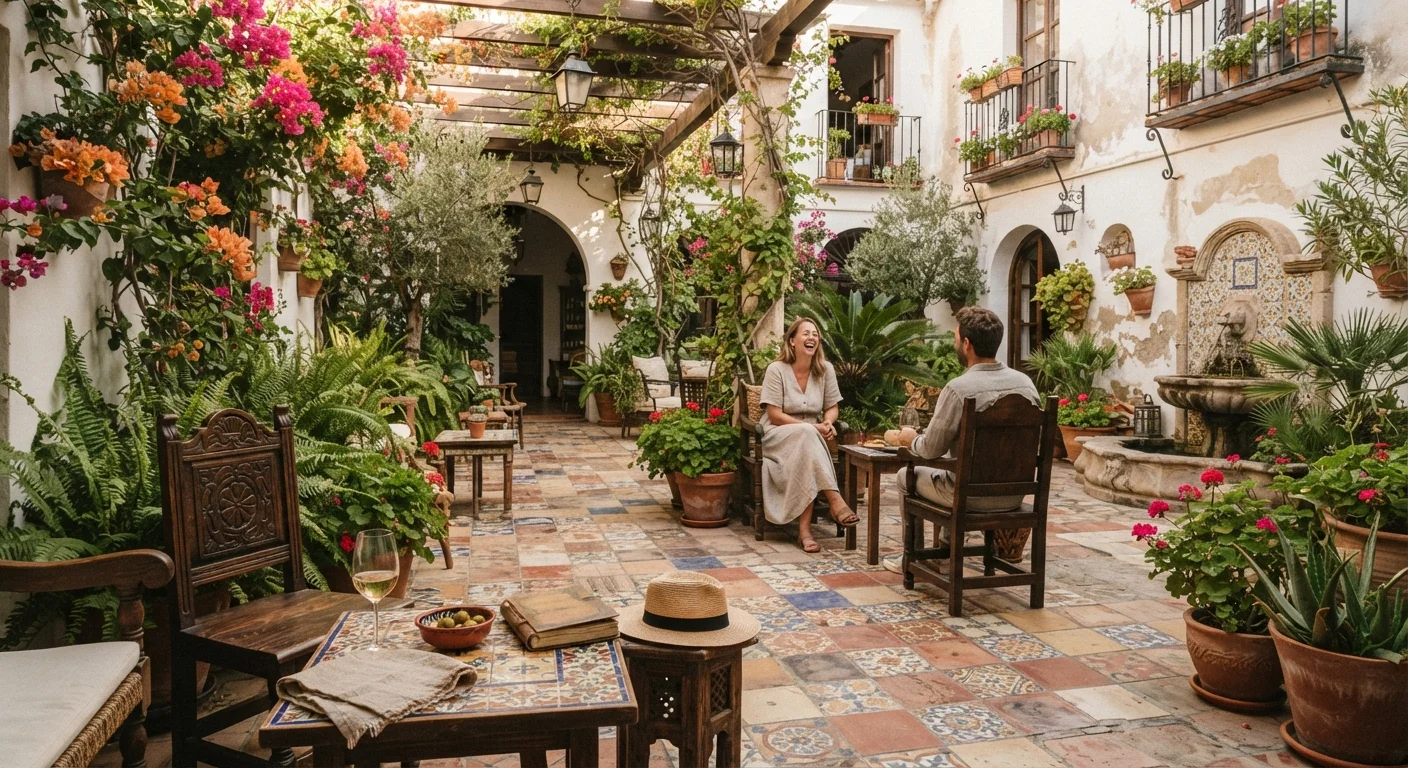
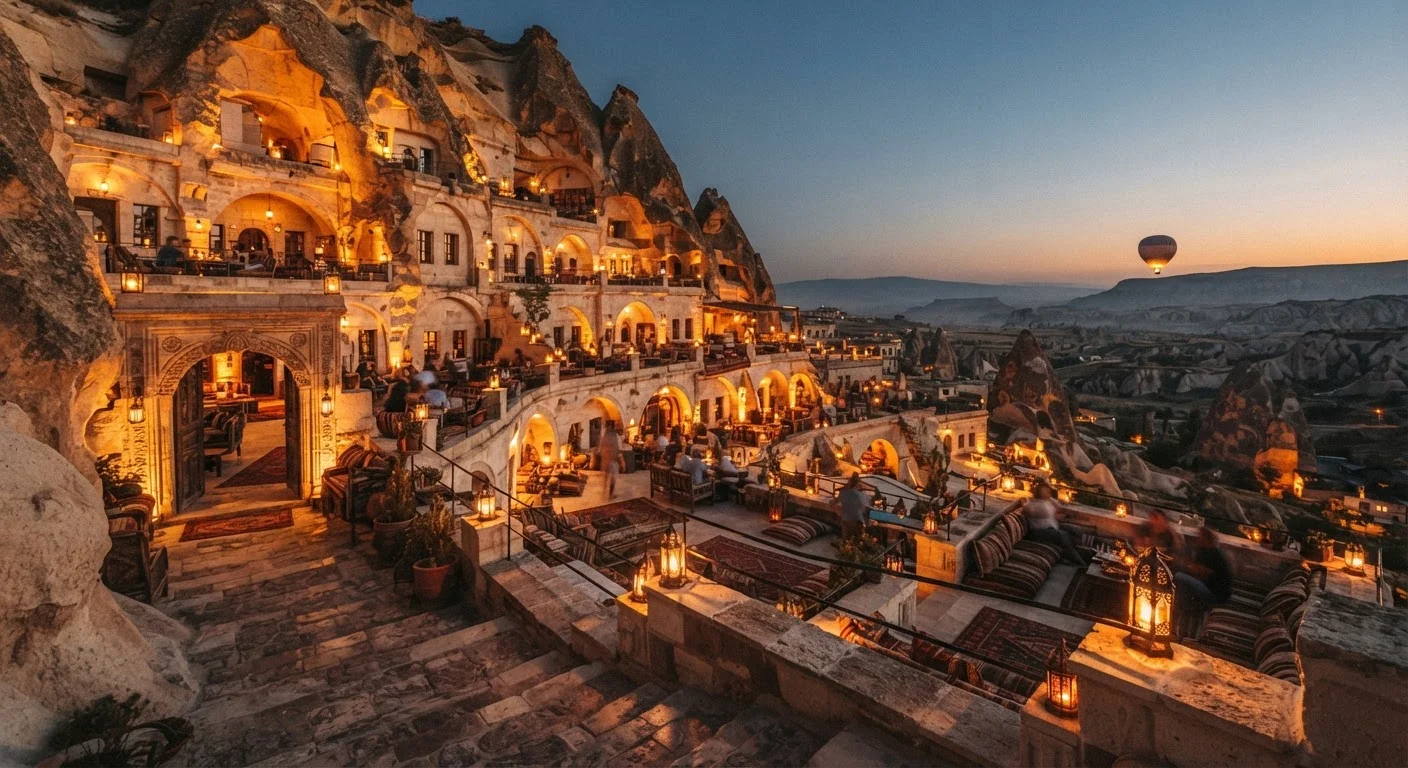
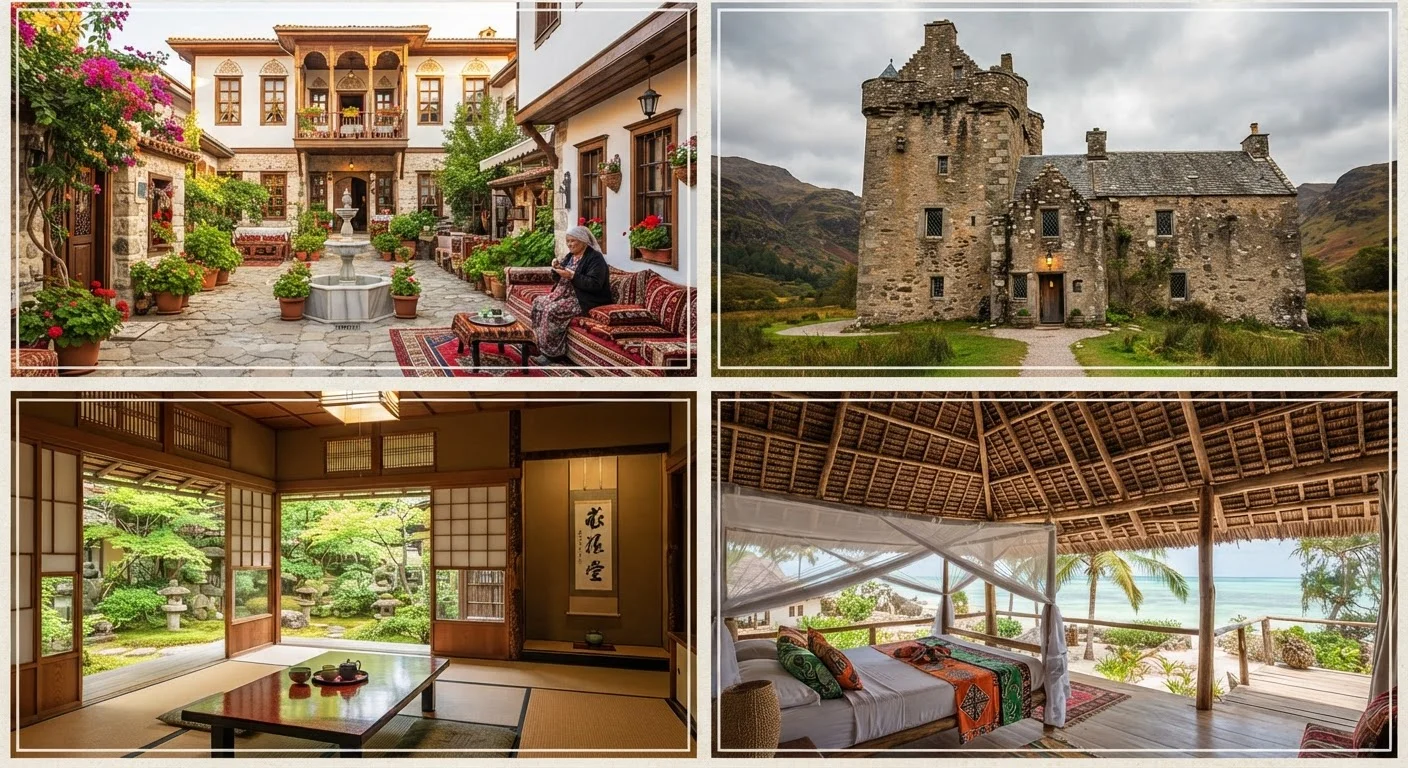
Boutique hotels live or die by the integrity of their aesthetic. At their strongest, they embed genuine local or cultural perspective into the physical environment - materials sourced from the region, art commissioned from local makers, architecture that reflects the building's history. At their weakest, they substitute visual styling for substance, producing what amounts to a designed set rather than a considered place. Distinguishing genuine character from aesthetic performance is a skill worth developing before committing to a stay.
| Boutique Hotels | International Chains | |
|---|---|---|
| Service consistency | Variable; staff-dependent | High; protocol-driven |
| Design character | Distinctive, often place-specific | Brand-standardized, broadly appealing |
| Loyalty program value | Limited or none | Strong for frequent travelers |
| Local knowledge and guidance | Often deep and genuine | Concierge-list level, varies |
| Facility depth (gym, spa, F&B) | Varies widely by property | Predictable and comprehensive |
| Room-to-room predictability | Low; each room may differ | High; room categories are standardized |
| Atmosphere and sense of place | Strong when done well | Neutral to location-agnostic |
For travelers specifically weighing luxury positioning across these two models, boutique luxury vs. chain luxury explores the distinction in more detail.
Loyalty Programs and Practical Value
This is the domain where international chains hold a structural advantage that is difficult to argue around. Major hotel loyalty programs offer point accumulation across thousands of properties, status tiers that unlock room upgrades and late checkout, and redemption options that can translate into meaningful free nights over time. For travelers who stay frequently and consistently within one brand family, these programs represent genuine, quantifiable value.
Independent boutique hotels generally cannot match this - though some participate in soft-brand collections or boutique loyalty networks that provide partial equivalent benefits. The practical implication is that a traveler who stays 40 nights a year stands to lose tangible rewards by distributing those stays across independent properties. A traveler who takes four leisure trips annually may find that loyalty calculus less compelling than simply staying somewhere they genuinely enjoy.
~50%
Hotel guests citing loyalty perks as booking factor
Industry research consistently finds roughly half of frequent travelers cite loyalty program benefits as a significant factor when selecting a hotel brand.
< 50 rooms
Typical boutique hotel room count
Most independently operated boutique properties maintain under 50 guest rooms, which directly shapes the staff-to-guest ratio and service culture.
The honest framing is that loyalty program value is real but not universal. It rewards pattern and volume, which describes some travelers but not all.
When the Choice Is Genuinely Consequential
For most leisure travel, the format question is largely a matter of preference. But there are contexts where it has real practical weight. Travelers visiting a destination for the first time, particularly in a city they don't know well, often find that boutique properties staffed by genuinely knowledgeable locals provide better orientation than a chain concierge working from a standardized list. Conversely, travelers arriving late after a long-haul flight who need seamless check-in, a reliable fitness center, and early-morning room service may find chain execution more dependable.
Group travel - family reunions, corporate offsites, wedding blocks - tends to favor chains for their room inventory depth and standardized meeting or event infrastructure. Solo or couple travel focused on immersion in a specific place often benefits from the intimacy a well-run boutique provides. The question worth asking before booking is not which category is generally better, but which type of experience the trip actually calls for.
Travelers curious about how these principles extend to specialized stay formats should also explore distinctive regional accommodation traditions and heritage properties vs. new-build boutiques, both of which push the boutique format further.