
The 'Boutique' Label Doesn't Guarantee What You Think
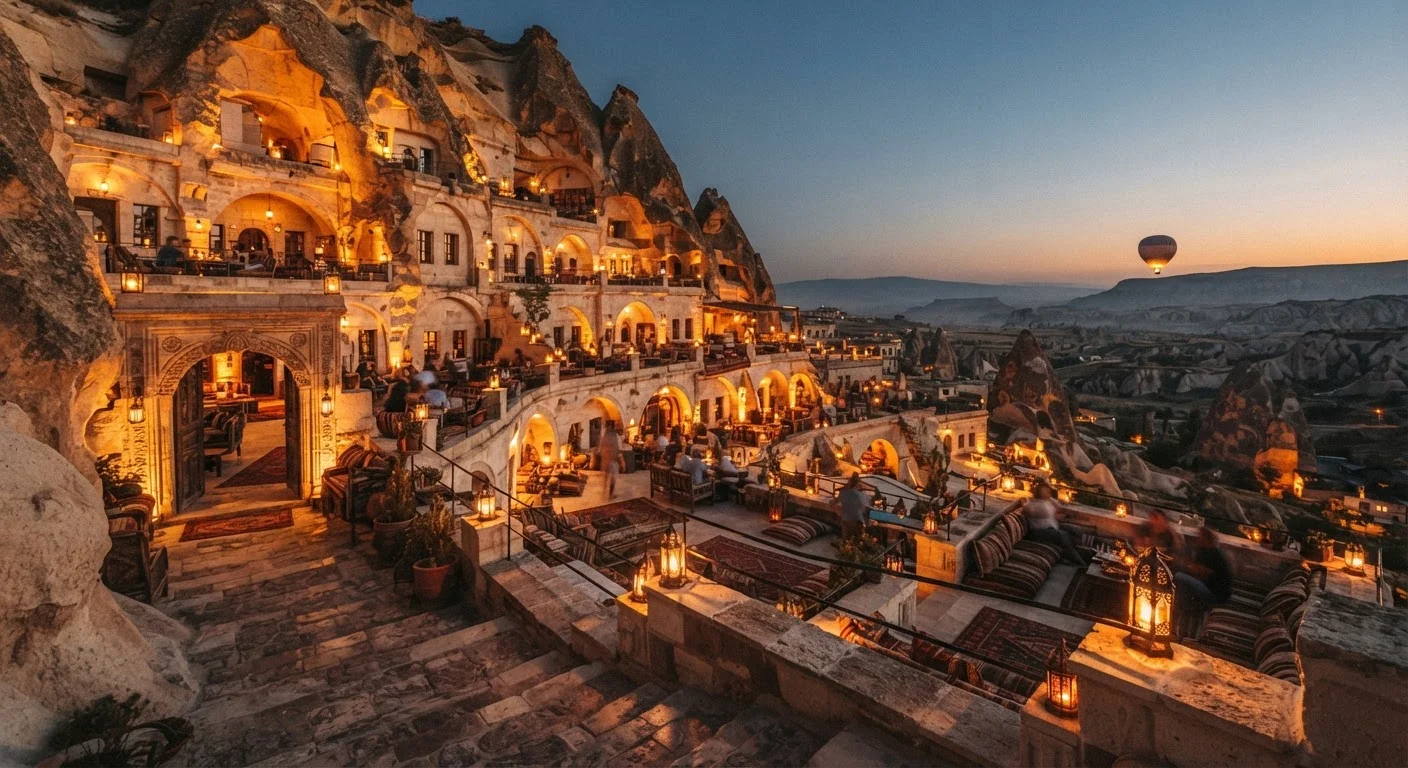
The word boutique has become one of hospitality's most elastic terms. Originally it signified a small, independently owned property with a distinctive personality - somewhere the owner's taste, relationships, and local knowledge were embedded in every detail. Today it functions largely as a marketing modifier, applied to everything from chain-owned lifestyle hotels to purpose-built Instagram backdrops with interchangeable maximalist interiors.
For frequent travelers seeking genuine off-the-beaten-path character, that drift creates a real navigation problem. Understanding where the myths about boutique stays diverge from reality is the first step toward choosing properties that actually deliver. For a broader look at how to read between the lines when researching smaller properties, see our guide on how traveler reviews can mislead you about boutique properties.
Myth
If a hotel is small and independently branded, it's inherently authentic and locally rooted.
Fact
Small scale and independent branding are necessary but not sufficient conditions for genuine local character.
Many small hotels are owned by hospitality investment groups that operate dozens of 'independent' properties under different names. The boutique aesthetic - curated art, locally inspired menus, bespoke toiletries - can be replicated by a design consultancy with no connection to the destination. What matters is whether the ownership, staffing, and supplier relationships are genuinely embedded in the local community, not whether the property has fewer than 50 rooms.
Myth
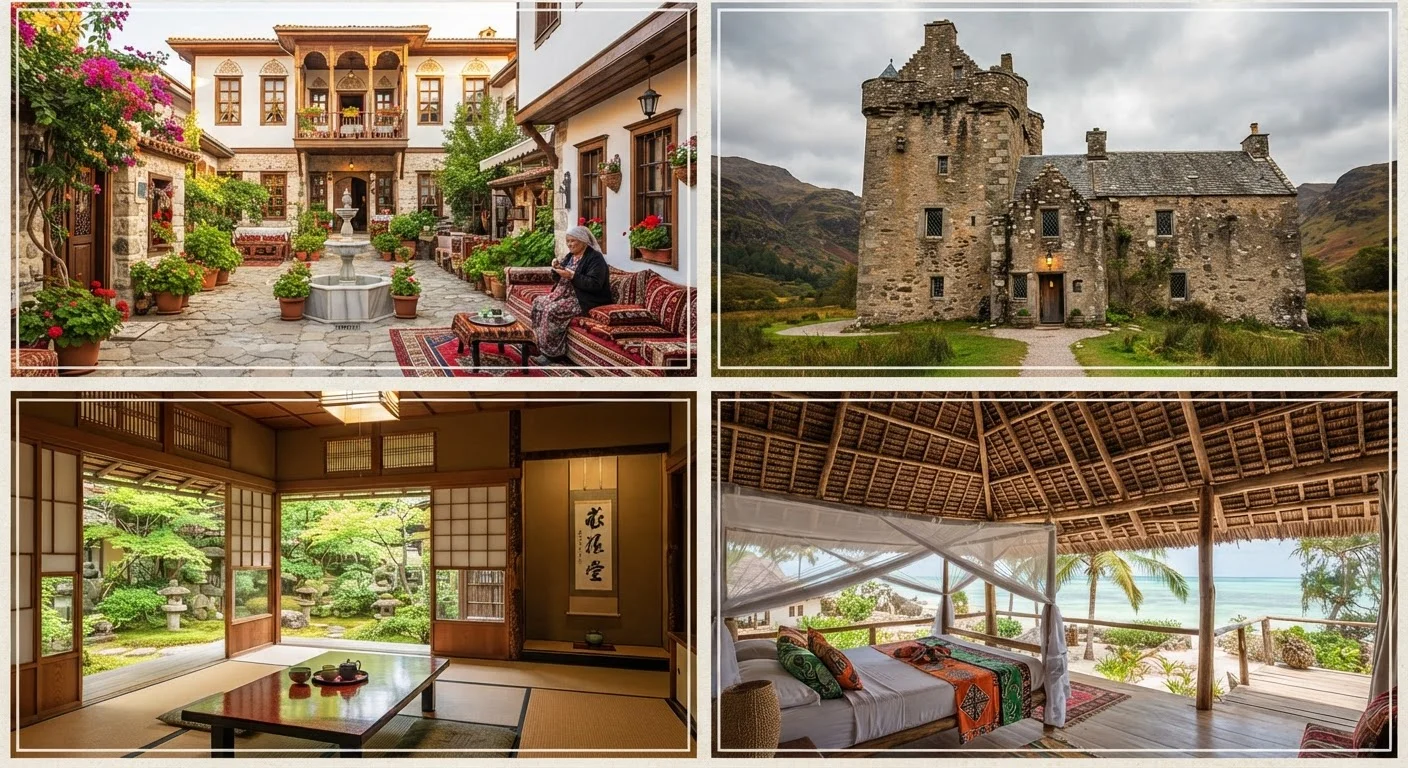
Locally inspired décor - regional textiles, indigenous art, vernacular architecture - means the hotel is authentically local.
Fact
Visual local references are among the easiest elements to import wholesale, and frequently are.
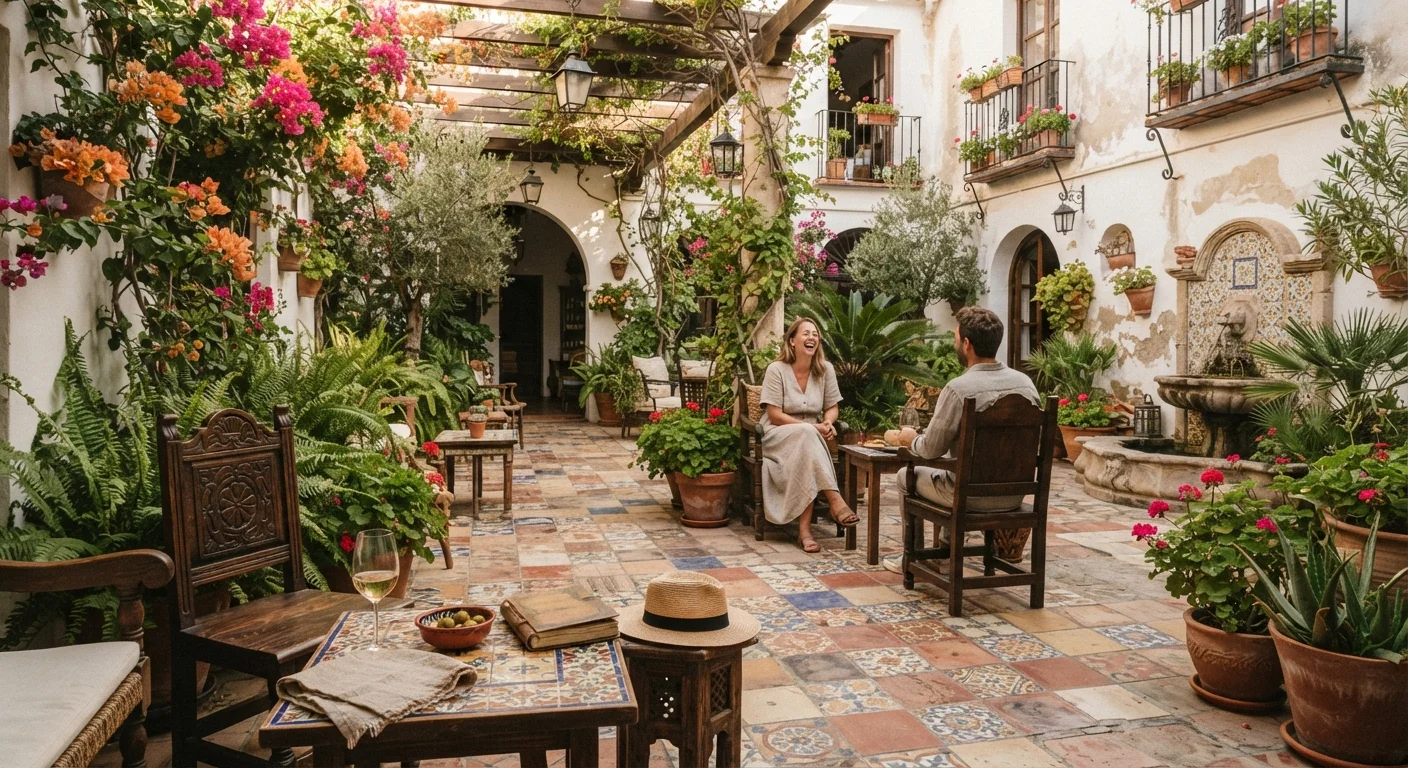
A hotel can fill its lobby with artisan ceramics sourced from a single wholesale supplier in a distant city and still call its aesthetic 'locally inspired.' Genuine material authenticity typically shows in provenance: who made the pieces, whether there's a direct relationship with those makers, and whether that relationship benefits the local creative economy. Surface-level regional theming without underlying community connection is what critics sometimes call aesthetic colonialism - borrowing the look of a place without meaningful engagement with it. See also: when 'authentic' isn't what it seems.
Myth
A higher price point signals a more meaningful, locally grounded experience.
Fact
Premium pricing at boutique hotels often reflects design investment, scarcity, and brand positioning - not community rootedness.
Some of the most genuinely local stays are modestly priced family-run guesthouses; some of the most expensive boutique properties are owned by international lifestyle hotel groups. Price tells you something about the cost structure and market positioning of a property, but it is a poor proxy for authenticity. Travelers paying a significant premium for a 'local' experience should look past the rate card and into ownership history, staff backgrounds, and food sourcing practices.
Myth
Boutique hotels always offer more personalized service than chain properties.
Fact
Service personalization depends on staffing culture and investment, not property size or category.
A well-resourced international chain with sophisticated guest-preference systems can deliver highly personalized service, while an under-staffed boutique property with high turnover may offer far less. The boutique advantage in service is potential, not guarantee: when ownership is present and staff are long-tenured and locally connected, the quality of human interaction can be extraordinary. But that outcome requires deliberate investment in people, which not every boutique operator prioritizes. For a balanced comparison of what the stay experience actually looks like across both categories, see boutique hotels vs. international chains.
Myth
A boutique hotel that tells a strong origin story on its website is almost certainly the genuine article.
Fact
Origin stories are marketing assets and should be verified, not taken at face value.
A compelling narrative about a restored 19th-century building, a founding family, or a commitment to local artisans costs nothing to write and is often crafted by a copywriter with no firsthand knowledge of the property. Experienced travelers learn to cross-reference website claims: look for the property in local press coverage, check whether staff in guest reviews are named and appear long-serving, and investigate whether the ownership entity has other hospitality holdings that tell a different story about the 'independent' label.
What Genuine Local Character Actually Looks Like
Authenticity in hospitality isn't a design category - it's a relational one. Properties with genuine local roots tend to share several observable traits: staff who grew up in the region or have long tenure at the property, food and beverage programs sourced through real supplier relationships rather than a broadline distributor, and ownership that is present, either literally or through clearly felt decision-making.
~40%
of 'boutique' hotels owned by groups operating multiple properties
Industry analysts at various hospitality consultancies have noted that a substantial share of self-described boutique hotels are operated under group ownership structures, with estimates commonly cited in the range of 35-45% depending on market.
3x
Greater guest satisfaction linked to long-tenured local staff
Hospitality research consistently finds that staff familiarity with the local area and longer average tenure are among the strongest predictors of guest satisfaction at independent properties, often cited at multiples above industry baseline.
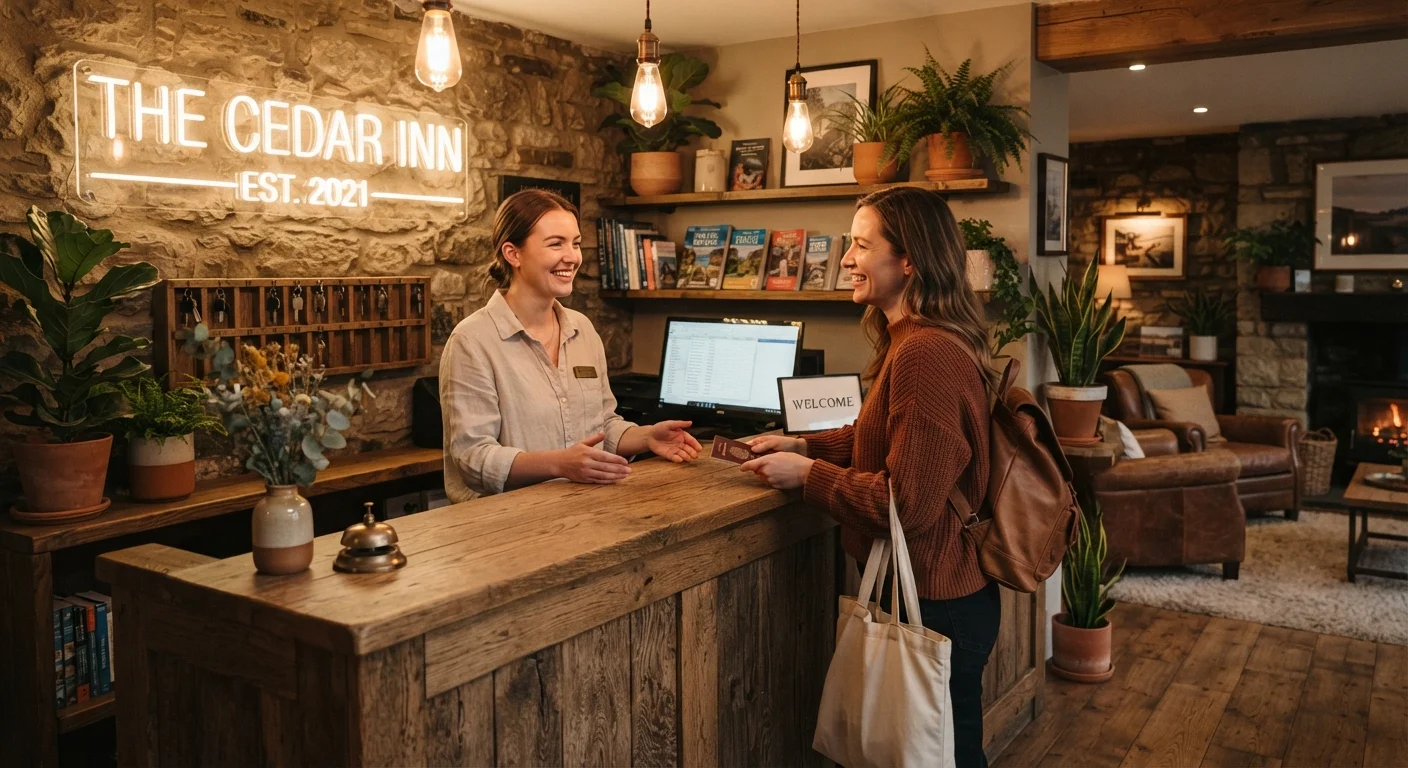
The distinction between manufactured atmosphere and lived-in character often becomes clearest in conversation. A front-desk team member who can speak to the history of the building, recommend a family-run restaurant three blocks away, or explain why the breakfast menu changes with the season is a stronger authenticity signal than any amount of reclaimed-wood paneling.
For a deeper look at how space and material choices are used to construct - or simulate - a sense of place, our piece on the architecture of atmosphere in boutique hotels explores the design side of that equation. And if you're weighing whether a restored heritage building or a purpose-built property offers the richer stay, heritage properties versus new-build boutiques maps out the trade-offs honestly.
Ownership Structure Is the Key Signal
Before booking a boutique hotel on the strength of its local branding, spend five minutes looking up its ownership. If the property is part of a soft-brand collection or owned by a private equity-backed hospitality group, the 'independent' positioning is a commercial strategy, not a structural reality. That doesn't make the stay bad - but it does mean the authenticity claims deserve additional scrutiny.
Travelers who want genuine cultural proximity beyond the hotel itself may also find it useful to compare how boutique stays measure up against other accommodation formats - our guide to homestays versus guesthouses adds useful context. For practical strategies applicable across all hotel types, the Hotel Insider Tips hub is a reliable starting point.