
Why Small-Staff Stays Operate Differently
Boutique and independently owned properties are built on a fundamentally different operating model than international chain hotels. Where a large hotel might assign separate teams to reservations, concierge, housekeeping, and food service, a small property may have one or two people covering all of those roles across a full day. That structural reality shapes everything from response times to the texture of the service itself.
Understanding this is not about lowering expectations - it is about calibrating them accurately. The difference between boutique and chain stays goes well beyond aesthetics; it reflects an entirely different staffing philosophy and guest relationship. A seasoned traveller who grasps this dynamic tends to leave small properties with stories that no five-star resort could generate.
Small Staff Doesn't Mean Lower Standards
A lean team is a structural reality, not a quality indicator. Many independently owned properties with two or three staff members consistently outperform larger hotels on personalisation and genuine hospitality. The difference lies in how each party - guest and host - shows up to the relationship. Managing your own assumptions is the first step.
Communication Habits That Actually Work
The single most effective thing a guest can do before staying at a small-staffed property is communicate early. A brief, clear email sent days before arrival - outlining arrival time, any dietary requirements, and specific room preferences - gives hosts the window they need to prepare properly. This is especially true for special requests that require advance planning.
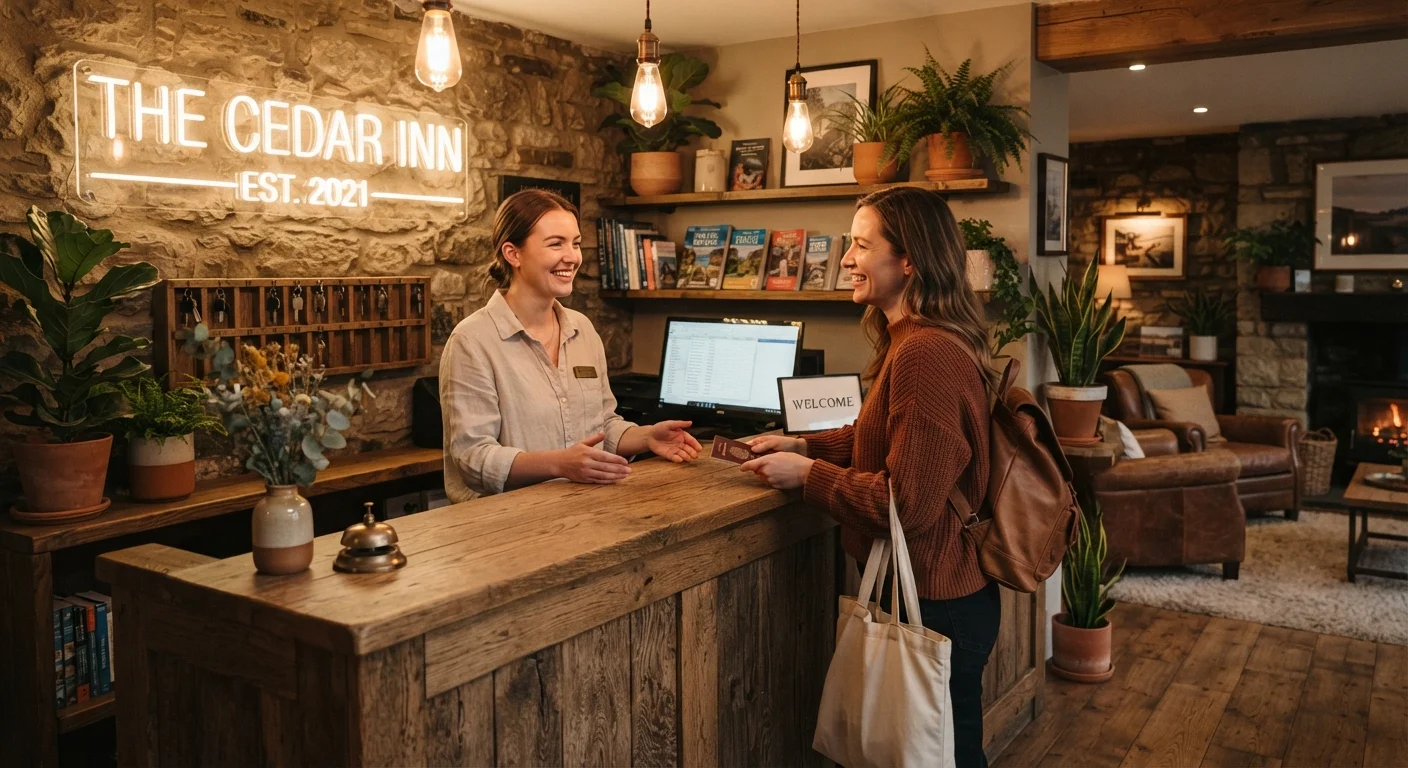
Keep requests consolidated. A host managing breakfast service, room turnover, and incoming enquiries simultaneously cannot absorb five separate messages. One well-organised note with all relevant details is almost always more effective than multiple follow-ups. At the property itself, face-to-face conversation tends to produce better results than leaving notes or expecting messages to filter through a booking platform.
Timing, Rhythm, and Reading the House
Every small property has a daily rhythm - predictable peaks of activity and genuine lulls. Breakfast service, mid-afternoon arrivals, and late-evening requests all place different demands on the team. Guests who understand this rhythm and work within it tend to receive noticeably more attentive service, simply because they are not adding pressure at the wrong moment.
The Best Time to Ask for Anything
Mid-morning - after the breakfast rush but before lunch preparations begin - is typically when small-staff hosts have the most bandwidth for conversation, local recommendations, and problem-solving. Avoid the check-in window (usually late afternoon) for anything non-urgent, as that period is structurally the busiest.
Checkout logistics are another area where timing matters. Settling your account the evening before, rather than during the morning rush, is a small act of consideration that hosts remember - and frequently reward with a more relaxed, generous goodbye. For travellers used to express checkout at large properties, the adjustment is minor; the goodwill it generates is disproportionate.
For a fuller picture of how to approach the entire arc of a boutique stay - from booking to departure - preparation guidance for first-time boutique guests covers the practical norms in detail.
Making the Most of the Human Connection
The defining feature of a well-run small-staff property is not its décor or its thread count - it is the depth of local knowledge held by the people running it. Owner-operators and long-tenured staff at independent properties are frequently embedded in the neighbourhood in ways that no concierge at a large hotel can replicate. They know which market stall opens late, which restaurant treats walk-ins well, and which hiking path is worth the detour.
“The best guests at an independent property are the ones who treat the experience as a collaboration. They bring curiosity, patience, and a willingness to meet us where we are - and in return, we can offer them something genuinely unrepeatable.”
— Anonymous Boutique Innkeeper, Owner-operator of a twelve-room independent property
Accessing that knowledge requires a small investment of social energy - a genuine question, a moment of real conversation. Guests who treat hosts as a resource rather than a service function consistently report richer stays. This is a meaningfully different dynamic from the white-glove distance of a resort; for context on how that contrast plays out in practice, see our look at navigating a high-end resort stay.
68%
Guests preferring personalised service over amenities
According to hospitality research compiled by Cornell's Center for Hospitality Research, a majority of travellers rate personalised attention as more important than physical amenities when rating a stay.
3-5
Average staff members at an independent boutique property
Industry surveys of independently owned accommodation consistently find small-staffing to be the norm, with owner-operators frequently covering multiple roles simultaneously.
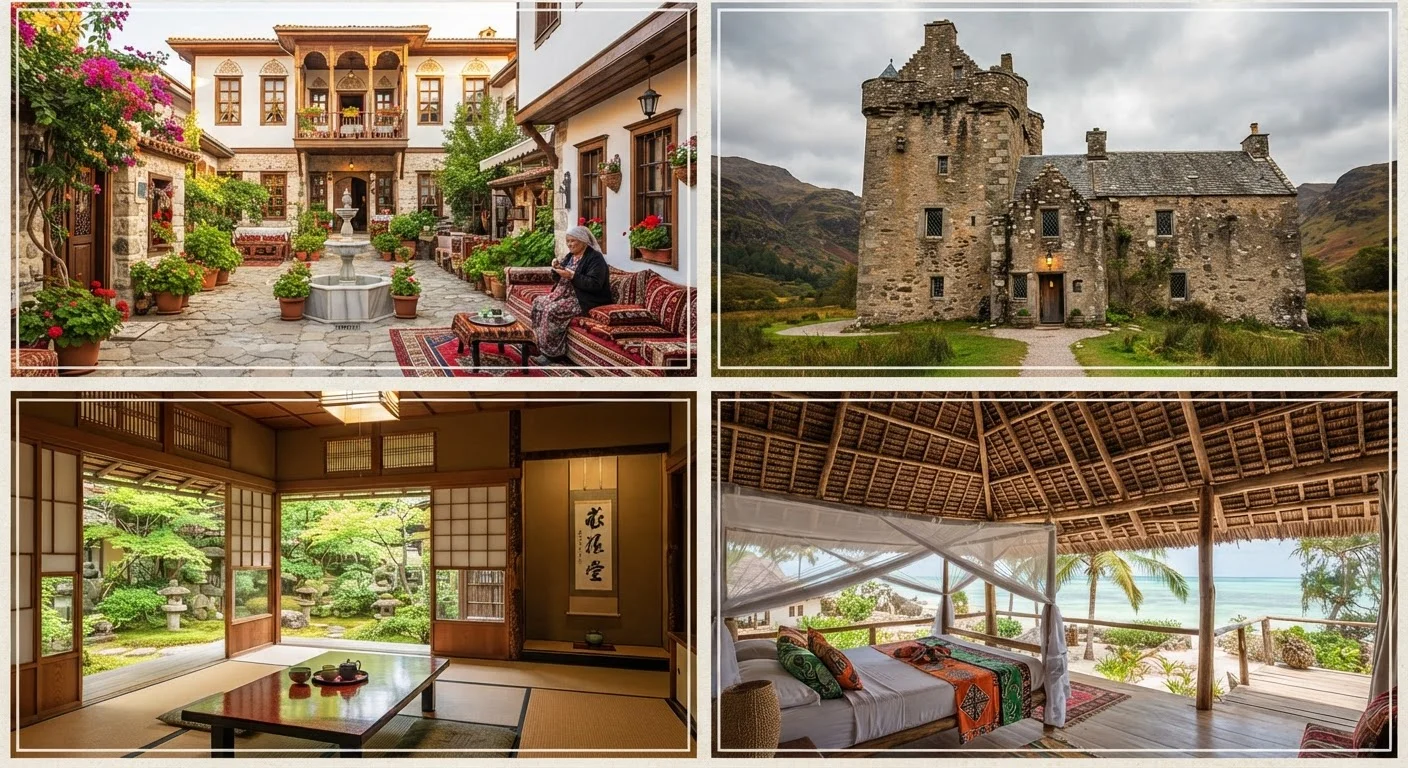
Whether the property is a heritage building or a purpose-built boutique, the underlying principle holds: a small-staff stay rewards guests who bring patience, curiosity, and a willingness to engage. The return on that modest investment is the kind of hospitality that feels genuinely personal - and that is rarely accidental.