
What Makes a Boutique Hotel Different
The term boutique hotel gets applied loosely, but a useful working definition covers three things: independent or semi-independent ownership, a small room count (typically under 100, often under 50), and a design identity rooted in local character rather than global brand standards. For a fuller breakdown, see what actually separates a boutique hotel from a standard chain property.
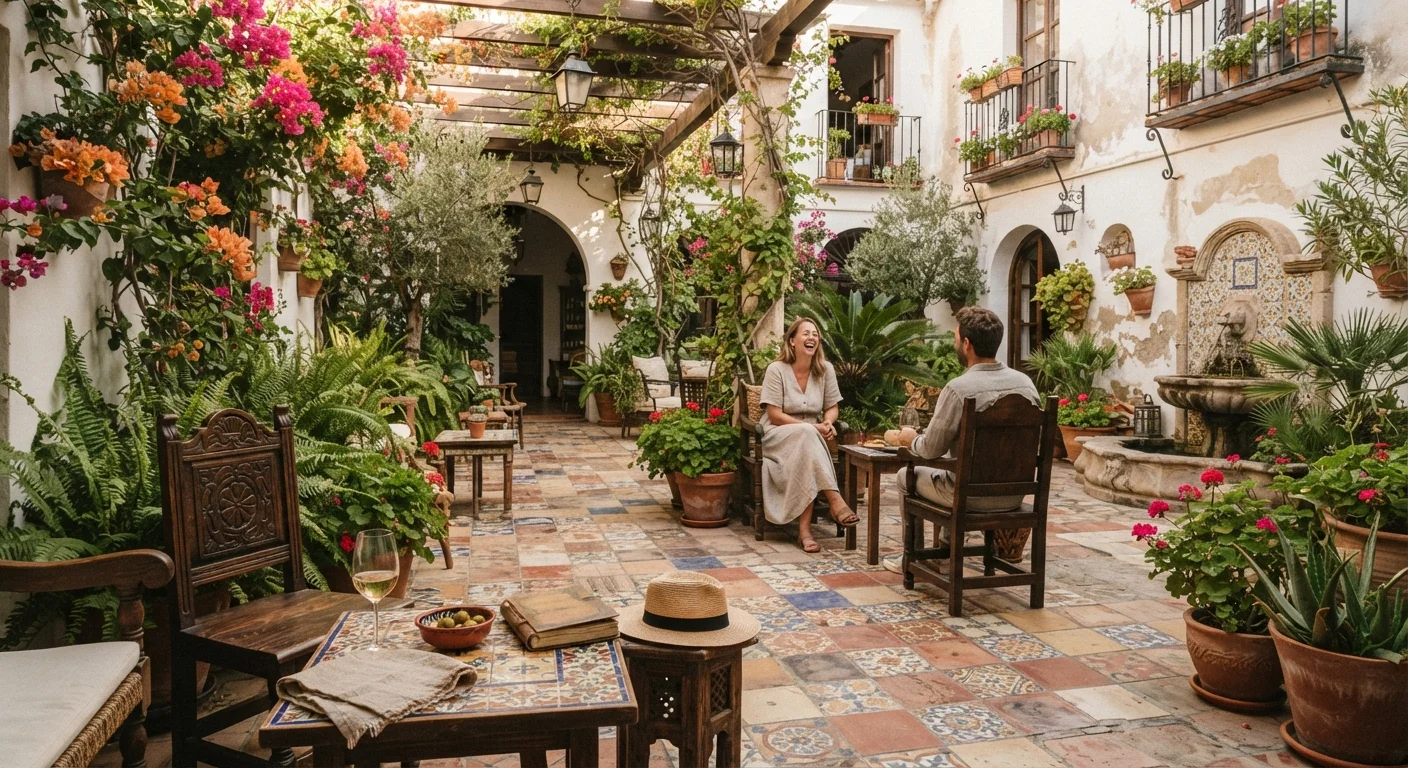
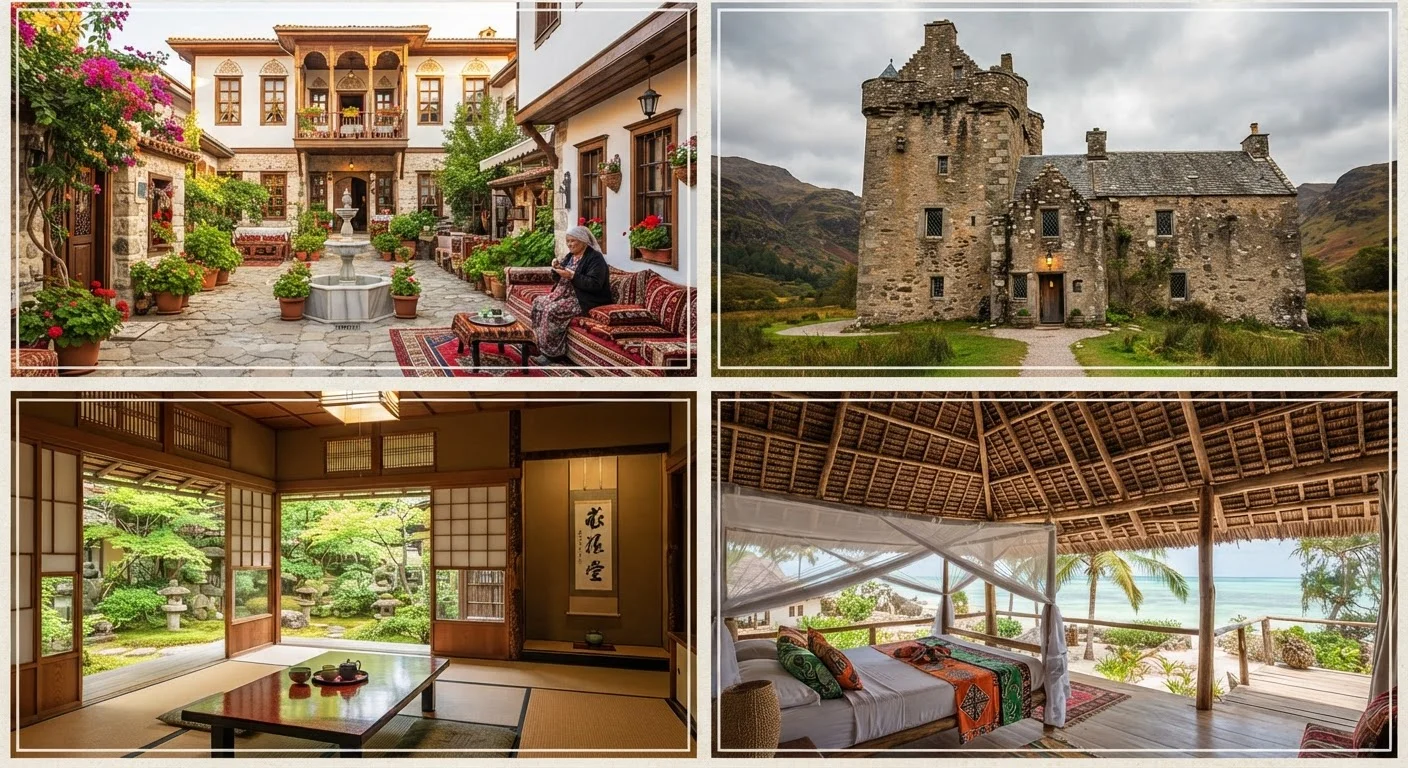
What this means in practice is that no two boutique hotels are alike. The consistency that chain travelers rely on - predictable room layouts, standardized toiletries, a known breakfast format - is largely absent. In its place is specificity: a restored Victorian townhouse, a converted textile mill, a family-run riad. The environment reflects a place and a set of choices made by real people, which is both the appeal and the source of occasional unpredictability.
Boutique hotel
A small, independently operated property - typically under 100 rooms - distinguished by a unique design identity and strong local character rather than brand standardization.
Soft brand
A collection operated by a major hotel company that allows independent properties to retain their own name and identity while accessing the chain's distribution and loyalty infrastructure.
Non-refundable rate
A booking type where the full cost is charged at reservation and cannot be recovered if plans change. Common at boutique properties with limited inventory.
Room inventory
The total number and variety of rooms a property has available. At boutique hotels, small inventory means individual rooms can differ significantly from each other.
Local concierge knowledge
Staff familiarity with the immediate neighborhood - restaurants, transport, events - that goes beyond what is printed in a standard guest directory.
What to Expect When You Arrive
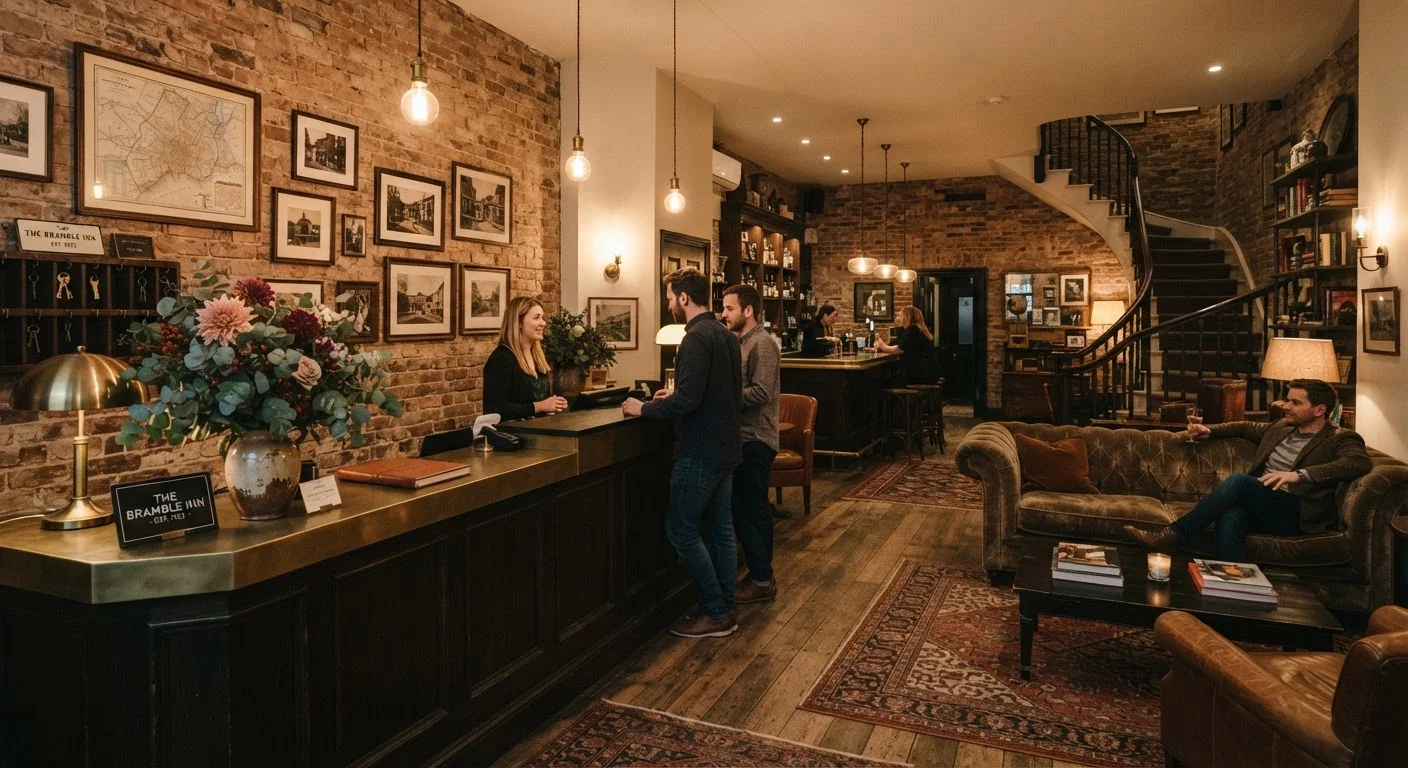
Arrival at a boutique hotel often feels more like checking into a private home than a transaction at a front desk. You may be greeted by the owner, a long-tenured staff member, or - at very small properties - via a lockbox with a keyed entry code. This is not a sign of indifference; it reflects scale.
If you are arriving outside standard hours, communicate early. A chain hotel's 24-hour desk is not a given here. Many boutique properties appreciate a courtesy call or message when you are an hour out, especially if your flight is delayed. That small gesture builds goodwill and ensures a smoother handoff.
Message Ahead for a Smoother Arrival
A brief message to the property 24 hours before arrival - confirming your expected check-in time and any special requests - costs nothing and signals the kind of guest you are. Boutique staff genuinely use this information to prepare, and it often results in more personal attention from the moment you walk in.
Room Quality and Amenities: Managing Expectations
Room quality at boutique properties varies more than at chains - sometimes dramatically within the same building. A corner suite on the top floor of a converted mill may be extraordinary; a ground-floor room facing the interior courtyard might be significantly smaller and darker. Rooms are often named rather than numbered, and descriptions on the property website are worth reading word for word.
Amenities follow the same logic. A boutique hotel may have an exceptional locally sourced breakfast, but no gym. It might offer a curated minibar but no pool. Review what is actually listed rather than assuming chain-equivalent services. For guidance on avoiding misread amenity lists and other common planning missteps, the article on booking errors that undermine a boutique stay is worth reading before you finalize anything.
Don't Assume Amenities Are Standard
At chain hotels, a stated amenity typically means a consistent, brand-defined experience. At boutique properties, amenity descriptions can range from a full spa to a single treatment room available by appointment only. If a specific facility is important to your trip, call the property and ask a direct question rather than relying on an icon on a booking page.
How to Prepare Before You Book
Preparation is the single biggest differentiator between a frustrating boutique stay and a memorable one. Start by reading the property's own website rather than relying solely on aggregator listings, which can omit important details or use outdated photography.
- Cancellation terms: Independent properties often have stricter, non-refundable policies than chain hotels. Read these before payment, not after.
- Parking and access: Boutique hotels in historic districts or city centers frequently lack on-site parking. Confirm alternatives in advance.
- Breakfast included or not: Clarify whether breakfast is included, optional, or unavailable - this affects both your budget and morning logistics.
- Connectivity: Wi-Fi quality is less standardized. If reliable internet matters for your trip, ask directly.
If you want broader context on how boutique stays compare to chain hotels across key dimensions - service style, consistency, and loyalty perks - the article on boutique hotels versus international chains offers a useful side-by-side perspective. Our hotel insider tips hub also covers strategies that apply across property types.
Getting the Most from the Stay
The advantage boutique hotels hold over larger properties is access to genuine local expertise. Staff at independent properties tend to know their neighborhood at street level - the bakery that opens at 6 a.m., the market that only runs on Thursdays, the walking route that avoids the tourist drag. Ask directly and specifically, rather than requesting a printed map from a concierge folder.
Engage with the property's own character. If there is a communal lounge with a book collection, a rooftop terrace, or a resident dog, those details are part of what you paid for. Boutique stays reward travelers who slow down and pay attention to what the property is actually offering, rather than treating it as a neutral place to sleep.
Finally, if something falls short - a noisy room, a billing discrepancy - raise it calmly and directly with staff. The feedback loop at a small property is short, and owners genuinely want to know. This is rarely the environment where escalating to corporate customer service achieves anything.
Accessibility Varies Significantly
Many boutique hotels occupy historic buildings where renovation for full accessibility is constrained by local preservation rules. Elevator access, step-free entrances, and accessible bathrooms cannot be assumed. Travelers with mobility considerations should contact properties directly and ask specific questions about the physical layout before booking.