
Scale as a Feature, Not a Limitation
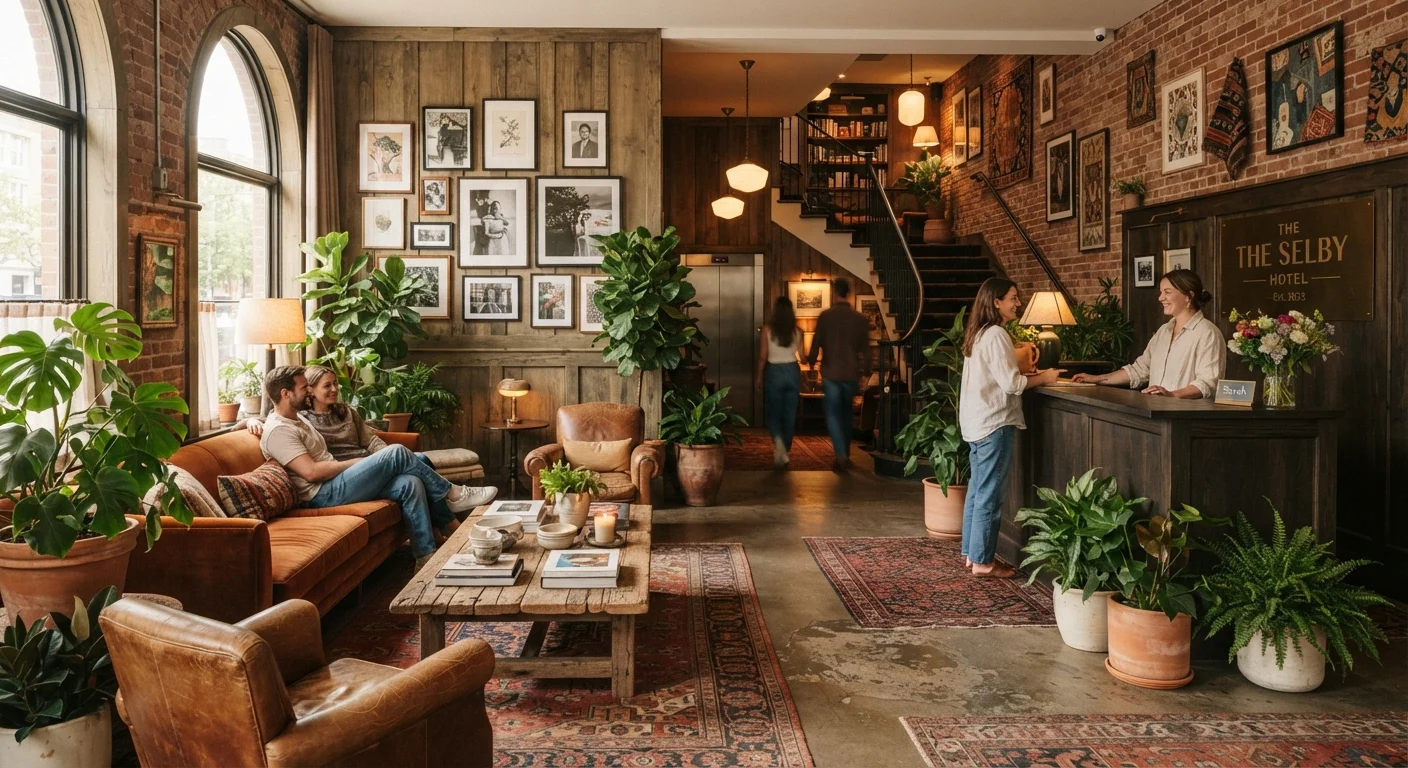
The most consistent marker of a boutique hotel is its size - and size here is a deliberate editorial choice, not a constraint. Properties with fewer than 100 rooms can maintain a coherent identity, allow staff to recognize returning guests by name, and adapt quickly to individual preferences. This intimacy isn't incidental; it's the mechanism that makes everything else about the boutique experience possible.
When a property exceeds a certain scale, the operational logic shifts. Standardization becomes necessary to manage consistency, staff specialization replaces generalist flexibility, and the physical environment must accommodate high-volume guest flow. Boutique hotels sidestep this pressure by staying small enough to be genuinely attentive. That attentiveness shows up in subtle but meaningful ways: a front desk team that remembers your preferred wake-up time, or a concierge who gives you a neighborhood recommendation you won't find in any guide.
For travelers exploring what distinguishes these properties further, Hotel Insider Tips offers broader guidance on evaluating accommodation quality across property types.
Design With Intention and a Sense of Place
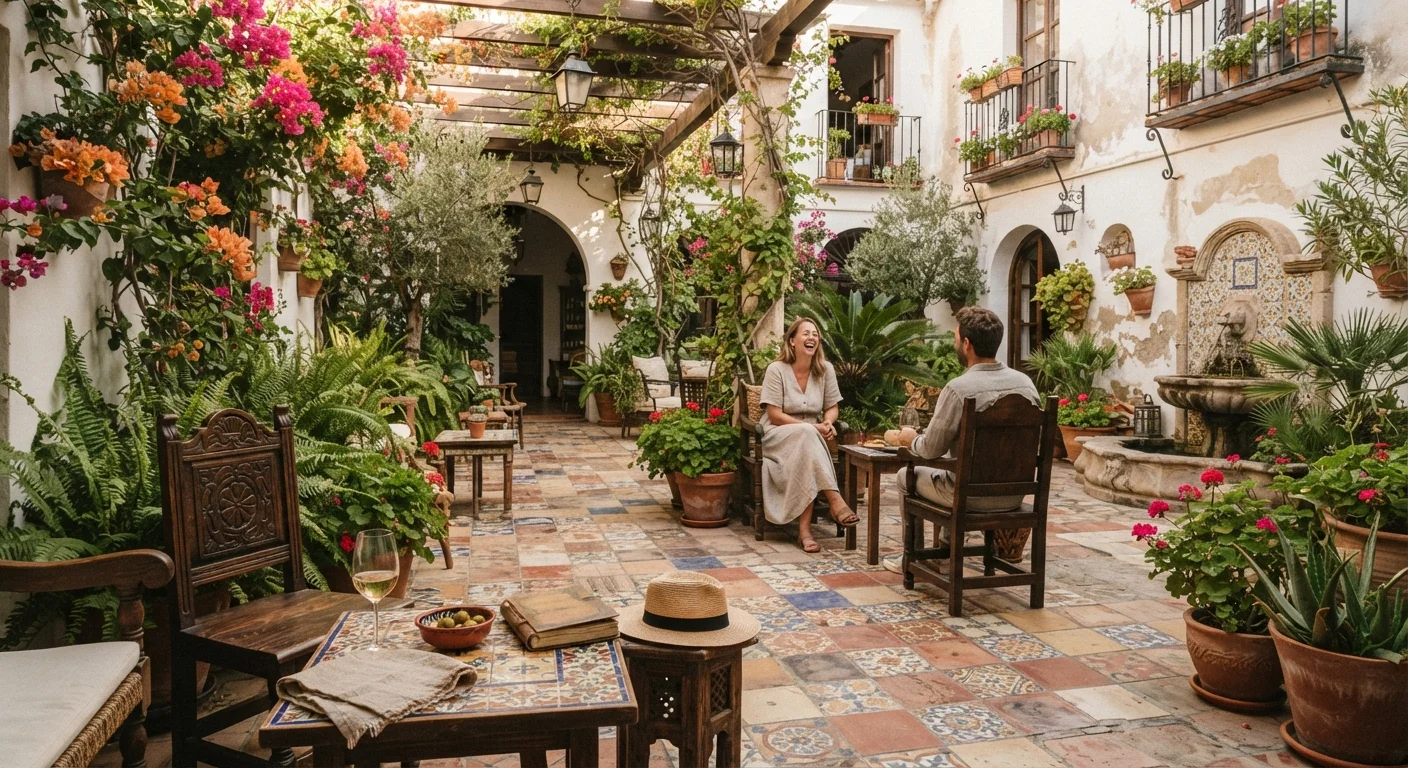
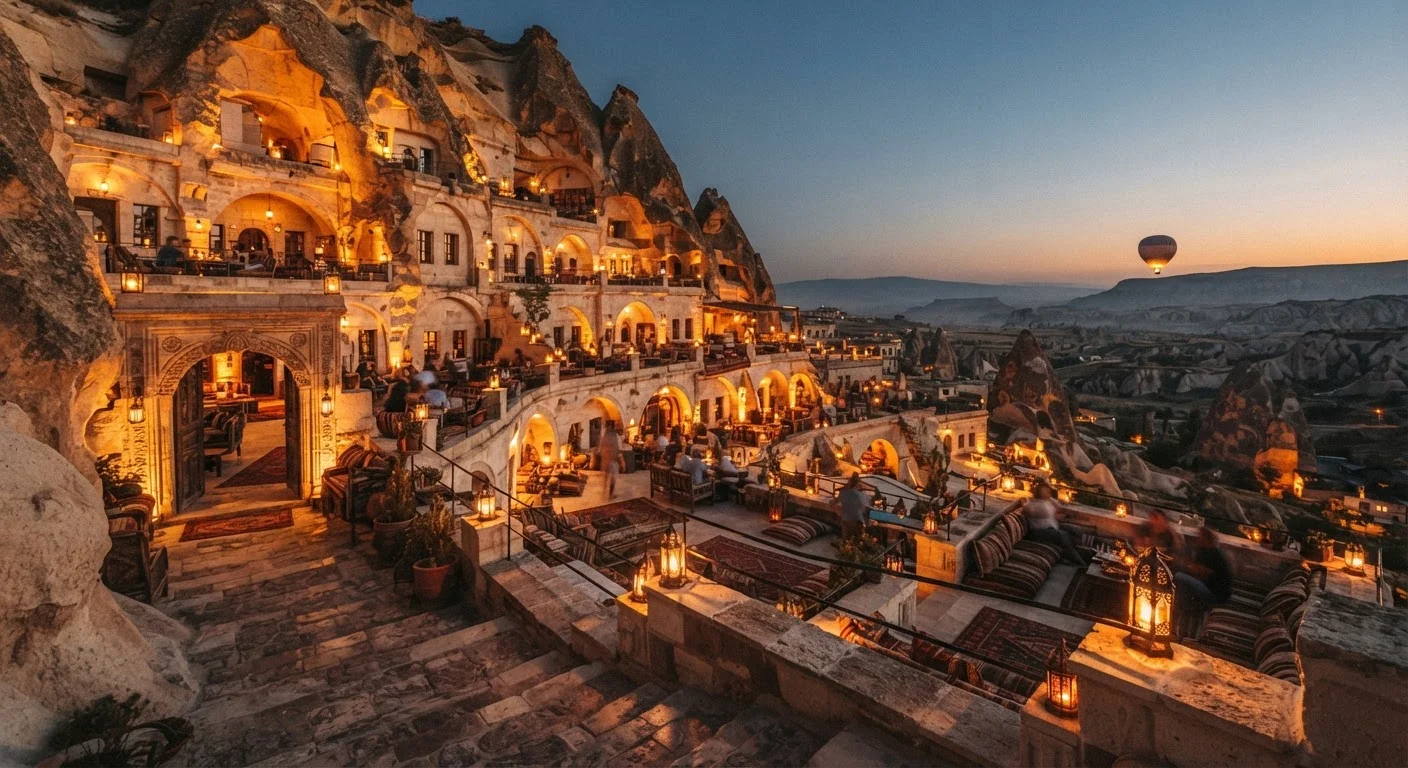
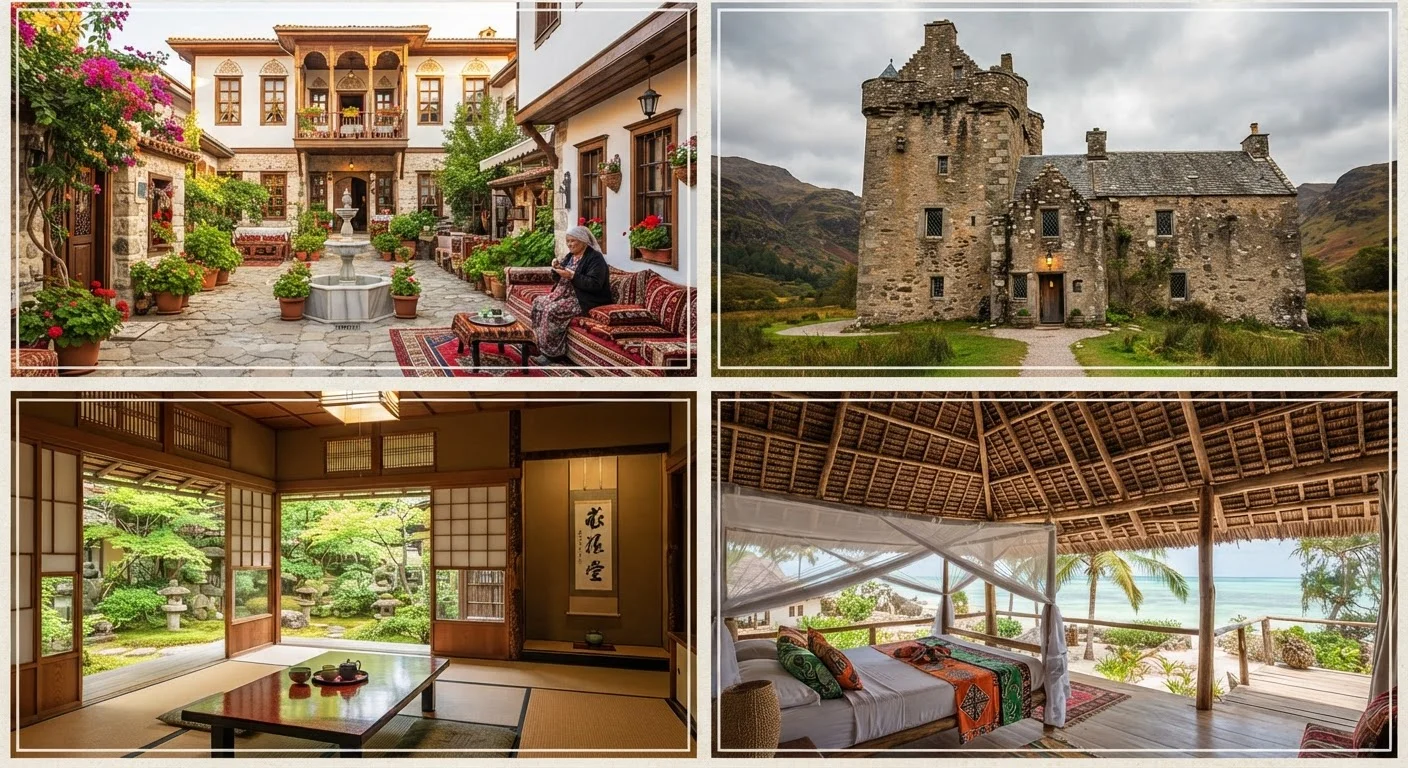
Chain hotels are built for transferability - a guest in one city should feel at home in the same brand's property in another. Boutique hotels invert this logic entirely. Their design is meant to be specific: to this building, this neighborhood, this cultural moment. The most compelling boutique properties are visually illegible outside their context.
That specificity shows up in material choices (reclaimed timber from a regional mill, ceramic work by a local artist), spatial decisions (a lobby that echoes the proportions of a historic building), and curatorial instincts (a library stocked with titles about the surrounding landscape). This is what hospitality researchers and design critics mean when they describe boutique hotels as having a "narrative" - the property tells a story about where it sits and who shaped it.
Vetting Boutique Claims Before You Book
When evaluating a property's boutique credentials, look at guest photography rather than professional shots - real images reveal whether the 'locally inspired' aesthetic is specific or generic. Reading staff-specific mentions in reviews can also signal whether personal service is actually delivered or just promised in marketing copy.
It's worth noting that design intention doesn't automatically equal authenticity. Some properties deploy 'local' aesthetic cues as surface-level decoration without genuine connection to place. Authenticity in boutique hospitality is a meaningful distinction worth understanding before booking.
Service Culture and Staff Empowerment
Perhaps the most underappreciated hallmark of a genuine boutique hotel is how its staff operates. At large chain properties, service is governed by standardized procedures, escalation protocols, and brand-mandated scripts. At a well-run boutique, staff are typically empowered to use judgment - to solve a problem without consulting a manager, to offer something unexpected because it seemed right for that guest at that moment.
This empowerment is only sustainable at small scale. When a property has 30 rooms and a team that works closely together, institutional knowledge travels fast and decision-making stays close to the guest. The result is service that feels less transactional and more attentive - not because individual staff members are more capable, but because the structure allows their capability to show.
< 100
Rooms in a typical boutique hotel
Industry observers and hospitality researchers widely use this threshold as the practical upper limit for maintaining genuine boutique-level service and intimacy.
1 in 3
Travelers prioritizing 'local character' in accommodation
Surveys by travel research organizations consistently find a significant share of frequent travelers cite authentic local character as a primary accommodation selection factor.
Understanding how this service philosophy compares to the consistency-first model of global chains is explored in depth in our piece on boutique hotels vs. international chains.
What the Boutique Label Doesn't Guarantee
Because 'boutique' is self-applied and unregulated, the label has been stretched well beyond its original meaning. Major hospitality groups have launched boutique-branded collections; developers have applied the term to mid-scale urban hotels with generic interiors; and marketing teams routinely use 'intimate' and 'locally inspired' to describe properties that are neither.
Savvy travelers learn to look past the label. The substantive questions are: Does the design reflect a specific, considered vision? Does the property scale support genuine personal service? Is there a coherent story connecting the space to its location? A property that answers yes to these questions earns the designation regardless of what it calls itself. One that cannot is simply a smaller hotel with ambitious marketing.
For travelers interested in how boutique properties compare within the luxury segment specifically, boutique luxury vs. chain luxury examines what 'excellence' means in each context. And for those weighing historic converted properties against purpose-built boutiques, heritage properties vs. new-build boutiques breaks down the trade-offs in meaningful detail.