
Why High-Altitude Trekking Demands a Different Kind of Preparation
High-altitude trekking - generally defined as travel above 8,000 feet (2,400 metres) - introduces physiological challenges that simply don't exist on lower trails. Reduced oxygen levels, unpredictable weather, and remote terrain mean that the margin for underprepared decisions shrinks considerably. Whether you're targeting a classic Himalayan circuit, a Andean traverse, or an East African summit approach, the checklist below gives you a structured framework to audit your readiness.
If you're entirely new to adventure travel, the ground-up introduction to adventure travel is a useful starting point before working through this checklist. And because the financial picture of a high-altitude expedition often surprises first-timers, reviewing the hidden costs of adventure travel early in your planning helps you budget realistically.
Medical & Health Preparation
Permits & Documentation
Fitness & Training
Gear & Equipment
Acclimatisation & Pace Strategy
Insurance & Emergency Planning
Tools and Resources You'll Want in Place
No checklist replaces experienced judgment on the ground, but having the right tools before you depart significantly reduces uncertainty. Below are the core resources experienced high-altitude trekkers rely on during the planning phase.
Pulse Oximeter
Measures blood oxygen saturation and heart rate at altitude, providing an objective early indicator of how well your body is acclimatising.
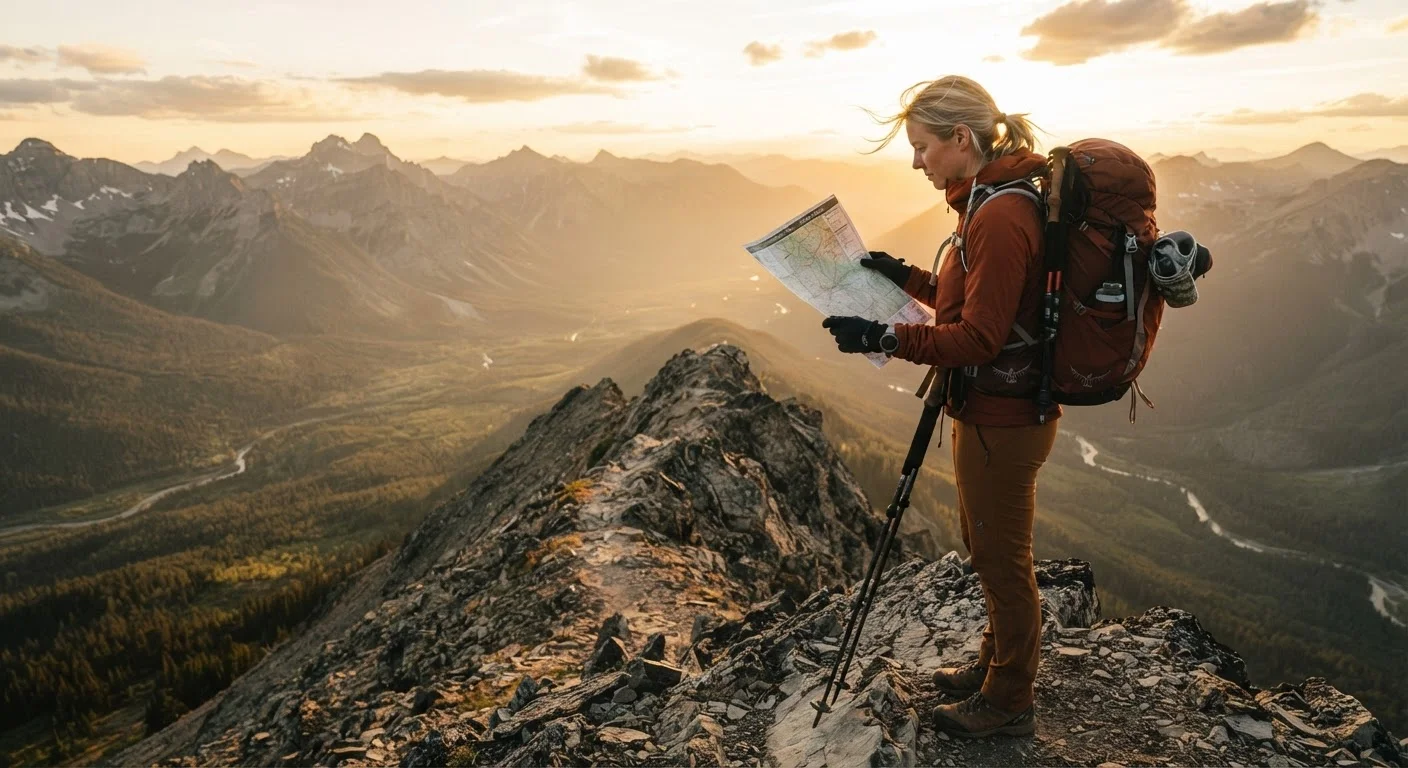
Topographic Maps (Paper)
Provides offline route navigation and elevation profile data - critical backup when GPS devices fail or lose signal in remote terrain.
GPS Device or Offline Mapping App
Enables real-time navigation, track recording, and waypoint marking in areas with no mobile connectivity.
Satellite Communicator
Allows two-way messaging and SOS distress signalling in locations beyond all cellular coverage - essential for remote high-altitude routes.
Altitude Sickness Reference Card
Provides a field-ready symptom checklist and decision framework for AMS, HAPE, and HACE so you can act quickly without needing internet access.
Water Filtration System
Enables safe hydration from natural water sources throughout the trek, reducing the weight and cost of carrying all water from the trailhead.
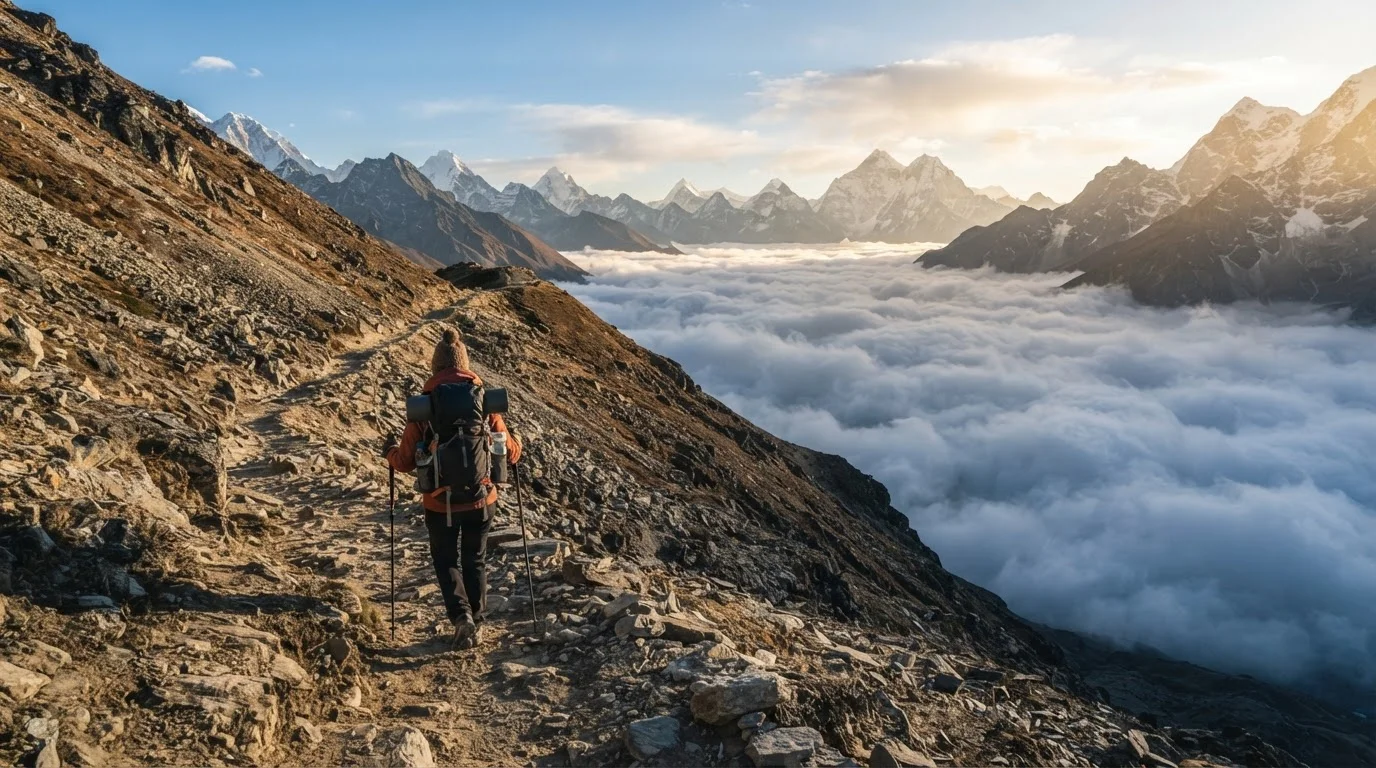
Trekking Poles
Reduces cumulative knee and hip load on descent, improves trail balance, and can serve as structural support for tarp or emergency shelter setups.
For a deeper look at route logistics, food strategy, and emergency protocols across multi-day wilderness trips, see our guide on planning a multi-day wilderness expedition. Once you're on the trail, understanding the full spectrum of backcountry risk - from river crossings to rockfall - is equally important; understanding risk in the backcountry covers those scenarios in detail.
Altitude Sickness Can Be Fatal If Ignored
No summit, schedule, or group dynamic is worth overriding altitude sickness symptoms. Headache, nausea, fatigue, and loss of coordination at elevation must be taken seriously. The only reliable treatment for moderate-to-severe AMS, HAPE, or HACE is immediate descent. Consult a travel medicine specialist before your trip and know your response plan before symptoms arise.
Permit Violations Can End Your Trek - and Carry Legal Consequences
Trekking without required permits in restricted-area zones can result in fines, forced removal from the trail, and complications with future entry to the country. Permit systems also protect fragile ecosystems and local communities. Research the specific permit requirements for your exact route - not just the general region - well in advance of your departure date.
This article provides general travel information and is not a substitute for medical advice. Consult a qualified healthcare professional before undertaking high-altitude travel, particularly if you have any underlying health conditions. Always verify permit requirements, entry rules, and safety advisories with official government and local authority sources before travelling.