
Why Multi-Day Expeditions Demand a Different Planning Standard
A weekend camping trip and a ten-day wilderness expedition share vocabulary but operate in fundamentally different risk environments. The margin for error shrinks as distance from roads, services, and medical care increases. Decisions made at the planning stage - route selection, resupply strategy, emergency communication - become literal safety decisions once you're in the field.
Frequent travelers accustomed to navigating complex international itineraries will recognize the planning mindset, even if the tools are different. The same disciplined approach that structures a well-built travel itinerary applies here: anchor around non-negotiables, build in contingency, and plan backwards from your constraints.
What follows is a structured walkthrough - from route design through emergency protocols - designed for travelers who are ready to move beyond guided day hikes and take on the full planning responsibility of a self-supported backcountry expedition.
What you will need
Tools, Gear, and Resources You'll Need
Effective expedition planning begins with the right instruments - both physical and digital. Before you plot a single waypoint, assemble the core tools that will underpin every decision from route design to on-trail safety.
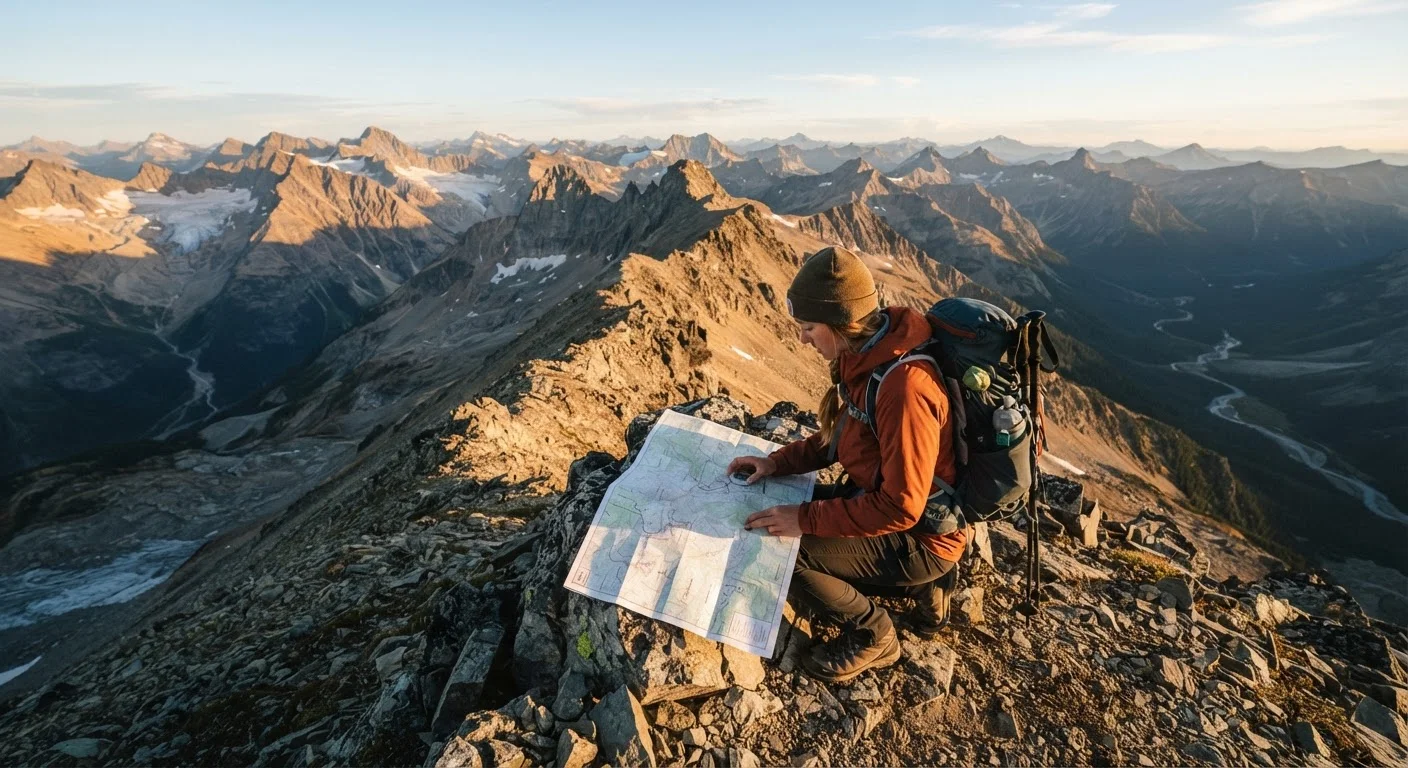
Topographic mapping app or paper topo maps
Essential for route visualization, elevation profiling, and identifying water sources before and during the trip.
Satellite communicator (e.g., two-way messaging device)
Enables emergency SOS signaling and check-ins from areas with no cellular coverage.
Water filtration system
Treats water from natural sources to make it safe for drinking throughout the expedition.
Bear canister or approved wildlife-resistant food storage
Required in many wilderness areas to protect food and reduce dangerous wildlife encounters.
Lightweight shelter rated for destination conditions
Provides protection from weather appropriate to the terrain and season of travel.
Wilderness first aid kit
Covers basic injury management - blisters, sprains, cuts, altitude symptoms - until evacuation is possible.
Resupply boxes (pre-packed food drops)
Used on longer routes where you cannot carry all food from the start; mailed to post offices or outfitter stops.
Note that gear selection must always be calibrated to your specific environment. The tools above represent a baseline; expeditions into environments like jungle terrain, polar conditions, or high-altitude zones will require additional specialized equipment. If your route involves unique ecosystems, consult with experienced guides or outfitters in that region before finalizing your kit.
Step-by-Step: Planning Your Expedition
Define your route and establish waypoints
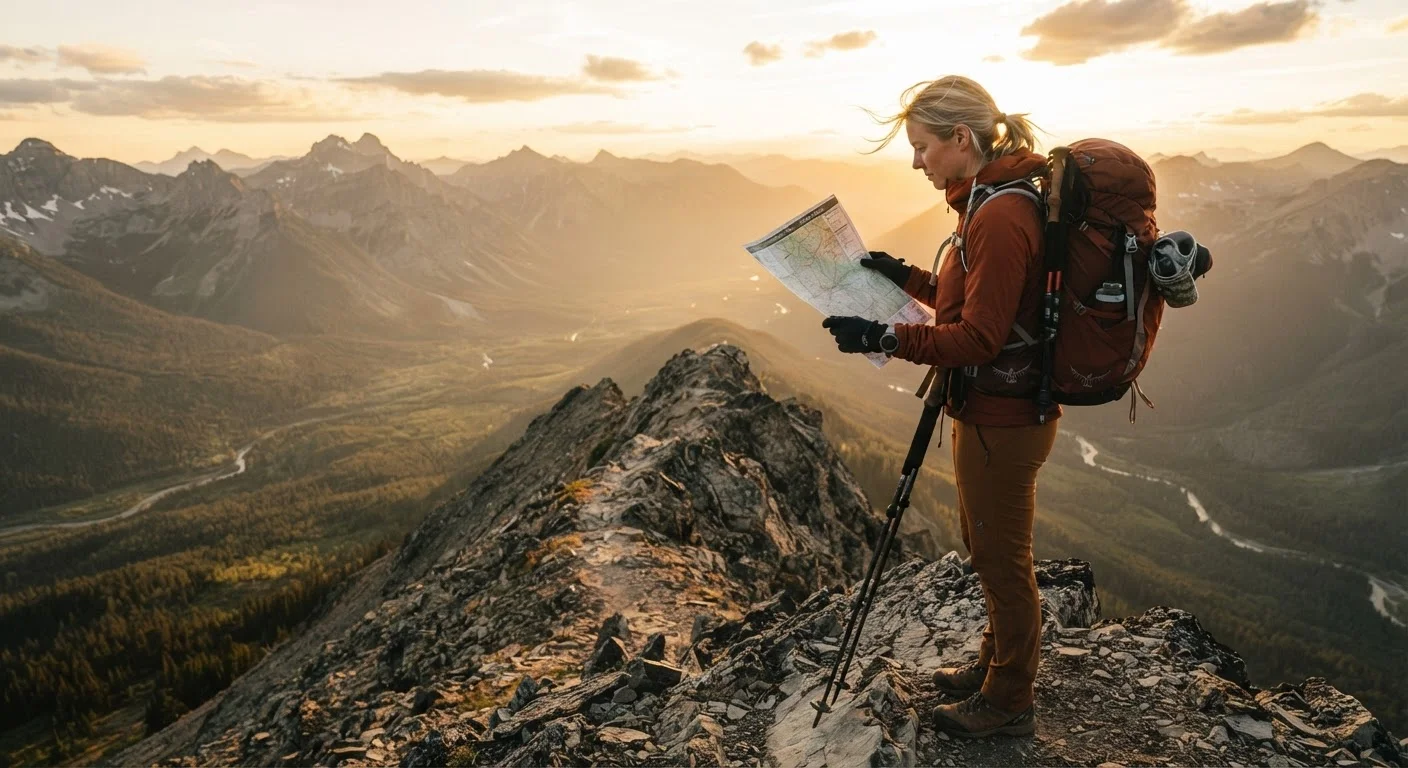
Begin with a detailed topographic map of your target region. Identify your start and end points, then plot daily segments based on realistic daily mileage - typically 8-15 miles depending on terrain, elevation gain, and your fitness level. Mark critical waypoints: water sources, campsites, bailout trails, permit check-in points, and any technical sections requiring special skill.
Cross-reference your planned route against current land management agency guidance. Trail closures, fire restrictions, and seasonal permit requirements can all affect route viability. See our guide to permit logistics and pace planning for a detailed breakdown of high-altitude permit systems.
Audit your water sources and filtration strategy
Water is the most time-sensitive resource on any wilderness expedition. During route planning, identify every reliable water source - streams, lakes, springs - and note stretches where water may be scarce or seasonally unreliable. Arid terrain and high-alpine environments can shift dramatically by season.
Plan your daily carrying capacity accordingly. Most trekkers carry 1-2 liters between sources in temperate conditions, but desert or volcanic terrain may demand carrying 4+ liters. Confirm that your filtration method (pump filter, gravity filter, UV pen, or chemical treatment) is appropriate for the water chemistry of your specific region.
Build a calorie-dense food and resupply plan
Sustained backcountry effort demands 3,000-5,000 calories per day, depending on pace and conditions. Plan food by weight, not volume - target approximately 1.5-2 lbs of food per person per day. Prioritize calorie-to-weight ratios: nuts, nut butters, freeze-dried meals, hard cheeses, jerky, and whole grains perform well over long trips.
For expeditions longer than five or six days, carrying all food from the start becomes impractical. Research resupply options: post offices near trailheads, outfitter stations, or small-town general stores. Mail yourself pre-packed resupply boxes before departure, labeling clearly with your expected pickup date and holding instructions.
Select gear matched to your specific environment
Generic packing lists are a starting point, not a substitute for environment-specific gear assessment. A high-altitude alpine route demands different insulation, footwear, and shelter than a humid jungle traverse. Research typical temperature ranges, precipitation patterns, and potential hazards (creek crossings, exposed ridgelines, wildlife) for your route and season.
Test critical gear - boots, sleeping system, shelter - on shorter overnight trips before committing to a multi-week expedition. Gear failure on day eight of a remote route is a different problem than gear failure a mile from the car. For those planning expeditions into complex ecosystems, our Amazon Basin preparation guide covers environmental and health-specific gear considerations in detail.
Establish emergency protocols and file a trip plan
Before you leave, file a detailed trip plan with a trusted contact who knows when to call for help. Include your full route, daily campsites, expected return date, vehicle location, and emergency contact numbers for the relevant land management agency and local search-and-rescue organization.
Carry a satellite communicator that enables two-way messaging and SOS activation independent of cellular networks. Establish a check-in schedule with your emergency contact - typically once per day at a predetermined time. Know the helicopter landing zones and nearest access roads on your route in case evacuation becomes necessary.
For additional remote communication strategies, see staying connected and safe in remote stretches.
Review Leave No Trace obligations and local regulations
Every wilderness expedition carries an obligation to the land and to future travelers. Research the specific Leave No Trace requirements for your region - waste disposal rules, campfire restrictions, campsite distance requirements from water, and wildlife buffer zones vary significantly by jurisdiction. Some protected areas impose stricter rules than the general LNT framework.
Familiarize yourself with any permit conditions you agreed to when booking - violations can result in fines and damage to the access future travelers rely on. Pack out all waste including food scraps, use a trowel and appropriate burial depth for human waste where permitted, and camp on durable surfaces whenever possible.
Self-Rescue Capability Is Not Optional
In genuinely remote wilderness - more than a day's travel from a road - search-and-rescue response times can range from hours to days depending on weather, terrain, and resource availability. Do not assume a satellite SOS will result in rapid extraction. Every member of your party should have basic wilderness first aid knowledge and the group should carry enough supplies to shelter in place for at least 48-72 hours beyond the planned trip duration in a worst-case scenario.
Common Planning Failures and How to Avoid Them
Most wilderness emergencies can be traced back to planning gaps rather than bad luck. Over-optimistic daily mileage targets are among the most frequent culprits - when trekkers plan for peak performance every day without accounting for fatigue accumulation, terrain variability, or weather delays, itineraries collapse under pressure.
Inadequate water planning is the second most common failure point. Relying on a single trail guide or app without cross-referencing recent trip reports has left experienced hikers dry in sections that appear well-watered on paper. Always verify water source reliability through multiple current sources.
Start with Trip Reports, Not Guidebooks
Published guidebooks are often several years behind trail conditions. Before finalizing any multi-day route, read recent trip reports - within the past three to six months - from land management agency websites, hiking forums, and local trail organizations. Pay particular attention to reports filed during the same season you plan to travel. Conditions that appear passable in summer can be completely different in early spring or after a drought year.
Finally, the tendency to under-plan for the mental and physical demands of expedition travel is easy to underestimate. For those considering their first extended remote expedition - whether overland or on foot - our overland travel guide for remote Africa illustrates how layered logistics planning looks in practice across an extended journey.
This article is for general informational purposes only. Wilderness travel involves inherent risks. Always consult official land management agencies, qualified guides, and medical professionals appropriate to your destination before undertaking remote expeditions. Verify all visa, permit, health, and safety requirements with authoritative sources before travel.