
What the Open Road Actually Feels Like Alone
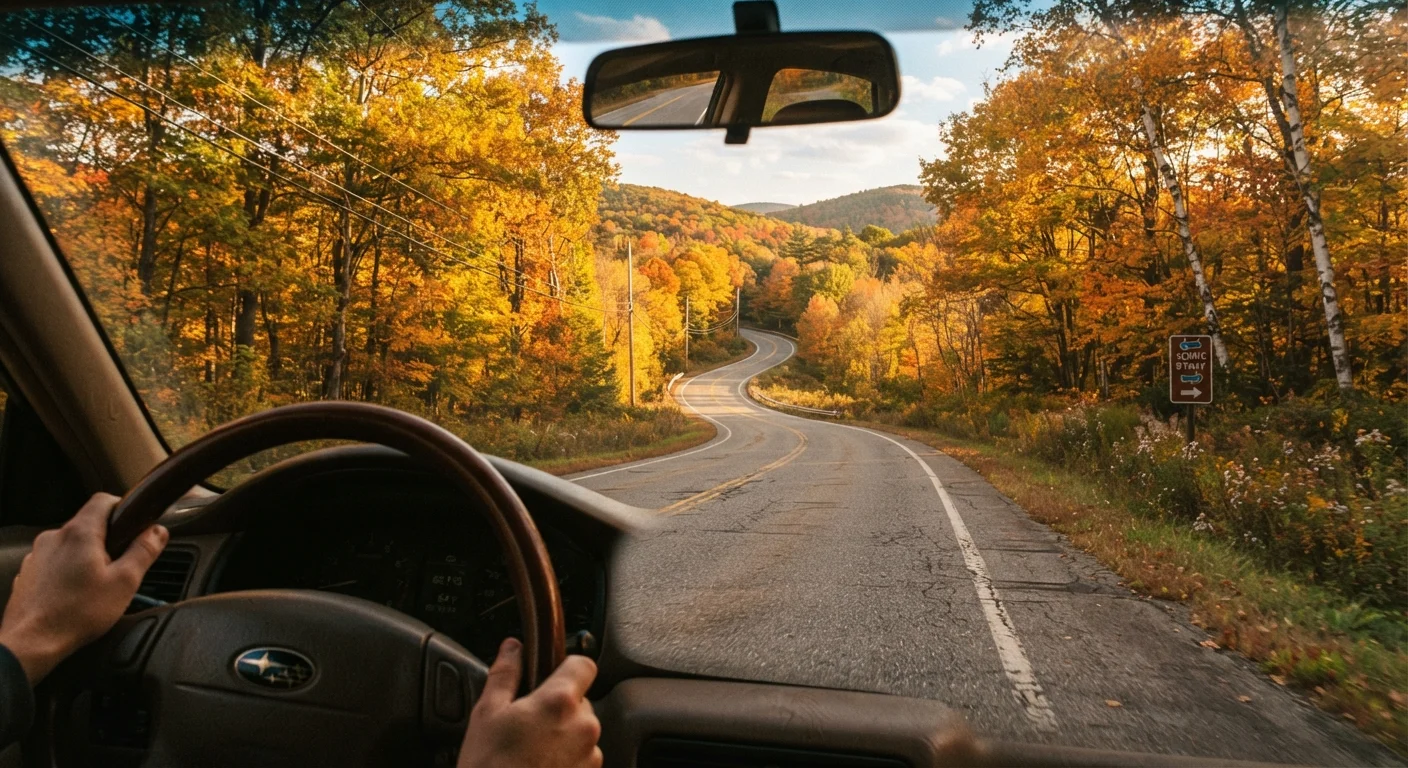
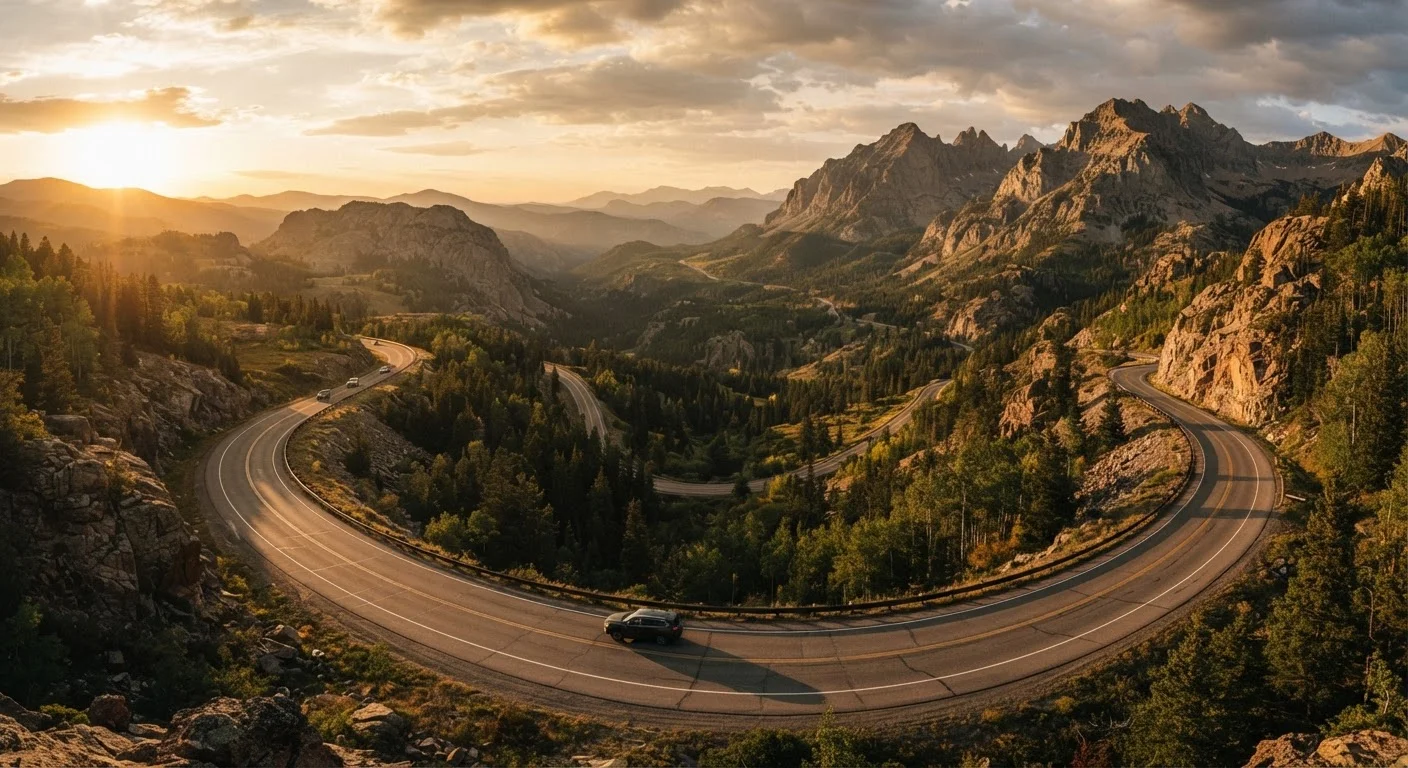
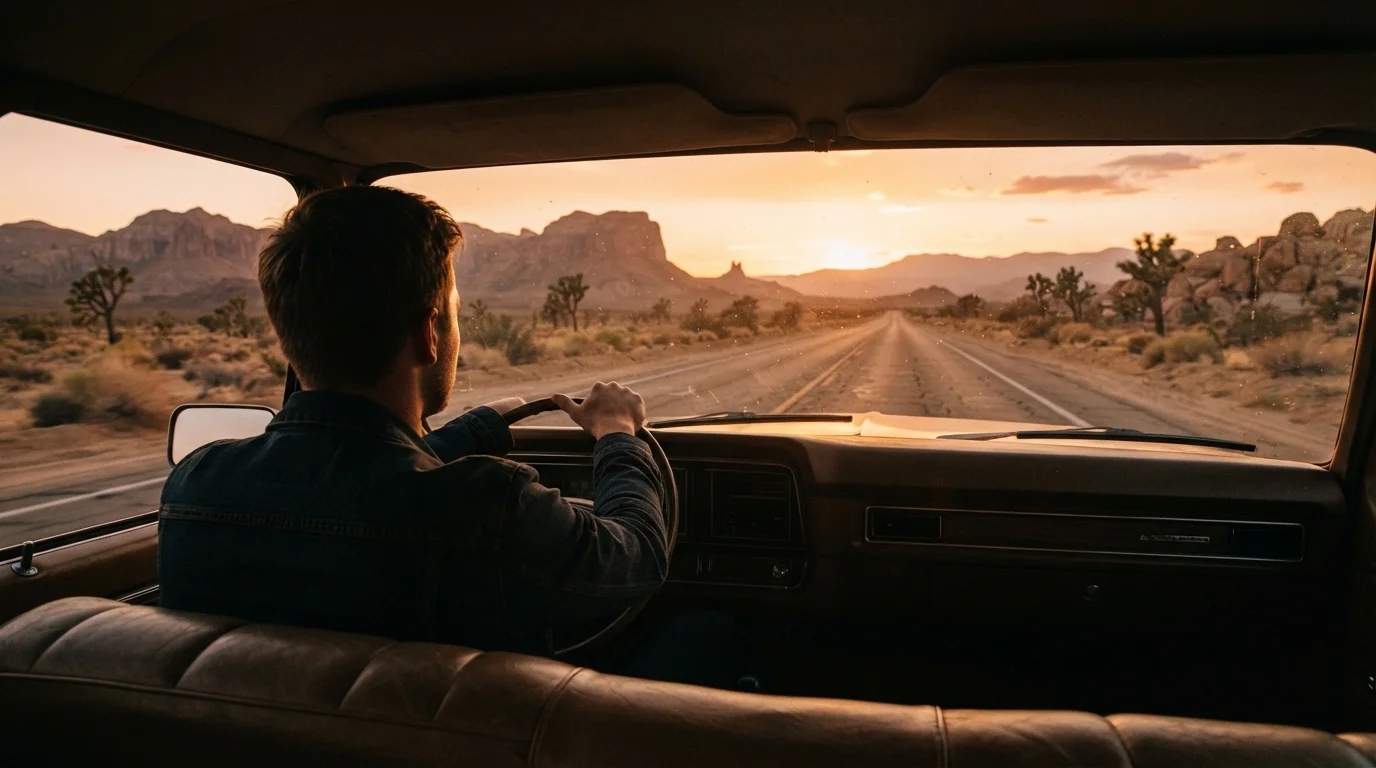
There's a version of the solo road trip that lives in film and song - windows down, no obligations, the highway unspooling toward some glittering horizon. That version is real. But so is the version where you've been driving for six hours, your neck aches, and there's nobody to spell you at the wheel or decide whether the next exit is worth taking.
Solo road travel sits at the intersection of genuine freedom and genuine challenge. The two aren't opposites - they're the same coin. Understanding what you're actually signing up for is the first step toward a trip that delivers on its promise. As our piece on road trip freedom myths explores, the open road is rarely as limitless as it's made to appear.
Complete autonomy over route and pace
No consensus required on when to stop, where to eat, or which detour is worth taking. Every call is yours, which means the trip reflects your actual interests rather than a negotiated compromise.
Deeper local and spontaneous encounters
Solo travelers are more approachable and often more open to unplanned conversations, unexpected stops, and connections with people along the way - experiences that group dynamics can inadvertently crowd out.
Meaningful space for reflection and clarity
Extended solo drives create a rare kind of mental stillness that many travelers describe as clarifying - a chance to process, reset, and think without the usual social demands.
Flexible planning on the fly
Changing plans mid-route requires no coordination. If a town looks interesting or a detour calls, you take it - without consulting anyone or managing expectations.
A genuine confidence-building experience
Navigating unfamiliar roads, solving logistical problems independently, and arriving somewhere new on your own terms tends to build a durable, grounded self-reliance.
The Real Costs: Time, Money, and Mental Energy
Solo driving changes the financial math immediately. Hotel rooms, fuel, and roadside meals cost the same whether one person or two is splitting the bill - and with a solo traveler, there's no splitting. That single-occupancy reality adds up across a week-long drive in ways that catch many first-timers off guard.
~30%
Of US road trippers travel solo
Industry surveys from travel research organizations consistently estimate that roughly a quarter to a third of leisure road trips in the US are taken by solo travelers.
40-60%
Higher per-person lodging cost when solo
Single-occupancy hotel and motel rates are typically the same as double-occupancy, meaning solo travelers effectively pay a 40-60% premium compared to two travelers splitting the room.
Beyond budget, the mental load is heavier than expected. Every navigation call, every campsite decision, every detour is yours alone. That autonomy is exhilarating in small doses and quietly exhausting over distance. Driver fatigue - both physical and cognitive - is a legitimate safety consideration with no co-pilot to share the watch. Planning more frequent rest stops and shorter daily mileage targets than you think you need is a practical safeguard, not an admission of weakness.
Full cost burden falls on one person
Accommodation, fuel, and food costs are unshared, making solo road trips meaningfully more expensive per person than the same trip taken with even one companion.
Driver fatigue with no relief option
There's no co-pilot to take the wheel on long stretches. Managing fatigue requires more disciplined scheduling of breaks and realistic daily mileage limits.
Loneliness can surface unexpectedly
Striking scenery and memorable moments can feel hollow without someone to share them with. This is a genuine emotional consideration, not simply a mindset issue to be solved.
Safety stakes are higher alone
Breakdowns, medical situations, or getting lost in remote areas are more complicated without a second person. Preparation requirements are higher, not optional.
All decisions carry sole responsibility
The mental load of constant solo decision-making - navigation, lodging, timing, safety - accumulates over long trips and contributes to a fatigue that goes beyond physical driving.
For a deeper breakdown of how these dynamics compare to traveling with others, solo vs. group road trip planning covers how decisions fundamentally shift depending on party size.
The Solitude Question: Loneliness vs. Clarity
Ask veteran solo road travelers what surprised them most, and a significant number cite the same thing: the quality of silence. Not the silence of boredom, but the kind that creates space for thoughts you haven't had time to finish. Long solo drives have a way of organizing the interior life in ways that company, however welcome, tends to interrupt.
That said, loneliness is a genuine feature of solo travel, not just a myth to be overcome with the right playlist. Arriving at a striking overlook with nobody to turn to, eating dinner alone at a diner in an unfamiliar town, navigating a mechanical problem without a second opinion - these are real experiences, and they land differently for different people. The distinction between road tripping as a lifestyle and as a vacation is relevant here: those who've internalized solo travel as a mode of being tend to find the solitude generative rather than oppressive.
Solitude Is Not the Same as Isolation
Solo travel and social disconnection aren't the same thing. Many solo road trippers actively engage with roadside communities, local diners, visitor centers, and informal traveler networks along their routes. Solitude describes your relationship with yourself on the road - not whether you'll ever speak to another person. In fact, solo travelers often report more meaningful exchanges with strangers than those traveling in groups, precisely because they're more open and approachable.
Solo road travel also tends to open social doors that group dynamics can inadvertently close. Locals and fellow travelers approach a single person differently - more conversationally, more curiously. Some of the richest encounters on the road happen precisely because there's no insulating group around you.
Safety, Planning, and Realistic Expectations
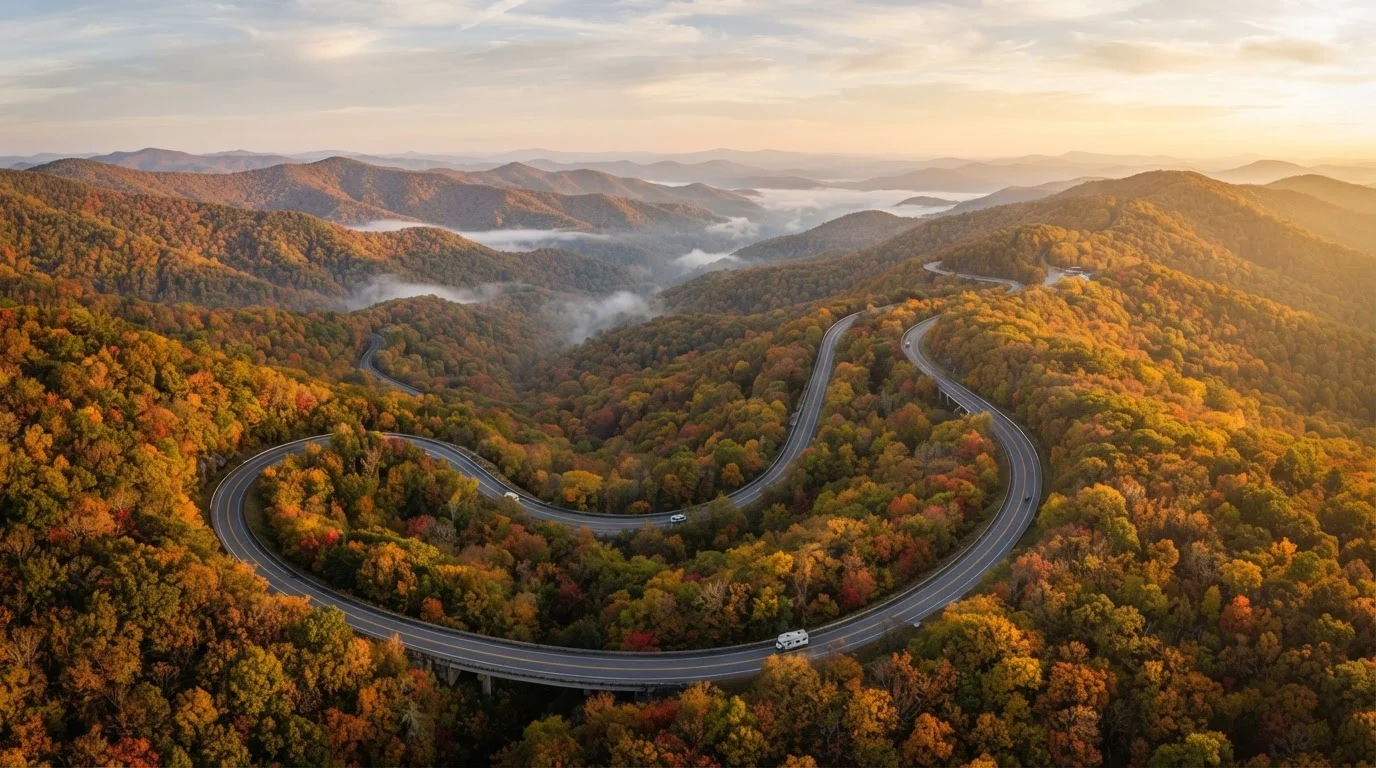
Solo travel demands a more deliberate safety framework. Sharing your route and check-in schedule with someone at home, keeping your vehicle in reliable condition before departure, and carrying basic emergency supplies aren't overcautions - they're baseline practices. Remote stretches of America's most scenic driving corridors can be hours from the nearest service station, and a breakdown alone has a different weight than one with company.
Realistic expectations are the most underrated preparation tool available. If you go in expecting effortless freedom and encounter a flat tire, a sketchy motel, or a day of flat, uninspiring highway, the gap between expectation and reality can undermine an otherwise solid trip. What nobody tells first-time road trippers covers this gap in practical terms worth reviewing before you leave. Go in prepared for the unglamorous stretches, and the transcendent ones will land even harder.