
Route Design: Freedom vs. Consensus
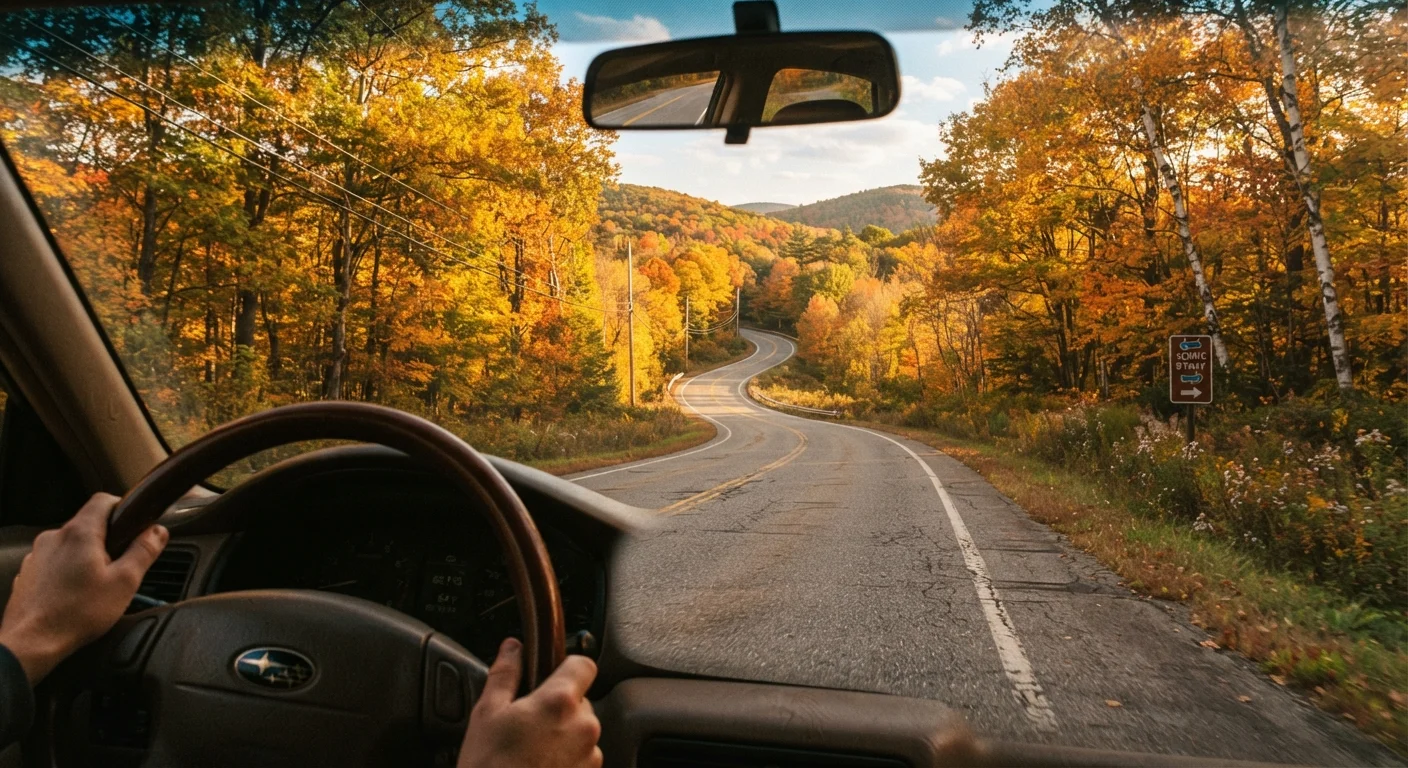
For the solo traveler, route planning is a conversation with yourself. You can pivot mid-drive, skip a town that lost its appeal, or add three unplanned hours at a roadside canyon without negotiating with anyone. That fluidity is one of solo travel's defining joys - and it allows for genuinely spontaneous itineraries that groups simply can't replicate.
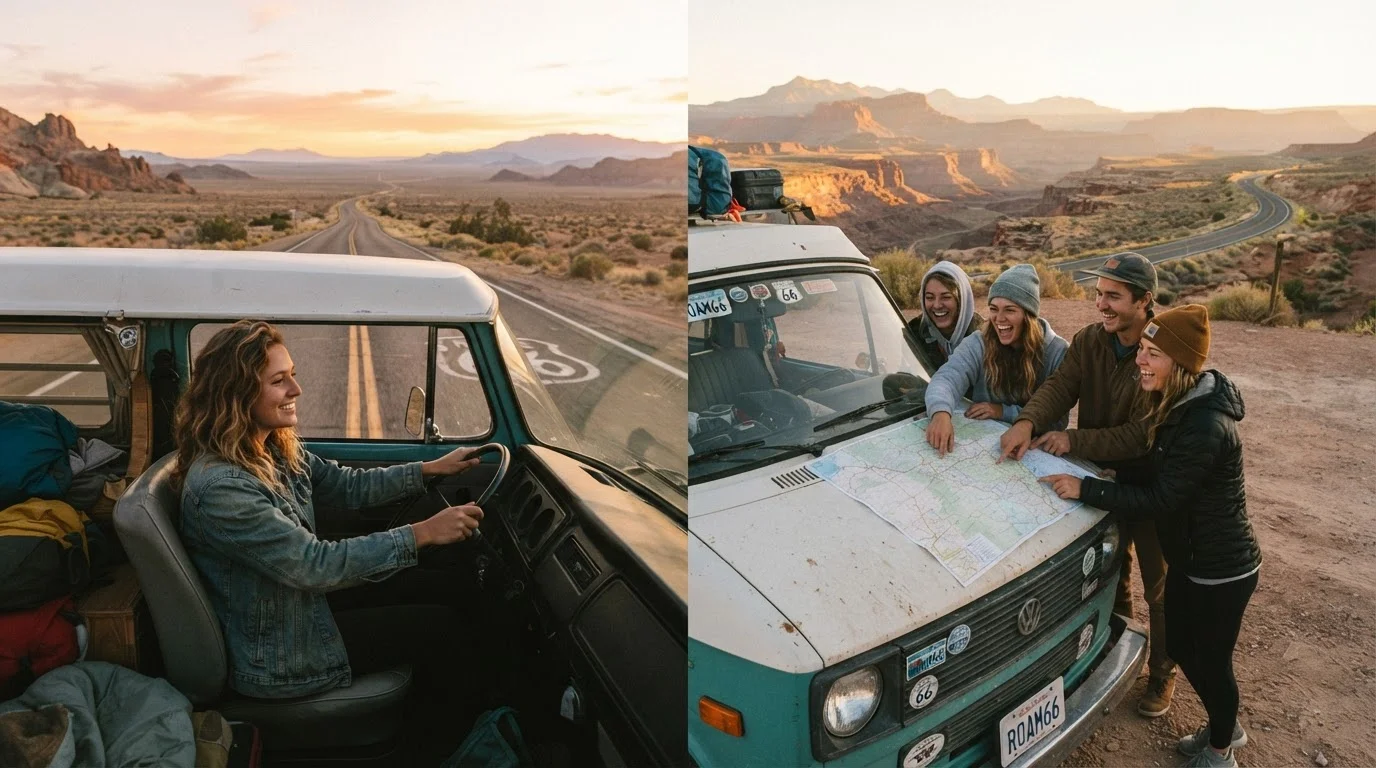
Group road trips introduce a different dynamic: routes must account for multiple interests, energy levels, and attention spans. A detour that thrills two passengers might bore the other three. The solution isn't to over-schedule, but to identify two or three anchor stops that everyone agrees on, then build flexible buffer time around them. Itinerary building principles suggest anchoring group routes around shared priorities and leaving space for individual exploration at each stop.
| Planning Factor | Solo Road Trip | Group Road Trip | |
|---|---|---|---|
| Route flexibility | Solo Road Trip | High - change plans anytime | Lower - requires group consensus |
| Accommodation booking lead time | Solo Road Trip | Often last-minute viable | Advance booking usually necessary |
| Per-person fuel cost | Solo Road Trip | Full cost, no sharing | Split across all travelers |
| Decision-making speed | Solo Road Trip | Instant | Slower, requires coordination |
| Safety backup | Solo Road Trip | Self-reliant, external contacts | Built-in mutual support |
| Budget complexity | Solo Road Trip | Simple, single-person tracking | Requires shared expense system |
| Pacing control | Solo Road Trip | Fully personal | Negotiated or scheduled |
Accommodation: One Room vs. a Logistics Puzzle
Booking for one is straightforward: hostels, motels, or campgrounds are all viable on short notice, and last-minute availability is rarely a crisis. Solo travelers have access to the widest range of lodging types - single rooms, bunks, and van-life setups are all feasible without coordinating anyone else's preferences.
Groups face a tighter window. Six people need six beds or a rental large enough to hold them - and both require advance planning, especially during peak season. Splitting costs across a vacation rental can make premium accommodation affordable per person, but someone has to manage the booking, collect payment, and hold the reservation. Camping vs. motels is a decision that solo travelers can make day-by-day; group travelers typically need to commit further ahead.
Lock In Group Accommodation Early
For group road trips, accommodation is the single hardest element to adjust last-minute. Identify your anchor overnight stops at least four to six weeks out and book before finalising any other details. Vacation rentals that sleep the full group often book faster than individual motel rooms during summer and holiday weekends. Building flexibility into your route is easier when you know where you're sleeping.
Budget and Costs: Personal Responsibility vs. Shared Complexity
Solo travelers carry 100% of every expense - fuel, food, lodging, and entry fees all land on one card. This makes budgeting clean and transparent, but it also means there's no cushion from cost-sharing. Fuel, in particular, is a significant solo expense on long routes.
Groups can split fuel, shared rentals, and groceries meaningfully, often lowering per-person costs substantially. The challenge is establishing a clear financial framework before departure. Undefined expectations around who pays for what are among the most common sources of group travel friction. Tools that track shared expenses help, but an honest conversation about budgets before the trip starts is the real planning essential. For a deeper look at managing the full financial picture of a road trip, see our end-to-end planning guide.
~38%
US adults who road tripped solo in recent years
Survey data from the American Automobile Association (AAA) has consistently shown solo road trips represent a significant and growing share of leisure driving trips taken by US adults.
3-5x
More accommodation options available to solo travelers
Solo travelers can access hostels, single motel rooms, and van or tent campsites that are impractical or unavailable for groups of four or more.
Safety, Communication, and Decision-Making on the Road
Solo road trippers carry the full weight of every in-trip decision - mechanical issues, navigation calls, and unexpected detours all fall to one person. That demands a higher level of preparation: a well-maintained vehicle, a reliable offline navigation option, emergency contacts who know your route, and a personal check-in protocol. The realities of solo road trips go well beyond the romantic image, and safety prep is where many first-timers underinvest.
Groups distribute that cognitive load - someone can navigate while another drives, and mechanical issues become a shared problem rather than a solo crisis. But group dynamics introduce their own friction: disagreements about timing, driving shifts, and unplanned stops can create tension. Designating a trip coordinator before departure - someone who holds reservations, manages the shared itinerary, and has final say on timing disputes - prevents most of that conflict. Group travel logistics require structure that solo travel simply doesn't.
Don't Skip the Solo Safety Protocol
Driving alone means no one automatically knows if something goes wrong. Before any solo road trip, share your full itinerary - including overnight stops and expected check-in times - with a trusted contact at home. Establish a daily or twice-daily check-in routine and identify what steps your contact should take if they don't hear from you. This isn't overpreparing; it's a baseline that experienced solo travelers treat as non-negotiable.