
Why Road Trip Mythology Endures - and Why It Matters
The open road carries more cultural weight than almost any other American travel archetype. From mid-century Route 66 mythology to the modern van life movement, the idea that driving equals freedom has been layered into the national imagination across generations. That mythology is genuinely inspiring - it has launched real adventures and shaped an entire cultural lineage from Route 66 to van life communities.
But myths that feel true can quietly mislead. New road travelers who inherit romantic assumptions without practical grounding often hit walls - logistical, legal, financial - that veteran drivers learned to anticipate. This isn't about dampening enthusiasm. It's about making sure the adventure you imagine is the one you actually get to have.
Myth
You can just go - no planning needed. The whole point of a road trip is pure spontaneity.
Fact
A baseline of planning - fuel stops, accommodation options, and weather awareness - prevents the kind of setbacks that end trips early.
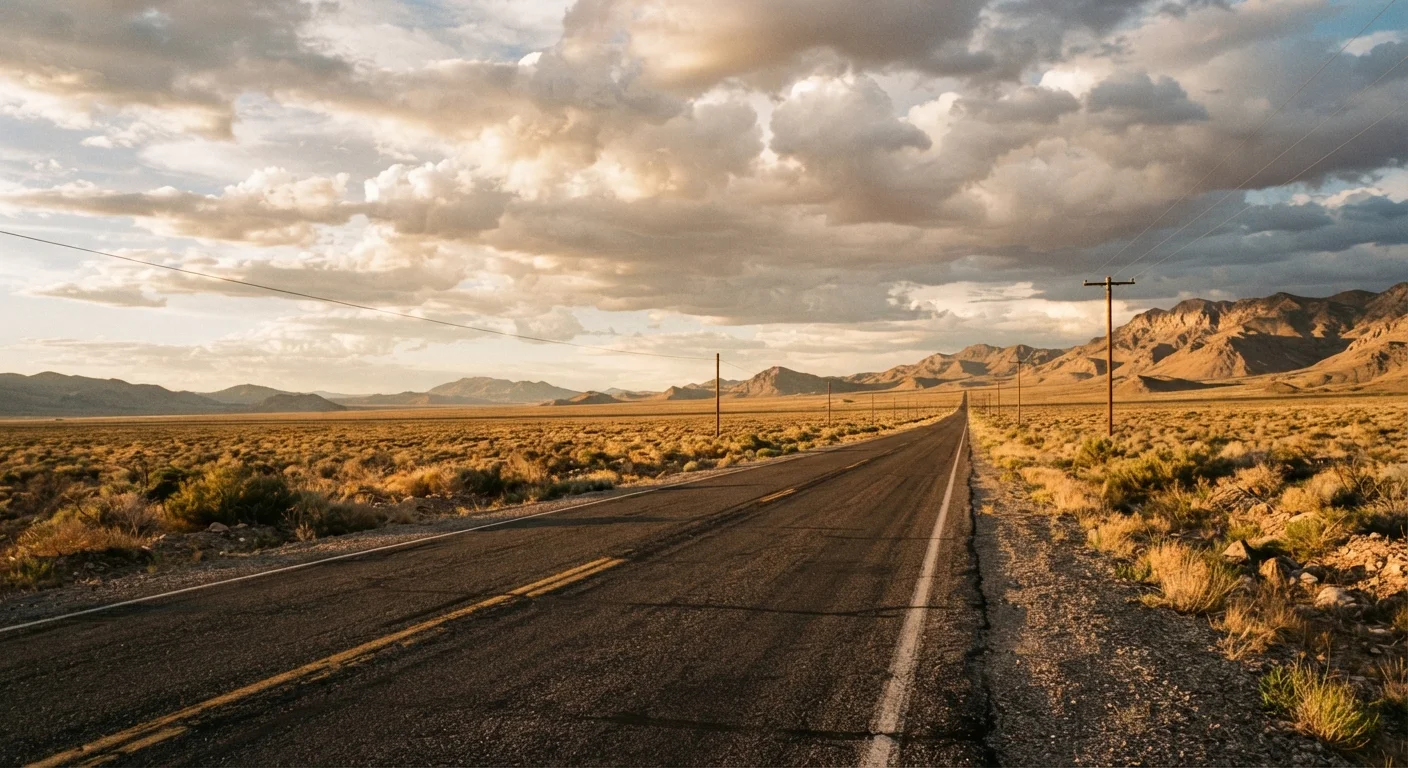
The spontaneity myth is one of the most seductive in road travel culture. Films and novels built a powerful image of throwing a bag in the car and disappearing, and that spirit is real and worth honoring. But experienced long-haul drivers know there's a difference between flexible and unprepared. Remote stretches of the American West can go 100+ miles between fuel stations. Booking nothing in advance during peak season in national park corridors often means sleeping in a parking lot - not by choice. The road trip planning fundamentals that seasoned travelers use aren't rigid itineraries; they're safety nets that preserve spontaneity rather than kill it.
Myth
You can sleep anywhere - it's a free country. Pull over when you're tired and rest.
Fact
Overnight parking and roadside sleeping are regulated by a patchwork of local, state, and federal laws that vary widely across the country.
"Free camping" on roadsides sounds liberating, but the legal landscape is genuinely complex. Many municipalities prohibit sleeping in vehicles within city limits. Bureau of Land Management (BLM) land does permit dispersed camping in many areas, but rules differ by region and require checking current land-use designations. Private property is simply off-limits without permission. Even rest areas have time limits in many states. Before assuming you can stop anywhere, verify local ordinances and land-use regulations for the specific corridor you're driving - official state and land management agency websites are the most reliable sources.
Myth
GPS handles everything. You don't need maps, directions, or a backup plan.
Fact
Cell coverage and GPS signal fail regularly in rural and mountainous regions; navigation redundancy is a practical necessity, not a retro affectation.
Dead zones aren't rare - they're expected across enormous stretches of the American interior. Canyons, mountain passes, and vast rural plains can knock out signal for hours. Relying exclusively on a live-data app in these conditions is a genuine risk. Downloadable offline maps, a physical road atlas, and a written note of key route numbers offer real security when technology fails. Our deeper look at navigation myths that derail drives covers exactly how and where these gaps tend to appear.
Myth
Road trips are cheap - just gas and snacks. Way more affordable than flying.
Fact
Total road trip costs routinely exceed initial estimates once fuel, food, lodging, tolls, parking, and vehicle wear are included.
Gas is the visible line item, but it's rarely the largest one for a multi-day trip. Meals add up fast when you're eating three times a day away from home. Lodging - even budget options - compounds over a week. Toll roads on popular corridors can run surprising totals. And vehicle costs (oil, tires, the statistical likelihood of a minor repair on a long journey) are real but easy to overlook in pre-trip budgeting. Road trips can be economical, but that outcome requires honest budgeting, not wishful thinking.
Myth
More miles per day means you see more. Push through to maximize the trip.
Fact
High daily mileage compresses experience, accelerates fatigue, and increases accident risk - slower days often produce richer travel.
There's a cultural pressure in road travel mythology to rack up distance as a measure of accomplishment. But the communities and traditions that define genuine road culture - the diner conversations, the detour to an unmarked canyon overlook, the small-town festival stumbled upon by accident - are almost exclusively discovered by travelers moving at a human pace. Long-haul travelers who treat driving as a lifestyle consistently describe depth over distance as the defining shift in their approach.
[important_callout]Myth
Solo road trips are dangerous. You shouldn't drive long distances alone.
Fact
Solo road tripping carries specific considerations, but with preparation it is a well-established, widely practiced form of travel.
Concern about solo driving often overstates risk while understating the genuine rewards of independent travel. The practical realities - staying alert with no co-pilot, having a reliable communication plan, sharing your route with someone at home - are manageable with forethought. Our honest look at solo road trip realities walks through both the challenges and the deep satisfactions that solo travelers consistently describe. Preparation, not avoidance, is the appropriate response to this particular myth.
Planning Smart Without Losing the Spirit
The common thread across all these myths is a tension between freedom and preparation - and the good news is that tension is almost always false. The most experienced road travelers carry flexible frameworks, not rigid schedules. They know which nights demand a booking and which roads invite improvisation. They check conditions and carry backups without letting either task slow their momentum.
America's legendary driving corridors reward exactly this kind of informed spontaneity: knowing enough to recognize when to detour, when to rest, and when to simply keep driving toward the light on the horizon.
100+ miles
Distance between fuel stops in remote Western corridors
Some stretches of highway in Nevada, Utah, and Montana exceed 100 miles between services - a critical planning consideration for any road tripper.
~35%
U.S. roads with limited or no cell coverage
Federal Communications Commission coverage data consistently shows significant rural dead zones across the American interior and mountain West.
1 in 25
Drivers reporting drowsy driving episodes
CDC surveys have found that approximately 1 in 25 adult drivers reported falling asleep at the wheel in the previous 30 days.
The road trip tradition is durable because it genuinely delivers - discovery, freedom, connection, and the particular satisfaction of moving through the world at your own pace. Letting go of the myths doesn't diminish that. It just makes sure the open road stays open all the way to the end of your route.