
What Makes a Village 'Overlooked' - and Why That Matters
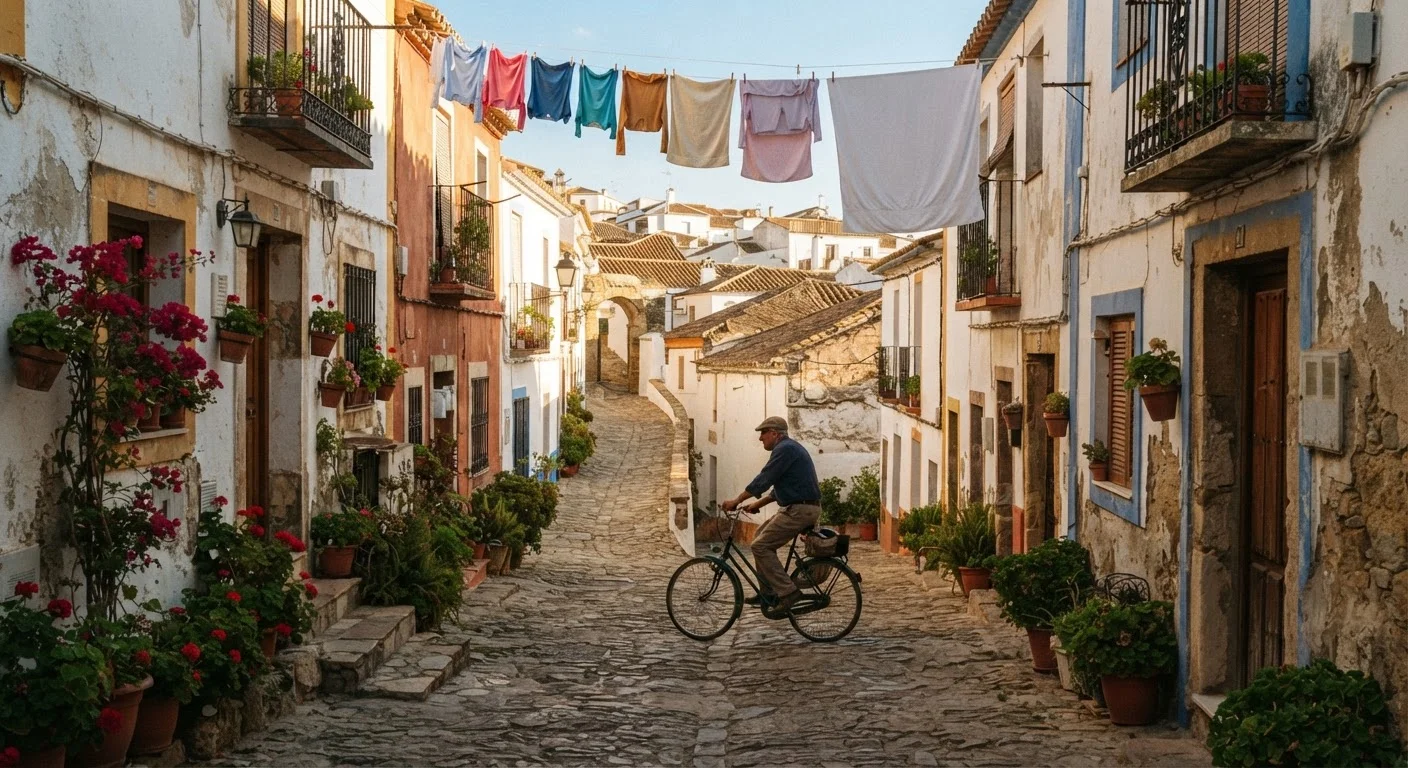
There is a particular kind of Europe that never appears on the mood boards: a shepherd's village in the Rhodope Mountains of Bulgaria where the weekly market has run uninterrupted for centuries; a tidal island off the Breton coast reachable only twice a day; a cluster of schist houses in Portugal's Beira Baixa where the stone walls seem to grow directly from the hillside. These places are not hidden in any dramatic sense - they appear on maps, they have post offices, their residents commute to nearby towns for work. What makes them overlooked is simply that international tourism has never organized itself around them.
That absence of organization is precisely what makes them interesting. When a place has not been packaged for visitors, it tends to remain legible as a real community. The café serves the coffee the locals drink, not a version calibrated for foreign expectations. The church festival is for the parish, not the camera. The guesthouse, if there is one, is usually run by someone who also grows their own vegetables.
Treating undervisited destinations as more than a novelty is a useful frame here: the reward of discovery carries a corresponding responsibility to tread lightly, spend locally, and arrive with curiosity rather than entitlement.
Top 5%
Cities receiving majority of European tourist arrivals
UNWTO data consistently shows that the overwhelming share of international arrivals in Europe concentrate in a small number of gateway cities, leaving rural and village destinations largely outside mainstream itineraries.
7 countries
Carpathian range spans across Europe
The Carpathian mountain arc crosses Poland, Slovakia, Ukraine, Romania, Serbia, Hungary, and the Czech Republic, yet remains one of Europe's least-visited highland regions among international travelers.
~40%
European rural tourism growth interest, post-pandemic
Industry surveys conducted in the early 2020s noted a marked shift in traveler interest toward rural and village destinations, though actual visitor numbers to such places remain a small fraction of urban totals.
A Geography of Overlooked Europe
The overlooked village is not confined to any single region - it is distributed across the continent in pockets that the standard grand-tour itinerary simply skips. The western Balkans hold some of the most intact medieval townscapes on the continent, largely because 20th-century history kept them outside the main currents of European tourism development. The interior of the Iberian Peninsula - Extremadura in Spain, or the Alentejo and the wild Douro gorge in Portugal - offers vast, sparsely visited landscapes anchored by small towns that predate the nation-states that now contain them. Portugal's interior regions are a particularly striking example of how thoroughly geography can insulate a place from mass tourism even in a country that receives tens of millions of visitors a year.
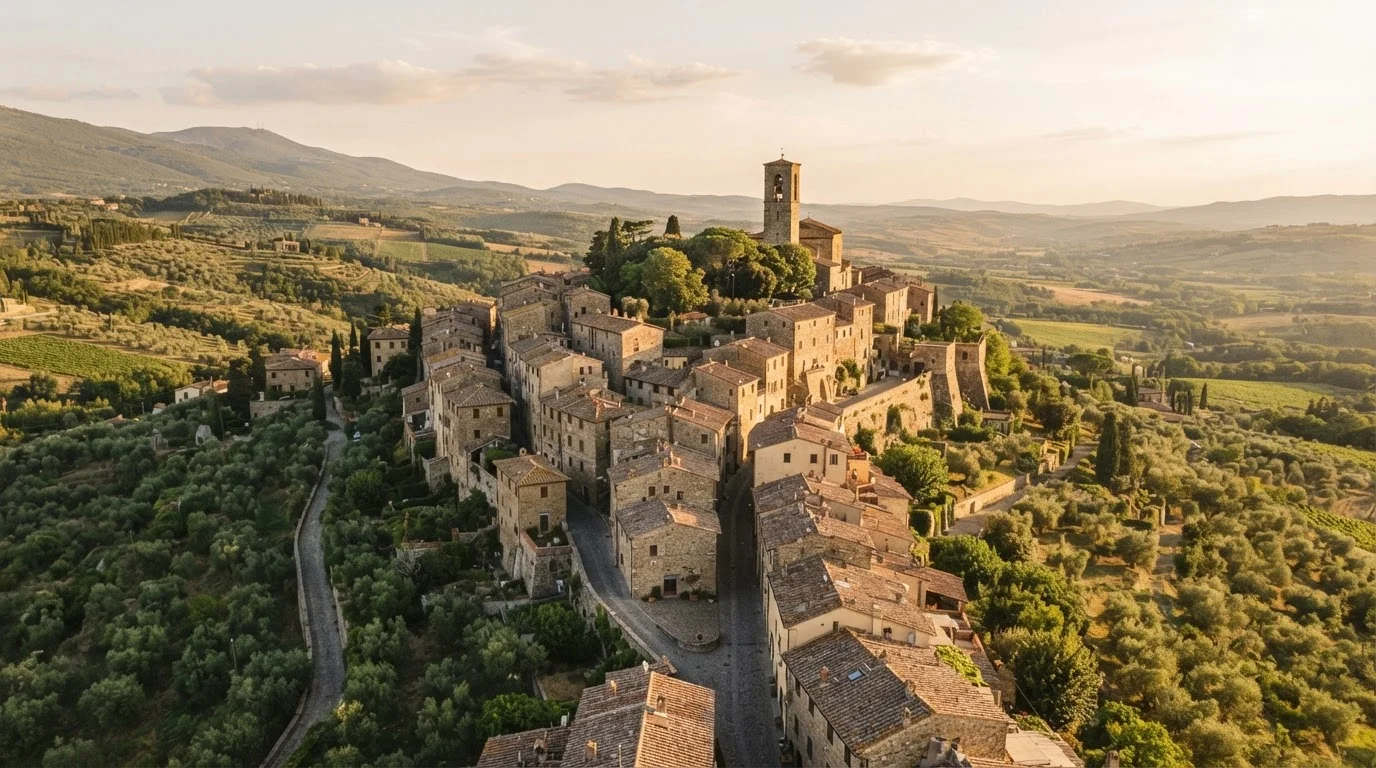
Central Europe rewards slower investigation too. Slovenia end to end is increasingly recognized, but its smaller neighbors contain villages - in the hills of northern Croatia, or along the Carpathian arc - that remain genuinely little-visited. The Carpathian route in particular crosses seven countries and contains some of Europe's last intact old-growth forest, yet most travelers treat it as scenery glimpsed from a motorway.
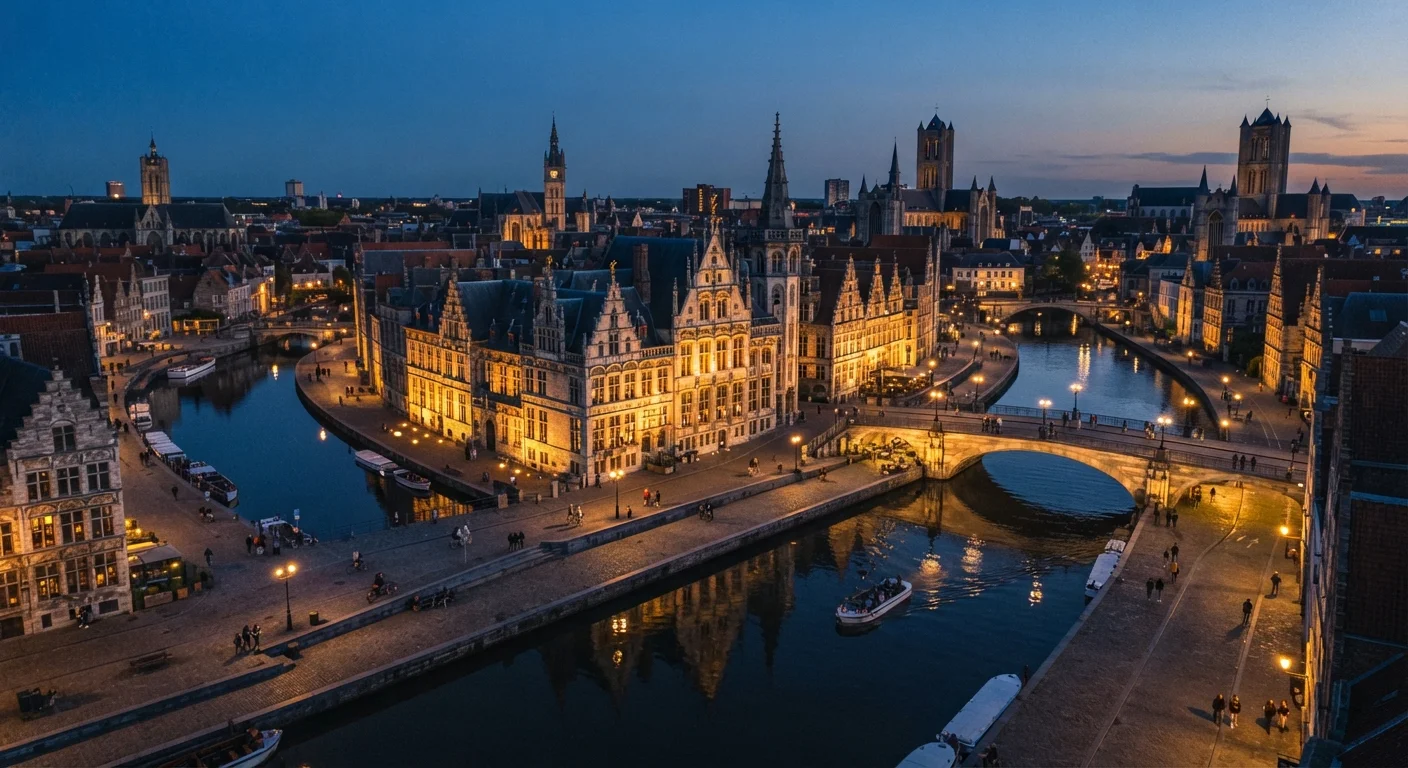
Even in heavily visited countries, the overlooked village persists. Belgium's Ghent offers a living medieval city that most visitors bypass in favor of Bruges. Rural Alsace beyond Colmar, the hill towns of Slovenia's Vipava Valley, the fishing hamlets of northern Portugal's Lima Valley - these are not obscure to the people who live there. They are simply waiting for travelers to look up from the highlights reel.
Practical Realities: Getting There, Staying, and Moving Around
The most common practical barrier to visiting smaller European villages is not distance - it is the assumption that they are difficult to reach without a private vehicle. That assumption deserves scrutiny. Regional rail networks in countries like Slovenia, Portugal, and the Czech Republic connect surprisingly remote settlements. Rural bus services, though less frequent than urban routes, often operate on schedules designed around local needs: market days, school hours, regional commutes. Narrow-gauge heritage railways in Wales, Romania, and Spain were built to serve mountain communities and still do.
River infrastructure opens another dimension entirely. River cruising on the Rhine, Danube, and Douro deposits travelers in small port towns that would otherwise require careful ground logistics to reach. For independent travelers, seasonal ferries and river taxis along lesser-known stretches of the Dordogne or the Danube tributaries can serve as both transport and experience.
Accommodation in overlooked villages tends to be small-scale: family-run pensions, converted farmhouses, village guesthouses, and the occasional agri-tourism estate. These are rarely bookable through the largest platforms - local tourist offices, national agri-tourism associations, and specialty travel operators familiar with the region are often more useful starting points. Timing matters too; off-season travel in smaller European destinations brings quieter streets but also genuine closures and weather shifts that require honest planning.
Research Local Transport Before You Assume You Need a Car
Before renting a vehicle, check the national rail operator's website and regional bus authority for the country you're visiting - many overlook genuinely good rural connections that run on market days and school schedules. Tourist offices in regional capitals are often underused resources for piecing together onward connections to smaller settlements. Arriving by local transport also tends to signal to communities that you are a different kind of visitor.
Changing the Way You Measure a Good Trip
Frequent travelers who have already accumulated Paris, Rome, and Barcelona often describe their first genuinely overlooked village with a particular kind of surprise - not that the place was extraordinary, but that the quality of attention it demanded was different. Without a queue for a famous painting, without a prescribed route between monuments, the traveler is thrown back on their own curiosity. The rewards tend to be proportional to the effort of noticing: the fresco in the unremarkable church, the market stall selling a regional cheese that has no English-language Wikipedia entry, the conversation made possible by the absence of a crowd.
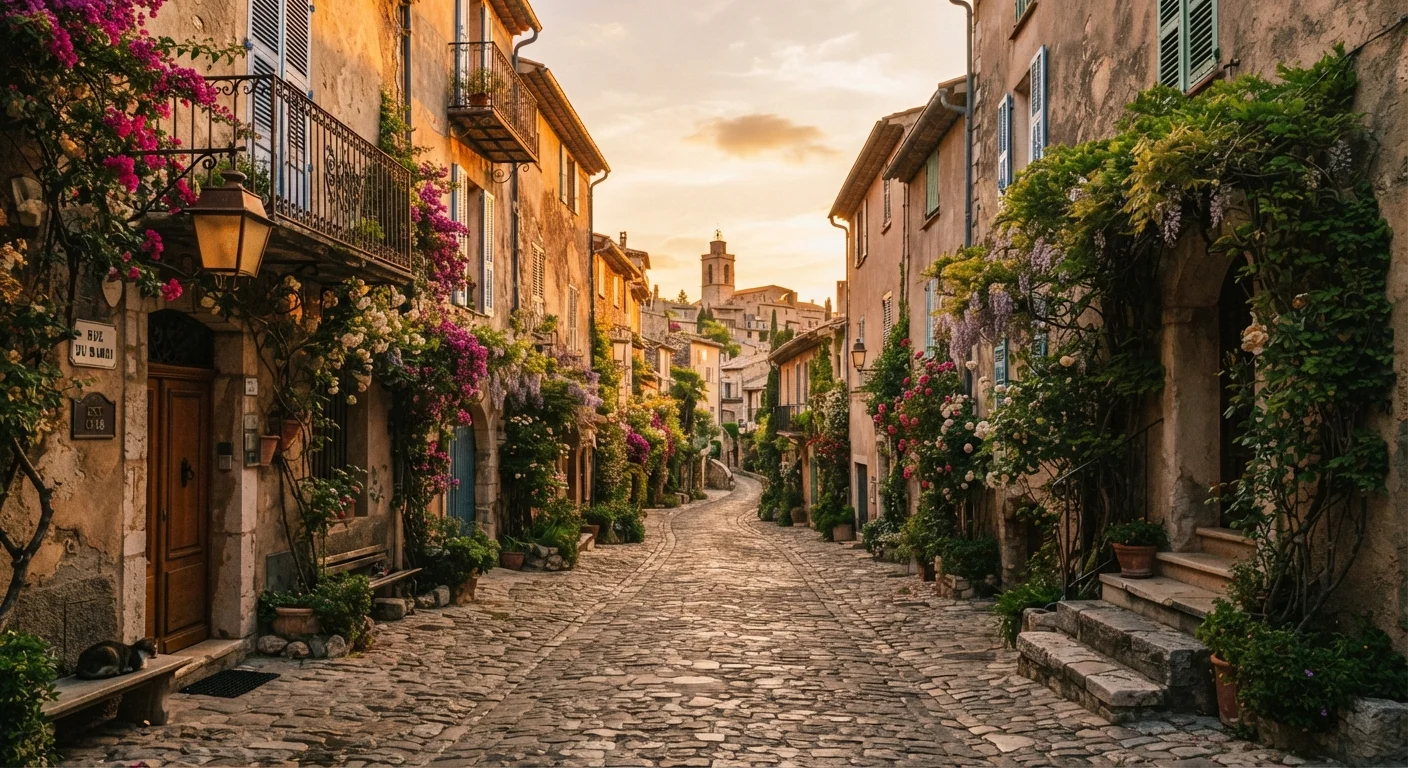
Common misconceptions about lesser-known European destinations - fears about language barriers, safety in the Balkans, infrastructure in rural France - keep many capable travelers away from places that would genuinely reward them. The gap between perception and reality is often the most useful thing to close before booking a flight.
The overlooked village is not a consolation prize for travelers who missed out on the famous one. It is a different category of experience altogether - one that tends to stay with you longer precisely because you had to work a little harder to find your way in.