
The Portugal Most Visitors Fly Straight Past
The Algarve is genuinely beautiful - no argument there. But anyone who has already worked their way through Lisbon's miradouros and Porto's riverside will feel the pull of something less rehearsed. Portugal's interior is a country within a country: slower, quieter, and operating on its own logic of time. Olive groves and cork forests replace beach towns. Megalithic stones older than Stonehenge stand unremarked in open fields. Villages built entirely of schist - a grey-green stone that catches the afternoon light like hammered silver - cling to hillsides that most rental-car itineraries simply never reach.
Much like the rewarding detours described in our piece on southern Italy's overlooked regions, the reward here is proportional to the willingness to leave the obvious route. The five interior regions below represent a genuinely different Portugal - not a consolation prize, but an upgrade for the curious traveler.
Plan Around Seasonal Rhythms
Spring (April-June) and early autumn (September-October) are generally the most comfortable seasons for exploring Portugal's interior, when temperatures are moderate and the landscape is at its most photogenic. Summer temperatures inland - particularly in Alentejo - regularly exceed 40°C (104°F), which limits outdoor exploration during midday hours. Some rural guesthouses and agritourism estates close during winter months; confirm availability directly before planning your itinerary.
Five Interior Regions Worth the Detour
Alentejo: Cork Forests, Megaliths, and Whitewashed Hill Towns
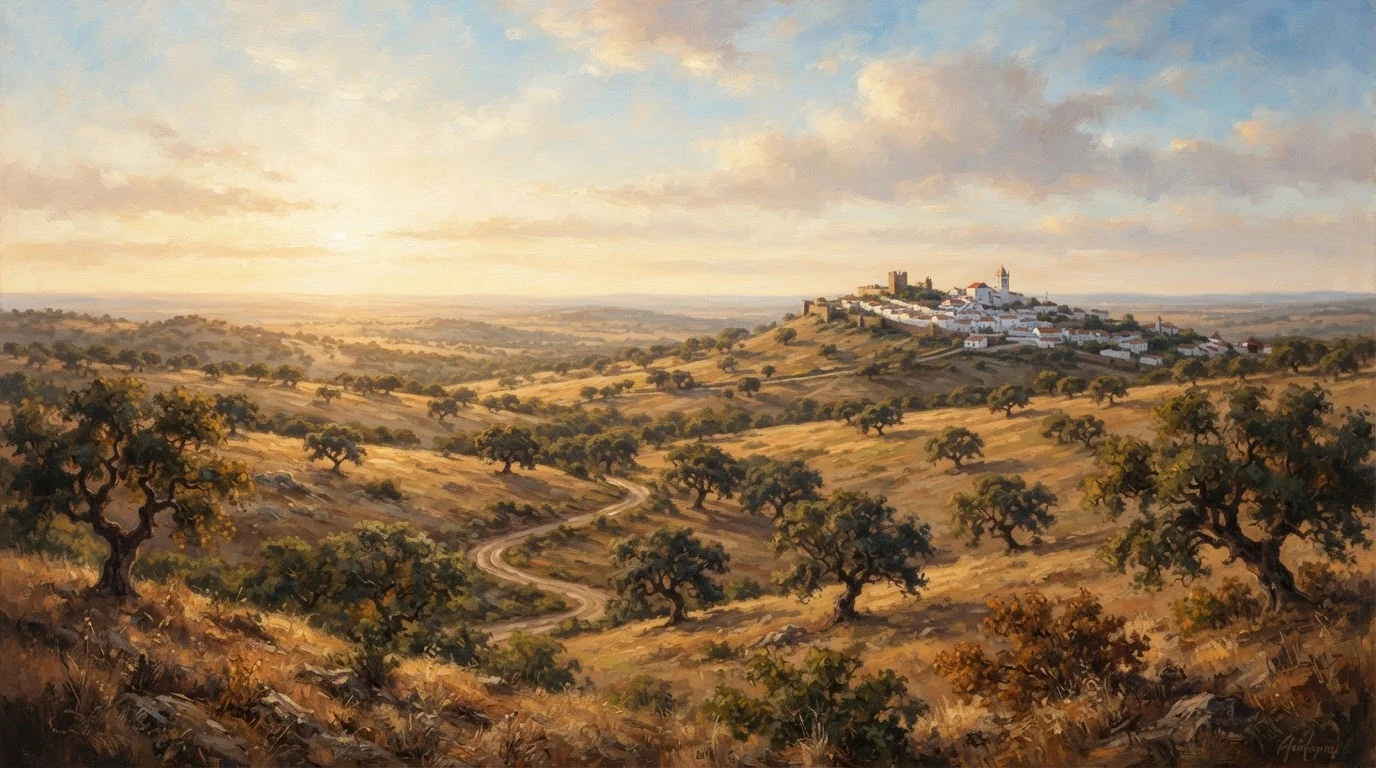
Alentejo covers roughly a third of Portugal's land area and receives a fraction of its international visitors. The region's defining feature is the montado - a managed agro-forestry landscape of cork oak and holm oak that creates one of Europe's most biodiverse habitats. Around the village of Guadalupe, near Évora, the Almendres Cromlech stands as one of the Iberian Peninsula's oldest megalithic sites: a stone circle predating most of Europe's famous prehistoric monuments, sitting in an open field with virtually no interpretive infrastructure between you and 7,000 years of history.
Évora itself - a walled Roman city with a medieval cathedral, a haunting bone chapel at the Igreja de São Francisco, and a pedestrianized center still genuinely used by locals - functions well as a regional base. Further south, the fortified hilltop town of Monsaraz overlooks a vast reservoir and the Spanish border, its cobbled interior essentially unchanged since the 15th century. Agritourism estates (herdades) in this region offer overnight stays with on-site olive oil and wine production - an immersive way to understand the landscape that simply isn't available on the coast.
The Almendres Cromlech predates most of Europe's famous prehistoric monuments and sits in an open field with virtually no crowds.
Beira Baixa: The Schist Villages of the Serra da Lousã Foothills
The Aldeias do Xisto - Schist Villages - are a network of around 30 hamlets in the Beira Baixa and Beira Litoral regions, many of them nearly abandoned by the late 20th century before a coordinated restoration effort began reversing the decline. Villages like Piódão, Gondramaz, and Figueira de Castelo Rodrigo were rebuilt using traditional materials and techniques, their stone houses now home to small guesthouses, craft workshops, and local restaurants serving bacalhau (salt cod) dishes specific to each microvalley.
What distinguishes this area from a conventional heritage tourism project is that the villages remain genuinely inhabited - not museum pieces. The Serra da Lousã itself offers well-marked hiking trails connecting settlements through chestnut and pine forest, with enough elevation change to make the routes physically engaging. The regional road linking these villages - the Rota das Aldeias do Xisto - is drivable in a standard car, though some connecting lanes narrow considerably. Distances between villages can be deceiving on a map; the winding mountain roads extend journey times significantly, which is part of the appeal.
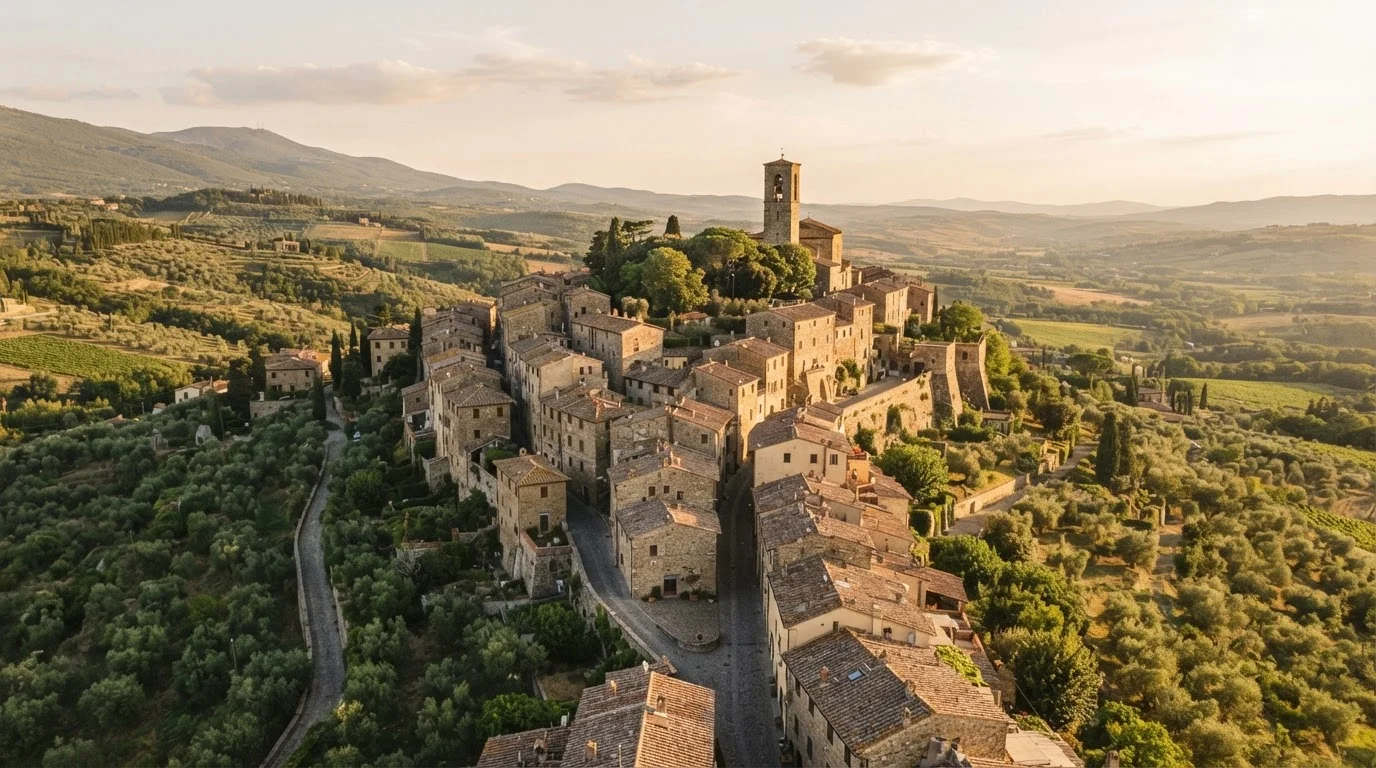
The schist villages remain genuinely inhabited - not museum pieces - with local restaurants serving dishes specific to each microvalley.
The Douro Gorge: Below the Wine Country, Beyond the Tour Boats
Most visitors to the Douro Valley experience it from a river cruise between Porto and Pinhão, or from the terraced quintas that line that well-traveled corridor. The lesser-known stretch of the Douro - further east, where the river cuts through the Miranda plateau near Freixo de Espada à Cinta - is a genuinely different proposition. The gorge here deepens, the valley walls steepen into almost vertical schist cliffs, and the river slows into long dark pools that reflect the sky. Tourism infrastructure is minimal, accommodation is sparse, and the villages along the gorge road operate at a pace that feels genuinely remote.
The town of Miranda do Douro, on the Spanish border, is notable for its own dialect - Mirandese, one of Europe's smallest recognized regional languages - and for a cathedral whose scale feels wildly out of proportion with its surroundings, a legacy of episcopal ambition in the 16th century. Griffon vultures nest in the gorge cliffs and are reliably visible to patient observers. This is the kind of Portugal that rewards the traveler who, as with the Carpathian route through Eastern Europe, understands that the most memorable landscapes are often the ones treated as scenery to pass through.
Miranda do Douro preserves Mirandese, one of Europe's smallest recognized regional languages, alongside griffon vultures nesting in gorge cliffs.
Serra da Estrela: Portugal's Only Alpine Landscape
The Serra da Estrela is Portugal's highest mountain range and its only area with a ski infrastructure - though skiing is a secondary draw and highly weather-dependent. The primary appeal is a high plateau landscape of granite boulders, glacial valleys, and ice-cold lagoons that feels entirely foreign within the context of a country most travelers associate with sunshine and coastal warmth. The Ice Valley (Vale do Rossim) and the Torre summit road traverse terrain more reminiscent of the Scottish Highlands than the Mediterranean.
The regional cheese - Queijo Serra da Estrela, a soft sheep's milk cheese with a protected designation of origin - is produced in farmhouses throughout the range and available at roadside stalls and local markets in a way that differs entirely from its presentation in Lisbon delis. The town of Manteigas sits in a deep glacial valley at the heart of the Natural Park and serves as the most practical base, with a small but functional selection of guesthouses. Hiking the Zêzere glacial valley trail in spring, when the river is high and the plateau wildflowers are active, is among the most visually striking walks available in Portugal without requiring technical equipment.
The Zêzere glacial valley in spring offers one of Portugal's most visually striking walks without requiring any technical equipment.
Trás-os-Montes: The Province That Time Mostly Ignored
The name translates literally as "behind the mountains" - and that geographic isolation is exactly what preserved Trás-os-Montes from the homogenizing forces that have reshaped much of rural Europe. This northeastern province borders both Spain and the Douro to the south, and its interior is a landscape of dark basalt plateaus, deep river valleys, and villages where traditional agricultural calendars still dictate the rhythm of daily life. Chaves, a Roman spa town with active thermal baths, a medieval bridge, and a fort repurposed as a cultural center, anchors the northern end of the region.
The Parque Natural de Montesinho, in the far northeast near the Spanish border, covers over 75,000 hectares of oak woodland, river valleys, and upland heath. It supports wolf and Iberian otter populations and offers unmarked hiking routes for travelers comfortable with navigation. The village of Rio de Onor, split administratively between Portugal and Spain, has historically operated as a single community across the border - an example of the kind of granular, specific cultural detail that repays travel off the standard itinerary. Basic accommodation exists in Bragança, the provincial capital, which also holds one of Portugal's best-preserved medieval castles.
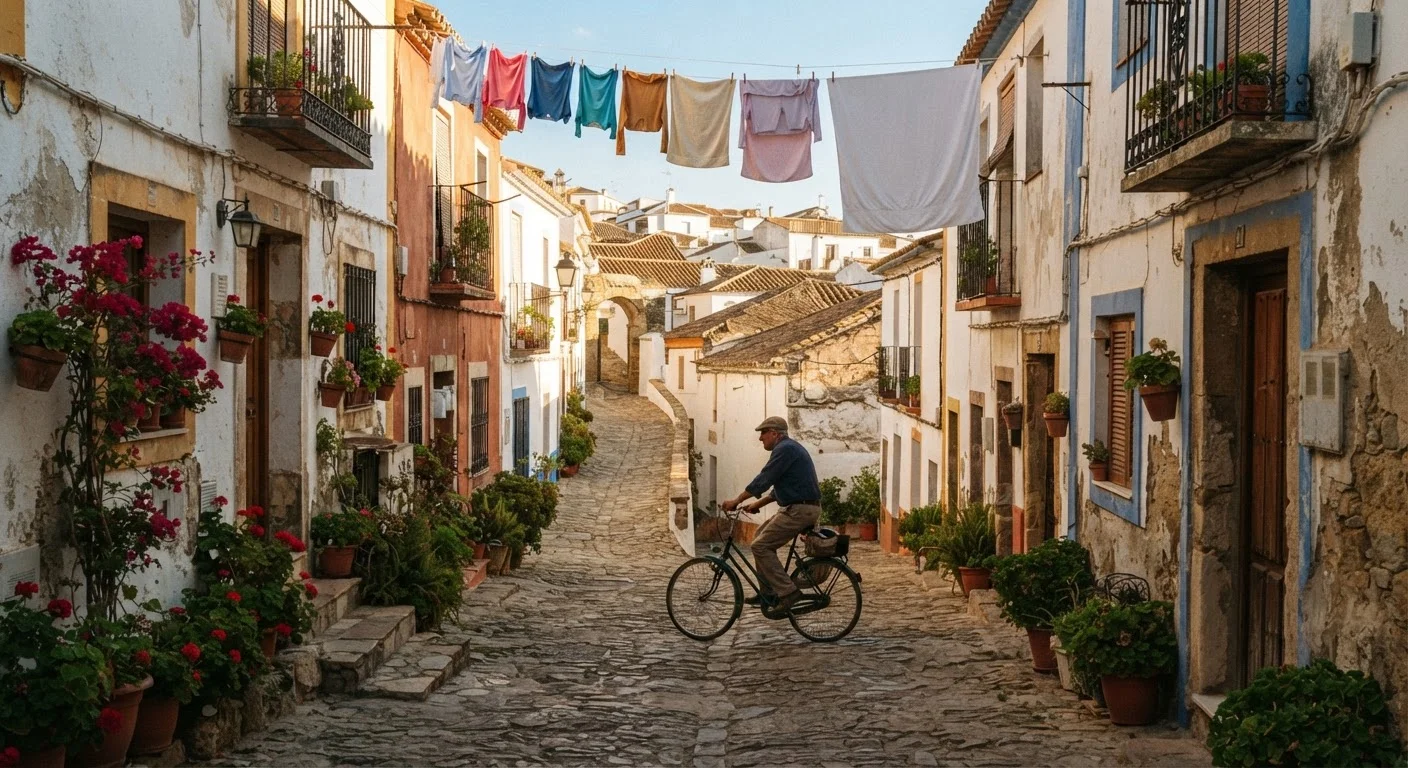
Rio de Onor straddles the Portugal-Spain border and has historically functioned as a single cross-border community - a detail no guidebook quite captures.
Practical Logistics to Verify Before You Go
Road quality varies significantly across Portugal's interior regions, and some routes to schist villages or the Douro gorge involve narrow mountain roads. Travelers relying on public transport should research regional bus and train schedules carefully, as services can be infrequent, particularly on Sundays and public holidays. Always check current entry requirements, driving regulations, and any applicable travel advisories through official Portuguese government and tourism sources before your departure.
Getting There and Traveling Between Regions
A rental car remains the most practical way to move between these interior regions, particularly for reaching the schist villages of Beira Baixa and the wilder stretches of the Douro gorge. Regional bus services connect larger towns like Évora, Castelo Branco, and Beja, though schedules thin out on weekends. Trains run from Lisbon to Évora in under two hours, making Alentejo the most accessible entry point for those without a vehicle.
The interior shares something with the deeply layered rural interiors explored in our guide to the Basque Country's interior villages and valleys: neither region rewards impatience. Build in a minimum of three nights per area to let the rhythm of the place settle. As always, confirm road conditions, accommodation availability, and any applicable travel advisories through official Portuguese tourism and government sources before your trip.