
Why Off-Season and Lesser-Known Are a Powerful Combination
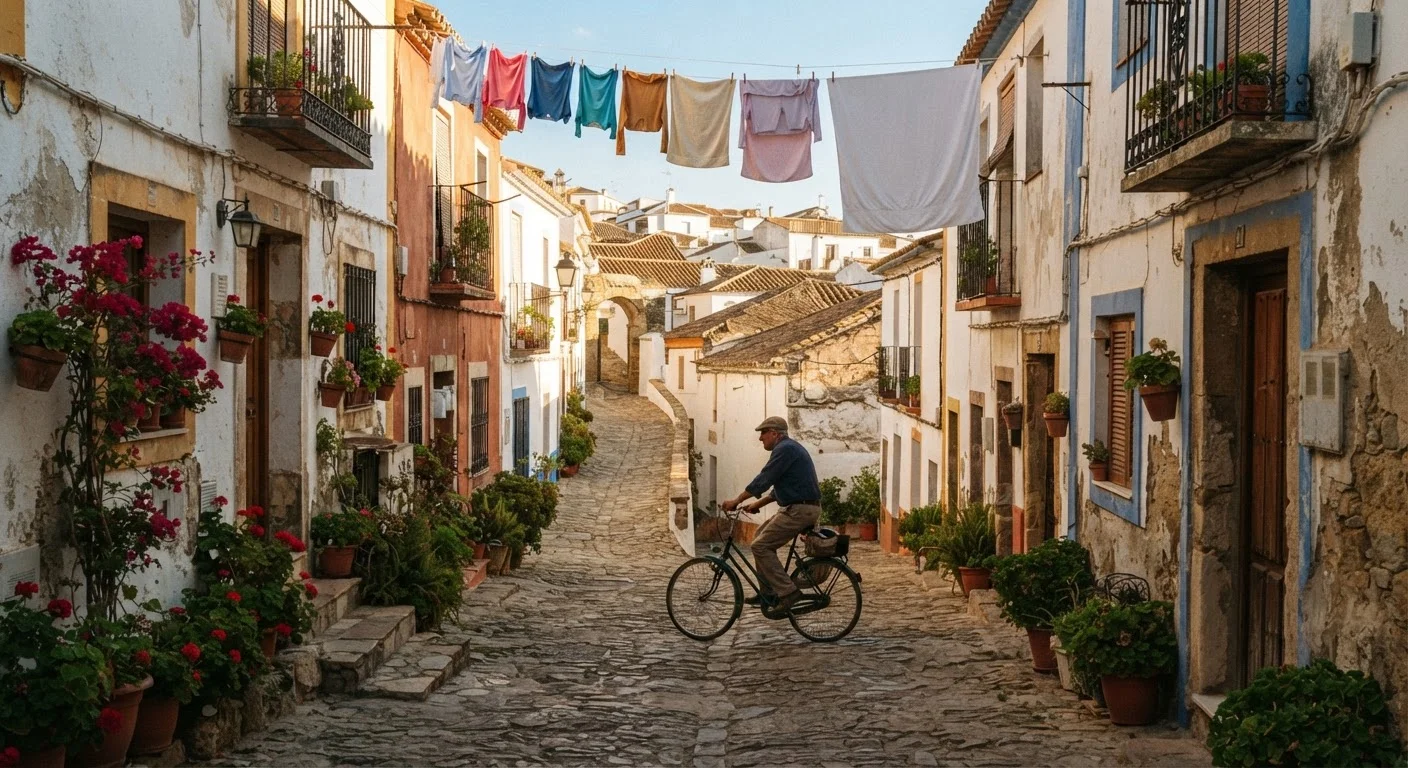
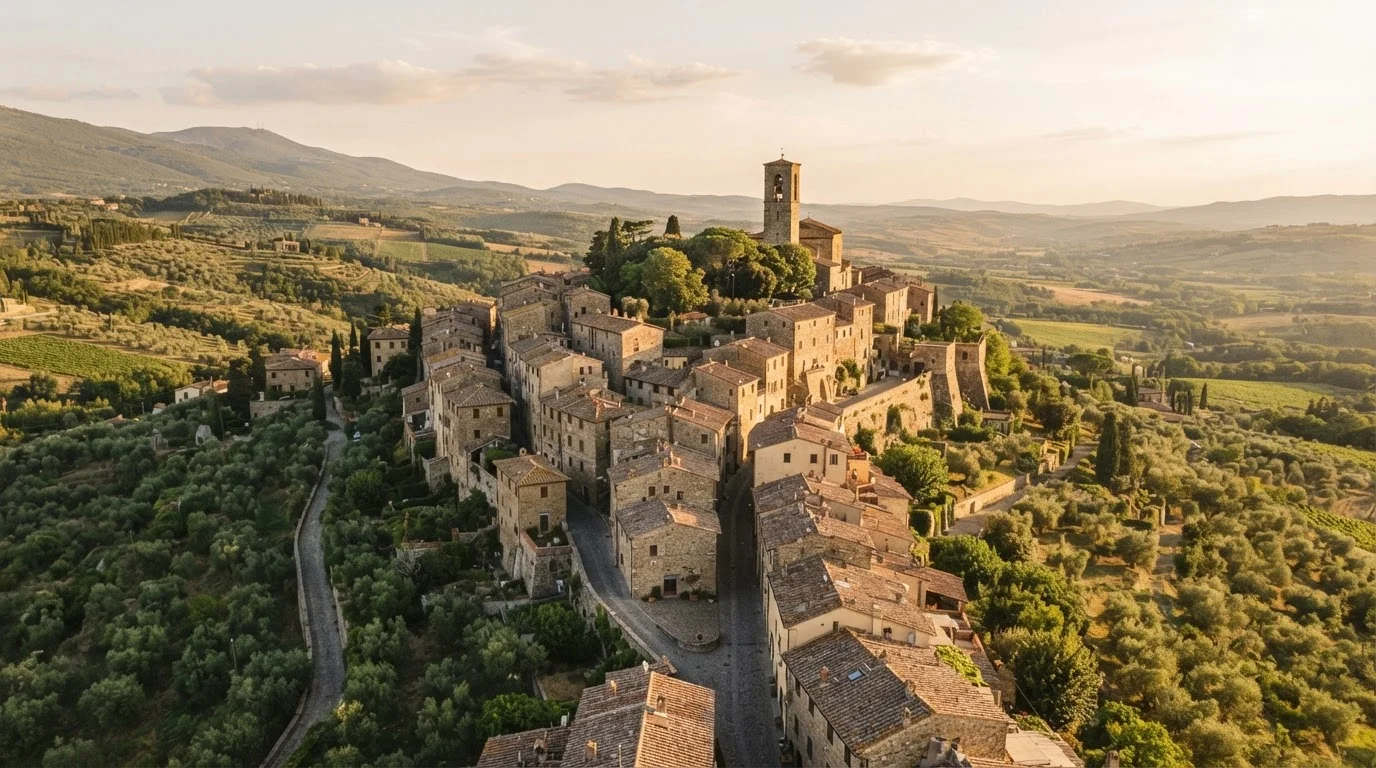
Traveling Europe outside peak summer months is already a different proposition than July in Rome. But pair off-season timing with a destination most travelers haven't heard of - a hilltop town in Montenegro's interior, a fishing village on Albania's Riviera, a Carpathian valley straddling the Slovak-Polish border - and the experience shifts entirely. The usual calculus changes. Crowds thin to almost nothing, prices at locally run guesthouses tend to drop, and the texture of daily life becomes visible in ways that packed summer itineraries rarely allow.
That said, the same obscurity that makes these places compelling in August can create real logistical friction in November. Many assumptions about off-the-beaten-path Europe already give travelers pause - off-season travel layers on a further set of variables worth understanding before you go.
The rewards are genuine. So are the trade-offs.
What Actually Changes: Closures, Transport, and Seasonal Rhythms
The most practical shift is infrastructure. Smaller European destinations - the kind covered in Europe's overlooked villages - often depend on seasonal tourism for their economic calendar. When that window closes, so do a significant number of restaurants, museums, boat services, and family-run accommodation. A taverna that anchors a village's social life in summer may simply lock its doors from late October through Easter.
Contact accommodation directly and ask specific questions about what's open nearby in your travel window.
Online listings rarely reflect seasonal closures accurately. A guesthouse owner in a small village knows exactly which restaurants and services will be operating and can set realistic expectations - or redirect you to a better-timed visit.
Build flexible buffer days into any multi-stop itinerary to absorb weather or transport disruptions.
Off-season transport networks run thinner, and weather in mountainous or coastal regions can close roads or cancel services without much warning. A rigid schedule that works in summer becomes fragile in November.
Research which sites or attractions have year-round operation before committing to a destination for a specific experience.
Some of the best experiences in lesser-known destinations - particular museums, heritage sites, guided hikes - are only available during defined seasonal windows, and the information isn't always easy to find online.
Rent a car for shoulder and winter travel to areas with limited regional transport links.
Local bus and minibus networks that serve smaller communities shrink dramatically off-season. Having independent ground transport opens up villages that are effectively inaccessible by public transit in winter months.
Pack for a wider weather range than the destination's average suggests.
Temperature and precipitation variance is higher off-season, particularly in transitional months. Conditions that feel mild at sea level can be genuinely harsh at altitude or inland - and unexpected cold makes sightseeing miserable without the right layers.
Transport is the other major variable. Regional bus routes connecting smaller towns frequently run skeleton schedules off-season, and some inter-island ferry routes in the Aegean or Adriatic suspend entirely. If you're planning a route through southern Italy's interior - say, Matera and the villages around it, as explored in Basilicata and Puglia - a car becomes far more useful in January than it is in June, when bus connections are more frequent.
What Doesn't Change: Landscape, Character, and Local Life
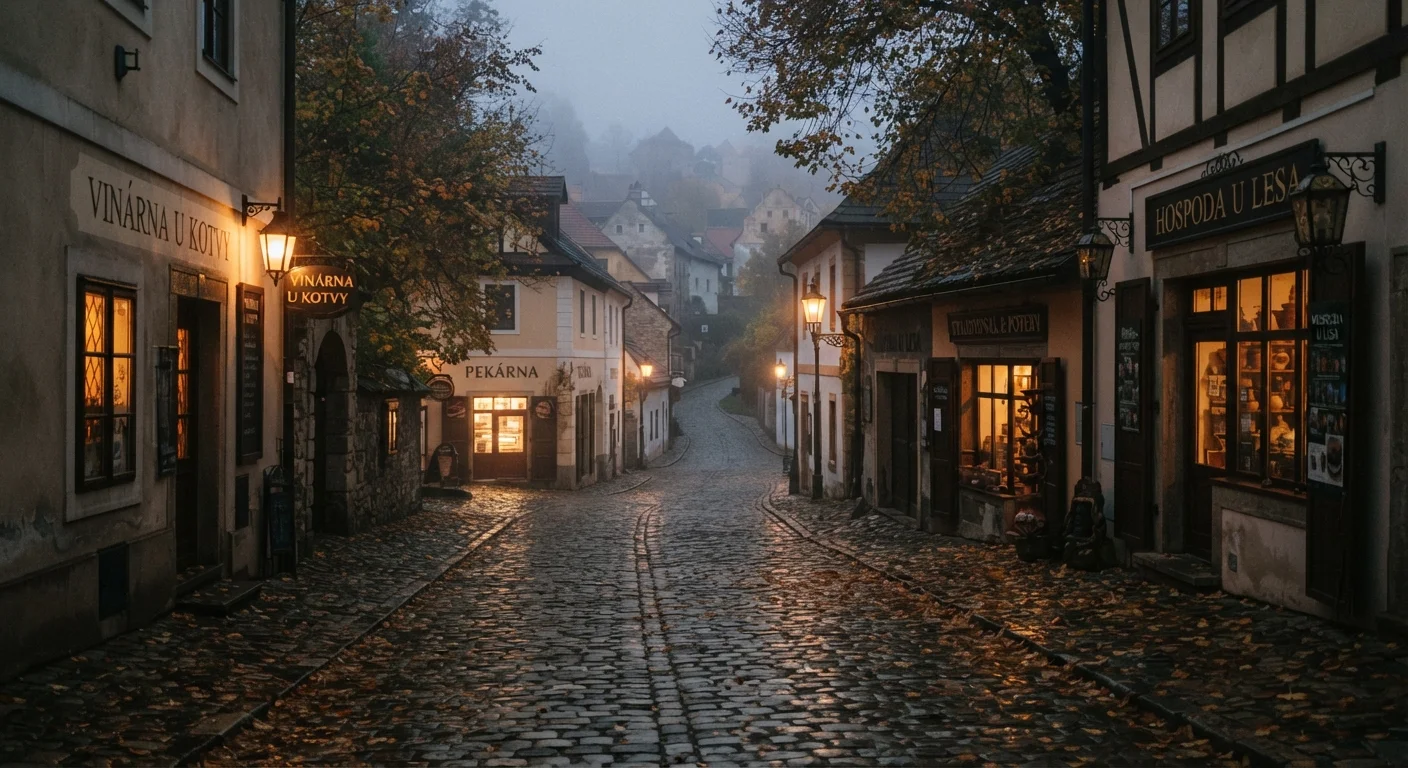
The landscape, in most cases, is undimmed. The Carpathians in late autumn carry a particular weight - mist in the valleys, the last color in the beech forests, wolves more likely to be heard than seen. The Carpathian route rewards slow travel in any season, but the absence of summer hikers changes the mood entirely.
“The traveler who goes in low season doesn't see less of a place - they see a different layer of it. The one that belongs to the people who live there.”
— Pico Iyer, Travel writer and author of 'The Art of Stillness' and 'The Global Soul'
More importantly, local life continues. Markets still run. Bakeries still open at dawn. The café where the same four people have played cards every Tuesday morning for thirty years still fills up at ten. This is the version of Europe that off-season, off-itinerary travel is uniquely positioned to reach - and it's the version that seasonal planning done carefully can unlock.
Practical Guidance for Getting It Right
A few approaches consistently separate a well-executed off-season trip from a frustrating one.
Weather deserves more research than most travelers give it. The Adriatic coast is mild and often sunny through October and into November; the same weeks in the Carpathian highlands can bring early snowfall and closed mountain roads. Neither is wrong - but they require different gear, different expectations, and different contingency plans. Consult region-specific forecasts and recent traveler reports rather than relying on general country-level guidance.
Finally, entry requirements, visa rules, and local advisories can shift. Before finalizing any itinerary, particularly to Balkan or Eastern European destinations, consult your government's official travel advisory service and verify current entry conditions with the destination country's embassy or consulate. The practical preparation checklist for lesser-known European destinations is a useful starting framework for this verification process.