
The Spectrum: From Boutique to Behemoth
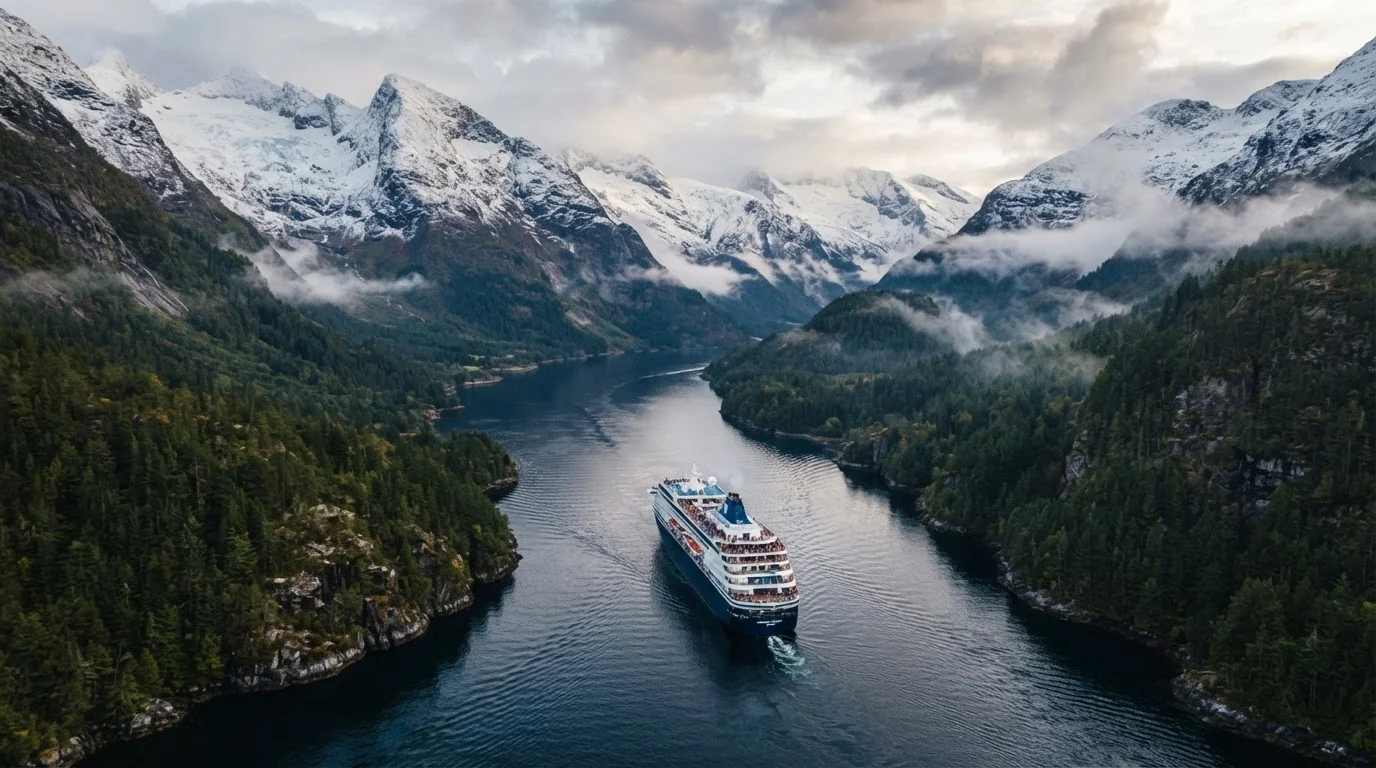
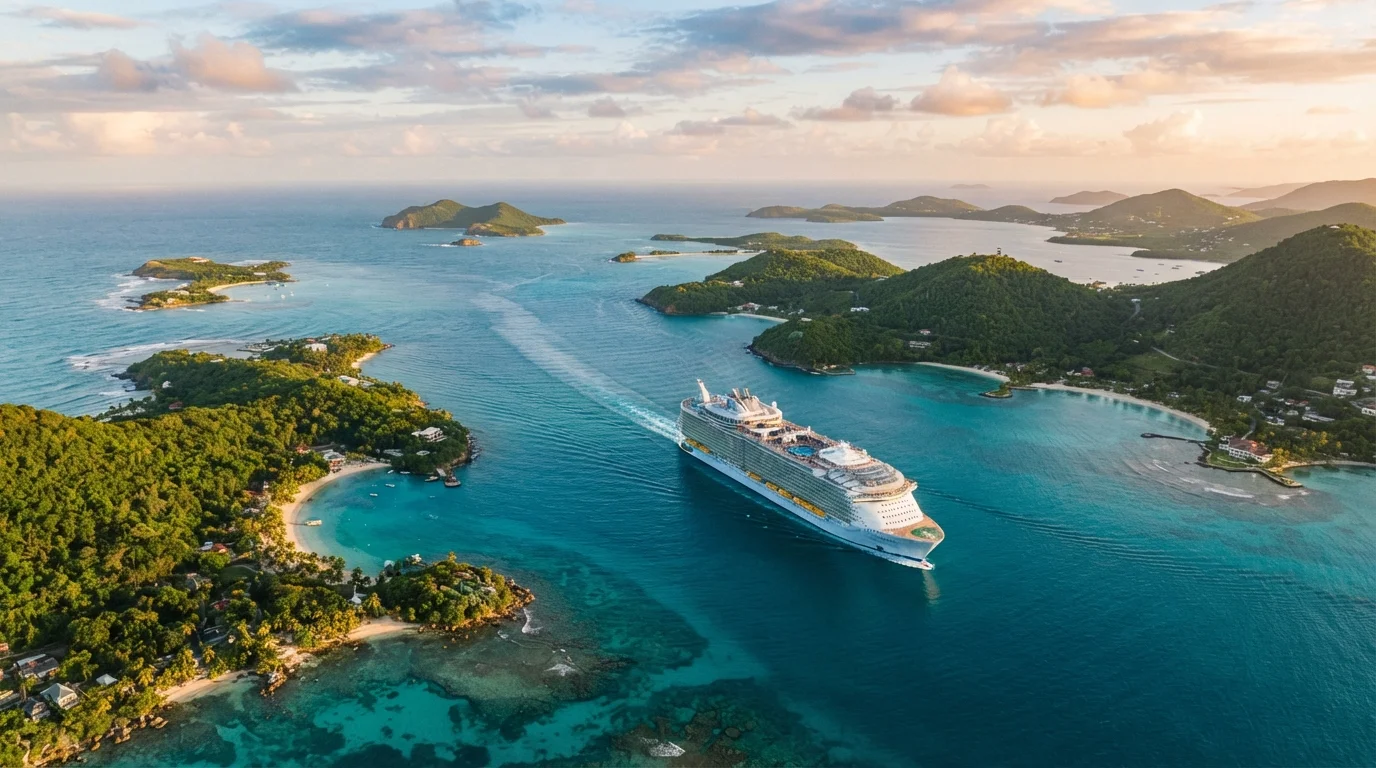
Modern cruise ships span an extraordinary range. At one end sit intimate expedition vessels carrying fewer than 200 guests into the fjords of Svalbard or the channels of Patagonia. At the other end, the largest megaships in service carry over 7,000 passengers across the Caribbean with waterslides, multiple deck bars, and Broadway-style theaters onboard.
Understanding where a ship falls on this spectrum - and what that means practically - is one of the most underused planning tools available to experienced cruisers. A single cruise line can operate ships across several of these categories, so brand loyalty alone won't tell you what your days at sea will actually look like.
7,600+
Maximum passenger capacity of the world's largest cruise ships
The largest ships in service, such as Icon-class vessels, carry more guests than many small towns have residents, according to published shipyard specifications.
~200
Typical passenger count on expedition small ships
Expedition-class vessels operating in polar or remote regions commonly carry between 100 and 200 guests to meet environmental and port-access requirements.
12-20
Dining venues typically found on megaships
Industry analysts note that large contemporary ships have expanded food-and-beverage offerings significantly, with specialty dining now a core revenue and experience differentiator.
How Passenger Capacity Shapes Daily Life Onboard
The most immediate effect of ship size is crowd density. On a megaship, peak hours at the pool deck, main dining room, or disembarkation gangway can mean genuine queuing. Operators mitigate this with staggered dining times, multiple venue options, and app-based reservations - but the fundamental math of 5,000 people sharing a finite space remains.
On a mid-size or small ship, the rhythm is different. You recognize fellow passengers by the second sea day. Staff learn your preferences. Dining involves a single sitting with the same group of faces. Whether that intimacy is appealing or claustrophobic depends entirely on the traveler.
Dining structures vary dramatically by ship size: megaships typically offer eight to twenty distinct dining venues; small ships may have two or three. More options mean more flexibility but also more decisions, reservation requirements, and potential upcharges.
Check the Ship, Not Just the Line
When comparing sailings, look up the specific ship name and its passenger capacity alongside the cruise line brand. A line's newest megaship and its older mid-size vessel may share a logo but deliver very different daily rhythms. Most cruise line websites list capacity and ship class - use that data as a planning tool, not just an afterthought.
Port Access: The Hidden Advantage of Going Small
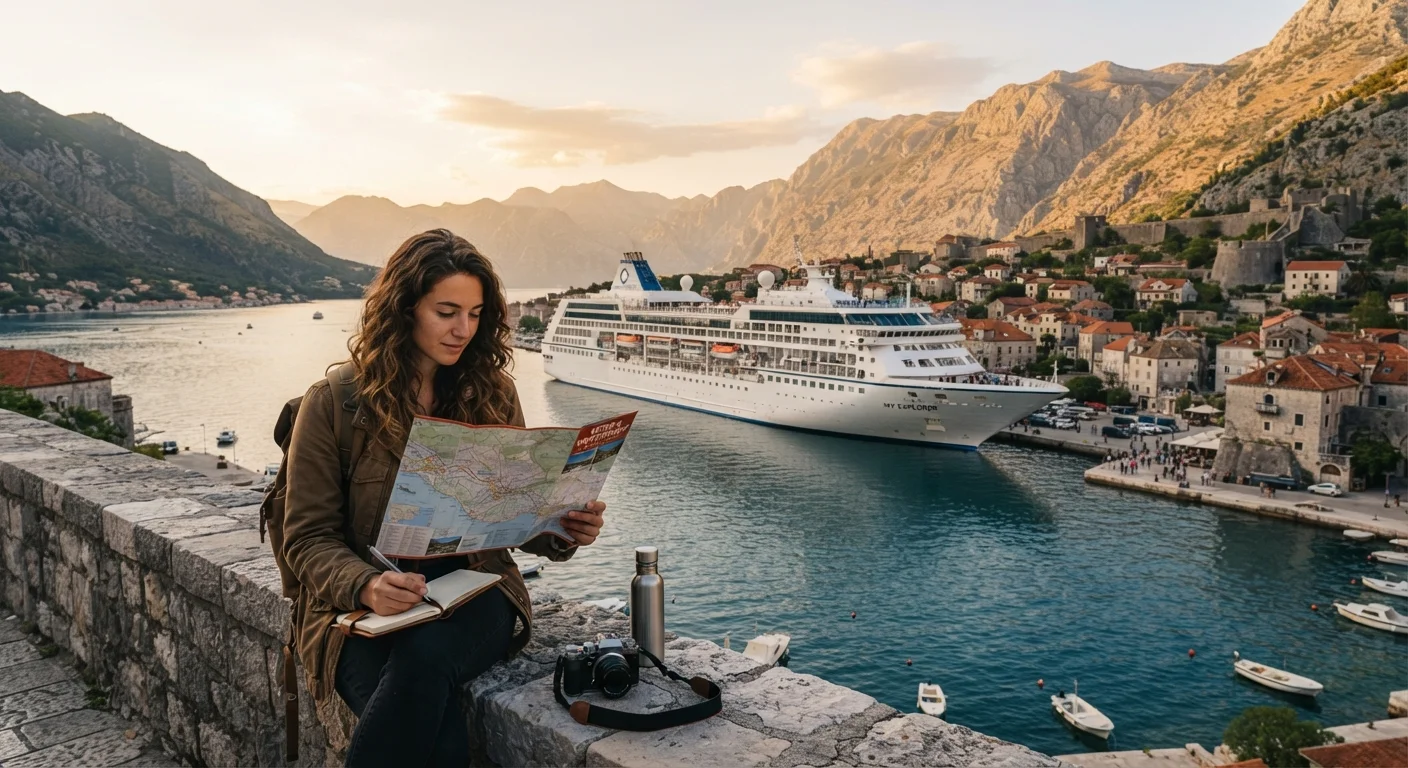
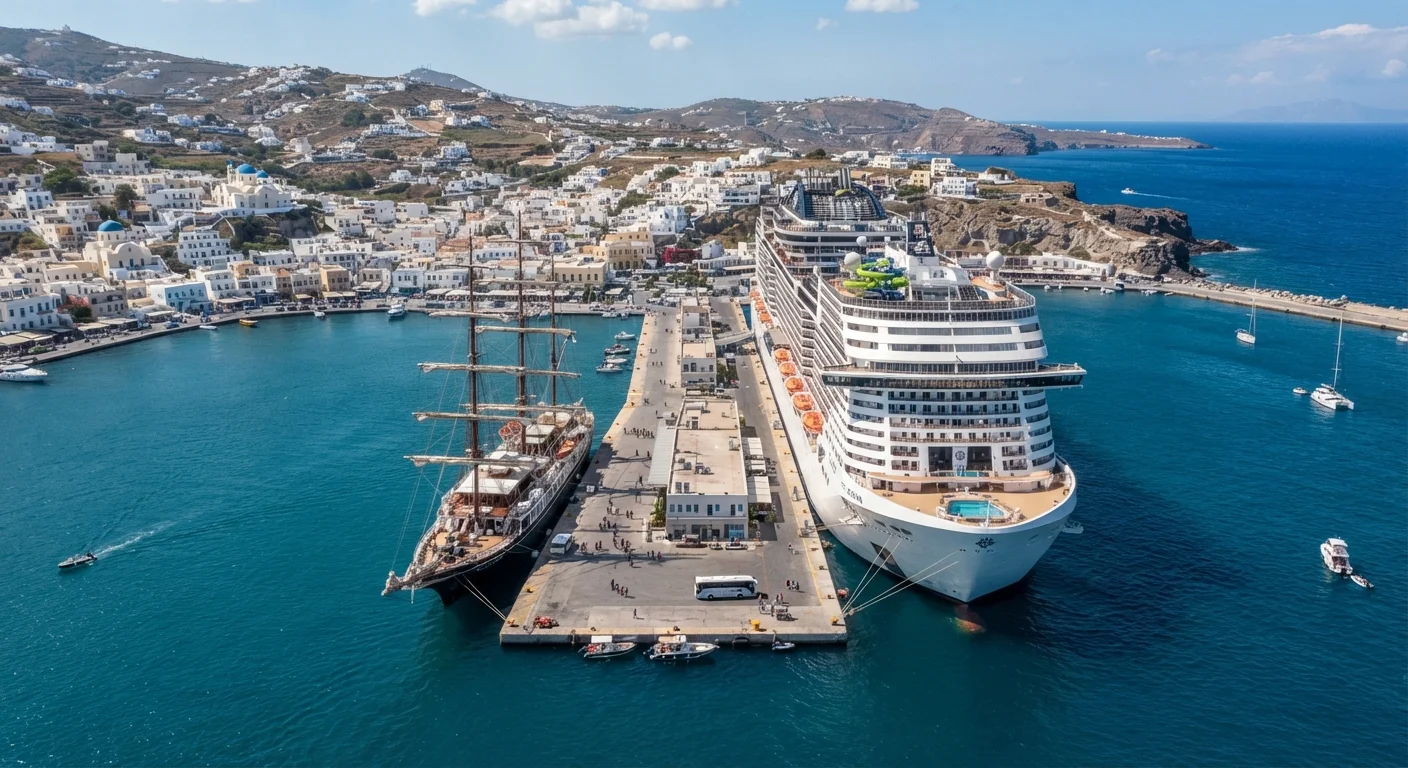
Ship size has a concrete geographical consequence: it determines where you can go. Large cruise terminals - Miami, Barcelona, Singapore - are built to accommodate megaships. But the village harbor in the Azores, the dock at a remote Norwegian village, or a pristine bay in the Galápagos may have a depth restriction or pier length that puts it off-limits for any ship above a certain tonnage.
Small-ship voyages unlock a different category of destination entirely - one where the experience ashore is often the reason for the voyage itself. For cruisers chasing off-the-beaten-path itineraries, this single factor can be decisive.
It's also worth noting that transatlantic crossings and long ocean passages favor larger ships, where stability, speed, and the breadth of onboard programming make extended sea days more manageable.
Matching Ship Size to Your Cruising Style
There is no universally correct ship size - only the right fit for a particular traveler's priorities. A family with teenagers may thrive on a megaship's activity roster. A couple seeking quiet mornings and unpretentious wine-pairing dinners may find the same vessel exhausting. Experienced cruisers who feel they've exhausted the standard Caribbean itinerary often find that switching ship size - rather than destination - is the more transformative change.
The contrast between ocean and river cruising introduces another dimension entirely: river ships are inherently small by nature, carrying 100-200 passengers, with an itinerary pace and cultural immersion model that differs fundamentally from ocean voyaging at any scale.
For practical planning across any route, the Cruise Life Hacks hub and Cruise Itineraries hub offer destination-specific guidance to help match ship type to route.