
Ship Size and the Passenger Experience
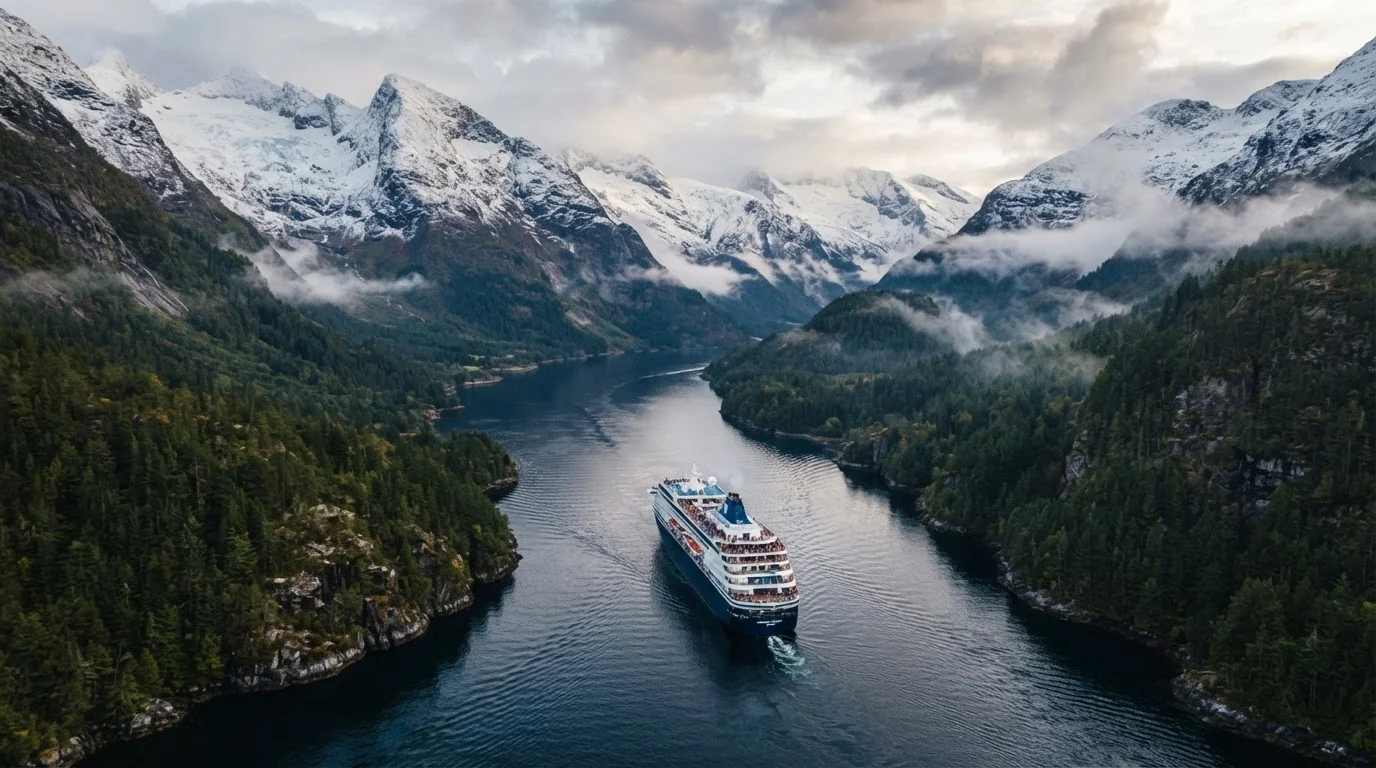
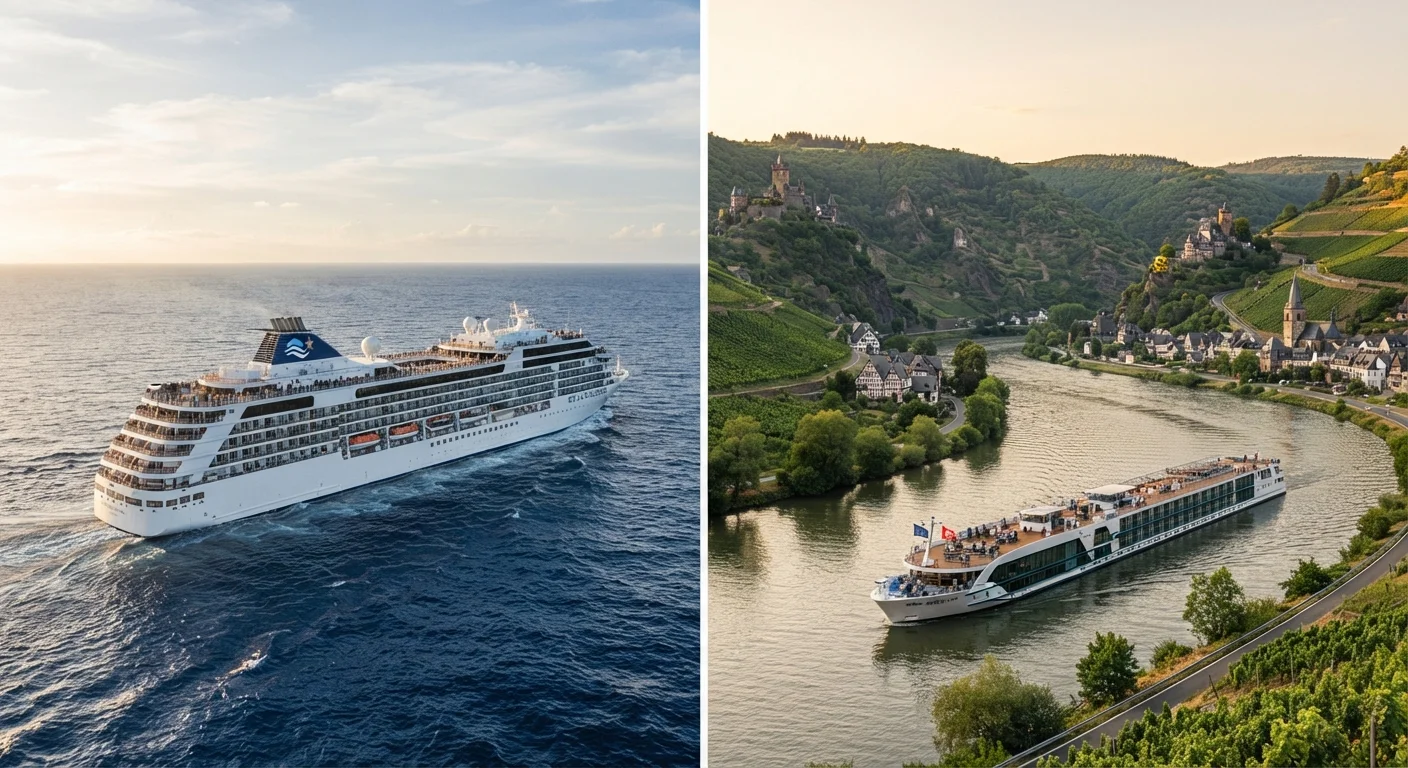
The most immediately striking difference between ocean and river cruising is the vessel itself. Ocean ships - from mid-size expedition-style ships to the megaships deployed by major lines - range from roughly 500 to over 6,000 passengers. River vessels, by design constrained by lock dimensions and narrow waterways, rarely exceed 200 guests and are often closer to 130. That gap in scale shapes everything from dining noise levels to how quickly you can go ashore.
On an ocean ship, anonymity is possible and sometimes unavoidable. On a river vessel, you will know your fellow passengers by name within a day or two. Neither experience is objectively superior - it depends entirely on what you are seeking. For a deeper look at how ship size shapes daily life at sea, see our guide to cruise ship size and onboard experience.
| Criterion | Ocean Cruising | River Cruising |
|---|---|---|
| Typical passenger count | 500-6,000+ | 100-200 |
| Vessel length | Up to 1,100 ft | Typically 360-443 ft |
| Port docking location | Dedicated cruise terminals | City-center embankments |
| Itinerary pace | Broad geographic range | Slower, deeper exploration |
| Onboard entertainment | Production shows, casinos, pools | Destination lectures, tastings |
| Motion sickness risk | Possible on open-sea passages | Minimal on calm rivers |
| Pricing structure | Tiered; many add-ons | More inclusive fare typical |
| Typical voyage duration | 3-28 nights | 7-15 nights |
Itinerary Pace, Port Access, and Destinations
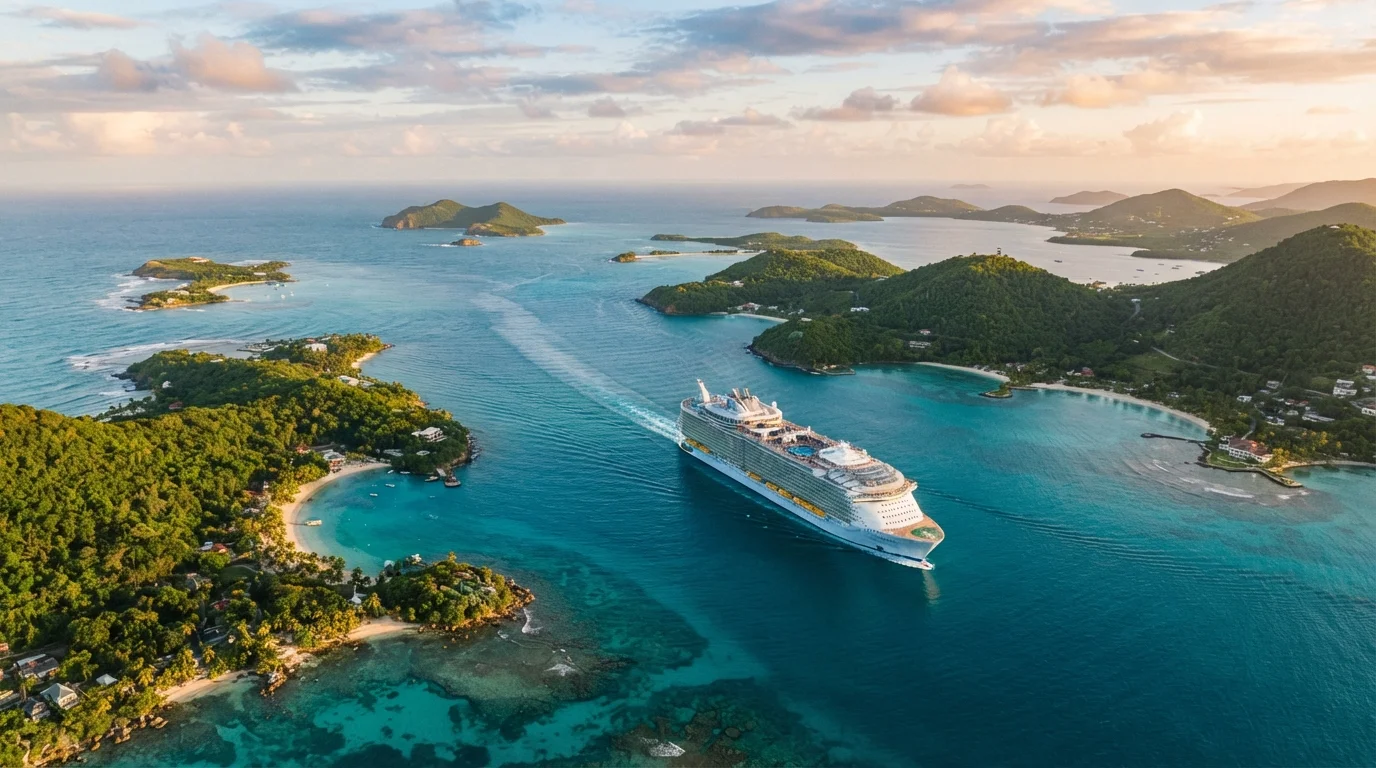
Ocean itineraries are built around geographic sweep. A 14-night Caribbean voyage might touch six islands; a transatlantic crossing delivers the open sea itself as the destination. River itineraries trade breadth for depth. A 10-night Danube cruise might pass through four countries, but linger long enough in each city for genuine exploration. For those drawn to Europe's storied waterways, the Rhine, Danube, and Douro each tell very different stories worth understanding before you choose a route.
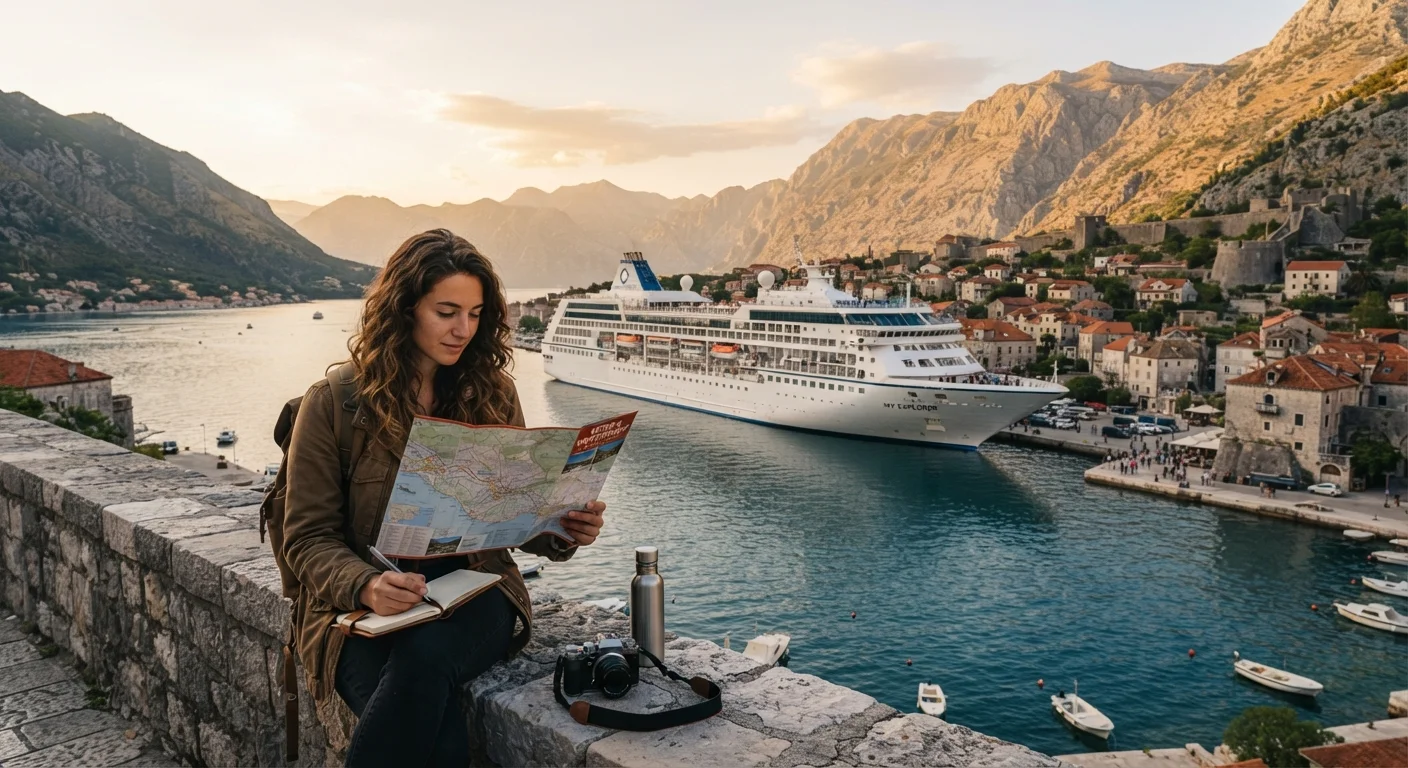
Port access is another decisive factor. Ocean ships typically berth at dedicated cruise terminals - sometimes several miles outside the city center - requiring shuttle buses or private transport. River vessels dock at urban embankments, placing passengers steps from cathedral squares, local markets, and riverside cafés. That proximity fundamentally changes the tempo of a port day and reduces dependence on organized shore excursions.
~200
Maximum passengers on most river vessels
Lock and waterway size constraints mean river ships are structurally limited in passenger capacity, a figure that shapes the entire onboard atmosphere.
4-5
Countries in a typical Danube river cruise
A standard Danube itinerary from Passau to Budapest or beyond routinely passes through Germany, Austria, Slovakia, and Hungary within 8-10 nights.
6,000+
Passengers on the largest ocean cruise ships
Several contemporary-class ocean ships now accommodate over 6,000 guests, representing a scale incomparable to any river vessel on the market.
Onboard Culture, Programming, and Ambience
Onboard culture diverges as sharply as the waterways themselves. Ocean ships invest heavily in entertainment infrastructure - West End-caliber production shows, casino floors, multiple pool decks, rock-climbing walls on some contemporary vessels. The ship is designed to compete for your attention even while at sea. River ships take the opposite approach: the ship is a comfortable base, but the programming is destination-led. Expect regional wine tastings, guest lectures on local history, and culinary demonstrations tied to the cuisine of the country you are passing through that evening.
Pricing philosophy also differs. River cruises tend to bundle excursions, house beverages, and gratuities into the fare, making the total cost more predictable. Ocean cruises offer broader entry-level price points but generate significant additional spend through specialty dining, beverage packages, and paid shore excursions. Neither model is universally more economical - the calculus depends on your travel style and how you spend onboard.
It is worth noting that even within ocean cruising, the experience varies dramatically by ship class and operator. As our editorial colleagues have explored, the same cruise line can feel entirely different depending on the ship. The same nuance applies across the river cruise segment. For a structural breakdown of what separates the two vessel categories by design and build, ocean ships vs. river vessels covers the core engineering and operational differences.
A Note on Expedition Cruising
Neither ocean nor river cruising fully describes expedition voyages, which use small, ice-strengthened ships to reach remote destinations like Antarctica, the Arctic, or the Galápagos. If neither mainstream ocean nor river cruising feels like the right fit, it is worth exploring that third category separately. Our editorial coverage of expedition cruising versus classic cruising outlines what distinguishes those adventure-focused voyages.