
What Makes Expedition Cruising Different
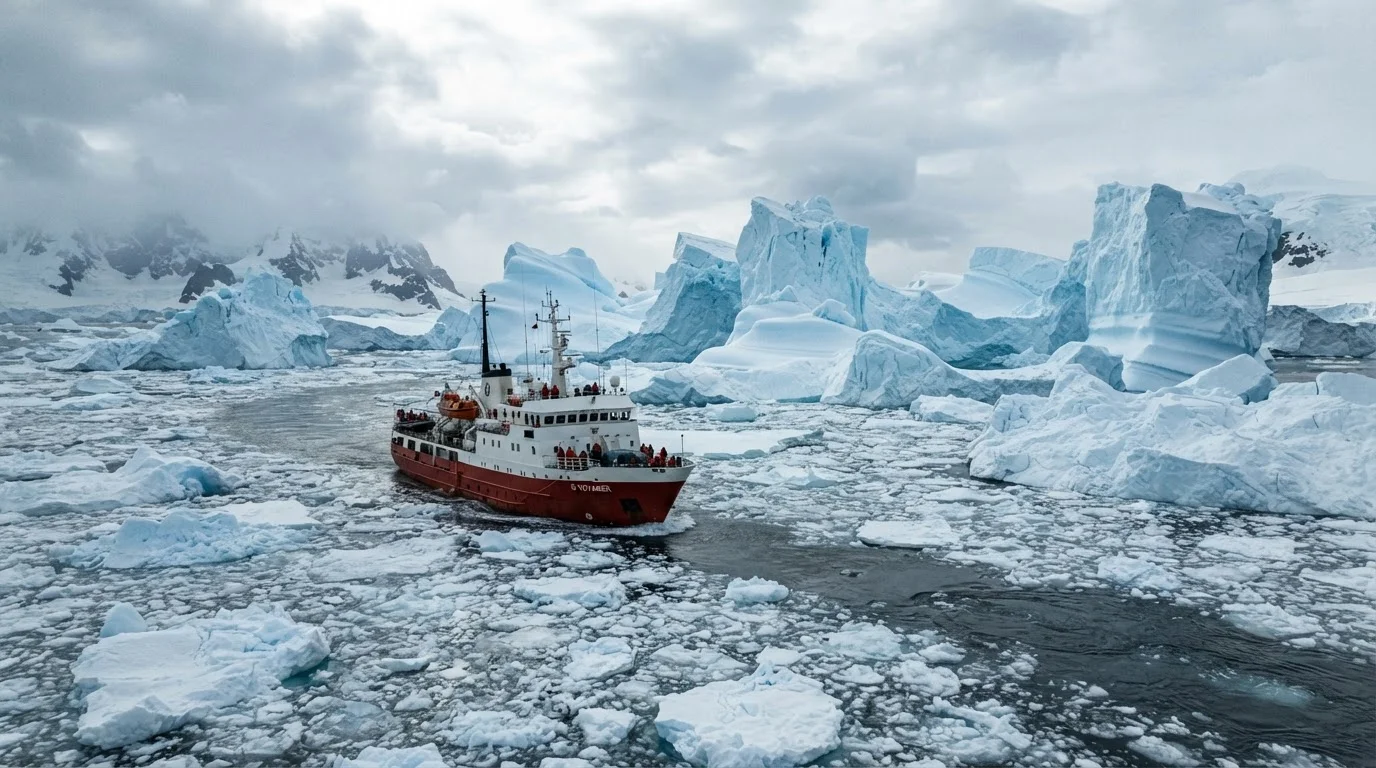
Expedition cruising is a fundamentally different relationship with the ocean. Where mainstream itineraries move passengers between established port cities, expedition voyages push into environments that have no pier infrastructure at all - glaciated coastlines, uninhabited archipelagos, protected wilderness reserves. The ships themselves reflect this purpose: ice-strengthened hulls, a fleet of inflatable Zodiac landing craft, onboard scientists and naturalists, and passenger counts rarely exceeding 200.
The daily schedule aboard an expedition ship is also structured differently. Shore landings replace port shopping. Briefings by marine biologists, glaciologists, and polar historians replace entertainment programming. Itineraries are explicitly subject to change based on weather, wildlife activity, or ice conditions - a flexibility that is a feature, not a flaw.
For travelers who've already worked through popular Mediterranean or Caribbean routes, expedition cruising offers something harder to replicate: genuine remoteness. Expedition ships go where mainstream liners can't - and understanding that distinction is the starting point for anyone considering this style of travel.
Ice-strengthened hull
A ship's hull built or reinforced to withstand contact with sea ice without sustaining structural damage, allowing navigation in polar waters that would be impassable for standard vessels.
Zodiac
An inflatable motorized rubber craft used to ferry expedition passengers from ship to shore in locations without dock infrastructure. Boarding and disembarking a Zodiac requires some physical agility.
IAATO
The International Association of Antarctica Tour Operators - an industry body that sets conduct standards for polar expeditions, including passenger limits during shore landings in Antarctica.
Polar class / ice class
A rating system for ship hull strength in ice, ranging from PC1 (capable of year-round Arctic navigation) to PC7 (light ice). Most expedition ships fall in the PC5-PC7 range, suited for seasonal polar operations.
Expedition naturalist
A subject-matter expert - marine biologist, ornithologist, glaciologist, or historian - employed aboard expedition ships to lead shore excursions, deliver onboard lectures, and interpret the environment for passengers.
Biosecurity protocol
Mandatory procedures - such as brushing and vacuuming gear, boot washing, and clothing inspections - designed to prevent travelers from accidentally transporting seeds, microbes, or organisms between ecosystems.
Antarctica: The Flagship Expedition Destination
Antarctica remains the benchmark expedition destination - a continent with no permanent civilian population, governed by international treaty, and accessible only during a narrow southern summer window. Most itineraries depart from Ushuaia, Argentina, the world's southernmost city, and cross the Drake Passage (roughly 48 hours each way) to reach the Antarctic Peninsula.
The Peninsula is the most visited portion of Antarctica and the most biologically rich: penguin rookeries, leopard seal haul-outs, humpback whale feeding grounds, and glacier-calving bays dominate a typical week's program. South Georgia Island - technically sub-Antarctic but often paired with Peninsula itineraries - adds enormous king penguin colonies and the haunting legacy of early polar exploration.
Regulation matters here. The International Association of Antarctica Tour Operators (IAATO) sets conduct standards for member operators, including the 100-passenger-ashore limit that effectively determines ship size. Travelers considering Antarctic itineraries should verify that their chosen voyage operates under IAATO guidelines and review any current environmental protocols before booking.
For context on how Antarctic route options intersect with broader South American cruising, South American cruise itineraries span ecosystems and cultures - worth reading alongside any Antarctic planning.
Timing Your Antarctic Voyage
Each month of the Antarctic season has a distinct character. November landings take place in pristine, snow-covered conditions ideal for photography, while January and February bring whale activity and penguin chicks at their most active. If a specific experience - courtship displays, whale feeding, or ice-free landings - matters to you, align your travel window to that priority rather than defaulting to peak-season dates.
The Arctic: Svalbard, Greenland, and the Northwest Passage
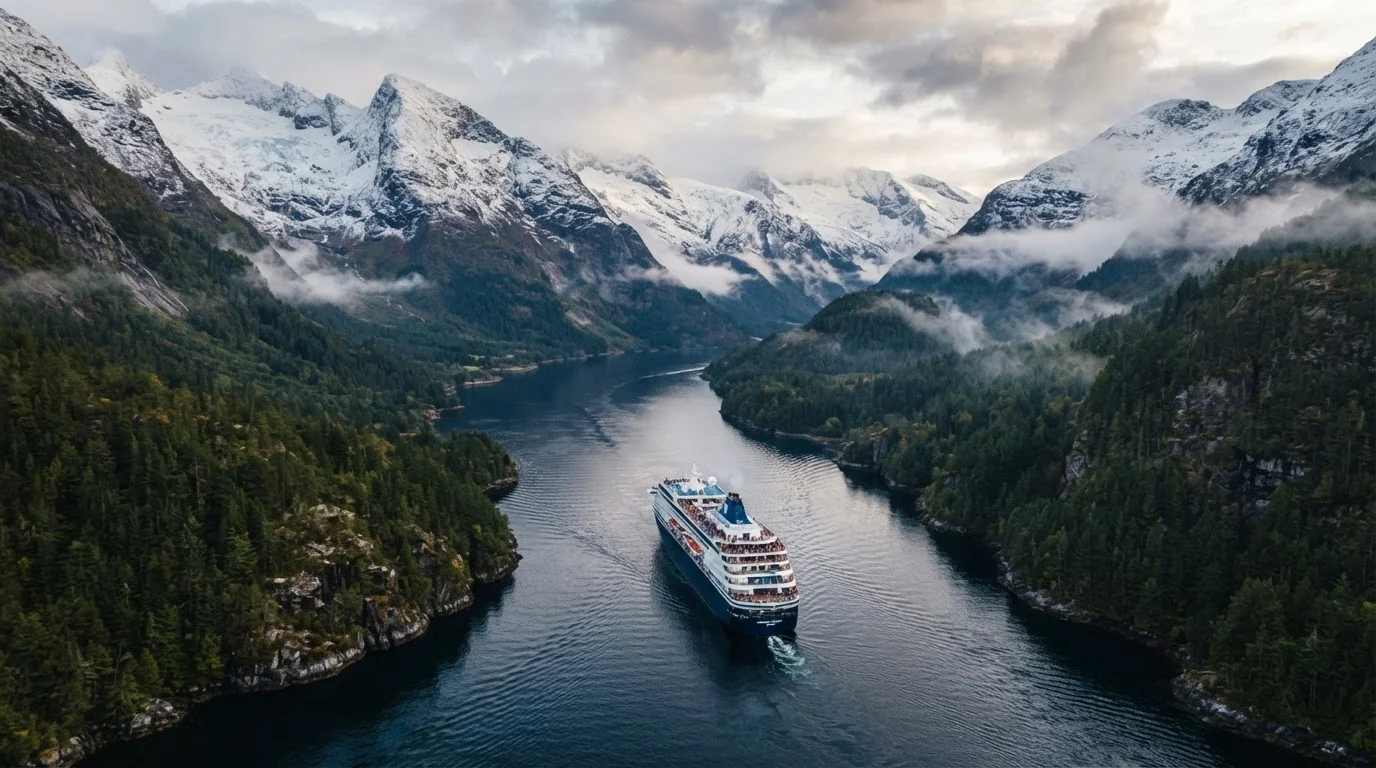
The Arctic encompasses an enormous range of expedition experiences that share a polar character but differ sharply in accessibility, duration, and logistical complexity. Svalbard - the Norwegian archipelago sitting at roughly 78°N - is the most accessible Arctic expedition hub, reachable by regular flights to Longyearbyen. Itineraries here are typically one to two weeks and deliver polar bear sightings, walrus colonies, and midnight-sun sailing through fjords that few mainstream ships could navigate.
Greenland itineraries venture into a more remote and culturally layered environment. The west coast route passes Ilulissat Icefjord (a UNESCO World Heritage site) and visits small Greenlandic settlements where Inuit communities maintain traditional practices. East Greenland, less frequently visited, presents some of the most dramatic fjord scenery in the northern hemisphere.
The Northwest Passage - the legendary sea route connecting the Atlantic and Pacific through the Canadian Arctic Archipelago - is the most demanding Arctic expedition available to civilians. Voyages typically run three to four weeks, departing from Greenland or Resolute Bay, and are subject to ice conditions that can alter or abort the transit entirely. This is genuinely frontier travel, and travelers should have realistic expectations about comfort, schedule certainty, and physical demands.
Those drawn to dramatic Atlantic outposts might also find value in how the Faroe Islands and Iceland offer strikingly different travel experiences - both are touchpoints on several Arctic-adjacent expedition routes.
Northwest Passage: Manage Expectations Carefully
The Northwest Passage transit is not guaranteed even once a voyage is underway. Ice conditions, which vary year to year, can close the route entirely or force significant detours. Operators may substitute alternative Arctic destinations; this is an accepted risk of the format, not grounds for assuming a passage will always complete as marketed. Travelers should review their operator's contingency policies carefully before committing.
Remote Island Routes: Beyond the Polar Regions
Expedition cruising is not exclusively polar. A significant share of the format's itineraries target isolated archipelagos and protected ecosystems in warmer latitudes - destinations where visitor numbers are capped, infrastructure is minimal, and small-ship access is the only viable option.
- Galápagos Islands (Ecuador): Entry is controlled through a national park permit system. Vessels carry 16 to 100 passengers and follow government-designated routes between islands. Wildlife is so habituated to human presence that encounters are intimate and unhurried.
- South Pacific (Papua New Guinea, the Solomon Islands, Raja Ampat): Expedition ships access reef systems and coastal villages that are entirely unreachable by larger vessels. For travelers interested in remote and undervisited destinations throughout Asia, the Indonesian archipelago offers some of the most biodiverse expedition sailing on earth.
- The Azores and Macaronesia: Mid-Atlantic volcanic archipelagos with sperm whale populations, endemic bird species, and calderas - accessible on shorter expedition itineraries out of Lisbon or the Canary Islands.
- Tristan da Cunha and St. Helena: Among the world's most remote inhabited islands, these South Atlantic destinations appear on extended itineraries designed around genuine isolation.
The common thread across these routes is that the destination, not the ship, drives the itinerary. Small-ship voyages operate by different rules - and that context shapes every aspect of what remote-island expedition travel delivers.
What to Know Before You Book
Expedition cruising carries a different set of pre-departure responsibilities than a standard ocean voyage. Here are the most consequential factors for first-time expedition travelers to work through:
- Physical readiness
- Zodiac boarding requires stepping between a moving inflatable and a ship's gangway in variable conditions. Shore landings on Antarctic or Arctic terrain involve uneven, sometimes slippery ground. Most operators publish fitness requirements; read them carefully and consult a physician if you have relevant health considerations.
- Insurance
- Standard travel insurance policies routinely exclude medical evacuation from remote locations. Expedition-specific or adventure travel insurance that explicitly covers helicopter or ship-based medevac is generally advisable. Verify the policy terms directly with your insurer, and always check current government travel advisories for your destination.
- Packing and gear
- Many expedition operators provide insulated rubber boots and, in some cases, parkas - confirm what is included. Layering is the core cold-weather strategy; technical base layers, mid-insulation, and a waterproof outer shell are standard. Over-packing is a common mistake on small ships with limited cabin storage.
- Environmental responsibility
- Biosecurity protocols - brushing down clothing and gear before landings to prevent invasive species transfer - are mandatory on IAATO-compliant voyages and most regulated island routes. These rules exist to protect fragile ecosystems and are non-negotiable.
Travelers comparing expedition cruising with other forms of wilderness travel may find it useful to review how Patagonia, Iceland, and Kyrgyzstan compare as wilderness trekking destinations - many of the terrain and preparation considerations overlap.
Expedition Cruising Is Not One-Size-Fits-All
The term 'expedition cruise' covers a wide spectrum - from a 12-day Galápagos small-ship voyage with daily hikes and snorkeling to a 30-day Northwest Passage transit with demanding conditions and limited turnaround options. Traveler experience, physical condition, and risk tolerance should all shape which type of expedition itinerary is appropriate. Researching the specific ship class and operator methodology is as important as choosing the destination.
This article is for general informational purposes only. Entry requirements, environmental regulations, health recommendations, and travel conditions for polar and remote destinations change frequently. Always verify current requirements with official government sources, your cruise operator, and a qualified healthcare professional before traveling.