
Built for Different Worlds: Ship Design and Passenger Scale
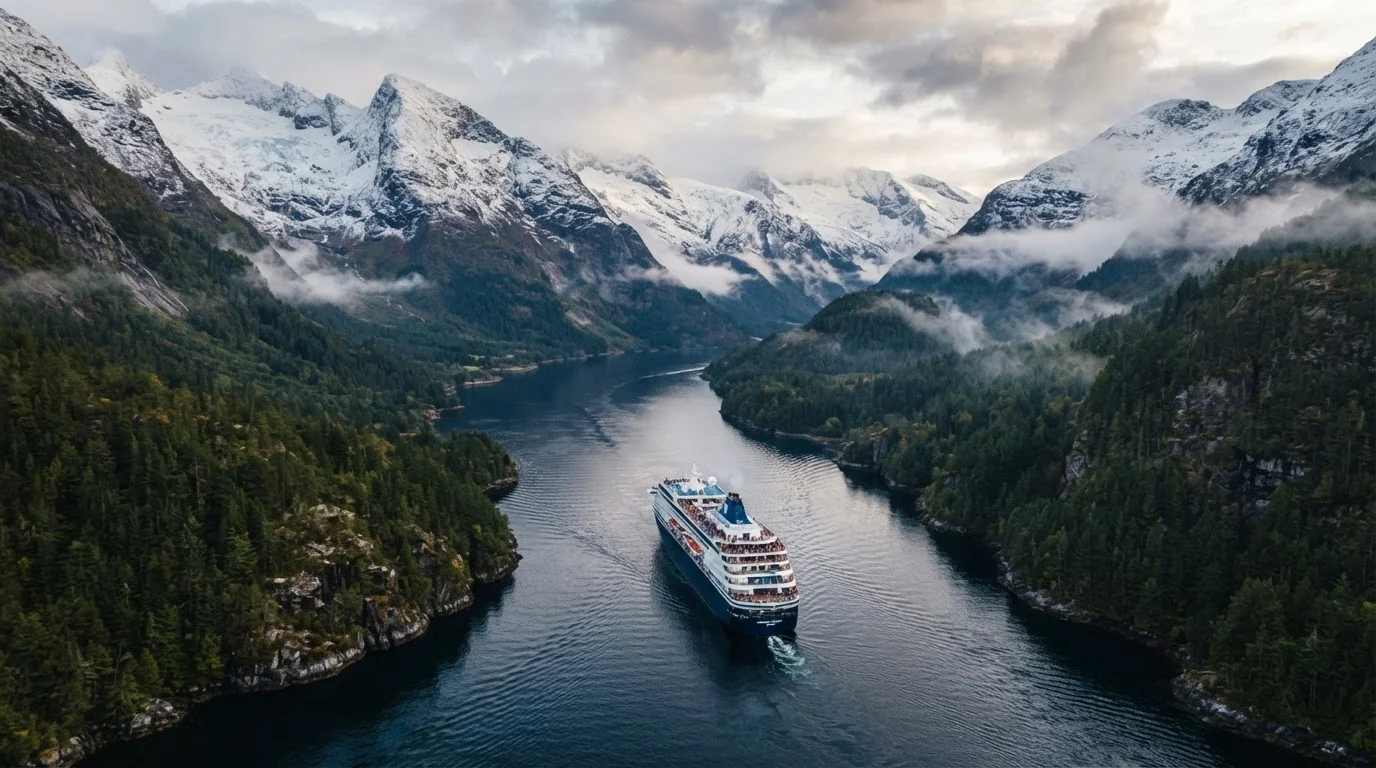
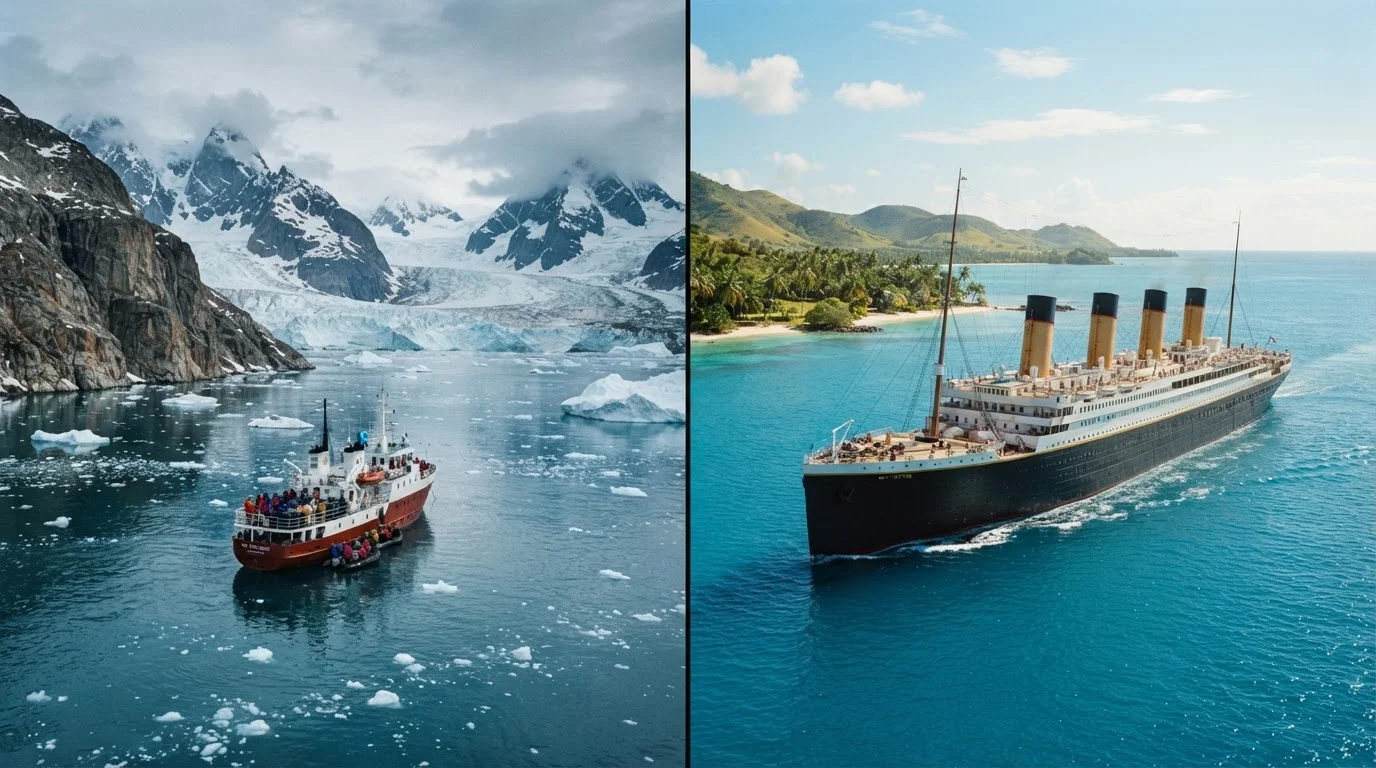
The most fundamental difference between expedition and classic cruising isn't itinerary - it's the vessel itself. Expedition ships are purpose-engineered for environments that would stop a conventional cruise liner cold. They carry ice-class hull ratings (commonly Polar Code PC5 or PC6), dynamic positioning systems, and shallow drafts that allow navigation in fjords, river mouths, and coastal shallows. Passenger counts typically range from 100 to 200, a constraint that is actually a feature - smaller groups mean Zodiac landings, kayaking excursions, and shore access are logistically manageable in fragile or remote ecosystems.
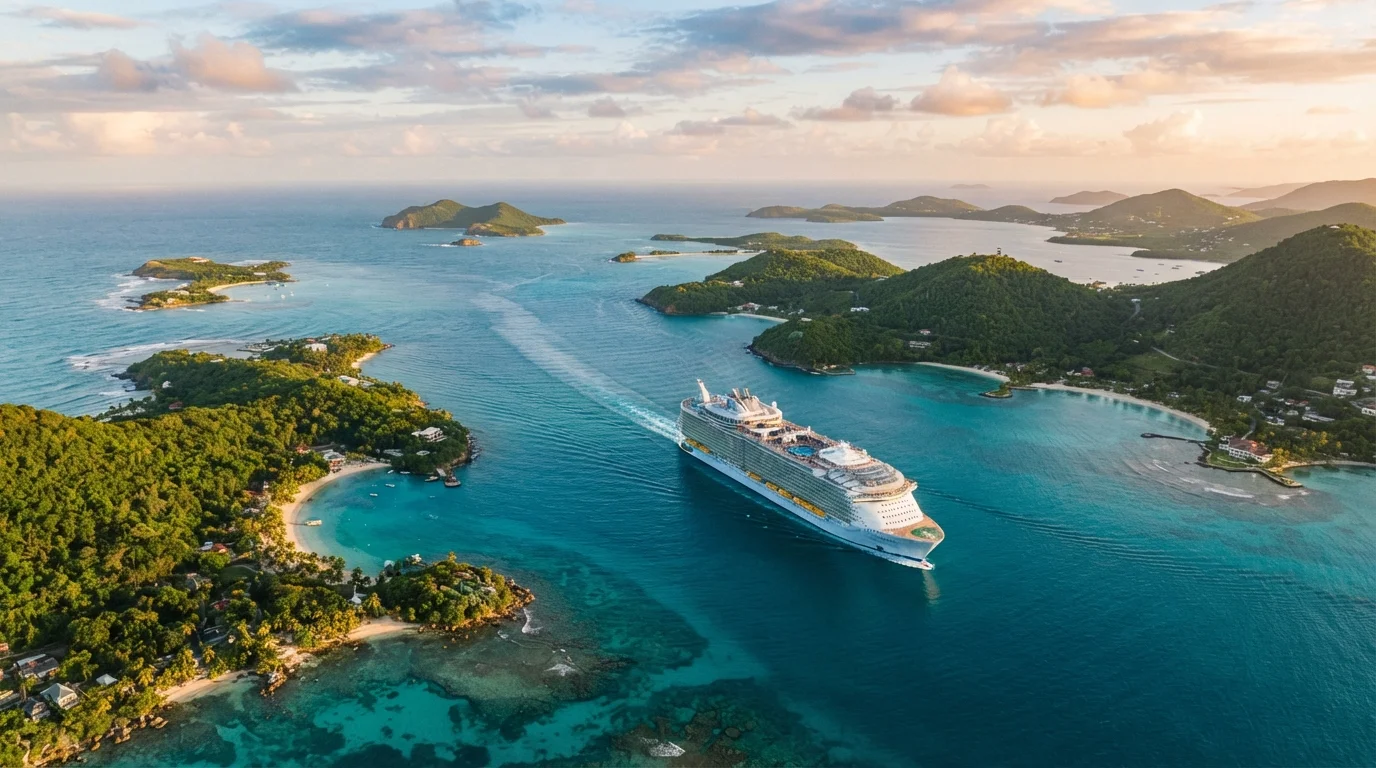
Classic ocean ships operate at an entirely different scale. Mid-size vessels carry 700-2,000 passengers; the largest ships afloat exceed 6,000. That scale enables the resort-style infrastructure these ships are known for - multiple specialty restaurants, Broadway-caliber theaters, climbing walls, spas, and casino floors. Their deep drafts, however, limit them to established, dredged ports. They are optimized for the Mediterranean, Caribbean, and Alaska's Inside Passage, not the Antarctic Peninsula or the remote Galápagos outliers.
For a broader look at how vessel design shapes the overall experience, see our comparison of ocean ships and river vessels.
| Criterion | Expedition Cruising | Classic Cruising |
|---|---|---|
| Passenger capacity | 100-200 passengers | 700-6,000+ passengers |
| Hull specification | Ice-class rated | Standard ocean hull |
| Typical destinations | Polar regions, remote islands | Mediterranean, Caribbean, Alaska |
| Shore access method | Zodiac landings, kayaking | Developed port docks |
| Daily schedule | Flexible, wildlife-driven | Structured, port-scheduled |
| Onboard programming | Naturalist lectures, expeditions | Entertainment, dining, recreation |
| Typical voyage length | 10-21 days | 3-14 days |
| Physical demand | Moderate to high | Low to moderate |
| Cost per diem | Generally higher | Wide range; generally lower |
What You Actually Do Each Day: Itinerary Structure and Shore Access
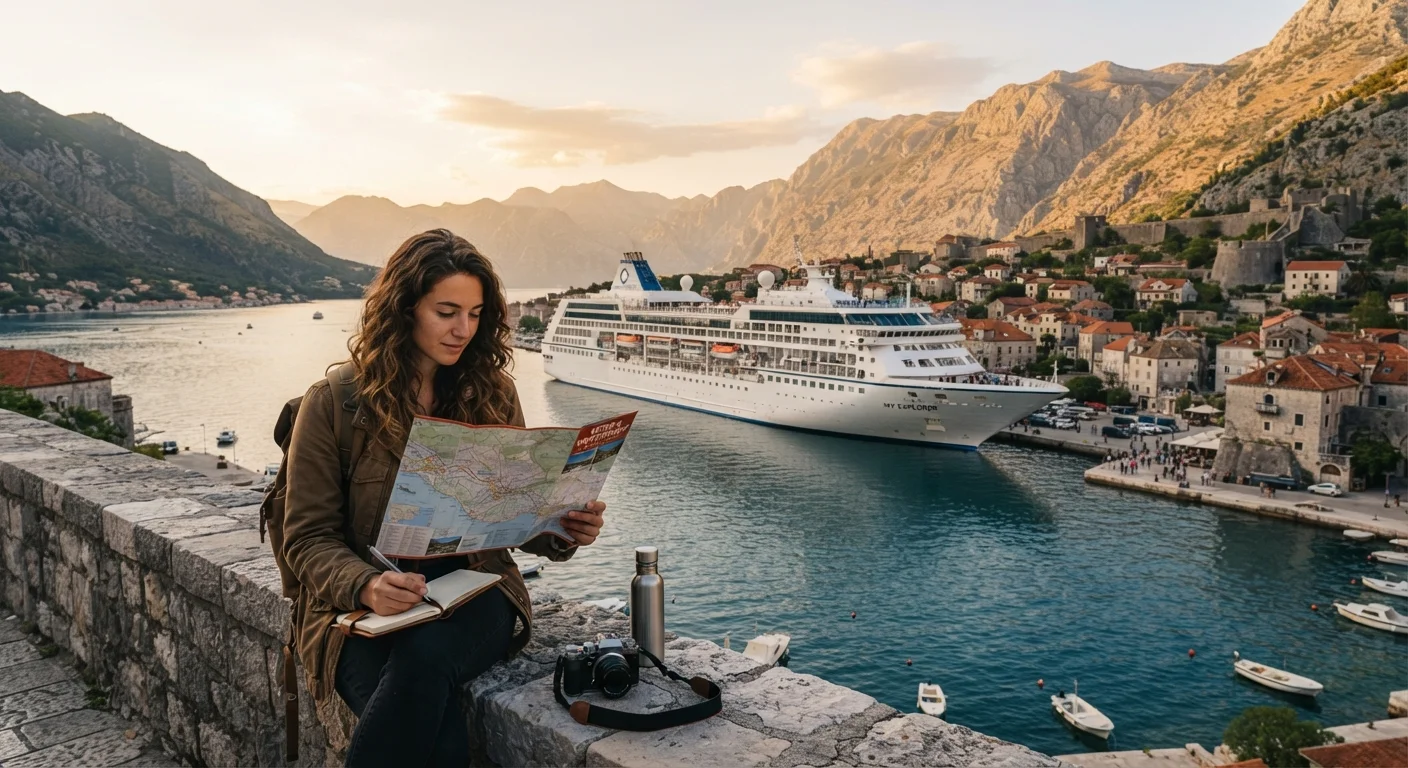
On a classic cruise, the daily rhythm is largely predictable: a port call in the morning, return to ship by late afternoon, sea day programming in between. Shore excursions are pre-organized through the ship or independently - a choice that involves its own trade-offs, as our guide to shore excursions through the ship vs. on your own explores. Ports are typically developed: Dubrovnik, Nassau, Juneau. The structure is reassuring and suits travelers who want variety without uncertainty.
Expedition cruising inverts this dynamic. Daily schedules are intentionally flexible, shaped by wildlife sightings, ice conditions, and weather windows. A naturalist might announce a humpback whale aggregation at dawn and redirect the ship accordingly. Shore landings happen via inflatable Zodiac craft, often on unmarked beaches or tundra coastlines where no dock exists. Passengers should expect physical activity - wet landings require stepping into knee-deep water - and variable conditions at any time of year. The reward is a quality of access that no mainstream itinerary delivers.
~100-200
Typical expedition ship passenger count
Industry-standard expedition vessel configurations prioritize small group sizes to enable remote landings and wildlife access in protected areas.
7th continent
Antarctica: only reachable by expedition ship
Antarctica has no commercial airports for civilian access; expedition vessels operating from South America provide the only practical route for most travelers.
2 days
Drake Passage transit each way to Antarctica
The open-ocean crossing between Ushuaia, Argentina and the Antarctic Peninsula takes roughly 48 hours, underscoring the commitment expedition itineraries require.
This distinction in shore engagement is especially pronounced in destinations like Alaska. Alaska's Inside Passage vs. open-ocean routes illustrates how even within one destination, vessel choice dramatically changes what you see.
Onboard Culture, Expert Programming, and Who You'll Travel With
Classic cruising is broadly social. The onboard culture on a large ship can resemble a floating resort town - you'll encounter new tablemates at dinner, join trivia nights, and share deck chairs with a genuinely diverse cross-section of travelers. Programming is designed for mass appeal: comedy shows, pool parties, cooking demonstrations, and port-focused lectures. It works precisely because it doesn't demand much from you beyond showing up.
Expedition ships run on a different cultural register. Most carry resident naturalists, marine biologists, ornithologists, or polar historians who lead daily briefings, shore excursions, and evening recaps. Fellow passengers tend to share a strong interest in the destination - conversation gravitates toward glacier dynamics, seabird identification, or the geopolitics of the Southern Ocean. This self-selecting community is part of what makes expedition voyages feel immersive rather than merely scenic.
Choosing a cruise line and ship that aligns with your travel identity matters more than most first-time cruisers expect. Our guide to matching your travel style to the right cruise line walks through how to read a fleet and itinerary against your actual preferences.
Expedition Cruising Is Not Roughing It
Modern expedition ships are not spartan vessels. Many carry heated lounges, hot tubs, lecture theaters, and well-appointed cabins with ocean views. The difference from classic cruising lies in purpose and access, not necessarily comfort level. Travelers accustomed to premium hotel standards will find expedition ships increasingly capable of meeting them - particularly at the luxury end of the expedition market.
Cost, Commitment, and Practical Considerations
Expedition cruising comes at a significant price premium. The combination of specialized vessels, smaller passenger loads, expert staff, and remote logistics means per-diem costs are substantially higher than comparable classic voyages. Antarctic itineraries, for example, often require 10-14 days minimum - the transit alone from Ushuaia, Argentina through the Drake Passage takes roughly two days each way. Travelers should also factor in specialized gear (waterproof outerwear, layering systems), travel insurance appropriate for remote medical scenarios, and the physical fitness considerations of daily shore activity in variable weather. Always verify entry requirements, vaccination recommendations, and any permits for protected areas with official government and operator sources before booking.
Classic cruising remains far more accessible by cost and commitment. Three- to seven-night itineraries are common, embarkation ports are usually easy to reach via major airports, and the price spectrum runs from budget-friendly mass market to ultra-luxury - with meaningful variation in what that price buys, as explored in our look at how ships within the same cruise line can feel entirely different. For a deeper dive into expedition-specific destinations and logistics, our Expedition Cruising 101 overview is the logical next step.