
The Core Trade-Off: Convenience vs. Control
Every port call forces the same fundamental question: do you hand your day to the cruise line, or do you own it yourself? Neither answer is universally correct. The decision hinges on your destination, your comfort level, your group's needs, and how much value you place on time versus cost.
Ship-organized tours remove most logistical uncertainty. Transport is arranged, guides are vetted (at least to the cruise line's standard), and-crucially-the ship will not depart if a ship-sponsored excursion is delayed. That last point is non-trivial: a single traffic jam or ferry delay while traveling independently can result in a missed departure, which then becomes your problem to solve and pay for. For destinations with complex infrastructure-certain ports in Southeast Asia, West Africa, or the more remote cruise itineraries-that security has genuine value.
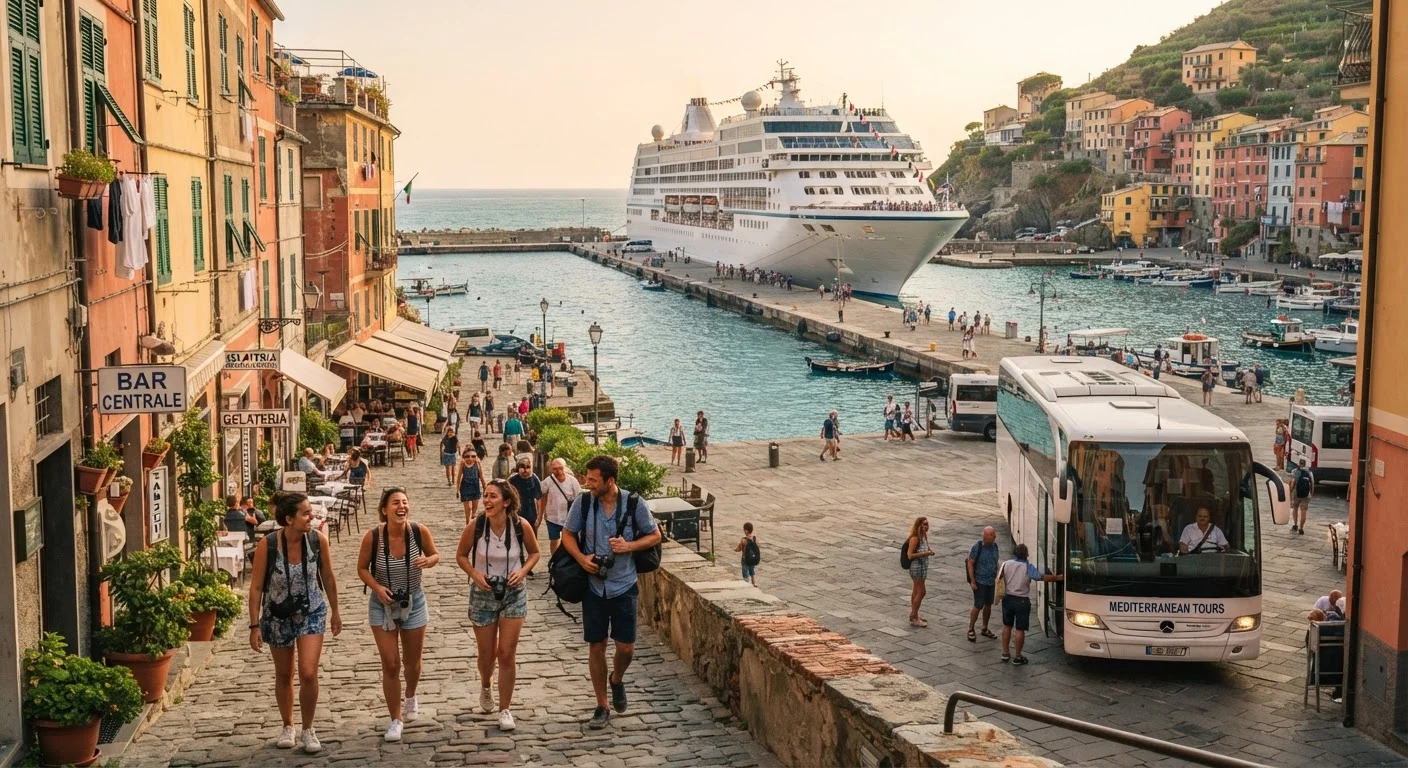
Independent excursions trade that security for flexibility and authenticity. You choose the guide, the pace, the detours, and the lunch spot. You're not corralled through a gift shop at the end. And in most mainstream ports-Barcelona, Dubrovnik, Nassau, Cozumel-getting around without the ship's help is entirely manageable with modest preparation.
| Criterion | Ship Excursions | Independent Excursions |
|---|---|---|
| Cost | Higher (cruise-line markup) | Lower to comparable |
| Ship departure protection | Yes - ship waits for you | No - your responsibility |
| Group size | Large (often 30-50+) | Small or private |
| Flexibility ashore | Fixed itinerary and pace | Fully customizable |
| Tender port access | Priority boarding | General queue |
| Remote/expedition ports | Often the only option | Frequently unavailable |
| Cultural immersion | Moderate (curated) | Higher potential |
| Pre-trip research required | Minimal | Moderate to significant |
What Ship Excursions Do Well - and Where They Fall Short
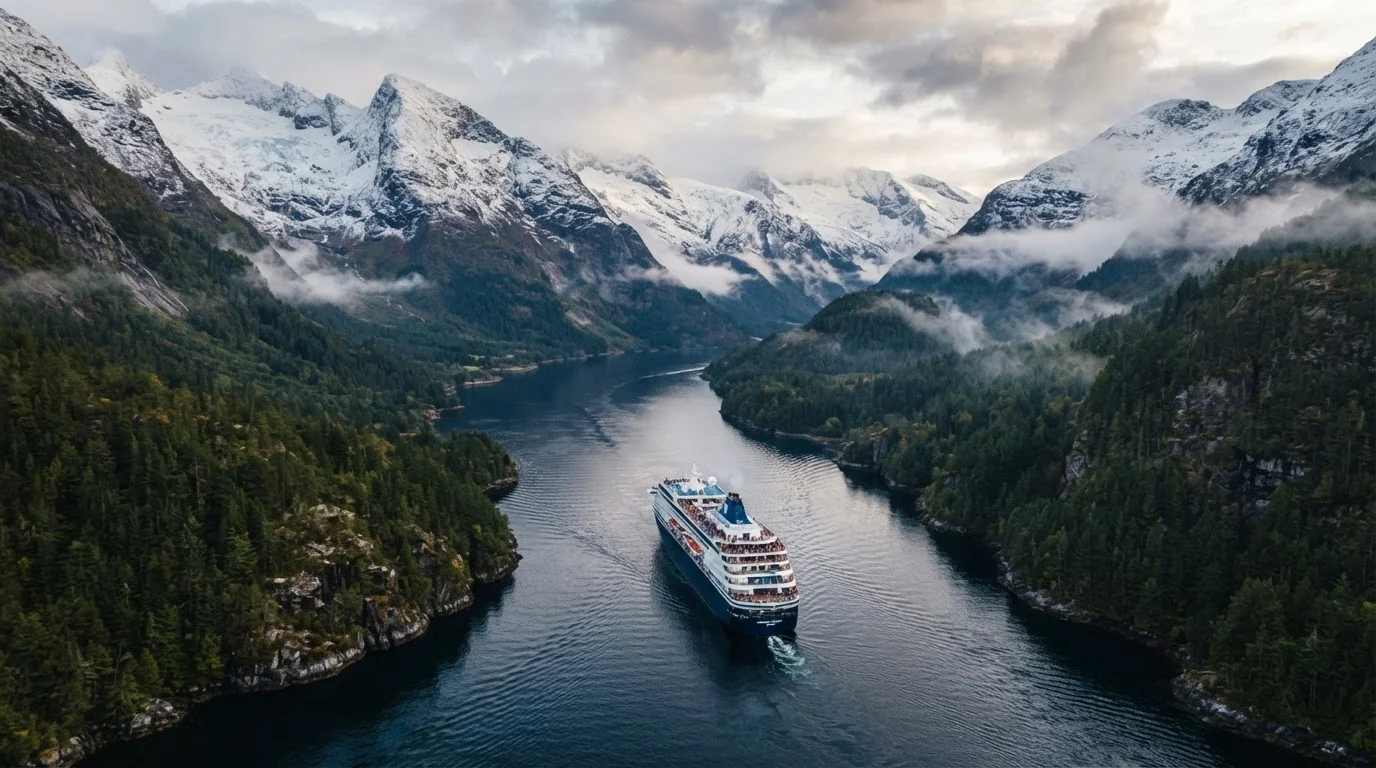
Cruise-line tours earn their premium in a handful of specific scenarios. Tender ports, where passengers are ferried to shore by small boats rather than docking directly, are a prime example: ship-excursion guests typically receive priority tender access, reducing the time lost queuing. Remote expedition landings-zodiac transfers to glaciers, uninhabited islands, or wildlife reserves-are often exclusively managed by the ship, making independent alternatives nonexistent. Expedition cruising essentially requires reliance on the ship's operations ashore.
Where ship excursions disappoint most experienced cruisers is in pace and authenticity. Large-group tours move at the slowest common denominator, prioritize photographable landmarks over immersive encounters, and can leave participants feeling more processed than transported. The markup is also substantial - industry observers frequently note that cruise lines earn significant margin on shore excursion sales, passing that cost directly to passengers.
~30-50%
Typical cruise-line shore excursion markup
Travel industry analysts commonly estimate cruise lines add substantial margin to shore excursion pricing compared to booking equivalent tours locally.
60-90 min
Recommended independent return buffer before all-aboard
Experienced cruisers and travel advisors consistently recommend arriving well ahead of the posted all-aboard time to account for unexpected delays.
Making Independent Excursions Work Safely
The biggest barrier to going independent isn't logistics - it's the fear of missing the ship. That fear is manageable with a few practical habits. First, build a conservative return buffer: aim to be back aboard at least 60-90 minutes before all-aboard, not 15. Second, always confirm the ship's departure time independently (it's listed in the daily program and at the gangway), since port times occasionally change. Third, keep the port agent's contact information - posted at the gangway on every ship - in case of genuine emergencies.
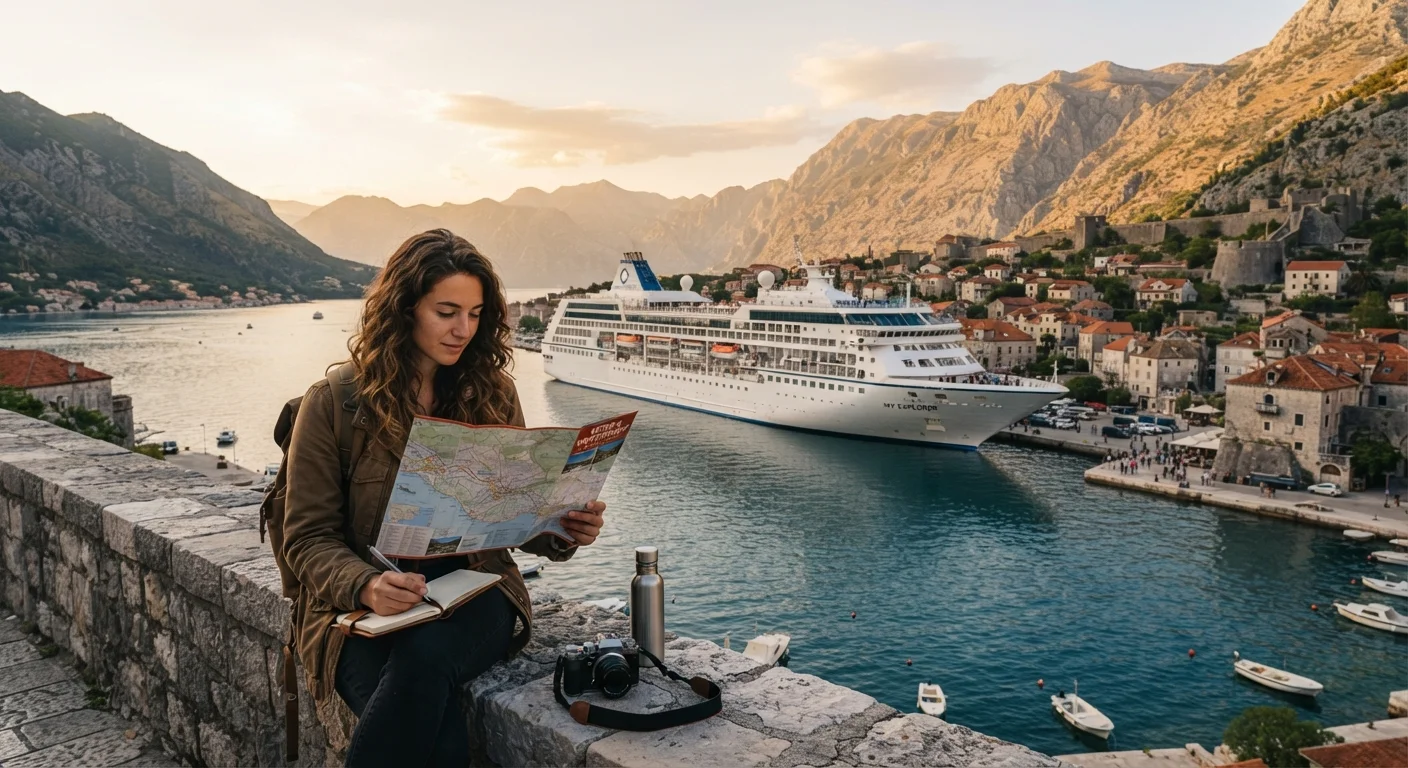
For destination research, local operators discovered through reputable travel forums and cruise community groups frequently outperform ship tours at a fraction of the price. A private guide in Ephesus, a shared taxi ring in Belize, a licensed catamaran charter in St. Lucia - these options exist in virtually every mainstream cruise port and are used routinely by seasoned cruisers. The research investment is a few hours; the payoff is a measurably different day ashore.
Staying connected matters too. Downloading offline maps before your port day and having a local data option ready - whether a short-term SIM or an onboard Wi-Fi package - helps independent travelers navigate confidently. Connectivity planning at sea is worth addressing before your first port day, not during it.
What 'All-Aboard' Actually Means
The all-aboard time posted at the gangway is the last moment to be back on the ship - not the departure time. Ships typically depart 30 minutes after all-aboard. If you miss it while on an independent excursion, the cost of catching the ship at the next port falls entirely on you. No travel insurance policy covers a voluntary decision to linger ashore, so understanding the timeline before you leave the pier is non-negotiable.
Port-by-Port Thinking: The Experienced Cruiser's Approach
The most seasoned cruisers don't make a blanket policy - they evaluate each port individually. A useful framework: assess accessibility (is the pier walkable to town, or is transport essential?), risk profile (is this a first visit to a genuinely unfamiliar region?), and time ashore (a six-hour port call warrants more independent ambition than a three-hour tender stop). Experienced cruisers often research port infrastructure just as carefully as onboard amenities before they book.
Solo travelers face an added consideration: independent excursions require more self-sufficiency and carry slightly higher logistical exposure than traveling with a partner or group. Solo cruisers may find ship tours more socially comfortable at unfamiliar ports, while small-group private tours booked independently offer a compelling middle ground - personal attention without full solo exposure.
Ultimately, the ship-versus-independent choice is one of the more consequential micro-decisions in cruise travel. Getting it right - even just shifting one port call per voyage to a better-suited approach - meaningfully improves the quality of the overall trip. The tools exist; the preparation is yours to do.