
Why Even Experienced Travelers Get This Wrong
A travel budget that collapses mid-trip isn't usually the result of reckless spending. More often, it's the product of a planning process that looked rigorous but was built on shaky assumptions. If you've ever returned from a trip wondering where the money went, the answer is almost always structural - the budget was miscalibrated before you even booked.
The good news: budget failures follow predictable patterns. Understanding them is the fastest route to building something that actually holds. Whether you're planning a first major trip or refining a process you've used for years, the same errors keep surfacing.
Optimism Bias Is Your Budget's Biggest Enemy
Research in behavioral economics consistently shows that people underestimate future costs and overestimate their ability to stick to spending plans. This tendency - sometimes called optimism bias - is especially strong when we're emotionally invested in a trip. Recognizing this pattern is the first step toward counteracting it with data-driven estimates and deliberate buffers.
The Mistakes That Derail Travel Budgets
Most budget failures trace back to one or more of the following planning errors. Each is common, each is correctable, and each becomes less likely once you know what to look for.
Building the budget around best-case prices rather than realistic averages.
Why it happens: Travelers often anchor to a low fare or promotional hotel rate they spotted early in research, then plan everything else around that number - even if it was a flash sale or off-season anomaly.
Omitting a contingency buffer entirely.
Why it happens: Many travelers treat a budget as a cap rather than a plan, leaving no room for delays, illness, weather disruptions, or simply wanting to take an unplanned excursion.
Failing to account for hidden and destination-specific costs.
Why it happens: Line items like resort surcharges, tipping norms, entry fees, city taxes, and currency conversion losses are easy to overlook until you're standing at a check-in desk.
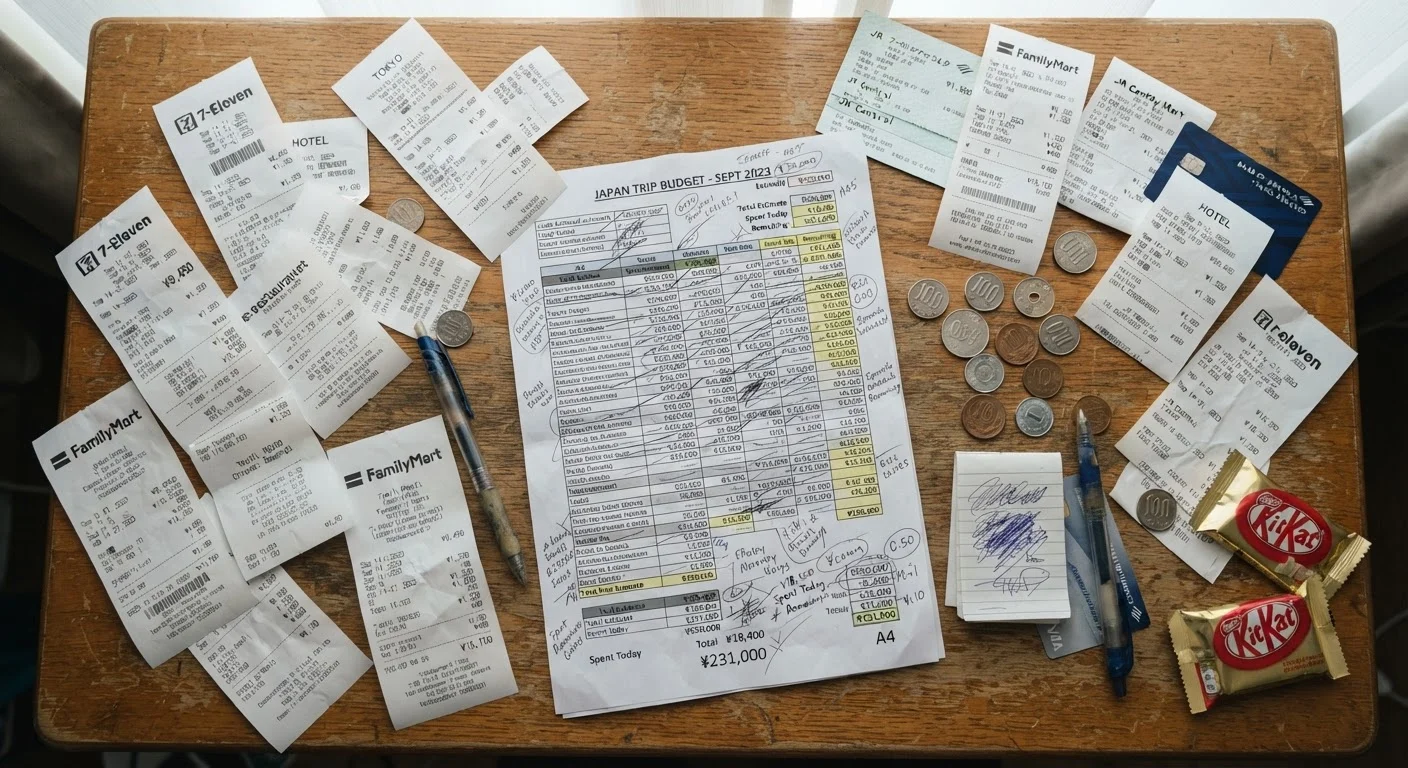
Tracking nothing during the trip and reconciling only after returning home.
Why it happens: Logging expenses while traveling feels like administrative work that interrupts the experience, so most people defer it indefinitely.
Treating all expense categories as fixed when most are actually variable.
Why it happens: Travelers often lock in a single daily food or transport estimate without accounting for how spending patterns shift between busy city days, long travel days, and slower exploration days.
Never reviewing past trip budgets to improve future ones.
Why it happens: Post-trip, most people move on quickly. The financial details of a completed trip feel irrelevant once you're home.
For a structured approach to avoiding these errors from the start, the framework for building a budget that survives contact with reality offers a step-by-step process that incorporates buffers and variable cost modeling. If you're looking to reduce costs without gutting the trip experience, stretching a travel budget strategically covers what to deprioritize rather than what to eliminate wholesale.
Turning Budget Failures Into Better Planning
The structural fixes aren't complicated, but they do require a shift in how you treat a budget - from a wish list with prices attached to a working financial model with honest assumptions.
Don't Confuse a Booking Total With a Trip Total
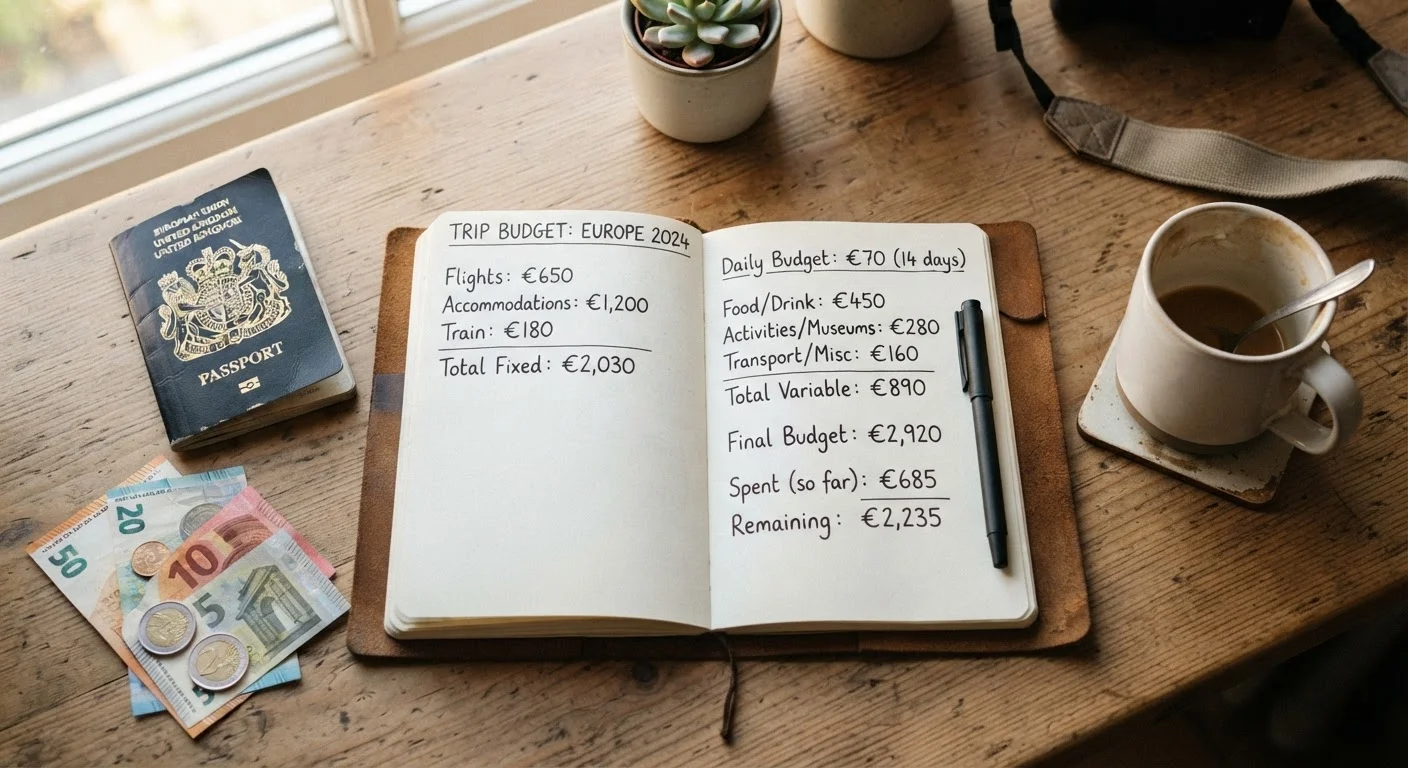
The amount you pay at checkout for flights and hotels is a starting point, not a complete budget. Resort fees, checked baggage charges, airport transfers, meals, activities, visa fees, and travel insurance can collectively equal or exceed your initial booking costs. Always build your budget from the ground up, line by line, before assuming you know what a trip will cost.
Combine segmented day-type estimates with a firm contingency line, and log spending daily rather than never. Add a post-trip review to close the loop. Over two or three trips, your estimates will sharpen considerably because they'll be grounded in your own actual behavior rather than industry averages.
For a comprehensive look at all three phases - planning, tracking, and reviewing - the end-to-end travel budgeting guide walks through the full cycle in detail. And if your planning process extends to booking timing and sequencing, the booking strategies hub is a useful parallel resource.
10-15%
Recommended contingency buffer for travel budgets
Travel finance planners generally recommend setting aside 10-15% of total estimated trip costs as an unallocated contingency fund.
~30%
Average budget overrun on unplanned trip expenses
Industry surveys of travelers consistently find that out-of-pocket trip costs exceed pre-trip estimates by roughly 20-30% on average, driven primarily by overlooked variable and incidental expenses.