

The Core Principle: Triage, Don't Slash
Budget travel done poorly means cutting corners uniformly - cheaper everything, worse everywhere. Budget travel done well is about identifying which expenses produce the most meaningful return and protecting those ruthlessly while trimming the rest.
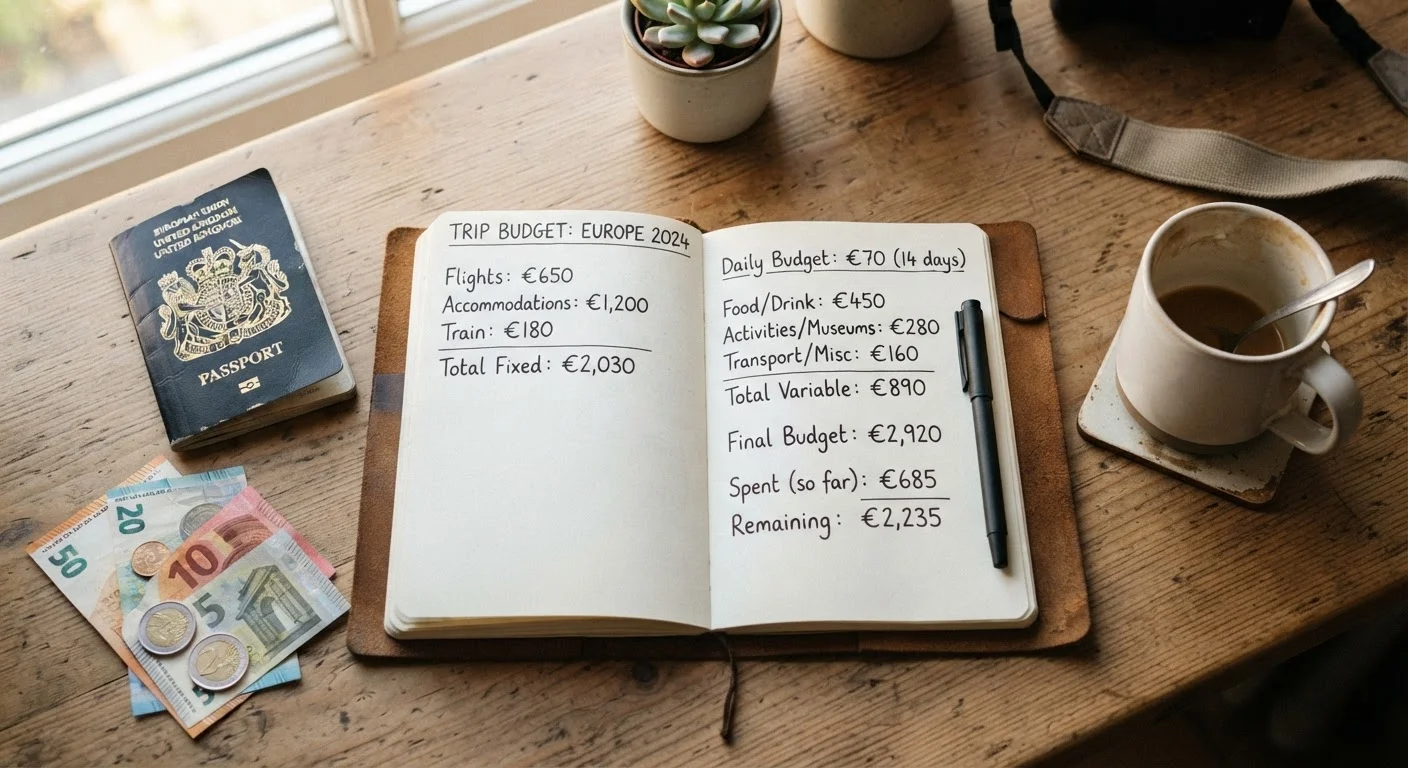
Before any trip, list every anticipated expense category: flights, accommodation, ground transport, meals, activities, incidentals. Then rank each category by how much it shapes your actual experience. That ranking tells you where to spend and where to pull back. A traveler whose priority is local cuisine should never cut the food budget to save on a nicer hotel they'll barely use. Conversely, someone whose travel is built around immersive experiences - diving, cultural tours, cooking classes - may find a basic guesthouse perfectly sufficient.
Building a realistic budget framework is the foundation - once you have real numbers, triage becomes straightforward rather than guesswork.
Where Timing Delivers Real Savings
Shoulder season - the weeks just before or after peak tourist periods - routinely offers 20-40% lower accommodation rates and reduced air fares compared to peak windows, according to general patterns reported across the travel industry. Crowds are thinner, experiences are less rushed, and locals tend to be more accessible. The trade-off is occasional weather unpredictability, but for many destinations, shoulder conditions are entirely manageable.
On flights specifically, flexibility in departure city or airport can shift costs substantially. Routing through a secondary hub rather than a primary international gateway is a well-established tactic. Booking segments separately for complex itineraries sometimes undercuts packaged pricing - though it adds coordination risk if one leg is delayed.
20-40%
Typical accommodation savings in shoulder season
Industry-wide pricing patterns consistently show this range when comparing peak versus shoulder period rates across major travel destinations.
10-15%
Recommended contingency buffer for travel budgets
Travel planners broadly recommend this range to absorb hidden fees, exchange rate variance, and unplanned incidentals without derailing a trip.
For cruises, repositioning sailings - when ships move between deployment regions - are structurally priced lower than standard itineraries and cover significant geography. Cruise-specific tactics can compound these savings further once you're onboard.
Accommodation: The Category With the Most Flexibility
Accommodation is almost always the most negotiable major expense. The key insight is that where you sleep rarely defines what you remember. What drives satisfaction is location, cleanliness, and security - not amenity lists.
Prioritize location over amenities when selecting accommodation
A centrally located, modest property often saves more in transport costs than the nightly rate difference suggests. Being walkable to key sites also reduces decision fatigue and unplanned taxi spend.
Book accommodation with free cancellation and rebook if prices drop
Hotel pricing is dynamic and frequently drops as the check-in date approaches in low-demand periods. Holding a flexible rate costs nothing and gives you a free option on a better price.
Stay a minimum of three nights in each location to reduce per-night effective costs
Weekly and multi-night discounts are common. More importantly, fewer check-ins means fewer transfer costs, fewer nights with logistical overhead, and more time actually experiencing each place.
Eat where locals eat, not where signs are in your language
Restaurants in high tourist areas typically charge a premium for the same quality food available two streets away. Local markets, neighborhood spots, and lunch specials offer the same culinary experience at a fraction of the cost.
Audit activities for free or low-cost alternatives before booking paid tours
Many of the most memorable travel experiences - walking historic districts, visiting public markets, attending free cultural events - cost nothing. Paid tours are justified when they provide genuine access or expertise unavailable independently.
One practical approach: book a flexible-cancellation rate initially, then monitor prices. If the rate drops, rebook. This is particularly effective 2-4 weeks out from travel dates in destinations where occupancy is uncertain. Booking strategy fundamentals cover how to time and structure these decisions systematically.
Transportation Decisions That Shape the Whole Budget
In-destination transport often gets underestimated in planning. Tourists default to convenience - taxis, airport transfers, car rentals - without checking whether local transit infrastructure makes those costs unnecessary. Many cities in Europe, Southeast Asia, and Latin America have metro, bus, or ferry networks that are both affordable and faster during peak traffic hours than ride-share alternatives.
When a rental car is genuinely needed, picking up one day into the trip (after arrival transit is settled) and dropping off one day early can shave a meaningful amount from weekly rental costs. Packing light on road trips also intersects here - less gear means smaller vehicles and lower fuel costs.
Slow travel - spending more nights in fewer places - directly reduces transport frequency and its associated costs. How pace affects overall spend is worth understanding before locking in an itinerary.
The Expenses That Quietly Drain Budgets
Repeat travelers consistently report that the most damaging budget erosion comes not from big-ticket items but from accumulated small ones: currency conversion fees, resort surcharges, tipping in destinations with unfamiliar norms, and booking fees layered onto activities. These rarely appear in initial planning and are easy to absorb individually - until the final tally.
Hidden travel costs deserve a dedicated audit during trip planning. Building a contingency buffer of 10-15% of your total budget is a standard planning practice for exactly this reason - not as an emergency fund, but as an expected cost absorption line.
Currency Planning Is a Budgeting Decision
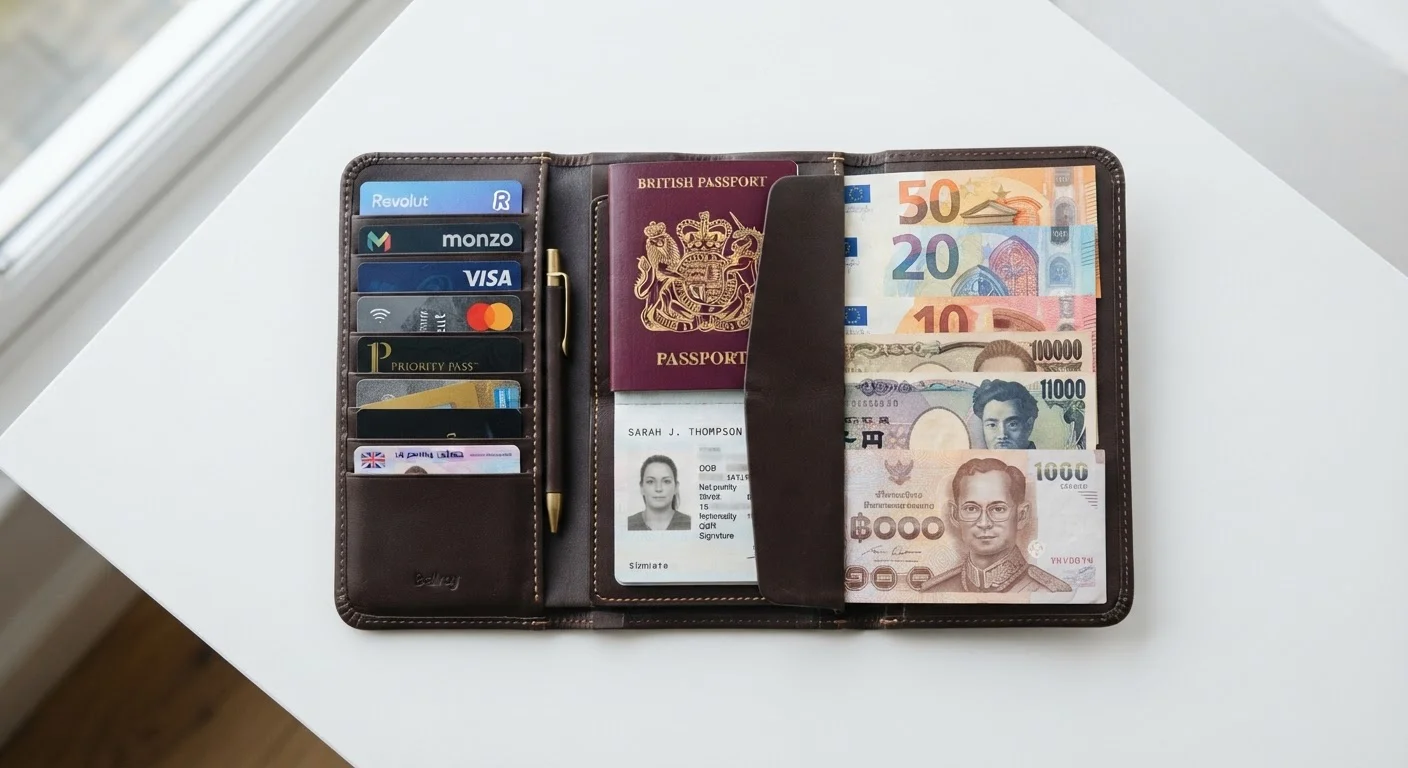
Foreign transaction fees and airport exchange rates can add up to hundreds of dollars on a longer trip - yet many travelers overlook this entirely in planning. Research your card's fee structure and your destination's ATM infrastructure before departure. In some countries, withdrawing cash in-country from a local ATM is consistently more favorable than exchanging at home or at the airport.
Currency planning is often overlooked. Using accounts or cards with no foreign transaction fees, and withdrawing local currency in-country rather than at airport exchange desks, routinely saves 3-8% on every transaction. That's not trivial across a two-week trip.