
How Foreign Exchange Actually Works
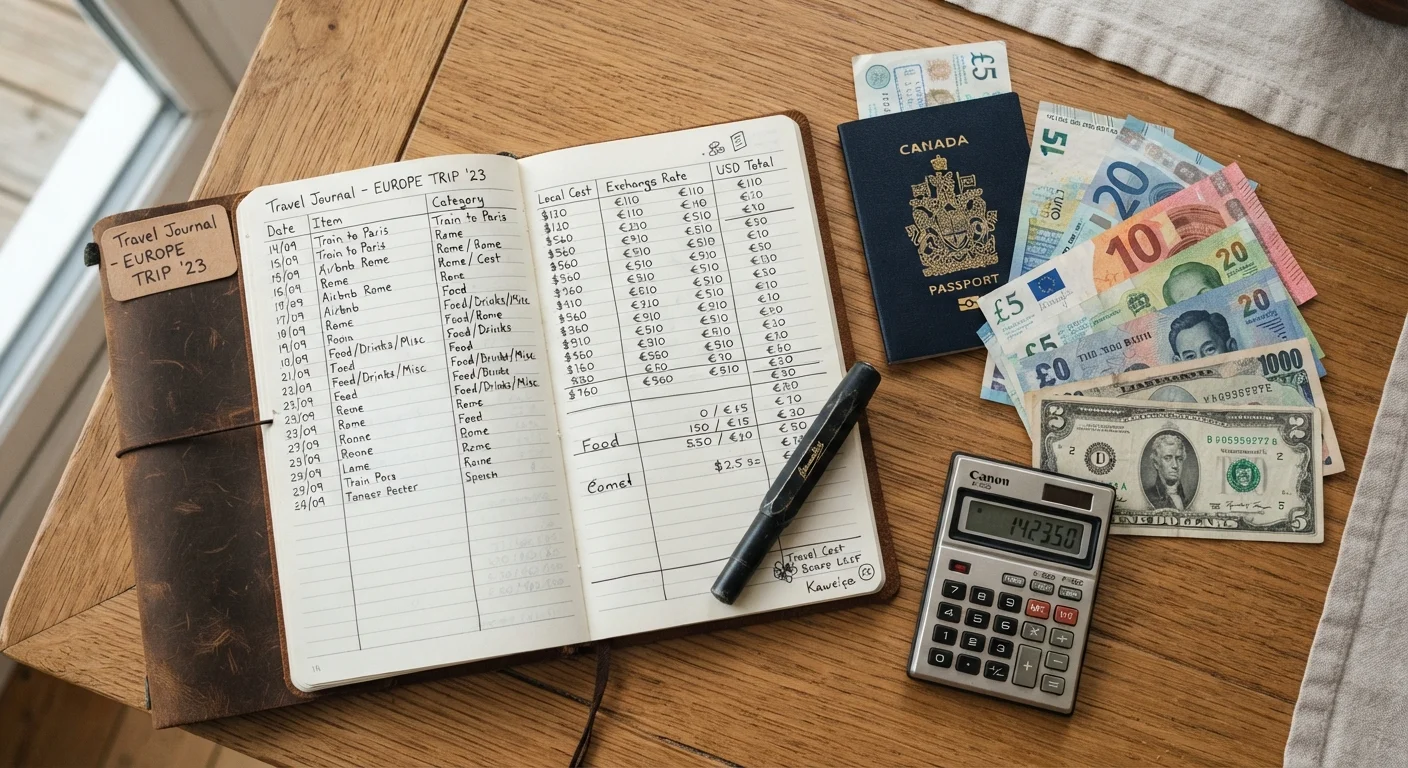
Every time you convert dollars into another currency, three variables determine what you actually pay: the interbank rate (the wholesale rate banks use among themselves), the spread a provider layers on top of that rate, and any flat transaction fees charged per conversion. The interbank rate is publicly available on sites like Google Finance or XE.com - treat it as your benchmark. Anything you're offered at a currency kiosk, hotel desk, or airport exchange booth will be worse than that rate by some margin. The realistic question isn't whether you'll pay a spread, but how large it is.
Airport currency exchanges typically carry spreads of 8-12% above the interbank rate. That's meaningful on a multi-week trip. ATMs abroad, by contrast, usually apply your home bank's exchange rate - often within 1-3% of interbank - plus a fixed withdrawal fee. For larger cash withdrawals, the fixed fee becomes proportionally smaller, making less frequent, larger pulls generally more cost-efficient than daily small withdrawals.
See our breakdown of overlooked travel expenses for how currency conversion costs compound alongside other hidden fees.
Card Fee Structures: What You're Actually Being Charged
Card fees abroad fall into two main categories that are easy to conflate. Foreign transaction fees - typically 1-3% per purchase - are charged by your card issuer on any transaction processed in a foreign currency. Dynamic Currency Conversion (DCC) is a separate mechanism: when a merchant or ATM abroad offers to charge you in US dollars rather than local currency, they're applying their own (usually poor) exchange rate. Always decline DCC and pay in local currency. Your card's rate will almost always be more favorable.
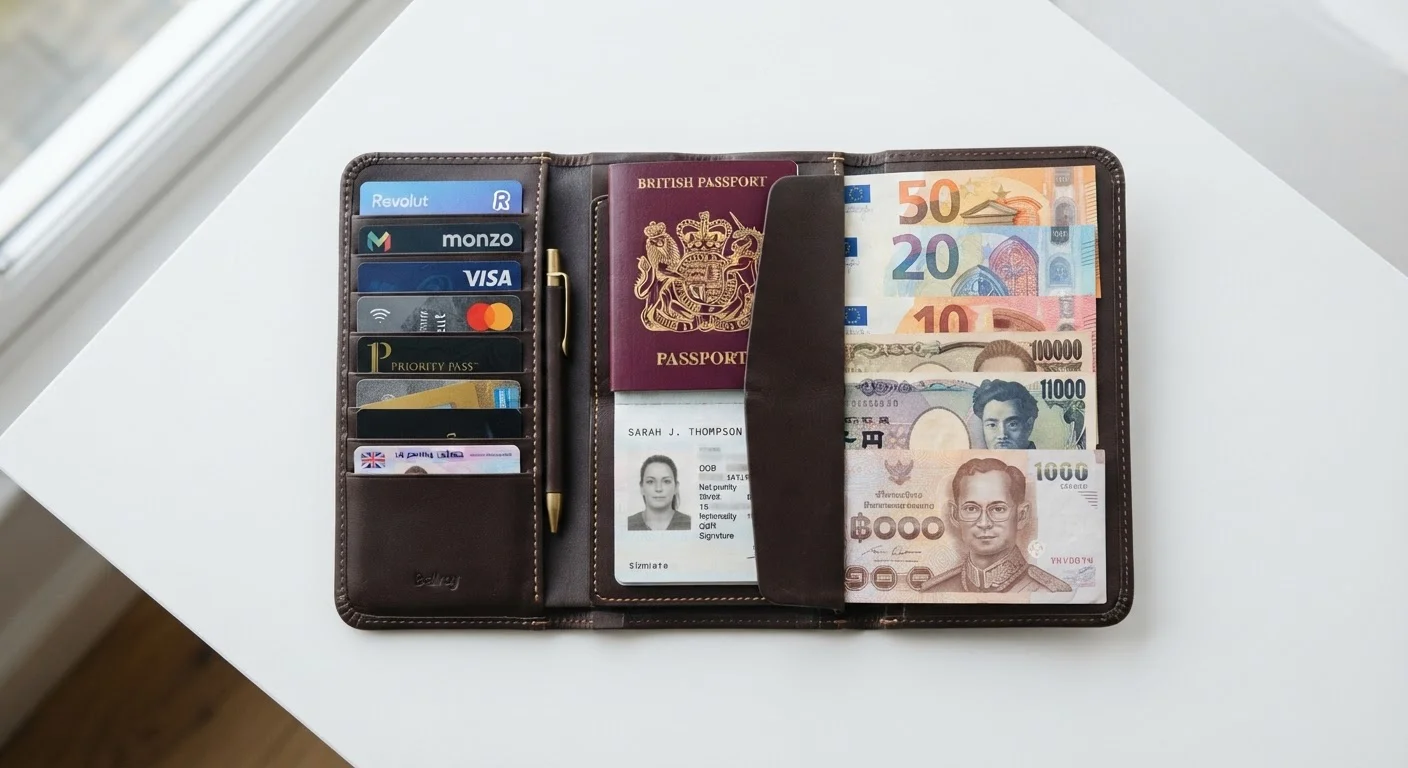
Cards marketed specifically for travelers frequently waive foreign transaction fees entirely, though the exchange rate applied is still set by the card network (Visa or Mastercard), not by you. Network rates are generally competitive - within 0.5-1% of interbank on most days. Before departure, contact your card issuer to confirm: foreign transaction fee percentage, PIN availability for chip-and-PIN terminals common in Europe, and whether your card type (Visa vs. Mastercard) has wider acceptance at your destination.
Interbank Rate
The exchange rate at which large financial institutions trade currencies with each other. It serves as the market benchmark and is not available to retail customers directly.
Spread
The difference between the interbank rate and the rate a currency provider offers you. It represents the provider's margin and is a key cost to evaluate when exchanging money.
Foreign Transaction Fee
A fee charged by a card issuer - typically 1-3% - on purchases processed in a foreign currency or through a foreign bank.
Dynamic Currency Conversion (DCC)
A service offered by foreign merchants or ATMs that converts a transaction into your home currency at the point of sale. The exchange rate applied is set by the merchant and is typically less favorable than your card network's rate.
Chip-and-PIN
A card authentication standard that requires both an embedded chip and a numeric PIN to complete a transaction. Widely used in Europe and some other regions; US travelers should verify their cards support PIN entry.
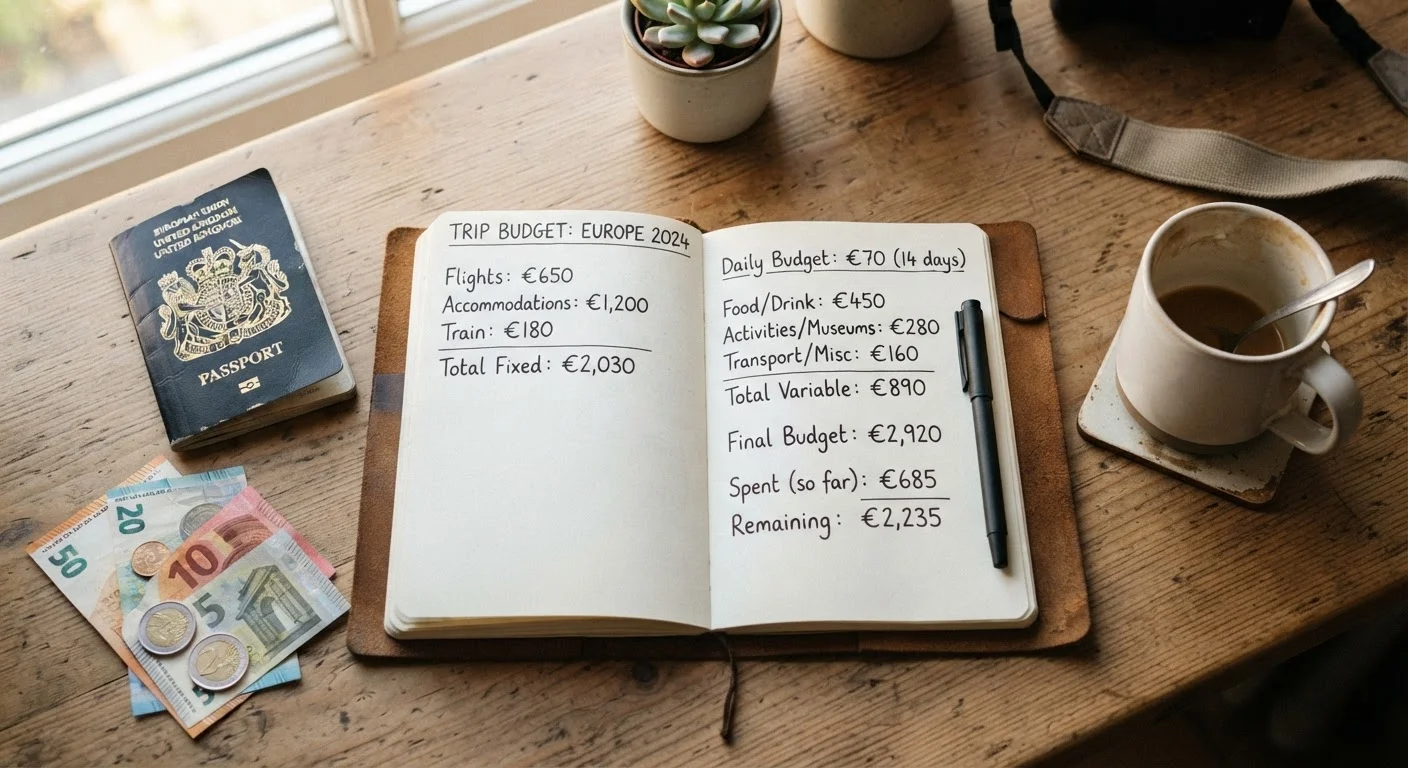
This connects directly to building a complete travel budget - card fees should appear as a line item, not an afterthought.
When Cash Remains the Practical Choice
Cards dominate in cities and tourist infrastructure, but cash retains clear advantages in specific contexts. Markets, street food vendors, rural transport, and small guesthouses in many destinations either don't accept cards or add a surcharge for card use. Some countries - particularly across Southeast Asia, parts of Central America, and rural Eastern Europe - are still predominantly cash economies outside major urban centers.
A reasonable framework: carry enough local cash to cover 1-2 days of small-scale spending. Withdraw from ATMs affiliated with major banking networks rather than standalone machines in tourist areas, which tend to charge higher fees and occasionally use non-transparent exchange rates. If you're managing a detailed trip budget, envelope-style cash tracking can help you monitor daily spending without relying on card statements you'll only see later.
Notify Your Bank Before You Leave
Many card issuers flag international transactions as potentially fraudulent if they have no prior notice of travel. Contact your bank or card issuer before departure to confirm your travel dates and destinations. Also verify your card's daily ATM withdrawal limits, which may be lower than you expect and may need to be temporarily raised for international use.
Run through a pre-departure budget audit to confirm your payment methods are configured, your cards are notified, and you've identified ATM options at your destination before your flight lands.