
How Cabin Tiers and Fare Classes Relate
Travelers often conflate cabin tiers with fare classes - they're related but not interchangeable. A cabin tier is the physical section of the plane: economy, premium economy, business, or first. A fare class (or booking code) is a pricing and rules layer that lives inside each cabin. Economy alone can contain a dozen fare classes, from the fully flexible Y-class down to a deeply restricted N or Q code.
Your booking code determines three things that matter far more than the seat itself: what you pay, how flexibly you can change or cancel, and how many miles you earn. Two passengers sitting side-by-side in economy may have booked completely different fare classes - and will have very different experiences if a schedule change forces a rebooking.
For a broader view of how airlines structure their inventory, see The Logic Behind Airline Fare Classes. For planning vocabulary beyond fare codes, A Practical Reference for International Flight Planning Terms covers codeshares, interlines, and open-jaw routing.
| Economy Cabin Codes | Y (full-fare) down through B, H, K, M, Q, V, W, L, S, N - roughly in descending flexibility (Standard IATA booking designator conventions) |
| Business Class Full-Fare Code | J (with C, D, I, Z as discounted or award business codes) (Common across major global carriers) |
| First Class Full-Fare Code | F (with A, P as discounted first codes on select airlines) (Varies by carrier; some airlines have retired F-cabin entirely) |
| Premium Economy Code | W (used by most carriers operating a dedicated premium economy cabin) (IATA recommended; adoption is near-universal on long-haul fleets) |
| Lowest-Earning Economy Codes | N, Q, O - typically 25-50% mileage accrual on partner itineraries (Accrual rates vary by airline and frequent flyer program) |
| Award Booking Codes | X (economy awards), I (business awards) on many programs (Program-specific; always verify with the operating carrier) |
Key Booking Codes and What They Signal
Use this glossary as a lookup reference when reviewing itineraries, fare rules, or mileage earning charts. Codes are organized by cabin.
Fare Class
A letter-coded category assigned to a seat that determines its price, flexibility, and earning potential. Multiple fare classes can exist within the same physical cabin.
Booking Code (RBD)
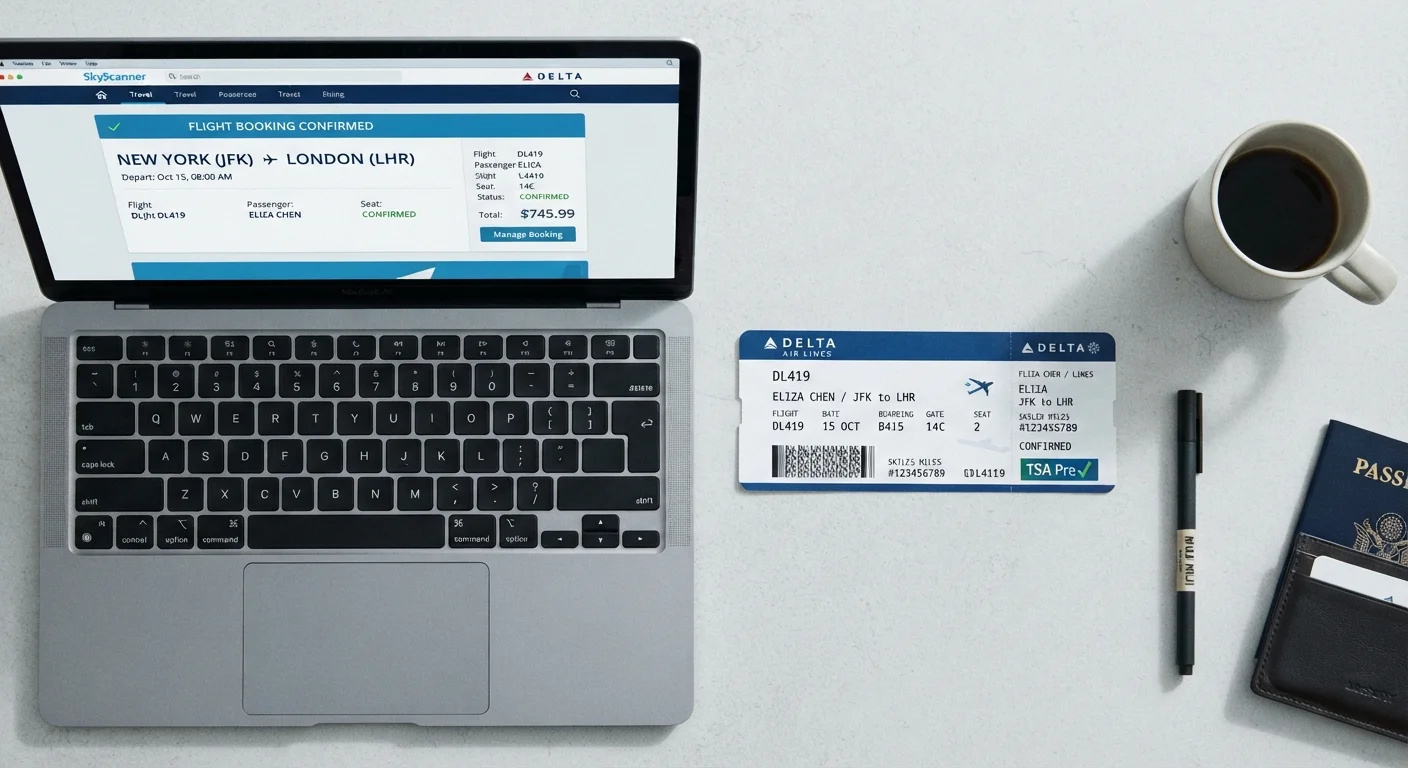
Short for Reservations Booking Designator, this single letter appears on your ticket and tells the airline's system which fare rules apply to your seat.
Y-Class
The full-fare economy booking code. Tickets in Y-class typically carry the most flexibility - full refundability, free changes - and earn maximum frequent flyer miles.
J-Class
The full-fare business class booking code on most carriers. J-class tickets earn top-tier miles, carry priority upgrade eligibility, and generally have the fewest restrictions.
F-Class
The standard full-fare first class booking code. Less common on modern aircraft as many carriers have merged first and business products.
Cabin Tier
The physical section of the aircraft - typically economy, premium economy, business, or first - which houses multiple fare classes beneath it.
Fare Basis Code
A longer alphanumeric string (e.g., YLXAP21) that encodes the full set of fare rules: advance purchase requirement, minimum stay, seasonality, and refund terms.
Mileage Accrual Rate
The percentage of miles flown (or flat miles awarded) that post to your frequent flyer account, directly tied to the booking code on your ticket.
Upgrade Eligibility
Whether a fare class qualifies for a complimentary, miles-based, or status-based upgrade. Discounted economy codes often block automatic upgrades.
Premium Economy
A distinct cabin tier - sometimes called W or E class - offering more legroom and modest service enhancements between economy and business class.
Saver Award
A redemption booking that uses fewer miles but occupies a restricted inventory bucket, often with no changes or cancellations permitted.
Q / V / N Class
Common discount economy booking codes representing deeply restricted fares - low mileage accrual, no upgrades, and often non-refundable and non-changeable terms.
Booking Codes Are Carrier-Specific
While IATA sets broad conventions, airlines assign their own meaning to many letter codes. A 'B' class ticket earns full miles on one carrier but restricted miles on another. Always check the specific airline's fare rules and the frequent flyer program's earning chart before booking, especially on codeshare or partner itineraries.
Understanding which code your ticket carries matters most in two scenarios: when a flight disruption forces a rebooking (lower codes carry weaker protections) and when you're managing elite status mileage runs (discount codes can quietly slash accrual). Both cases reward travelers who read the fare basis before clicking purchase - not after.
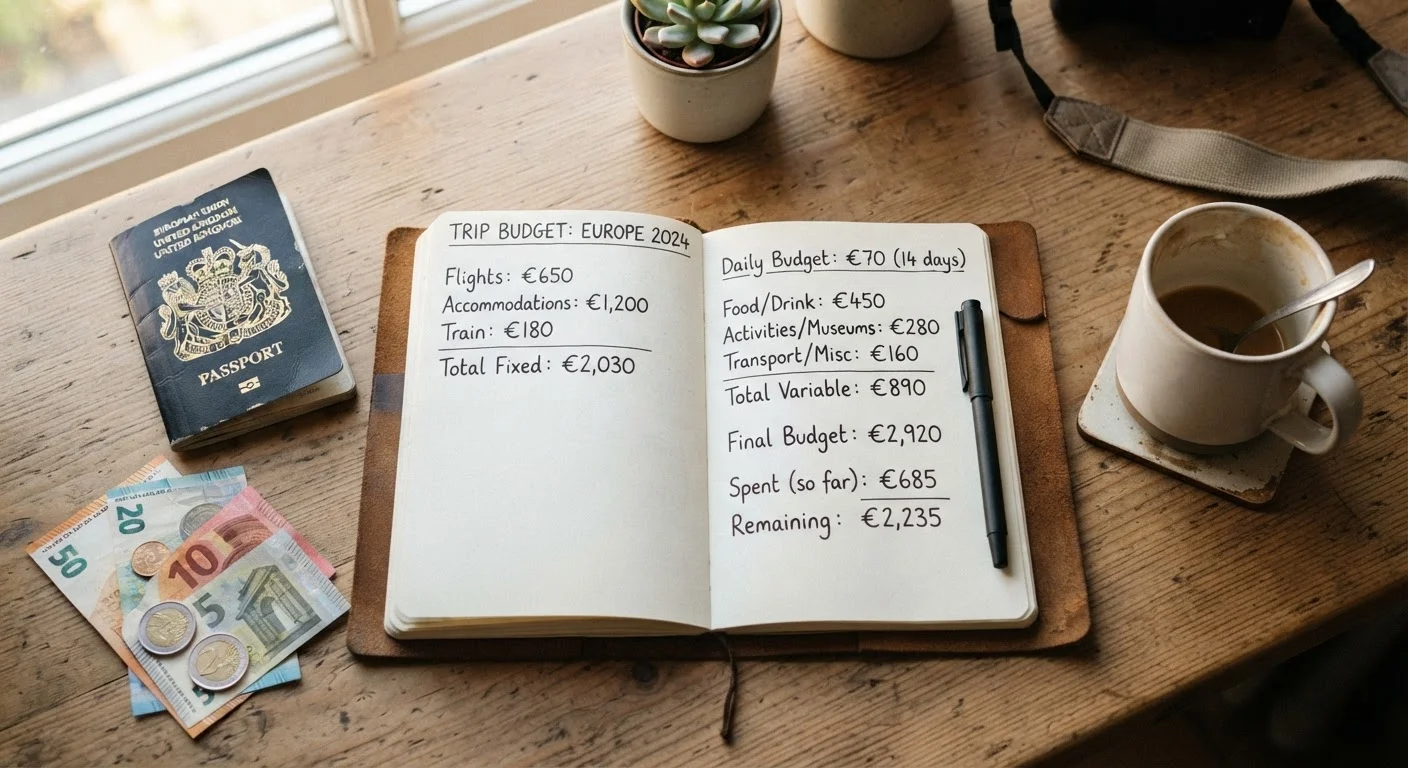
For context on how these tiers compare to cruise cabin structures, Cabin Categories Decoded: From Inside Rooms to Suite-Class Living and Cabin Categories Decoded: Inside, Oceanview, Balcony, and Suite Explained apply similar logic to ship bookings. Budget strategy across both modes is covered in depth at Trip Budgeting.
26+
Booking codes in a typical airline inventory
Most major carriers manage more than 26 distinct fare class buckets simultaneously across a single route.
25-100%
Mileage accrual range by fare class
The difference between a deeply discounted economy code and a full-fare economy ticket can mean earning half the miles or none at all on partner flights.
4
Distinct cabin tiers on long-haul aircraft
Many widebody aircraft now operate first, business, premium economy, and economy as separate physical cabins, each with its own set of booking codes.