
Beyond the Highlight Reel
Most travelers visit a destination. Fewer truly engage with it. The distinction matters more than it might seem at first glance.
Cultural immersion is not a specific activity - it is an orientation. It's what shifts a trip from a collection of checked-off sights to a series of genuine human encounters. A traveler can stand inside one of the world's great cathedrals and feel nothing beyond mild awe, while another spends an afternoon in a neighborhood bakery learning to shape bread and leaves with something far more lasting: a felt sense of how daily life is structured, valued, and shared in that place.
The word "immersion" is instructive. It implies being surrounded by something, not just brushing against it. Authentic cultural engagement requires deliberately stepping out of the comfortable insulation that tourism typically provides - the tour bus, the resort buffet, the guided route - and into the unscripted texture of a place.
“Travel is fatal to prejudice, bigotry, and narrow-mindedness - broadening, wholesome, charitable views cannot be acquired by vegetating in one little corner of the earth all one's lifetime.”
— Mark Twain, Author, travel writer, and essayist
What Immersion Actually Involves
At its core, cultural immersion involves four interconnected practices: observation, participation, conversation, and reflection. Each builds on the last.
- Observation means paying close attention to how people move through their day - how they greet each other, how they organize markets, how they mark time and celebration.
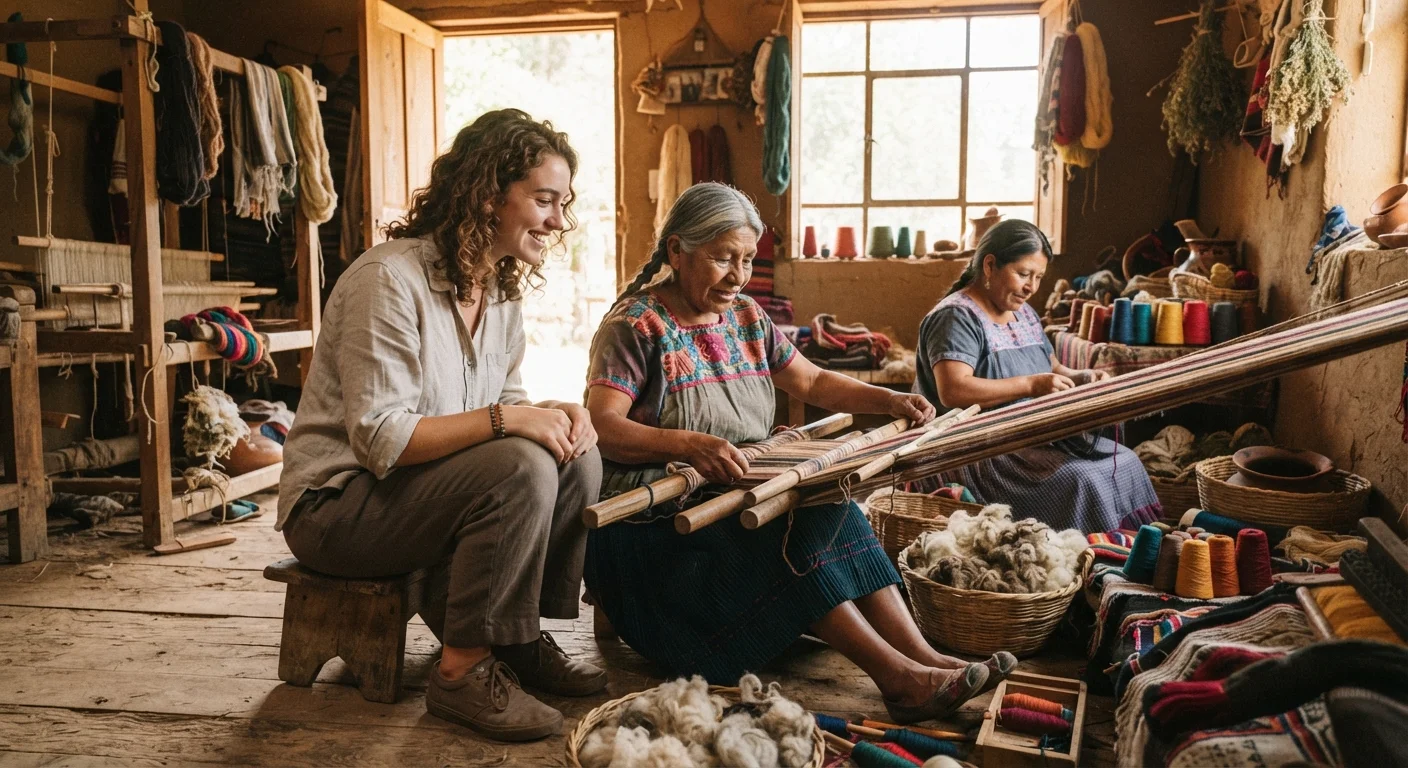
- Participation means joining in, when invited - cooking alongside a family, attending a neighborhood festival, working briefly with local craftspeople.
- Conversation means making the effort to communicate, even imperfectly, in the local language, and listening more than speaking.
- Reflection means sitting with what you observe and experience without rushing to interpret it through the lens of your own cultural assumptions.
None of these require an elaborate program or expensive experience. Much of the most meaningful immersive travel happens in ordinary moments - a shared table, a local market, a bus ride taken without a plan.
Start With Language, Even Imperfectly
Before any immersive trip, invest time in learning basic greetings, common courtesies, and a few practical phrases in the local language. You don't need fluency - you need willingness. Locals almost universally respond more warmly to travelers who try, even clumsily, than to those who default immediately to English. A phrasebook, a language app, and a readiness to be corrected are all you need to start.
The Ethics of Engagement
Immersive travel carries responsibility. Communities are not exhibits, and cultures are not performances staged for visiting audiences. When travelers approach immersion without ethical grounding, the experience can tip from genuine connection into something extractive or disrespectful.
A few principles help keep engagement honest. First, follow the community's lead on what is open to outside participation - some ceremonies, spaces, and practices are not meant to be witnessed by outsiders, regardless of how available they appear. Second, consider the economic dimension: where possible, spend money in ways that benefit local people directly rather than through intermediaries who capture most of the value. Third, ask permission - particularly before photographing individuals, families, or sacred sites.
For travelers preparing their first immersive journey, the pre-departure groundwork of cultural research, language preparation, and community-first thinking makes an enormous practical difference.
Immersion Looks Different in Every Context
What counts as respectful, engaged participation varies significantly between cultures and communities. In some settings, joining a household meal is a natural and welcomed expression of hospitality; in others, it would be presumptuous. There is no universal script for cultural immersion - only the consistent practice of listening, observing, and following the community's lead. Always verify local customs and etiquette before your trip through reputable destination guides and, where possible, direct conversation with community members or local cultural organizations.
Immersion and the Pace of Travel
One of the most consistent findings among experienced cultural travelers is simple: slowing down opens more doors than any curated itinerary.
When you spend a week in one neighborhood instead of covering six cities in the same span, you begin to be recognized. The owner of the corner café starts to expect you. You notice the rhythms of the local market - which vendors arrive early, which goods disappear by noon. You become, in a small but real way, a temporary neighbor rather than a passing stranger.
The comparison between slow travel and itinerary-heavy tours is worth serious consideration for anyone who wants cultural depth rather than cultural coverage. Coverage gives you breadth; immersion gives you understanding.
Similarly, whether you choose an urban neighborhood or a rural community shapes what kind of cultural texture you encounter. Both settings are rich with meaning. The comparison between cities and villages is less about which is more authentic and more about what kind of life - and what kind of learning - you are prepared to engage with honestly.
For travelers taking their first steps toward this style of travel, living like a local offers a practical path into immersive experience - one encounter at a time.
72%
Travelers prioritizing local cultural experiences
According to Booking.com's Sustainable Travel Report, a large majority of surveyed travelers expressed a desire to have more authentic local experiences on their trips.
7-14 days
Minimum stay for meaningful community connection
Anthropologists and experienced immersive travelers widely cite one to two weeks in a single location as the threshold at which genuine social patterns and relationships begin to emerge.