

What You Actually Book - and What You Don't
When travelers reserve a "deluxe king room" or a "sea-view double," the natural assumption is that a specific room is being held under their name. In reality, nearly all hotel reservations confirm a room category - a defined set of features and amenities - not a particular unit. The individual room number remains unassigned, sometimes until the morning you check in.
This distinction matters far more than most guests realize. As experienced travelers know, the gap between what's booked and what's received is one of the most common sources of check-in disappointment. Two rooms in the same category can differ significantly in floor level, proximity to elevators, noise exposure, and view quality.
Where your room sits within the property - which wing, which floor, how far from street noise - shapes the experience in ways the room category description never captures.
How the Assignment Process Actually Works
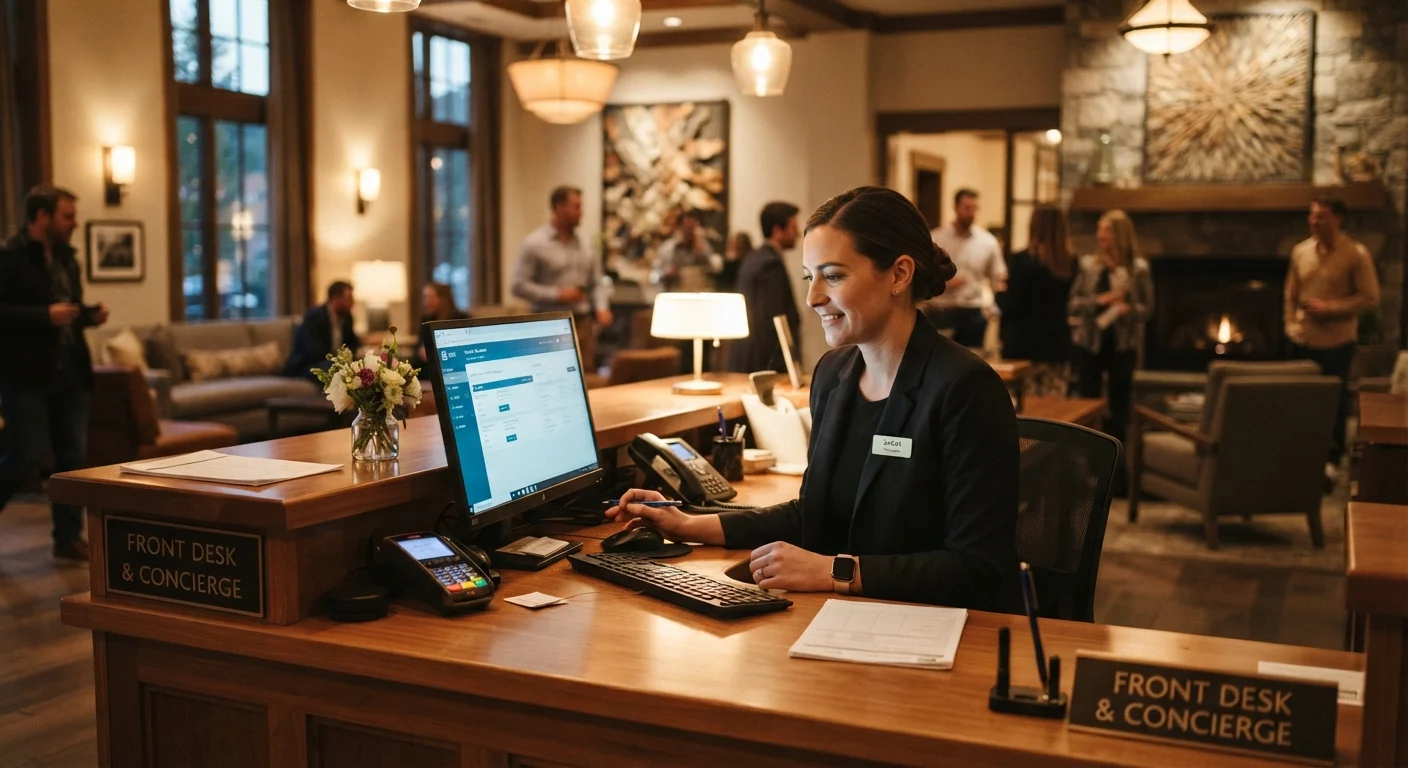
Hotels operate on inventory management systems that track availability by room type. On any given night, a property might have 40 rooms in the same category - and the front desk or an automated property management system determines which specific units go to which guests, typically on arrival day.
Several factors influence that decision:
- Loyalty program status: Elite members are usually prioritized for better placements and, where available, complimentary upgrades.
- Booking channel: Direct reservations often receive preferential treatment over those made through third-party platforms.
- Length of stay: Guests staying multiple nights may be assigned rooms in less-trafficked areas to minimize disturbance to housekeeping flows.
- Operational constraints: Maintenance issues, prior-night overstays, or rolling check-outs all affect which rooms are actually ready and available at any given moment.
Upgrades follow a similar logic - they are not random acts of generosity but deliberate decisions made when inventory, timing, and guest profile align.
Category
What a hotel reservation actually confirms
Most hotel contracts confirm a room type or category, not a specific room number - a distinction rarely explained at booking.
Day-of
Typical timing of final room assignment
Industry-standard practice at the majority of full-service hotels is to finalize specific room assignments on the morning of the guest's arrival.
1-2 days
Ideal advance window for room requests
Contacting a hotel one to two days before arrival - when staff are actively building assignment lists - tends to yield the best results for preference requests.
The Right Way to Make a Room Request
Knowing when assignments are finalized gives you a strategic advantage. The most effective window for communicating preferences is one to two days before arrival - after the hotel has begun organizing its assignment schedule but before rooms are locked in. A brief, specific request made at this point is far more likely to be honored than one buried in a booking note months earlier.
Contact the Hotel Directly, Not Through the Platform
When making a room preference request, call or email the property itself rather than messaging through a third-party booking platform. The front desk team handling assignments has direct access to the inventory system, whereas platform messaging often routes to a general customer service queue that may not communicate your request in time.
At check-in, if the assigned room doesn't meet your expectations, a calm, specific conversation with the front desk is your best option. Vague dissatisfaction is difficult for staff to act on; a clear, practical request - "I'd prefer a room away from the elevator if one is available in this category" - gives them something workable. For guidance on arriving before the standard check-in time, the same principle applies: specificity and timing are everything.
For travelers focused on refining their overall booking approach, understanding the room assignment process is a foundational piece of getting more from every stay - without spending more to get it.