
Why Room Category Labels Are Mostly Marketing
Walk through any hotel booking page and you'll encounter a cascade of adjectives: Standard, Superior, Deluxe, Premier, Signature, Grand, Executive. They sound like a clear hierarchy. They're not - at least not in any standardized sense.
Unlike airline cabin classes, which are regulated within carrier frameworks, hotel room categories are entirely self-defined. A property can call its smallest room "Superior" and its mid-range room "Grand Deluxe" without meeting any external benchmark. What those words mean in practice depends entirely on how that specific hotel has chosen to position its inventory.
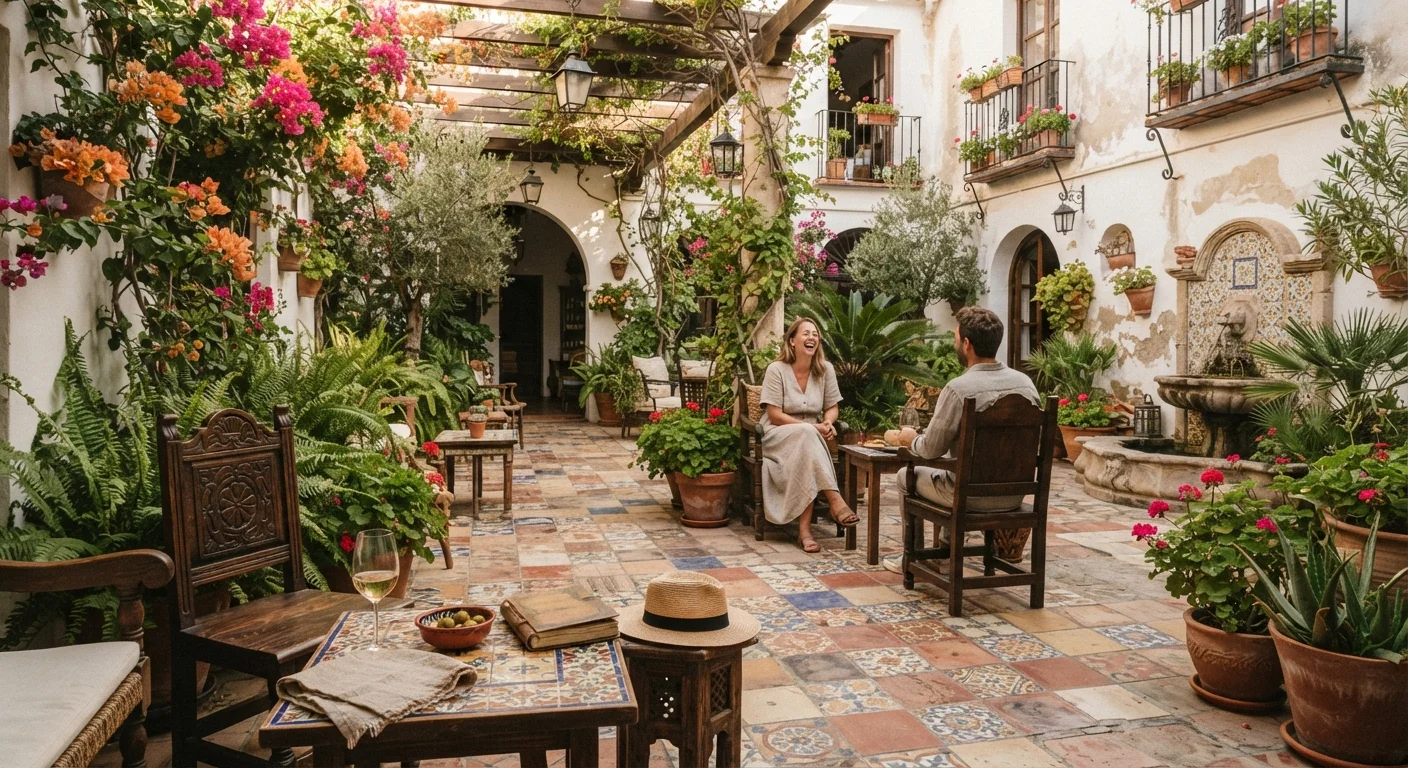
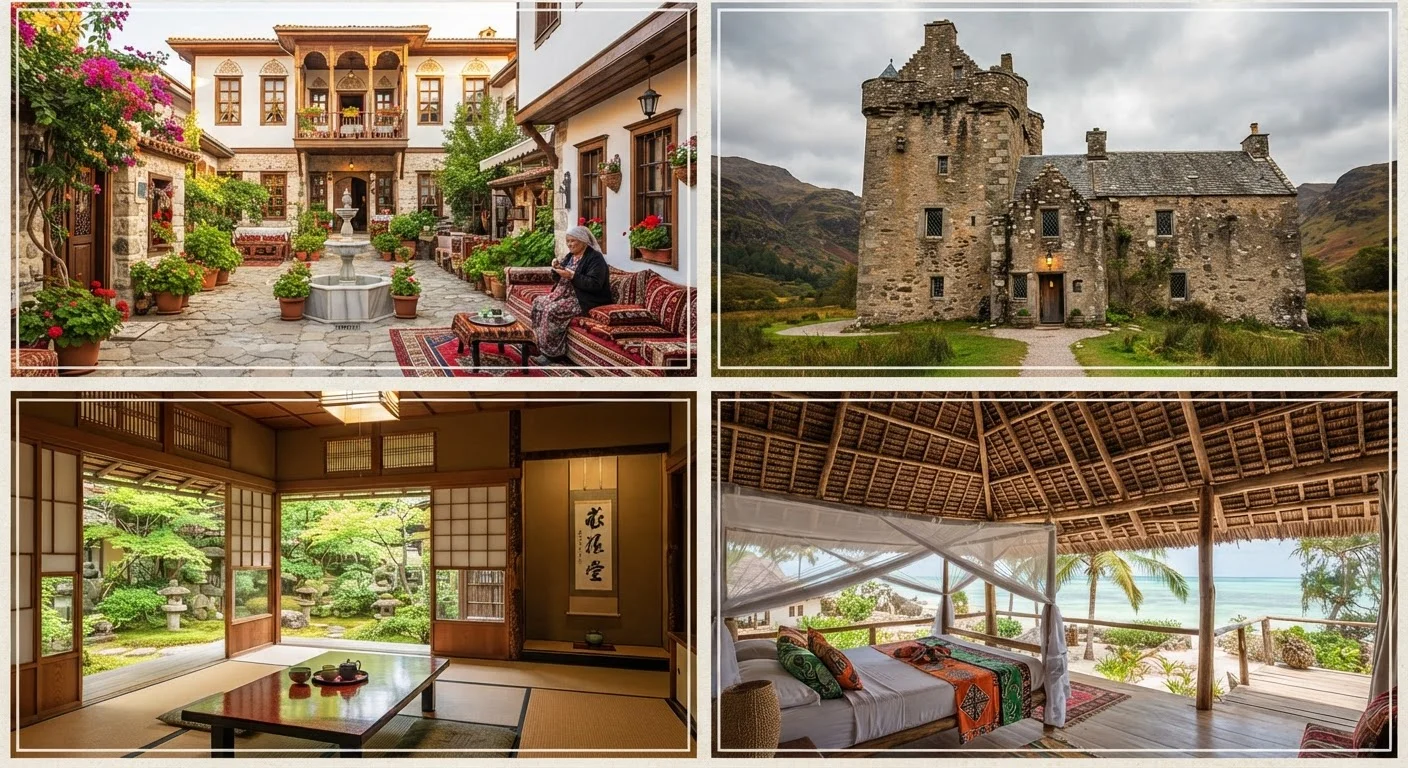
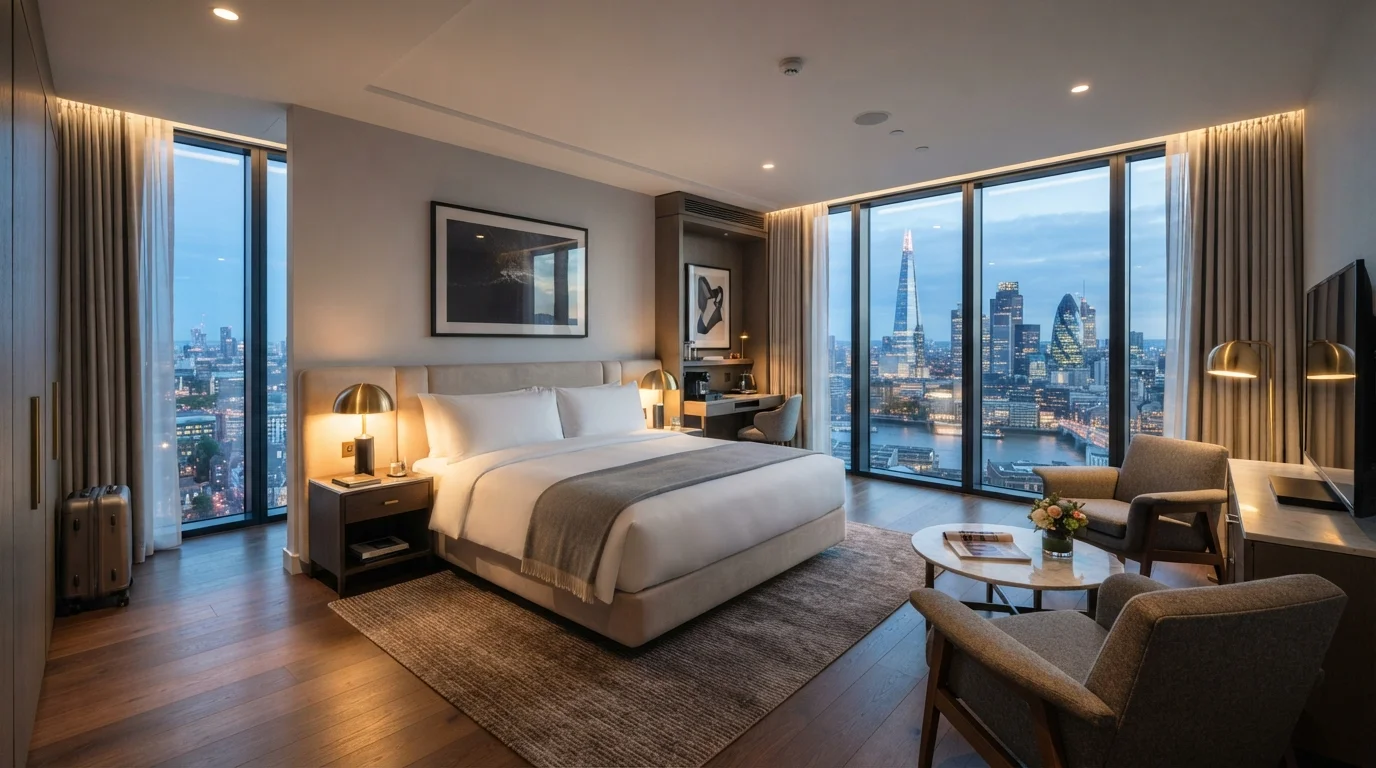
The result: the same label can represent dramatically different experiences across properties. A "Deluxe" room at a converted heritage property might mean exposed beams and garden access. At a business tower, it might simply mean a slightly higher floor and a desk lamp upgrade. Neither is inherently wrong - but neither is what the word implies on its own.
Chain Hotels vs. Independent Properties
Large hotel chains often have internal brand standards that create more consistency within their own portfolio - a "Deluxe King" at properties within the same brand flag tends to mean something similar from city to city. Independent hotels, boutique properties, and smaller collections apply category names with even more latitude. When staying at an independent property, the written description carries more weight than the tier label.
The Core Differentiators That Actually Matter
Beneath the marketing language, most room tiers are built around a handful of real variables. Knowing what to look for cuts through the noise.
- Size (square footage): The most concrete differentiator. Booking sites increasingly list room dimensions - use them. A 280 sq ft room and a 420 sq ft room are meaningfully different regardless of what either is called.
- Floor height and position: Higher floors typically offer better views and less street noise. Some hotels reserve upper floors exclusively for premium categories. Where your room sits in the building matters more than most guests anticipate.
- View classification: City view, garden view, ocean view, and "partial view" are standard sub-categories that can dramatically affect the feel of a room - and often the price. "Partial view" frequently means a sliver of something desirable.
- Bed configuration: Room categories sometimes bundle bed type (king vs. two queens) with tier level. Clarify this at booking if it matters to your stay.
- Included amenities: Higher tiers may include bathrobes, espresso machines, welcome amenities, or turndown service that standard rooms lack.
For a deeper read on how resort and hotel terminology works across the full spectrum, this glossary of hotel and resort terms decodes the language properties use across all stay types.
Check the Square Footage First
Before comparing room category names, look for listed dimensions. Many booking platforms now include room size in square feet or square meters. This single data point often tells you more about what you're actually getting than any tier label. If dimensions aren't listed, consider reaching out to the property directly - it's a reasonable question that most hotels will answer.
Decoding the Most Common Category Names
While no universal standard exists, certain naming conventions have emerged across the global hotel industry:
- Standard / Classic
- The entry-level room. Functional and complete, but the smallest footprint and least desirable floor or view position in the property's inventory.
- Superior
- A step above Standard - usually in floor height, view, or marginal size increase. The improvement is real but modest. Often the most misunderstood tier because "superior" implies more than it typically delivers.
- Deluxe
- Generally a meaningful upgrade: more square footage, a better view category, or enhanced furnishings. This is where many travelers find the sweet spot between cost and comfort.
- Premium / Premier
- A near-suite experience without the separate living space. Expect the property's best standard-room floor position and the fullest amenity package short of a suite.
- Club / Executive
- A category defined less by the room itself and more by access privileges - typically a private lounge with food and beverage service. The room may be comparable to a Deluxe tier.
- Junior Suite
- An oversized room with a defined sitting area, but no separate bedroom. The wall between sleeping and living is implied, not architectural.
- Suite
- A separate bedroom plus living room, often with additional bathroom fixtures, dining space, or a kitchenette. True suites have a door between spaces.
What genuinely defines a luxury stay often has less to do with room category names than with how well the property executes on service and space fundamentals.
How to Read Room Listings More Accurately
The label is a starting point, not the answer. Here's what experienced travelers examine before committing to a room:
- The written description, word for word. Look for specifics: floor range, actual dimensions, named views, and listed amenities. Vague language - "stylish," "comfortable," "well-appointed" - signals little. Concrete language does.
- What's explicitly excluded. If a room description doesn't mention a balcony, bathtub, or sofa, assume it doesn't have one. Absence of mention is meaningful.
- Upgrade language at checkout. Many booking flows show you the delta between room categories in both price and feature terms. This comparison view is often more useful than reading each category in isolation.
- Independent traveler reviews by room type. Filter reviews by the specific category you're considering on independent review platforms. Guests who stayed in that exact room type are your most reliable source.
For a broader look at how room listings can mislead even careful readers, this guide to reading hotel listings accurately is worth reviewing before you book.
No standard
Global definition for hotel room tiers
The International Hotel & Restaurant Association and major travel bodies confirm there is no universally adopted framework governing room category nomenclature across properties.
~30-40%
Typical size difference between Standard and Deluxe
Across major urban hotels, Deluxe rooms commonly offer a 30-40% increase in square footage over Standard rooms, though this varies widely by property.