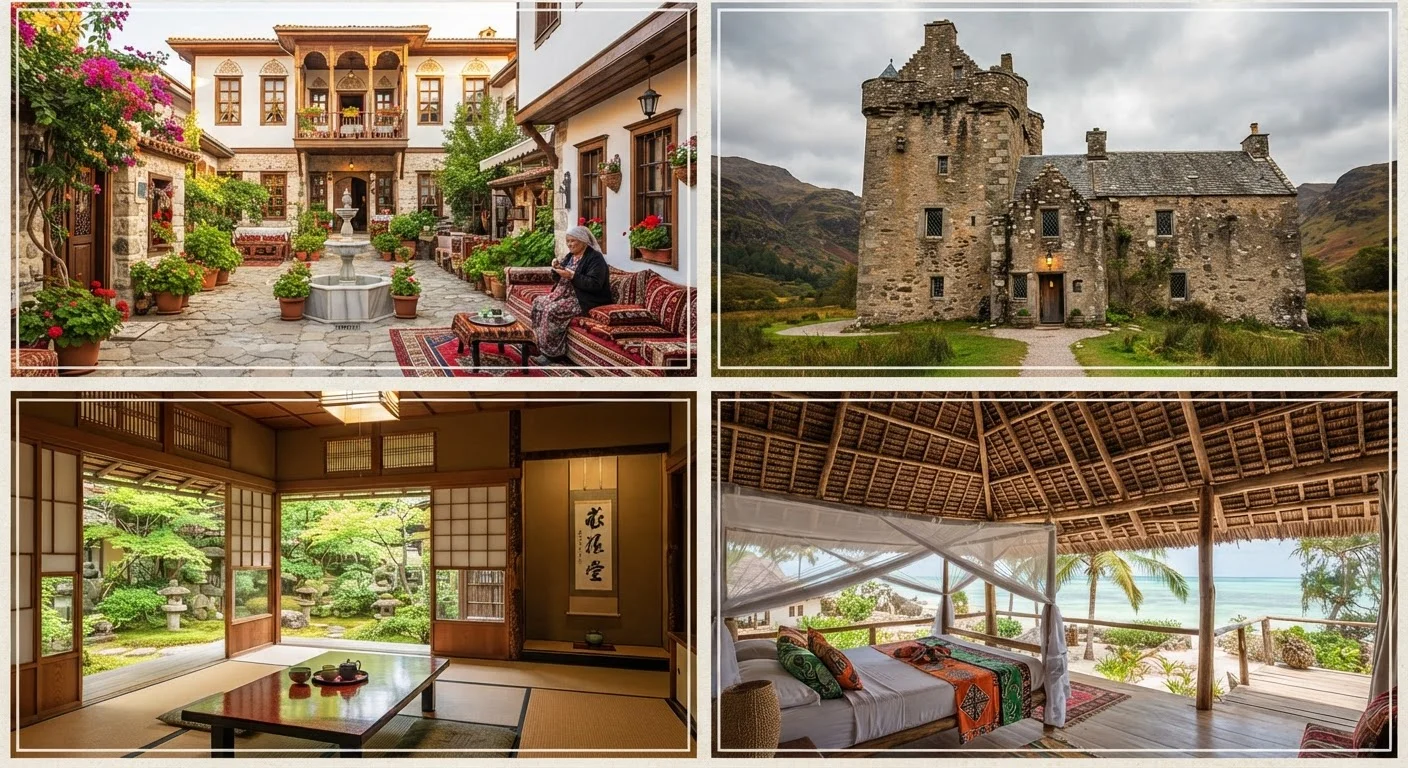


The Luxury Myth: Why Marble and Thread Count Miss the Point
Scan any luxury hotel's website and you will encounter a familiar vocabulary: Egyptian cotton, rainfall showers, curated minibar, pillow menu. These are signals - shorthand designed to communicate quality before a guest ever sets foot inside. But frequent travelers quickly learn that these details, however pleasing, are not what defines a truly exceptional stay.
The honest truth is that a bed with 800-thread-count sheets in a room staffed by indifferent, scripted employees will not feel luxurious. Conversely, a smaller property with simpler linens but staff who remember your name, anticipate your preferences, and make you feel genuinely welcomed often produces memories that last years. The physical environment sets a baseline; the human environment determines whether the stay actually feels luxurious.
This distinction matters because it reshapes how experienced travelers evaluate and choose accommodation. It also explains why some of the highest-rated hotels in the world generate surprisingly lukewarm personal reviews, while modest boutique properties consistently earn passionate loyalty.
“Luxury must be comfortable, otherwise it is not luxury. The most lasting hospitality experiences are those where guests feel the effort was made for them specifically - not for a category of guest.”
— Coco Chanel, Fashion designer and cultural commentator, widely cited in hospitality design discussions
What Genuinely Defines a Luxury Stay
Across hospitality research and the collective experience of frequent guests, a few qualities consistently separate genuinely luxurious stays from expensive-but-ordinary ones:
- Anticipatory service: Staff who address needs before they are expressed. This requires attentiveness, genuine interest in the guest, and the authority to act on observations without layers of approval.
- Frictionless experience: The absence of small frustrations - check-in delays, unclear processes, unanswered requests - is arguably more valuable than any amenity. Luxury means your attention is never pulled toward logistics.
- Personalisation: Being recognised and responded to as an individual, not processed as a room number. This ranges from remembering dietary preferences to acknowledging a special occasion without being prompted.
- Sense of place: The best luxury properties feel unmistakably located where they are. Architecture, cuisine, materials, and staff culture reflect the destination rather than a global template. Increasingly, this authenticity is what distinguishes genuinely exceptional stays.
For a deeper look at the terminology properties use to signal these qualities, see our glossary of resort and hotel terms decoded.
72%
Travelers prioritising experience over amenities
Research from American Express's Global Travel Trends reports consistently shows that the majority of affluent travelers rank the quality of experience and service above physical amenities when defining a luxury stay.
1 in 3
Luxury guests cite personalisation as top factor
Hospitality industry surveys, including those from Skift Research, indicate that personalisation - being recognised and responded to as an individual - is among the most frequently cited drivers of luxury guest satisfaction.
Why Price and Stars Are Imperfect Proxies
Five-star classifications measure inputs - the number of pillows available, whether a property has a concierge desk, the square footage of the gym - rather than the quality of what guests actually experience. Rating systems are necessarily standardised, and standardisation is, in a sense, the opposite of personalised luxury.
Price tells a related but incomplete story. High room rates often reflect location premiums, brand prestige, or the cost of maintaining large physical infrastructure. None of these factors directly correlate with how attentive the service will be or how connected a guest will feel to the place. As our editorial team explores in detail, paying more doesn't always buy a better hotel stay.
Look Beyond the Star Rating When Researching Stays
When evaluating a property, read extended guest reviews with attention to how staff are described - not just the room or location. Consistent mentions of staff attentiveness, personalised touches, and responsive problem-solving are stronger predictors of a genuinely luxurious experience than any official classification. Also consider checking hotel insider tips for practical frameworks experienced travelers use to assess quality.
This is not an argument against high-end properties - many exceptional ones happen to be expensive and highly rated. It is an argument for evaluating stays on experiential criteria rather than deferring entirely to price tier or star classification.
Luxury Is Personal - And That's the Point
Perhaps the most important insight for experienced travelers is that luxury is not a fixed destination - it is a function of what matters most to a specific person in a specific context. For a business traveler exhausted from a long-haul flight, luxury might mean seamless, silent efficiency: express check-in, a perfectly prepared room, no unnecessary interaction. For a couple celebrating an anniversary, it might mean abundant warmth, personal touches, and the feeling of being cared for.
This is why the most credible luxury properties invest in understanding their guests rather than simply outfitting rooms. It is also why the boutique and unique stays category has grown so significantly among discerning travelers - smaller properties often have both the incentive and the flexibility to offer genuinely individualised experiences that large-scale operations find difficult to replicate consistently.
For those navigating accommodation decisions, the most useful question is not 'how many stars does this property have?' but 'does this place have a reputation for making guests feel genuinely seen?' That shift in framing almost always leads to better outcomes. See also: boutique luxury vs. chain luxury for a closer look at how these two traditions of hospitality differ in practice.