
What Makes a Stay Truly Boutique
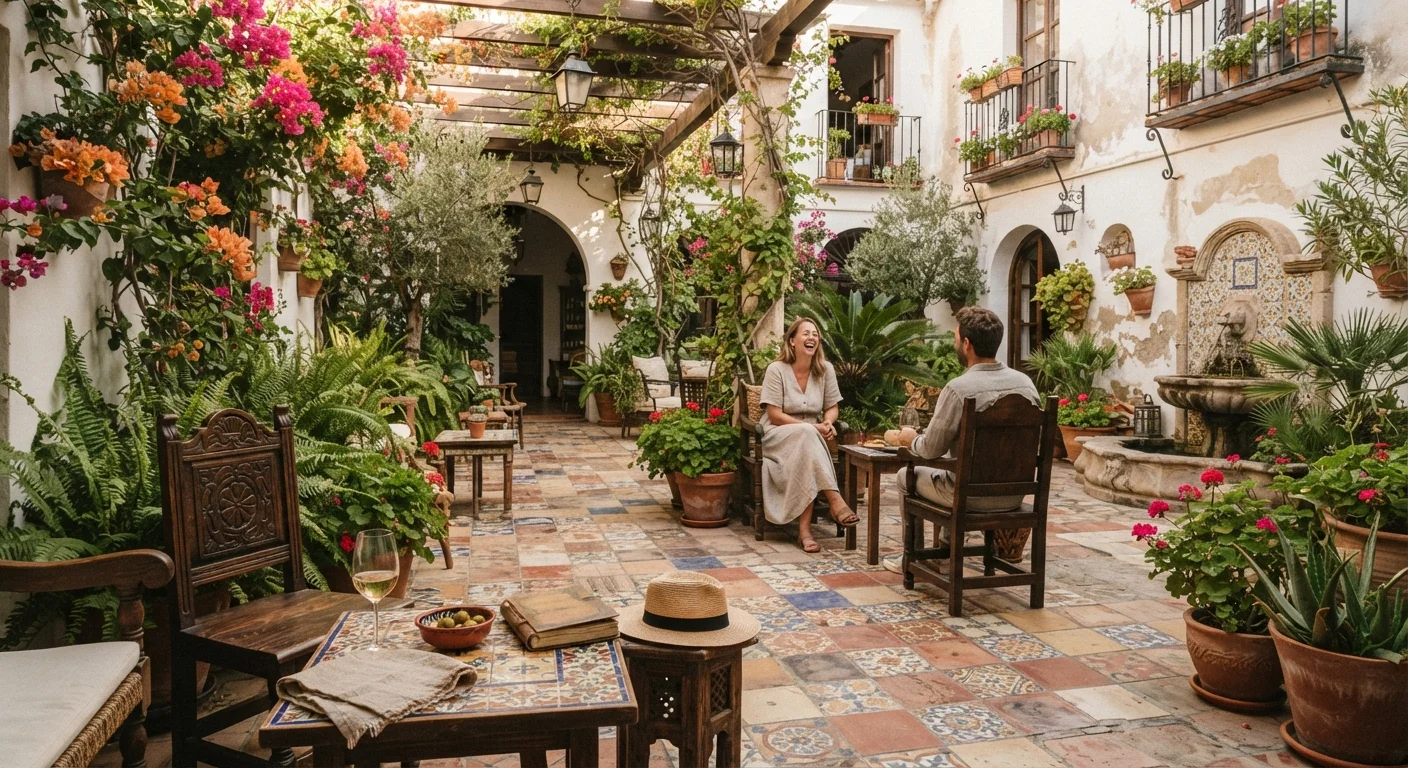
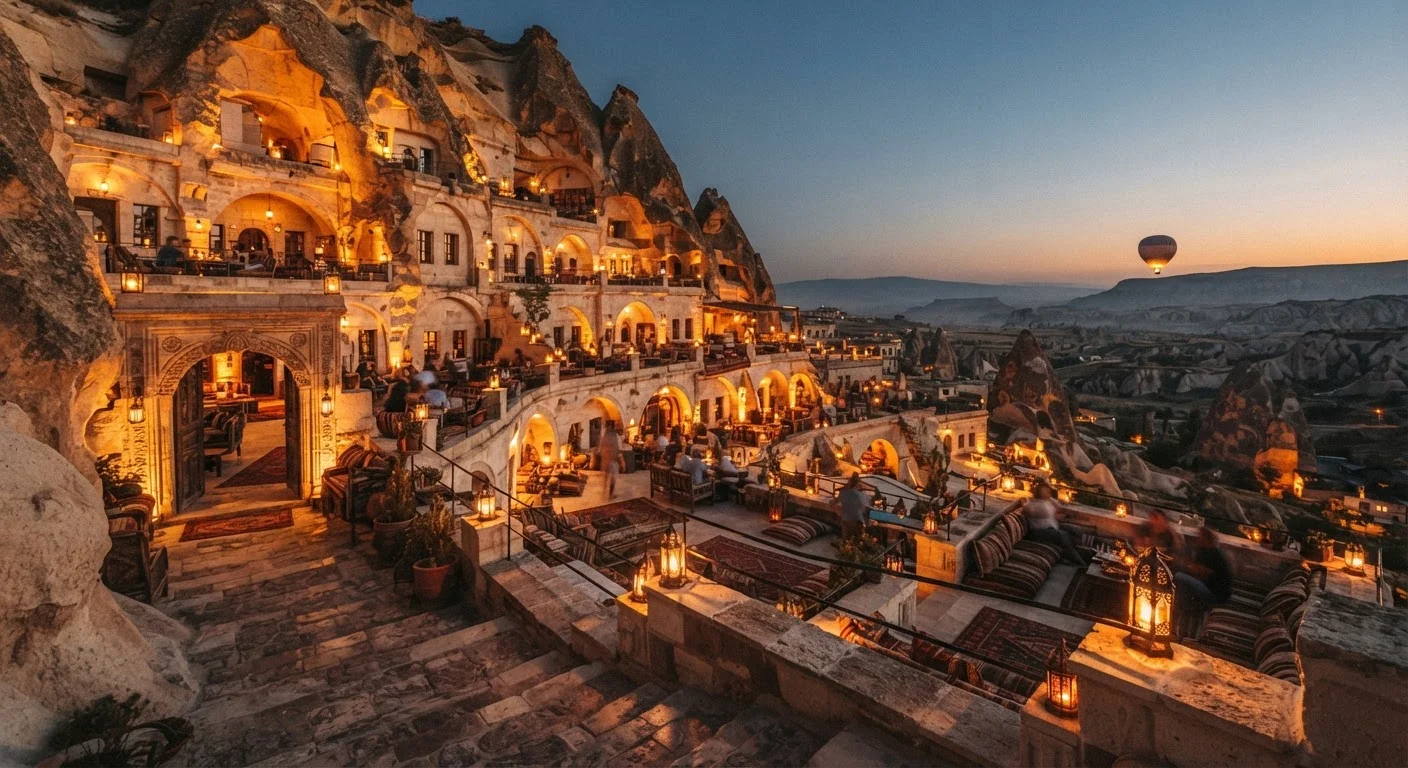
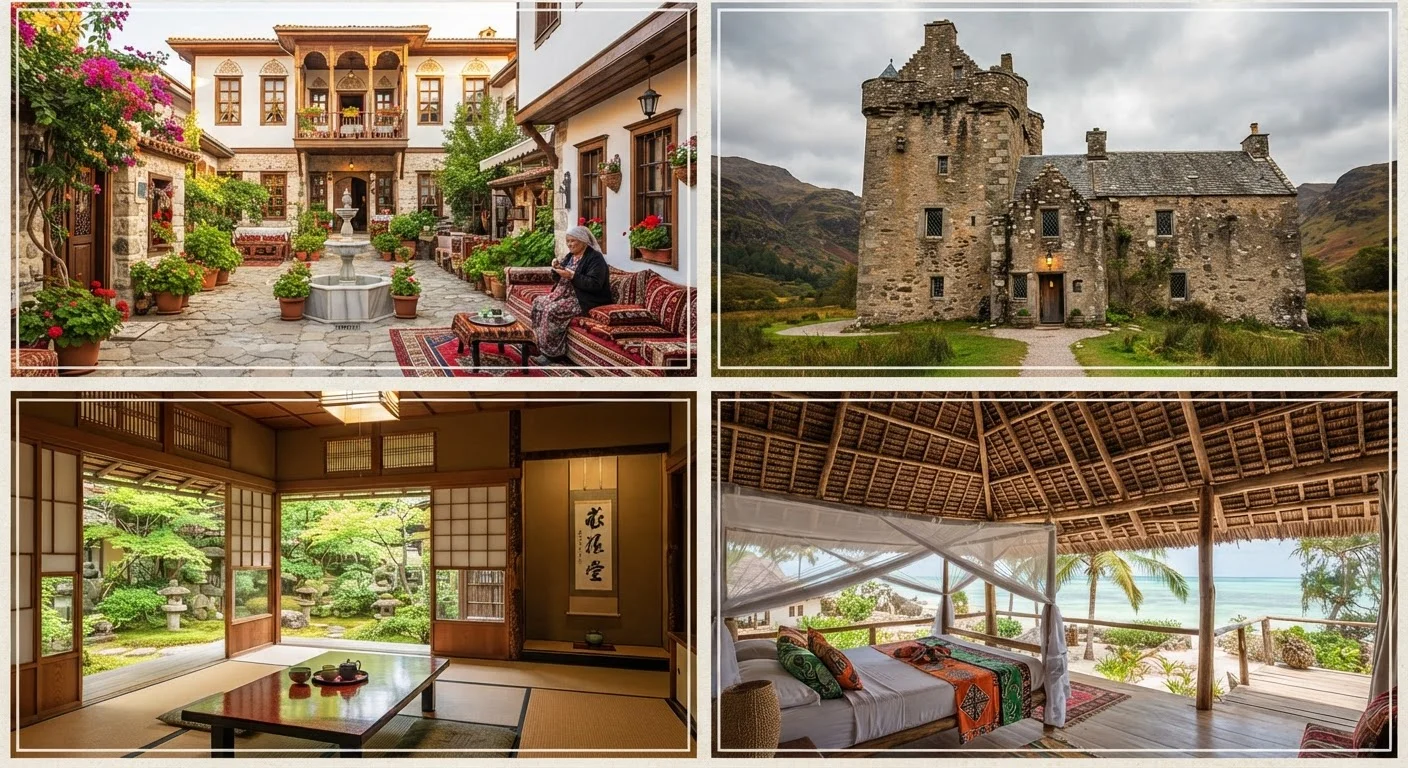
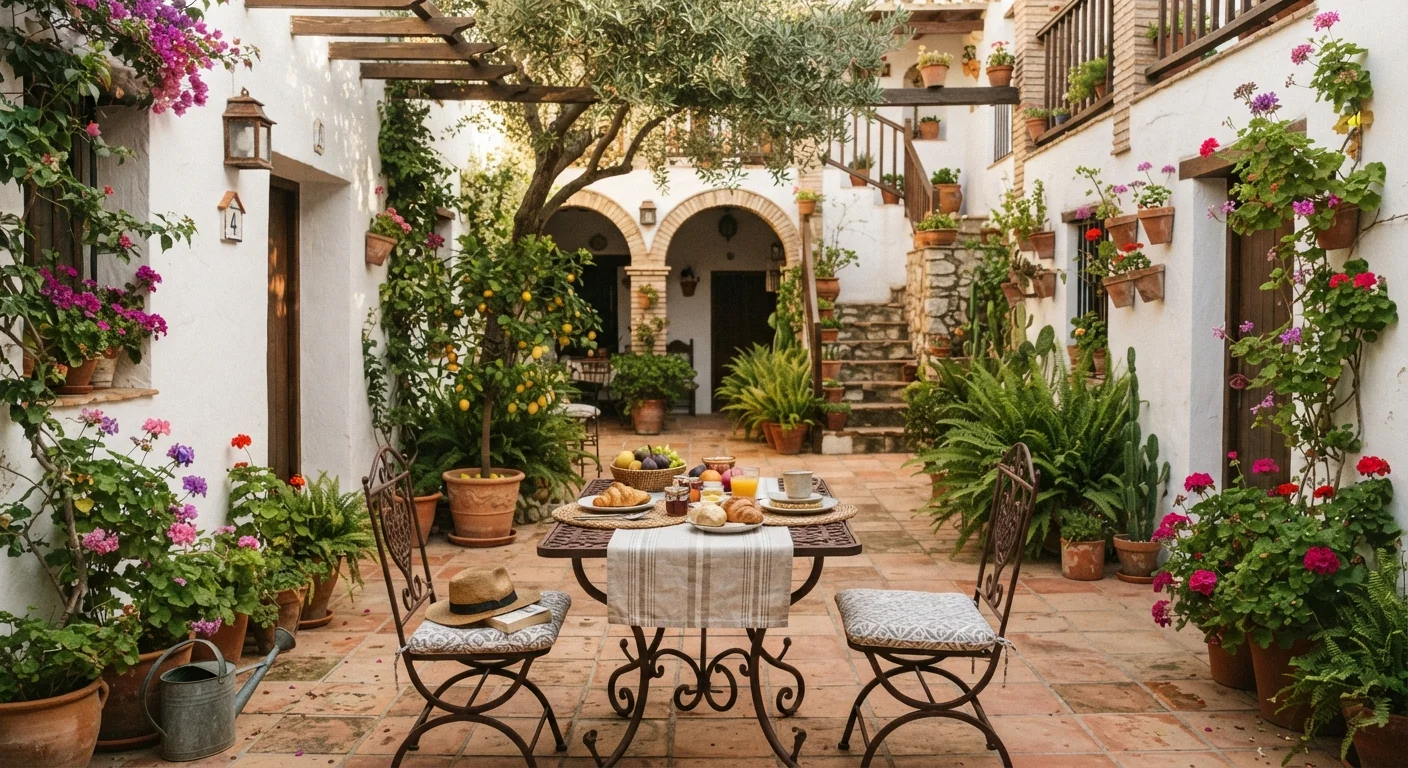
The word "boutique" has been stretched thin by marketing teams, but its core meaning still holds: a property that is deliberately small in scale, strongly individual in character, and shaped by a coherent design or hospitality vision rather than a corporate template. Boutique and unique stays span a wide spectrum - from a converted Ottoman mansion in Istanbul to a shepherd's hut on the Scottish coast - and what unites them is intentionality.
Size alone doesn't define a boutique property. A 60-room hotel can feel entirely generic if it was built to a formula; a 12-room inn can feel equally generic if it was designed to imitate another hotel's aesthetic. The meaningful distinction is whether the property has a genuine relationship with its place - its architecture, its food sourcing, its staff, its neighbourhood. See our guide to distinctive stay formats around the world for a regional breakdown of accommodation traditions worth knowing about.
74%
Travelers valuing local authenticity in stays
According to Booking.com's Sustainable Travel Report, a strong majority of global travelers say they want accommodation that reflects local culture.
~30%
More local economic return from independent hotels
Research from the New Economics Foundation has estimated independent hotels retain roughly 30% more spending within local economies compared to chain properties.
Independent travelers who prioritize these stays tend to gain something no amenity list can capture: a sense of being somewhere specific, rather than anywhere generic.
How to Find and Vet Distinctive Properties
Discovery is often the hardest part. Most boutique properties lack the marketing budgets to surface prominently on aggregator platforms, which means relying on aggregators alone will systematically underexpose the most interesting options.
More reliable discovery channels include curated collections maintained by boutique hotel associations, design-focused travel media, local tourism boards for specific regions, and word-of-mouth networks among frequent travelers. Social media can help too, but search with geographic specificity rather than generic hashtags - look for images tagged to a neighbourhood or village, not just a country.
When researching a boutique property, search its name alongside the owner's name or the chef's name - not just the property. Coverage in local press or specialist travel writing reveals far more than aggregator profiles.
Properties with genuine local standing and a real identity beyond their website tend to appear organically in third-party coverage. This signals credibility that guest review volume cannot replicate.
Request a specific room type or building wing when booking, especially at converted historic properties - room quality can vary dramatically within the same property and the same price tier.
Boutique conversions often blend original historic rooms with newer additions of uneven quality. Staff familiar with the property will always recommend which rooms to request, and asking signals that you know what you're looking for.
Once you have a shortlist, vetting matters more than discovery. Look for: a named owner or manager visible in guest communications; evidence that staff knowledge is local and substantive (menus from nearby producers, recommendations for non-obvious places); photography that shows actual room dimensions rather than architectural wide-angle illusions; and a clear cancellation policy that reflects confidence in the product.
Websites themselves are telling. A property with outdated photos, no mention of who runs it, and boilerplate copy about "luxury experiences" is showing you something real about its hospitality priorities.
Reading Reviews for Unconventional Accommodations
Standard rating platforms were built around chain hotel expectations: consistent amenities, predictable service, uniform room standards. Boutique stays operate on different terms, which means the same review ecosystem can produce deeply misleading signals.
A historic property with original stone floors and no elevator will attract complaints from guests who didn't read the listing carefully - and those complaints will drag aggregate scores in ways that tell you nothing useful about the property's quality. Conversely, a mediocre property with a photogenic courtyard may accumulate high scores from guests who over-weighted aesthetics and under-weighted comfort.
Aggregate Scores Aren't Calibrated for Boutique Stays
A 4.2 rating at a boutique property and a 4.2 rating at a business hotel represent very different things. Chain hotels are reviewed against consistent, well-understood expectations; boutique stays attract a more varied guest base with more varied expectations. Always read the actual text of reviews rather than relying on the numerical score alone, and weight reviews from guests whose travel style matches yours.
Our separate guide on how traveler reviews can mislead you about boutique properties goes deeper on this dynamic. The practical habit to develop: filter reviews by travelers whose profile suggests similar priorities to yours, and pay closest attention to mid-range scores (3-4 stars) where guests tend to be most specific and balanced.
Booking Directly and What to Ask Before You Commit
For boutique properties, direct booking has practical advantages beyond any potential rate difference. It gives you direct communication with the people responsible for your stay, allows you to clarify ambiguities in the listing, and creates a relationship that often translates into better service on arrival.
Before confirming, consider asking: What are the check-in hours, and is someone available for late arrivals? What does breakfast actually consist of - is it included or optional? Are there noise considerations (weddings, street markets, construction) during your dates? What is the property's approach to accessibility needs, if relevant?
Pre-Arrival Communication Predicts Stay Quality
Send a brief, specific question to the property before booking - ask about a room characteristic, a local food recommendation, or arrival logistics. A thoughtful, prompt reply is one of the strongest predictors of a well-run independent stay. Properties that genuinely care about the guest experience almost always show it before check-in.
The quality of the response to your pre-booking questions is itself a strong predictor of the stay. A prompt, specific, personable reply indicates engaged management. A form-letter response or days-long delay tells you something equally useful. For broader trip planning context, see the complete framework for planning any trip, which covers how accommodation choices fit into overall itinerary structure.
Integrating Unique Stays Into a Broader Itinerary
The most rewarding boutique stays are chosen in dialogue with a destination rather than imposed on it. A converted farmhouse that makes sense in a rural wine region may be an awkward choice for a city visit where proximity to transit and neighbourhoods matters more than atmosphere.
Think about what a stay should contribute to your overall trip experience. If cultural immersion is your goal, a property with local ownership, staff from the area, and food sourced nearby will deepen that experience in ways a design hotel with an international concept cannot. If you're moving frequently, logistical simplicity may outweigh character.
Distinctive accommodations also work well as anchor points in itineraries that include more mobile travel. Overland travelers, for instance, often structure routes around one or two exceptional stays - the rest of the journey remains flexible. Readers planning African overland routes will find relevant accommodation context in our complete guide to overland travel in remote Africa.
Responsible Choices and Ethical Considerations
Choosing independent and boutique accommodation has measurable effects on local economies. Properties with local ownership, local staff, and locally sourced supplies return a higher proportion of guest spending to the community than internationally managed chains. This is a genuine reason - not a marketing one - to prioritize independent stays when the quality is comparable.
That said, the boutique label doesn't automatically confer ethical credentials. Some small properties operate in ways that are extractive of local resources, indifferent to staff welfare, or misaligned with community needs. Asking the same diagnostic questions about ownership, sourcing, and staffing that help you assess quality also helps you assess impact.
Small Doesn't Always Mean Sustainable
Independent boutique properties vary widely in their environmental and community practices. Some are exemplary; others simply small. If sustainability is a priority, look for properties that make specific, verifiable claims - named local suppliers, published environmental policies, or recognized certification from bodies relevant to their region. Vague language about being "eco-friendly" warrants skepticism.
This is particularly relevant in undervisited destinations where tourism infrastructure is still forming and the choices early visitors make set precedents for how hospitality develops. Staying somewhere genuinely community-rooted - even if it lacks the polish of an established boutique brand - can be both a better travel experience and a more constructive one.