
Why Itinerary Choices Go Wrong
A cruise itinerary is a promise, but it's also a framework shaped by weather, port schedules, ship logistics, and operational realities that no brochure fully communicates. The gap between expectation and experience tends to open widest when travelers make planning decisions based on surface-level appeal rather than a clear-eyed read of what a given route actually delivers.
The mistakes below aren't obscure edge cases. They're patterns that show up consistently in traveler feedback, and most of them stem from a handful of predictable assumptions that don't hold up at sea.
Choosing an itinerary based almost entirely on one marquee destination.
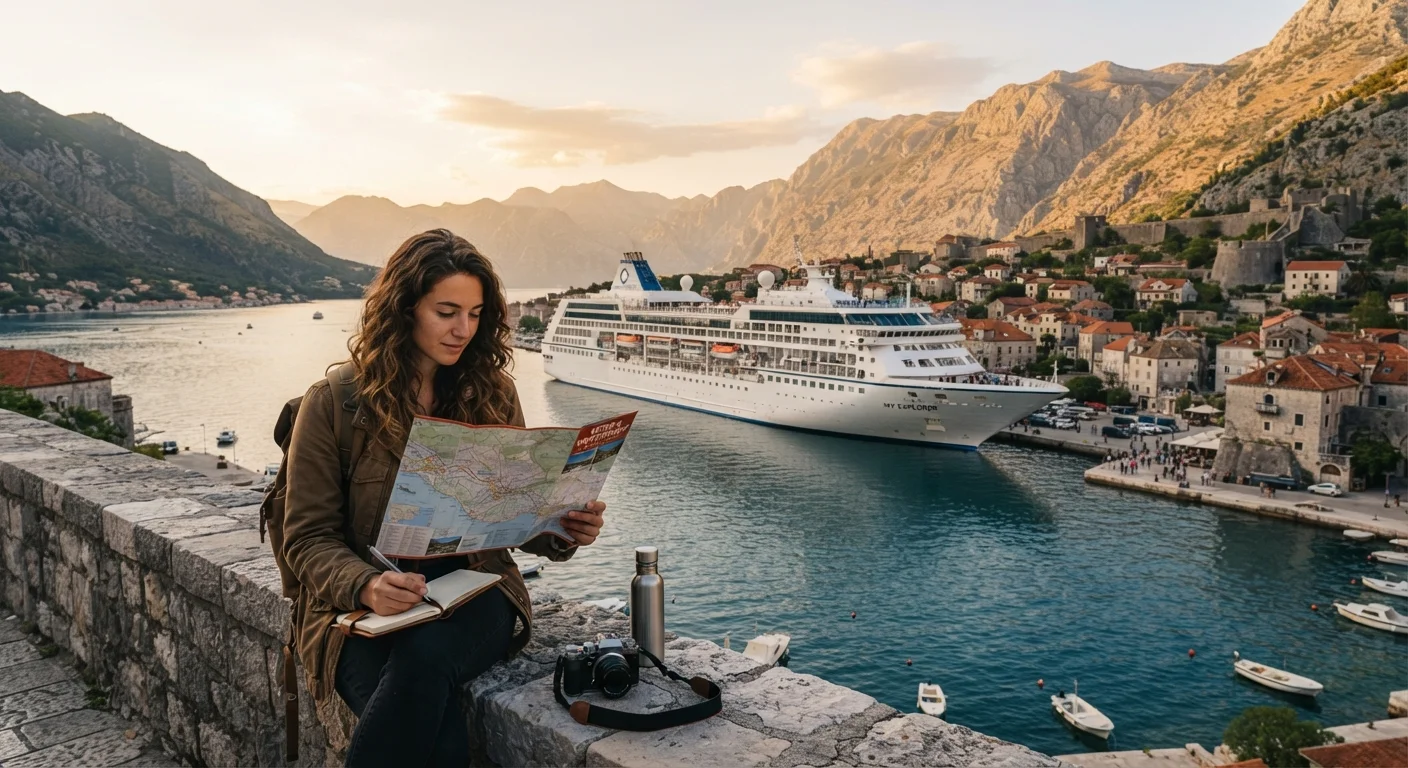
Why it happens: Travelers often see a dream port - say, Kotor in Montenegro or Halong Bay in Vietnam - and book the voyage around it, treating the rest of the itinerary as background noise.
Packing too many ports into a short sailing without accounting for transit time or recovery.
Why it happens: More stops can feel like more value, a myth that leads many travelers astray. A seven-night sailing with six port calls sounds extraordinary until every day becomes a sprint.
Ignoring seasonal conditions that fundamentally alter the experience of a specific region.
Why it happens: Travelers often research ports without researching when those ports are most - or least - pleasant to visit. A Mediterranean itinerary in peak August and the same route in October are genuinely different propositions.
Treating tender ports the same as docked ports when planning shore time.
Why it happens: An itinerary listing shows eight hours in port - but tender operations, queuing, and return trips can easily consume two to three of those hours before a single site is visited.
Booking a cruise style that doesn't match personal travel preferences - then blaming the itinerary.
Why it happens: Ocean mega-ship itineraries and expedition cruises serve fundamentally different travel styles. Travelers new to a particular format often don't fully understand what the onboard experience will feel like day-to-day.
Thinking More Carefully Before You Book
The itinerary decisions that cause the most regret are almost always fixable at the planning stage. How experienced travelers build their itineraries offers a useful counterpoint: anchoring around a handful of meaningful experiences rather than chasing the longest port list tends to produce significantly more satisfying voyages.
Don't Rely Solely on Published Port Hours
Itinerary listings often show generous port windows that include the time a ship is maneuvering into berth and clearing customs. The window in which passengers can actually go ashore may be two to three hours shorter. Before building ambitious shore excursion plans, consult the fine print behind port time listings to understand what usable time you're actually working with.
For travelers considering less conventional routes - including long-haul repositioning voyages with extended sea days - repositioning cruises are worth exploring as a format that rewards a different kind of patience and curiosity. The fundamental principle is the same: match the itinerary structure to how you actually want to spend your time, not just where you want to go.
Cruise Lines Reserve the Right to Alter Itineraries
Every major cruise line's booking contract includes clauses permitting port substitutions or route changes due to weather, geopolitical conditions, mechanical issues, or operational needs. If your entire rationale for choosing a voyage rests on one specific port, that is a significant planning risk. Always review the itinerary-change provisions before booking, and consider what the trip offers beyond that single destination.
Route selection that holds up in practice takes honesty about your own travel style, realistic expectations about shore time, and a willingness to treat flexibility - not rigidity - as a planning asset.
3-4 hrs
Typical usable shore time at a tender port
Industry observers and experienced cruisers consistently note that tender ports - where passengers are ferried ashore by small boat - can reduce effective time on land to three or four hours even when the ship is anchored for eight.
~30%
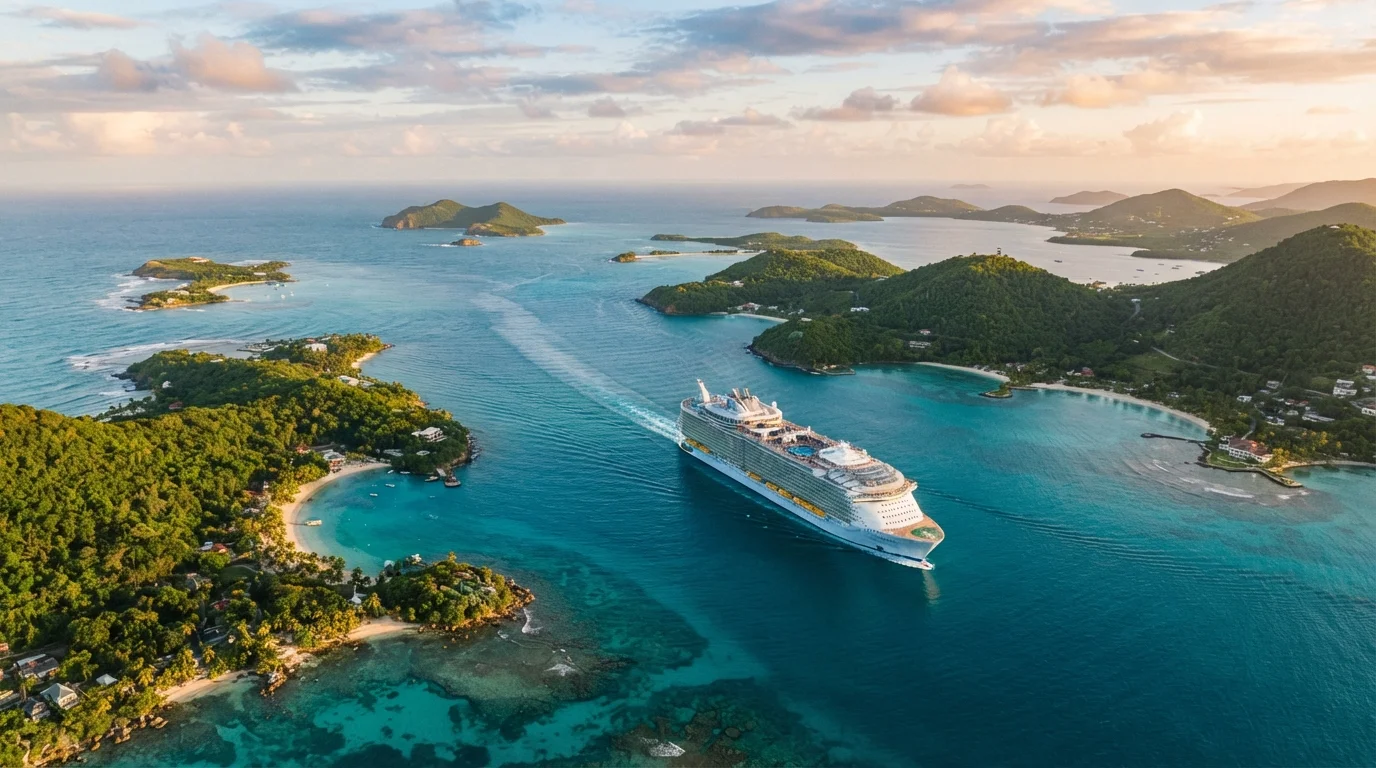
Caribbean sailings affected by at least one port change
Cruiser forums and traveler surveys suggest roughly a third of Caribbean voyages experience at least one itinerary adjustment per season, most commonly due to weather or port congestion.