
Why Sea Days Deserve a Plan
Sea days have a reputation for being the filler between ports — the stretches on an itinerary that savvy travelers simply tolerate. That reputation is largely unearned. For cruisers who approach them deliberately, sea days consistently rank among the most memorable parts of a voyage. For everyone else, they tend to feel long, repetitive, and occasionally frustrating when amenities are crowded and nothing feels organized.
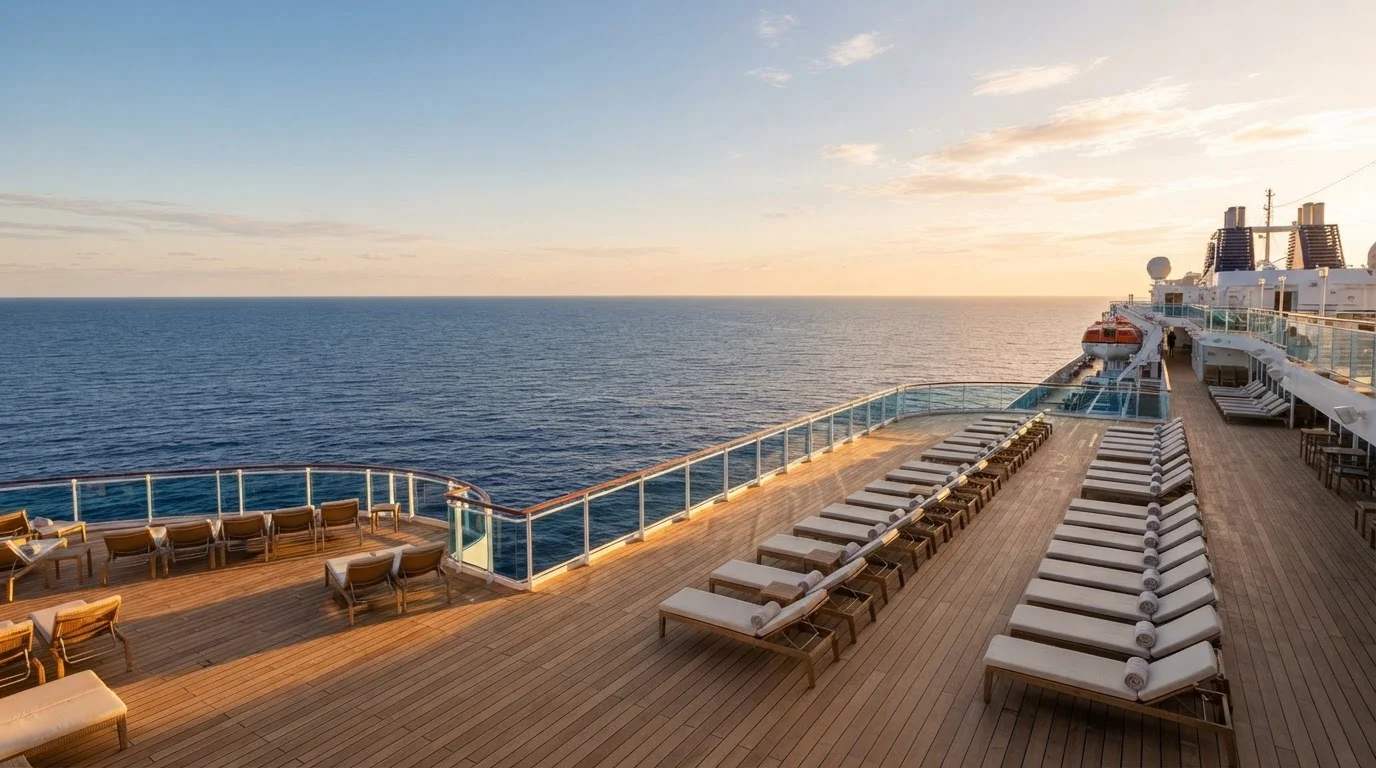
The difference almost always comes down to intention. A transatlantic crossing or a Caribbean itinerary with two consecutive sea days is not a liability — it's a compressed resort experience where the buffet, pool deck, lecture hall, and spa are all within a few minutes' walk. The ship itself becomes the destination.
If you're evaluating itineraries and feel uncertain about sea days, common itinerary pitfalls offers useful context on how to read a schedule before you book.
Timing Is Everything on a Sea Day
The single most consistent piece of advice from experienced cruisers: move early. Pool decks, hot tubs, and the fitness center see their heaviest traffic between 10 a.m. and 2 p.m. on sea days. Arriving at the pool by 8 a.m. — or heading to the gym before breakfast — means access to facilities at their quietest and most enjoyable.
Specialty restaurants and spa treatment slots also fill quickly on sea days, often more so than on port days when passengers are ashore. If your itinerary has sea days clustered mid-voyage, consider booking those reservations during embarkation. Making the most of embarkation day covers exactly that window — the hours when the ship is yours before most passengers have settled in.
Structuring the Day Without Over-Scheduling It
The temptation on a sea day is to either do nothing or attempt to do everything. Neither approach tends to land well. The most satisfying sea days usually follow a loose arc: an active morning, a midday anchor point (a meal, a class, a poolside stretch), and a more open afternoon.
Most modern cruise ships run a full slate of programming on sea days — enrichment lectures, cooking demonstrations, fitness classes, craft workshops, and trivia tournaments. Many of these are free and scheduled in advance in the daily program. Scanning that program the night before, rather than the morning of, gives you a clearer sense of what's worth building around.
Sea Day Programming Varies by Ship and Line
The quality and variety of sea day activities can differ substantially between cruise lines and even between ships within the same fleet. Larger ships typically offer more parallel programming options, while smaller expedition vessels may emphasize naturalist talks and destination briefings. When evaluating an itinerary heavy in sea days, it's worth researching what a specific ship offers onboard — not just what the line markets broadly. Ship and line guidance can help you match the right vessel to your sea-day expectations.
If you're traveling during shoulder season, sea days may coincide with smoother weather conditions and thinner crowds — a genuine advantage worth considering when selecting an itinerary. Shoulder season cruise planning explores those trade-offs in depth.
What Experienced Cruisers Actually Do
Ask a well-traveled cruiser what they do on sea days and you'll rarely hear "nothing." You're more likely to hear about the 7 a.m. walk around the promenade deck before breakfast, the enrichment lecture they've been anticipating since booking, or the afternoon they spent in the library finally reading a book that's been on the nightstand for months. Sea days are when cruising slows down enough to actually feel restorative.
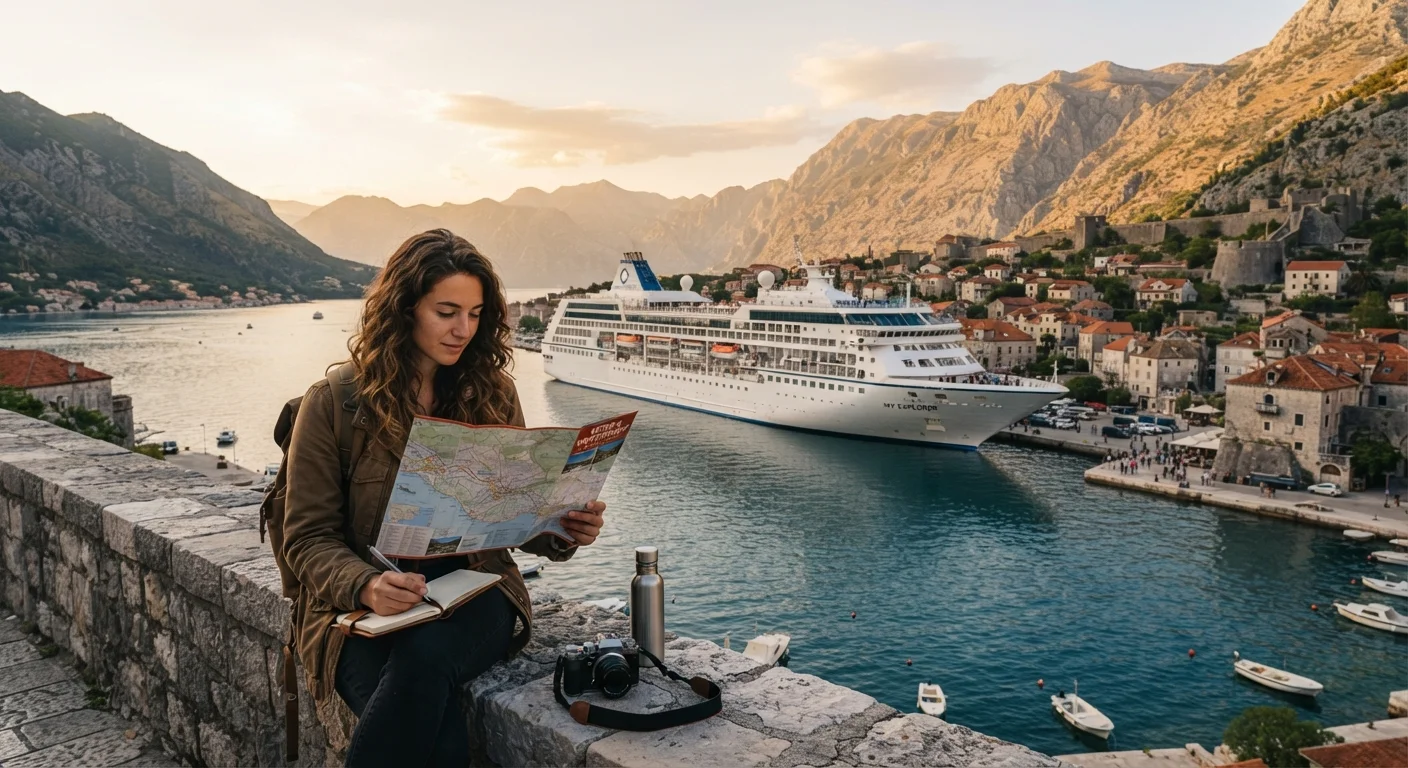
There's also a practical side: sea days are ideal for reviewing port logistics for upcoming stops, confirming any independently arranged excursions, and studying departure times. That last point matters more than many passengers realize — missing a ship departure is a real risk when relaxed sea-day rhythms blur your sense of schedule.
For broader guidance on balancing structure with flexibility throughout any trip, fixed vs. open itinerary planning offers a useful framework that applies directly to how you approach sea-day programming.