
The Legal Framework: Why Lines Can Change Routes Freely
Every cruise ticket is also a binding contract — and buried in that contract is language that grants the cruise line sweeping authority to alter the voyage. These clauses, often called substitution or modification provisions, allow lines to skip ports, swap destinations, change departure times, or reroute the ship entirely, generally without triggering a refund obligation.
This isn't fine print designed to deceive; it reflects genuine operational realities. A ship is a moving asset operating across international waters, dozens of jurisdictions, and unpredictable environmental conditions. Locking a line into an inflexible route would be commercially and practically unworkable. What it means for travelers, however, is that the itinerary printed in the brochure is more accurately described as a planned schedule than a guaranteed one.
Experienced cruisers understand this distinction before they book. As discussed in our guide on what experienced cruisers check before booking, reviewing contract terms is a standard pre-booking step — not an afterthought.
Force Majeure vs. Discretionary Changes
Not all itinerary changes stem from the same clause. 'Force majeure' provisions cover genuinely unforeseeable events — natural disasters, war, epidemic outbreaks — while general substitution clauses permit changes for operational or commercial reasons. The distinction matters because force majeure language often limits the line's liability further and may affect what insurance claims are valid. If a change seems commercially motivated rather than safety-driven, it's worth reviewing which contract clause the line is invoking.
The Real Causes Behind Itinerary Changes
Understanding why routes change helps travelers assess risk when choosing an itinerary. The causes fall into a few reliable categories:
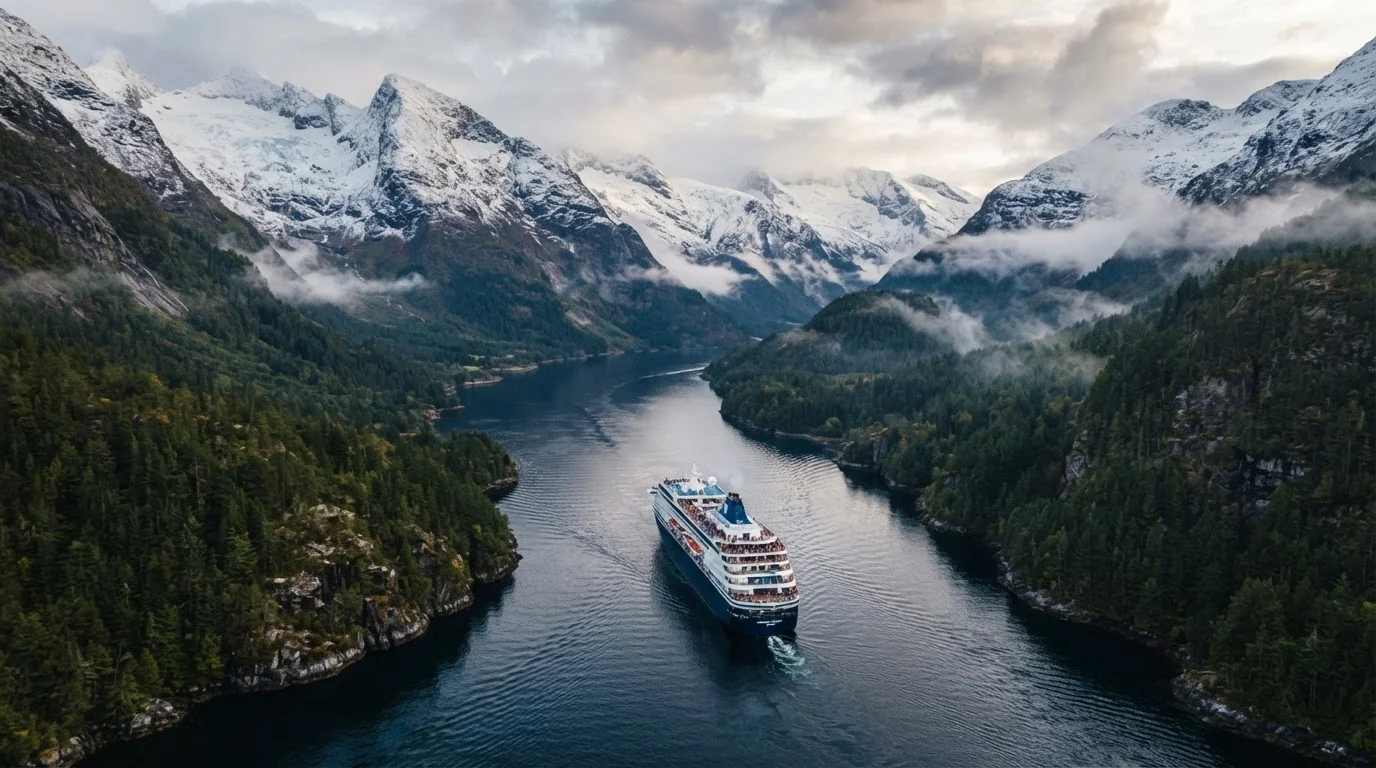
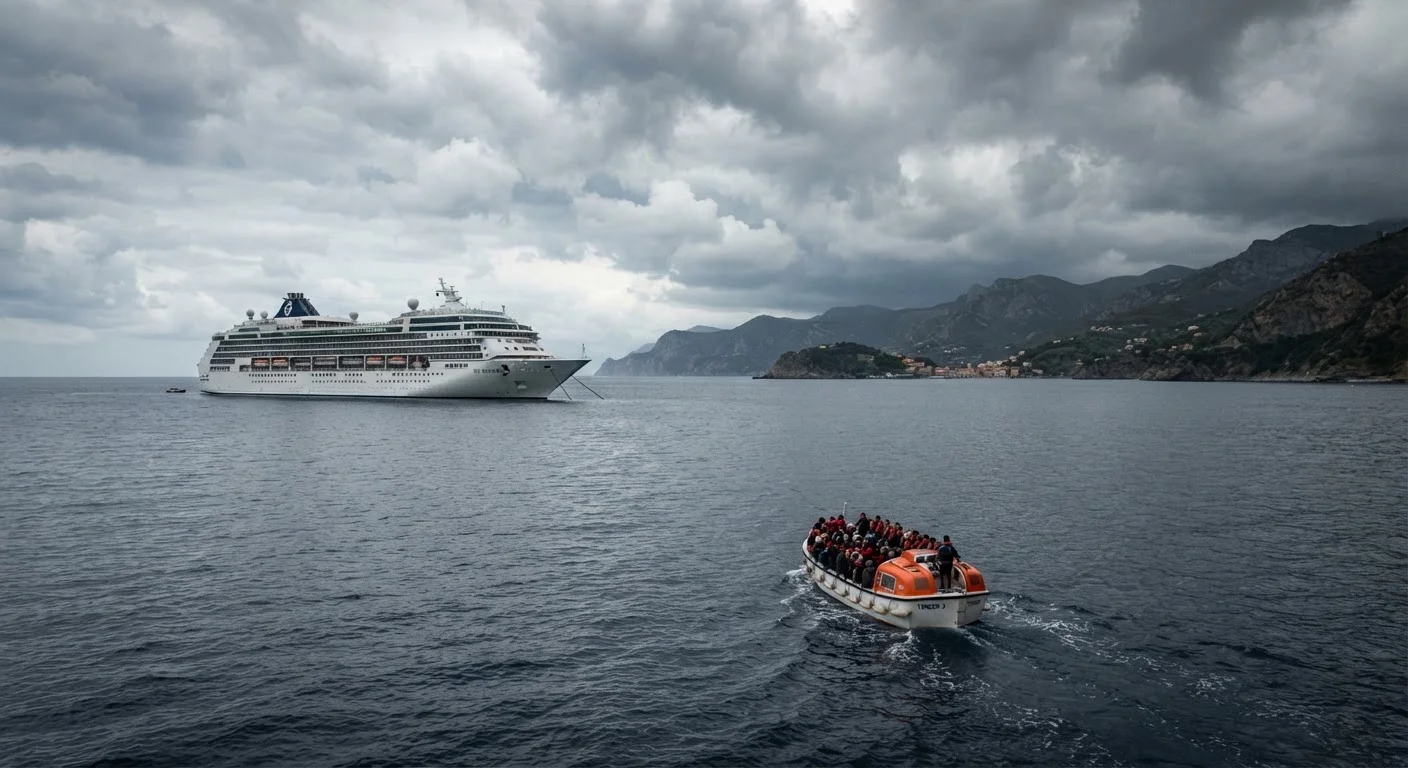
- Weather and sea conditions: High winds, heavy swells, fog, and tropical storms can make port entry unsafe or tender operations impossible. This is the single most common cause of last-minute changes, particularly in the Caribbean, Alaska, and Northern Europe.
- Mechanical or operational issues: Engine problems, dry-dock scheduling conflicts, or emergency repairs may force a ship to divert to a different port or skip one altogether to maintain schedule integrity.
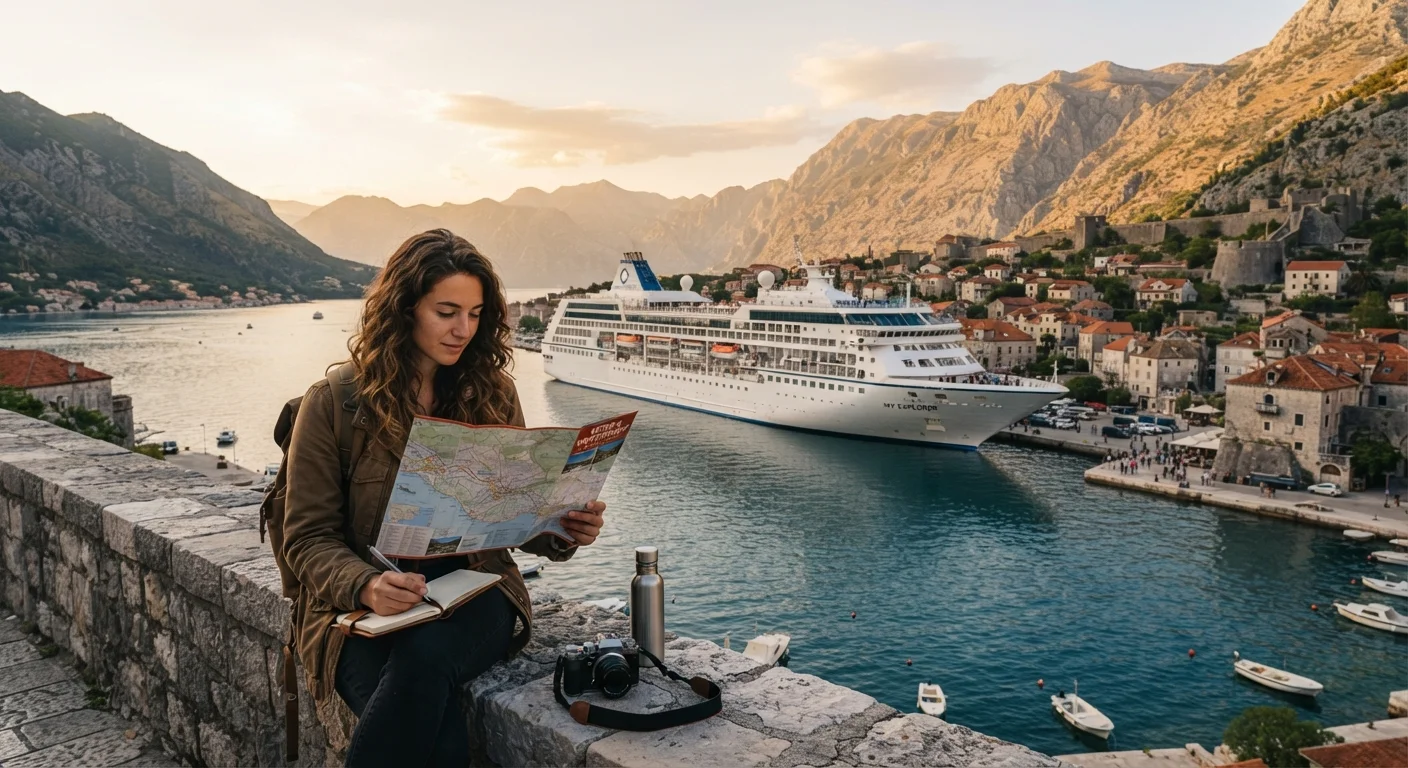
- Port congestion and berthing conflicts: Cruise-heavy ports — particularly in the Mediterranean and Caribbean — sometimes can't accommodate every scheduled vessel. A ship that loses its berth may anchor offshore with tender service or bypass the destination.
- Geopolitical and public health conditions: Civil unrest, entry restriction changes, or health-related port closures can require rapid rerouting. These situations tend to develop with little warning.
- Commercial decisions: Less commonly acknowledged but real — a line may adjust a route for fuel efficiency, repositioning needs, or charter obligations.
Routes with tender-only ports or those in weather-volatile regions carry inherently higher change risk. If a specific port is the primary reason you're booking a sailing, that context matters — see how certain itinerary choices routinely disappoint travelers for more on managing port-specific expectations.
~30%
Caribbean itineraries altered per hurricane season
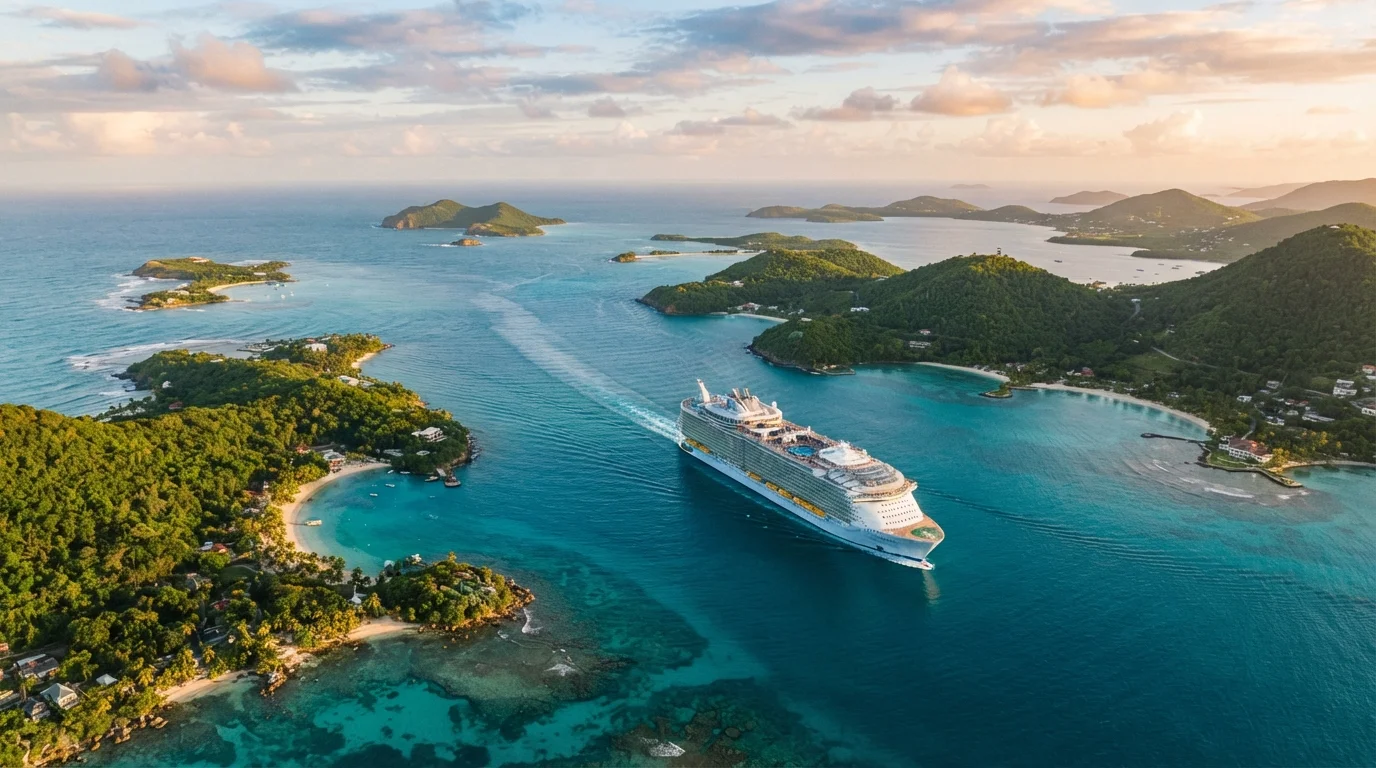
Industry estimates suggest roughly a quarter to a third of Caribbean sailings during peak hurricane season (August–October) experience at least one port change or substitution.
Tender ports
Highest-risk port type for cancellation
Ports requiring tender boat access rather than direct berthing are significantly more vulnerable to last-minute cancellations due to sea state and wind thresholds for safe small-boat operations.
Port fees
Most reliably refunded cost after a missed port
Government-levied port taxes and fees are generally refunded to passengers when a port is skipped, as the cruise line itself is not charged for a port it does not enter.
What Compensation Looks Like — and When to Expect It
When a port is skipped, many travelers assume a refund or credit is forthcoming. In practice, compensation is discretionary. Cruise lines are not legally required to issue refunds for individual missed ports under standard contracts, though most major lines do offer some form of onboard credit as a goodwill measure — particularly when weather is the cause.
Compensation, when it appears, typically takes the form of a modest onboard credit, a partial refund of port fees and taxes, or a future cruise credit. Full refunds for a skipped port are rare unless the itinerary change is so substantial it constitutes a fundamentally different voyage.
The most dependable financial safety net is travel insurance with specific missed port or itinerary interruption coverage. Standard travel insurance policies frequently exclude port substitutions unless the policy explicitly covers them. Our detailed breakdown of cruise travel insurance coverage and gaps is worth reading before purchasing any policy.
Check Your Policy for 'Missed Port' Language
When comparing travel insurance options, search specifically for 'missed port,' 'itinerary change,' or 'cruise interruption' coverage — not just general trip cancellation. Many standard policies exclude port substitutions made for weather or operational reasons unless this language is explicitly included. Review the full policy document, not just the summary brochure, before purchasing.
How Travelers Can Protect Themselves Practically
No traveler can prevent an itinerary change, but several habits reduce its impact significantly:
- Read the ticket contract before booking. The substitution clause and force majeure language define exactly what the line can and cannot do — and what recourse, if any, you have.
- Treat brochure itineraries as indicative, not guaranteed. Build your trip around the overall experience of the sailing, not a single port. If one destination is non-negotiable, consider whether a land-based trip might better serve that goal.
- Book excursions strategically. Cruise-line excursions are typically refunded when a port is dropped. Independent bookings offer more flexibility and often better value, but carry greater financial risk if the port disappears. Know the refund policy of every operator before committing. Our guide to reading cruise itinerary port time listings also helps set realistic on-shore time expectations.
- Stay informed during the voyage. The ship's daily schedule — distributed each evening — often contains the first indication of a coming change. Understanding how to use it is covered in our piece on the cruise daily schedule.
- Choose itineraries appropriate to your risk tolerance. A port-intensive Mediterranean itinerary in shoulder season carries different risk than a remote Alaska sailing in July. Matching itinerary structure to your expectations is part of good itinerary building practice.