

Why Group Bookings Demand a Different Playbook
Booking travel for a group of six or more isn't just a larger version of booking for yourself — it's a structurally different task. Pricing tiers change, seating inventory works differently, and the coordination overhead scales faster than the headcount. What works for a solo traveler or a couple can collapse when applied to a family reunion or a corporate offsite.
Airlines typically define a group as ten or more passengers traveling on the same itinerary. At that threshold, most carriers offer group contract desks that can hold seats without immediate payment — a significant advantage when you're waiting on stragglers to confirm. Hotels often extend similar courtesy holds for room blocks, sometimes as few as eight rooms. Understanding where these thresholds sit lets you approach suppliers with the right conversation from day one.
For context on how much the planning calculus shifts depending on party size, see the comparison of solo and group road trip planning and how itinerary structure changes for groups.
What you will need
Step-by-Step: How to Execute a Group Booking
Follow these steps in order. Skipping stages — particularly passenger data collection and deposit confirmation — creates bottlenecks that push back your booking window and can cost you inventory.
Appoint a Single Logistics Owner
Designate one person to manage all reservations, communications with suppliers, and deadline tracking. Group bookings with multiple people contacting airlines or hotels simultaneously create conflicting requests and confusion. The logistics owner doesn't have to make every decision, but they must be the sole point of contact with every vendor.
Collect Passenger Information Before You Start Booking
Gather full legal names (as they appear on government ID), date of birth, passport or ID numbers, and any known dietary or accessibility requirements from every traveler before approaching a single supplier. Airlines and tour operators need this data to issue group contracts and tickets. Chasing it after you've already engaged a vendor slows everything down.
Contact Group Desks Directly — Not the Standard Booking Flow
For airlines at or above the group threshold (typically ten passengers), bypass the consumer booking site and contact the carrier's group desk by phone or their dedicated group request form. For hotels, speak directly with the sales or events coordinator. These channels can offer seat or room holds, modified payment timelines, and occasionally better rates than publicly listed prices — none of which are accessible through standard booking engines.
Secure a Deposit and Confirm the Cancellation Policy in Writing
Before paying any deposit, obtain the full contract terms in writing: total cost, deposit amount, final payment deadline, cancellation schedule, and the policy on passenger substitutions or reductions in group size. Group contracts often have tiered cancellation penalties that escalate as the departure date approaches. Understand exactly what you're committing to before any money changes hands.
Coordinate Flights for Different Booking Sizes
If your group falls below the airline's group threshold, you may need to book individual tickets. In that case, book all seats in a single session under one transaction where possible, and use the seat-selection tool immediately after purchase to keep the group physically together. Be aware that splitting across separate bookings shifts misconnection risk entirely onto travelers — a relevant trade-off covered in detail in the separate vs. single-ticket booking guide.
Build Coordination Buffer Into the Itinerary
Groups move at the pace of their slowest member. Add 15–20 minutes to any connection or transfer time you'd tolerate as an individual traveler. At airports, plan for longer security queues when traveling with a large party. For tours and activities, inform operators upfront of your group size so they can allocate appropriate guide time. A tight itinerary that works for two will fracture for twelve.
Group Contracts Offer More Flexibility Than You'd Expect
Many group airline contracts allow passenger name changes up to a defined cutoff — often 30 to 60 days before departure. This means if one traveler drops out, you may be able to substitute another rather than forfeiting the seat. Always ask about name-change terms before signing. Hotel room blocks frequently permit releasing a portion of rooms without penalty if done far enough in advance — confirm the release date in writing.
Managing the Budget and Keeping Everyone Aligned
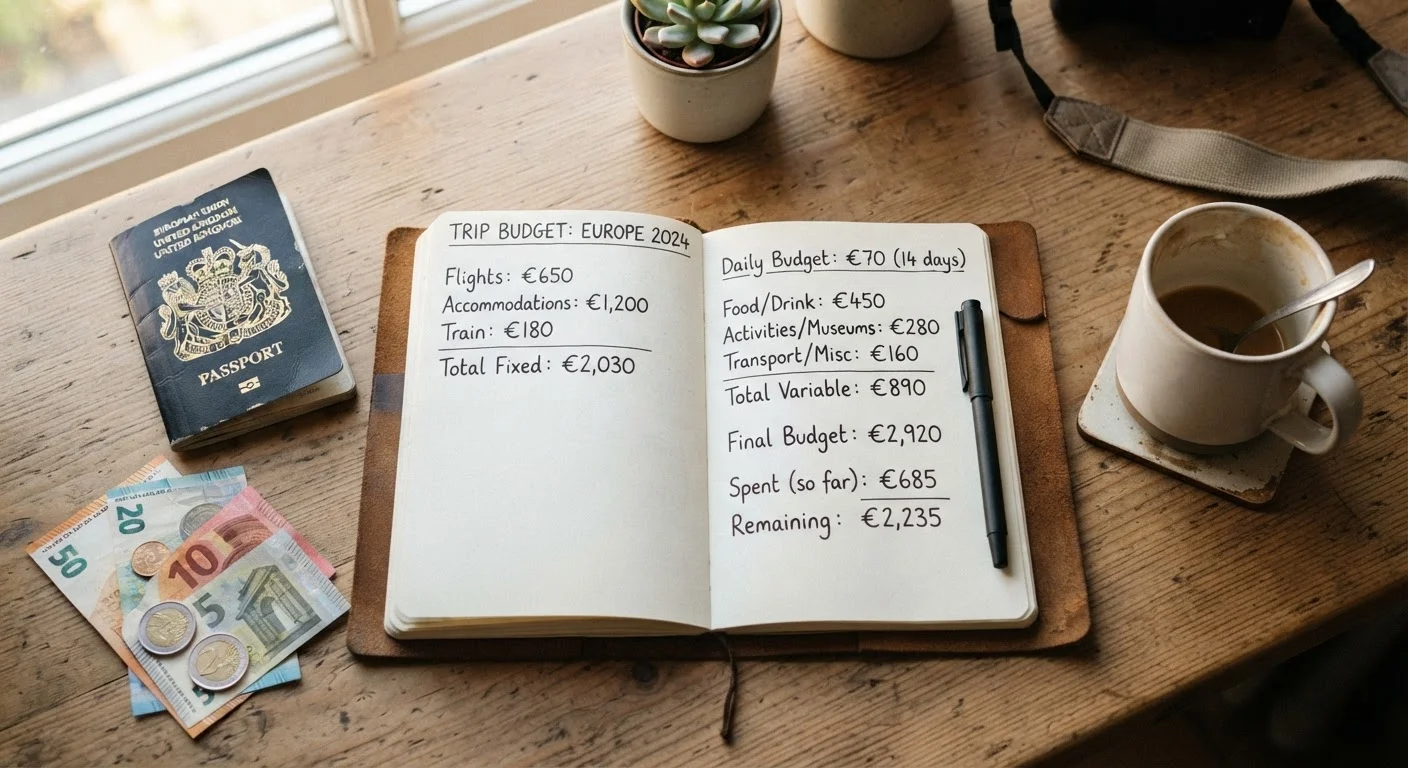
Group travel budgeting requires a shared, transparent ledger from day one. Use a collaborative spreadsheet or a cost-splitting app so every participant can see the running total of shared expenses, individual balances, and outstanding payments. This reduces disputes and eliminates the coordinator acting as informal debt collector.
Group contracts often require non-refundable deposits at signing and final payment several weeks before departure. Map these payment milestones against a calendar at the outset, then communicate them to the group as fixed deadlines — not suggestions. If participants miss a payment window, the contract terms (and your deposit) may be at risk.
Late Payments Can Void Your Group Contract
Most group contracts include automatic cancellation clauses if final payment isn't received by the stated deadline. If even one participant delays, the coordinator may need to cover the shortfall personally to protect the reservation. Collect deposits from every traveler before you pay any supplier deposit yourself. Consider requiring participants to pay slightly ahead of actual vendor deadlines to give yourself a buffer.
For broader booking sequencing across complex itineraries, the complete framework for multi-destination trip planning is a useful companion resource. If your group itinerary spans multiple cities, planning a multi-city trip without losing the thread covers route sequencing in detail. And for tours and activity bookings, note that popular group experiences fill well ahead of schedule — tour booking timelines by type gives realistic lead times.