

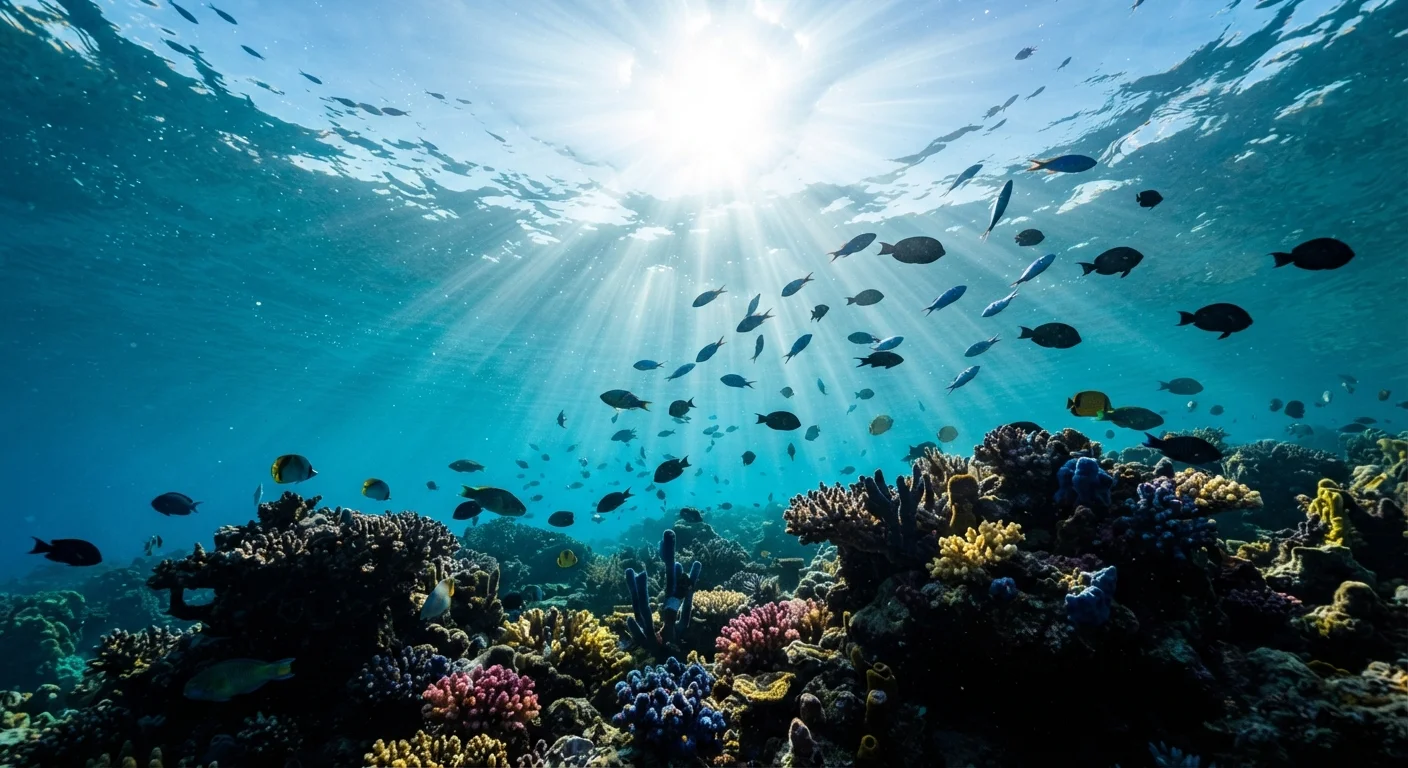
Beyond the Postcard Reefs
The Maldives and Australia's Great Barrier Reef have earned their reputations, but popularity carries a price: regulated dive schedules, crowded entry points, and ecosystems under sustained pressure. For divers who hold a current certification and have logged meaningful open-water hours, a different category of destination exists - remote, ecologically rich, and largely uncrowded.
These sites reward the traveler willing to accept longer transfer legs, variable infrastructure, and occasionally demanding conditions. What they offer in return is underwater immersion that feels genuinely exploratory. The following destinations represent some of the most compelling options available to qualified divers seeking something beyond the established circuit.
A Note on Dive Certification and Entry Requirements
All destinations in this article assume a minimum of an open-water certification, with several requiring advanced or specialty qualifications such as drysuit or drift diving credentials. Marine park entry fees, permits, and health documentation requirements vary by country and can change. Verify all current entry conditions with official government sources and your chosen dive operator well ahead of departure. Travel and dive-specific insurance coverage is strongly advisable for remote locations.
Dive Sites Worth the Journey
Banda Sea, Indonesia
The Banda Sea sits in the heart of the Coral Triangle - the global epicenter of marine biodiversity - yet remains almost entirely outside mainstream dive tourism. Located in the Maluku province of eastern Indonesia, the region demands effort to reach: typically a combination of flights to Ambon followed by liveaboard access. That barrier keeps visitor numbers minimal and the ecosystem largely intact.
Underwater, the Banda Sea delivers dramatic walls dropping into thousand-meter depths, dense schools of pelagic fish, and encounters with hammerhead sharks and mantas that are genuinely common rather than aspirational. The remote island provinces of Indonesia beyond Bali and Lombok editorial covers the broader cultural and ecological context worth understanding before you go. Intermediate-to-advanced certification is strongly recommended given open-ocean conditions and depth.
The Banda Sea sits at the heart of the Coral Triangle, yet remains almost entirely outside mainstream dive tourism.
Azores, Portugal
This mid-Atlantic Portuguese archipelago sits on the intersection of three tectonic plates, producing seamounts and hydrothermal activity that attract remarkable marine life. Blue sharks, mobula rays, sperm whales, and large schools of amberjack are regularly encountered in the open blue water around the islands - a style of diving that differs fundamentally from reef environments.
The Azores are well within reach for US East Coast travelers and sit squarely in Europe's overlooked destinations worth knowing about. Water temperatures can be cool by tropical standards, so appropriate exposure protection and experience with Atlantic conditions matter. Dive seasons vary by island and target species - research the timing for what you specifically want to see.
The Azores' tectonic geography produces seamount encounters with blue sharks, sperm whales, and mobula rays.
Cocos Island, Costa Rica
Accessible only by a roughly 36-hour liveaboard crossing from Costa Rica's Pacific coast, Cocos Island is a UNESCO World Heritage Site with strict visitor limits and no overland access. The combination of isolation and cold upwelling nutrient-rich water creates a pelagic spectacle that draws divers with advanced qualifications specifically seeking large-animal encounters. Scalloped hammerheads in the hundreds, whale sharks, and Galapagos sharks are documented with regularity.
Conditions at Cocos are demanding - strong currents, surge, and reduced visibility on some dives are common. This is not a beginner destination. Dive briefings from experienced local divemasters are essential, and most reputable liveaboard operators will assess diver experience before accepting bookings.
Cocos Island's isolation and cold upwellings concentrate scalloped hammerheads, whale sharks, and Galapagos sharks in extraordinary numbers.
Palau's German Channel and Peleliu Corner
While Palau has appeared in dive media for decades, the country remains genuinely undervisited relative to its ecological stature. Most mainstream itineraries focus on Jellyfish Lake and the Blue Corner, but German Channel and Peleliu Corner - the latter involving open-ocean drift dives in powerful current - represent the destination at its most compelling for experienced divers. Manta ray cleaning stations at German Channel are among the most reliably productive in the Pacific region.
Palau also maintains rigorous marine conservation standards through its Palau Pledge, a formal commitment visitors sign to behave responsibly toward the environment. That ethic is embedded in how dive tourism operates there, and it's a useful model for thinking about the kind of traveler these sites are designed to receive.
Palau's German Channel hosts manta ray cleaning stations among the most reliably productive in the Pacific.
Silfra Fissure, Iceland
Silfra is unlike any other entry on this list. Located in Þingvellir National Park, this fissure runs between the North American and Eurasian tectonic plates and is filled with glacial meltwater filtered through lava rock for decades. The result is visibility often exceeding 100 meters - among the clearest water on Earth. Divers and snorkelers can move literally between two continents.
Water temperatures hover near 2°C year-round, making drysuits and proper thermal training non-negotiable rather than optional. Drysuit certification is required by most operators who offer guided dives here. For travelers who pair diving with broader cold-weather exploration, Iceland's overland experiences are just as striking as what lies beneath the surface.
Silfra's glacial meltwater delivers visibility exceeding 100 meters - and the rare experience of diving between two continents.
Komodo National Park, Indonesia
Most visitors arrive at Komodo for the dragons. Divers know the marine park surrounding the islands is an equally compelling reason to make the journey. Komodo sits where the Indian Ocean and the Pacific meet, generating upwellings that feed extraordinary concentrations of fish life - from pygmy seahorses barely visible on fan corals to mola mola (oceanic sunfish) in the deeper channels.
Currents here are powerful and can reverse rapidly, meaning dive planning requires attention and local expertise. The park authority has implemented a permit and booking system to manage visitor numbers; confirm current entry requirements directly with official Indonesian park administration before planning a trip. Access typically involves flying into Labuan Bajo in West Flores.
Komodo's converging ocean currents produce fish concentrations ranging from pygmy seahorses to oceanic sunfish in a single dive day.
Match the Site to Your Certification Level
Several destinations on this list - particularly Cocos Island, Silfra, and the Banda Sea - involve conditions that go well beyond the open-water certification baseline. If you haven't logged drift dives, drysuit dives, or open-ocean blue-water dives before, consider building those specific skills in lower-stakes environments first. Reputable liveaboard and dive center operators will ask about your logged dives for exactly this reason, and that vetting process protects both you and the ecosystem.
Planning Your Approach Responsibly
Visiting less-trafficked dive environments comes with real obligations. As our editorial team has covered in Treating Undervisited Destinations as More Than a Novelty, seeking obscure places requires understanding local impact and visitor ethics before you arrive. That framing applies directly to remote dive destinations, where a single poorly briefed group can damage coral systems that took centuries to develop.
Logistical costs can also surprise even seasoned travelers. Entry fees, liveaboard surcharges, and permit systems in protected marine areas add up quickly - the kind of detail covered in depth in our guide to hidden travel costs that catch explorers off guard. Build contingency into your budget and your schedule. Remote dive regions are subject to weather delays, irregular boat service, and limited medical infrastructure. Travel insurance that specifically covers dive-related incidents is worth researching carefully, though readers should consult providers directly for current terms and coverage specifics.
Entry requirements, marine park fees, and health advisories differ significantly by country and can change. Always verify current conditions with the relevant official government sources and dive operators before committing to travel.