

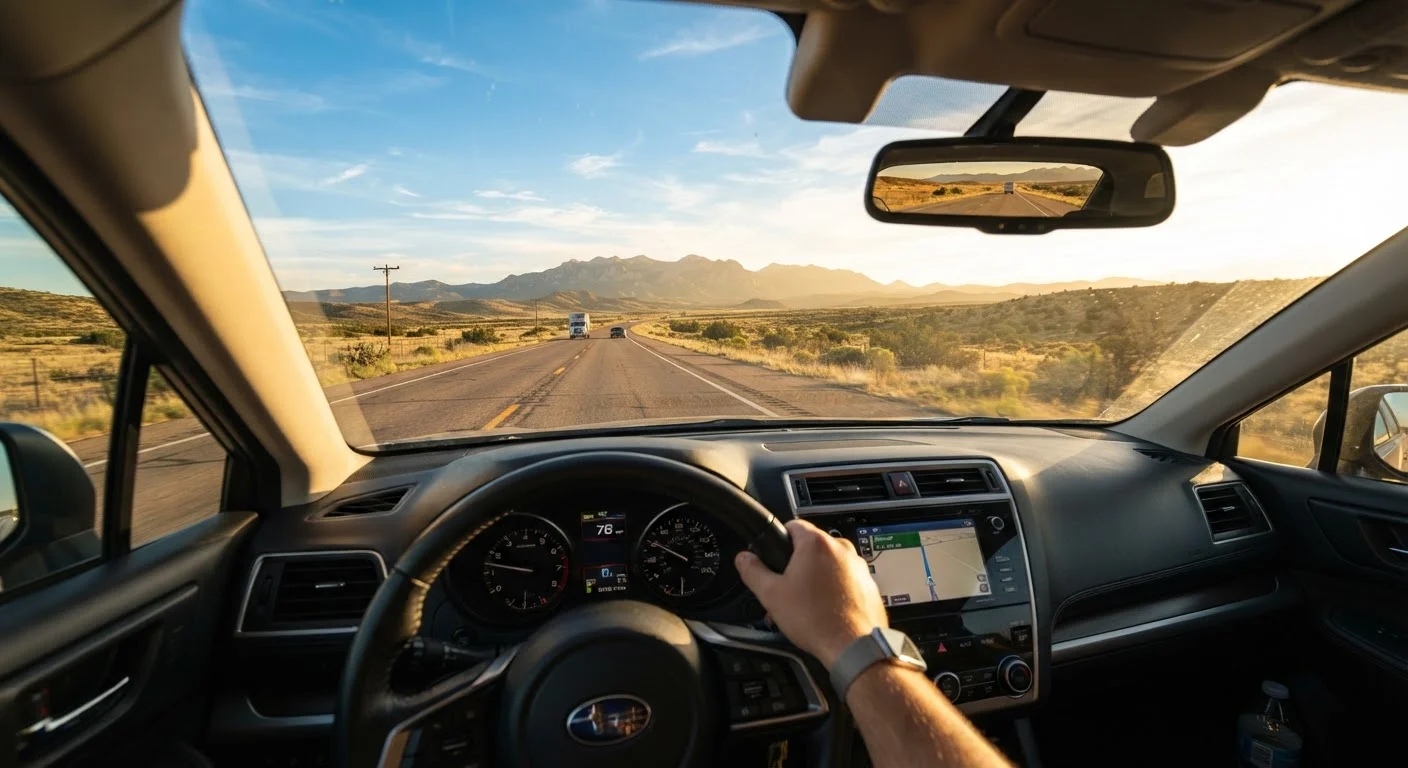
Why Long-Distance Road Tripping Is Worth It
A day trip gives you a taste. A long-distance road trip gives you the whole meal. When you commit to covering real ground - crossing state lines, waking up somewhere genuinely different, navigating roads you've never seen - something shifts in how you experience travel. The journey stops being transit and becomes the destination itself.
For frequent travelers already comfortable with popular spots, the road offers something airports rarely can: texture. Small-town diners, unexpected scenic pullouts, regional quirks that never make it onto a highlight reel. If you've ever felt that mainstream tourism leaves something on the table, the open road is where you'll find it. See our Road Trip Lifestyle hub for the culture and mindset that defines this style of travel.
Anchor destination
A key stop on your route that you plan around - a city, park, or landmark that gives structure to your itinerary while leaving room for spontaneous detours between stops.
MPG (miles per gallon)
A measure of how far your vehicle travels on one gallon of fuel. Your vehicle's highway MPG rating is used to estimate total fuel costs for a road trip.
Contingency buffer
An extra percentage of your total budget - typically 10-15% - set aside to cover unexpected costs like repairs, detours, or price increases along the route.
Offline map
A navigation map downloaded to your phone or device before departure so it works without a cellular data signal - essential for rural or remote stretches of road.
Dispersed camping
Camping on designated public land (such as US Forest Service or Bureau of Land Management areas) outside of a developed campground, often available at little or no cost with appropriate permits.
Roadside assistance
A service - often provided through insurance, automobile clubs, or vehicle manufacturers - that sends help to your location if your car breaks down, needs a tow, or requires a jump start.
Choosing Your First Route
The single biggest mistake first-timers make is overreaching on mileage. Ambition is great; exhaustion on day two is not. A strong debut route sits in the 300-600 mile range, connects two or three anchor destinations, and runs through areas with reliable fuel stops and lodging options every 50-80 miles.
Consider well-mapped corridors: a segment of the Blue Ridge Parkway offers manageable distances with extraordinary scenery; a Pacific Coast Highway leg between two California cities rewards with ocean views and accessible infrastructure. Our Iconic Road Routes hub breaks down America's most celebrated driving corridors with regional character you won't find in a generic travel search.
Build flexibility into your itinerary. Locking every hour to a schedule removes the serendipity that makes road travel memorable. Plan anchor stops, leave breathing room between them, and let the road fill the gaps.
Use the 'Two-Third Rule' for Daily Mileage
Many experienced road trippers cap daily driving at two-thirds of their maximum comfortable distance. If you can theoretically drive 500 miles in a day, plan for 300-350 instead. The extra hours create space for unexpected stops, meals, and the kind of detours that often become trip highlights.
Budgeting Before You Leave the Driveway
Road trips can be economical, but only if you plan honestly. The four main budget categories are fuel, lodging, food, and miscellaneous (entry fees, parking, tolls). Estimate fuel costs by dividing your total route mileage by your vehicle's highway MPG rating, then multiply by an average price per gallon - gas prices fluctuate regionally, so build in a buffer.
Lodging is often the largest variable. Camping and dispersed stays on public land are among the most affordable options; budget motels and roadside inns fall in the mid-range; boutique stays in scenic towns cost more but can anchor a memorable night. Whatever your preference, add 10-15% on top of your projected total as a contingency - because something always costs a little more than the estimate.
For a fuller planning framework covering every budget line, our Road Trip Planning From Start to Finish guide walks through each category in detail.
Fuel Prices Vary Significantly by Region
Gas prices can differ by 30-50 cents per gallon or more between regions - and even between neighboring states. Urban areas, remote highways, and high-cost states like California and Hawaii historically trend above the national average. Checking regional price patterns before your trip helps you build a more accurate fuel budget.
Packing Smart for the Long Haul
Overpacking is the classic first-timer trap - you want to be ready for everything, so you bring everything, and then spend three days climbing over a duffel bag to reach your phone charger. A smarter approach: pack one versatile bag per person, plus a dedicated car kit that lives in the trunk.
Your car kit should include a first aid kit, jumper cables or a portable jump starter, a reflective triangle or road flares, a basic tool kit, drinking water, and non-perishable snacks. In the cabin, prioritize navigation tools (a downloaded offline map is invaluable in dead zones), a phone mount, sunglasses, and a reusable water bottle per seat.
Read what nobody tells you before a first road trip for the practical realities that seasoned travelers wish someone had shared before their debut journey.
Safety, Driving Habits, and Vehicle Readiness
Long-distance driving introduces fatigue in a way that short commutes never do. Most road safety guidance recommends breaking every two hours or approximately every 100 miles, using the stop to walk, hydrate, and reset your focus. Avoid driving during your body's natural low-energy windows - typically mid-afternoon and late night - if you can schedule around them.
Before departure, your vehicle needs a thorough check: tire pressure and tread, all fluid levels, brakes, lights, and windshield wipers. Carry your registration, insurance, and driver's license at all times, and know your roadside assistance contact before you need it. Our dedicated pre-departure vehicle checklist covers every item worth verifying before you roll out of the driveway.
Don't Underestimate Driving Fatigue
Fatigue impairs reaction time and judgment in ways that can be as dangerous as other driving risks. Feeling tired is not a signal to push through - it's a signal to stop. Plan your overnight stops before you need them, and never commit to a driving schedule that requires you to power through exhaustion to stay on track.
Your Next Steps Toward the Road
You now have the skeleton of a first long-distance road trip: a sensible route length, a realistic budget framework, a packing philosophy, and a safety-first driving mindset. The next move is yours - pick a destination that genuinely excites you, map a route that gets you there with room to explore, and start working through your pre-departure checklist.
If you want a fully structured approach to every planning phase, Road Trip Planning From Start to Finish is the logical next read. And if you're still weighing whether a domestic road trip fits your travel goals better than an international trip, our first-timer's guide to international travel offers a useful contrast. The road is out there. Start planning and go meet it.
Road Trip Planning From Start to Finish
A comprehensive end-to-end planning resource covering route design, accommodation, vehicle prep, and budgeting - the natural next read after this introduction.
Pre-Departure Vehicle Checklist
A practical checklist covering fluids, tires, lights, documents, and emergency kit items to work through before leaving the driveway on any long road trip.
Iconic Road Routes Hub
Explore America's most legendary and scenic driving corridors - useful for choosing a first route with strong infrastructure and memorable scenery.