
The Invisible Architecture of the Road
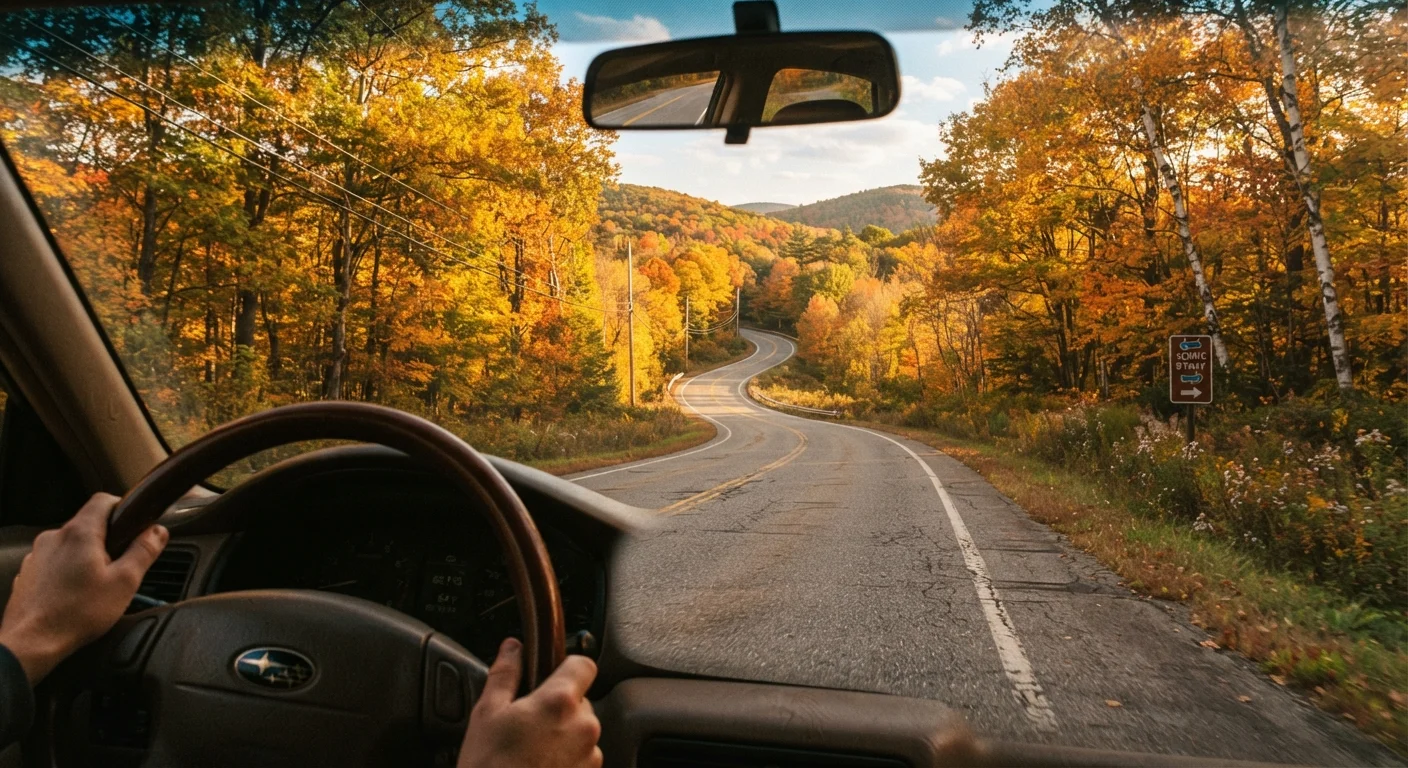
Nobody hands you a handbook when you pull out of the driveway. And yet, if you've driven enough long miles, you already know the rules - not the legal kind, but the lived kind. The moment you stop for coffee exactly one hour in, not because you need it but because that's just how a road trip begins. The pause at a state line sign, the ritual scan for a local diner over a chain, the unspoken agreement that whoever isn't driving controls the music. These are the rituals of the road, and they're as real and defining as any landmark on the map.
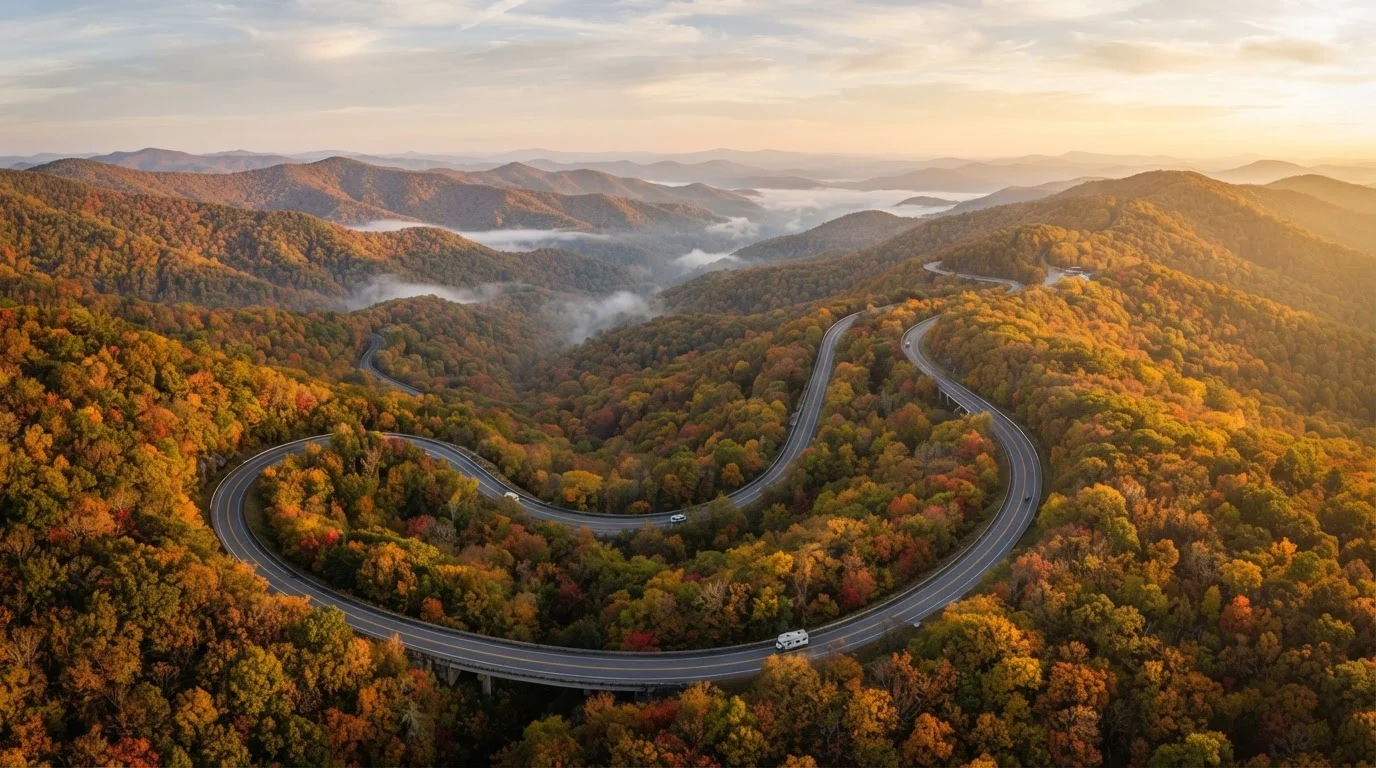
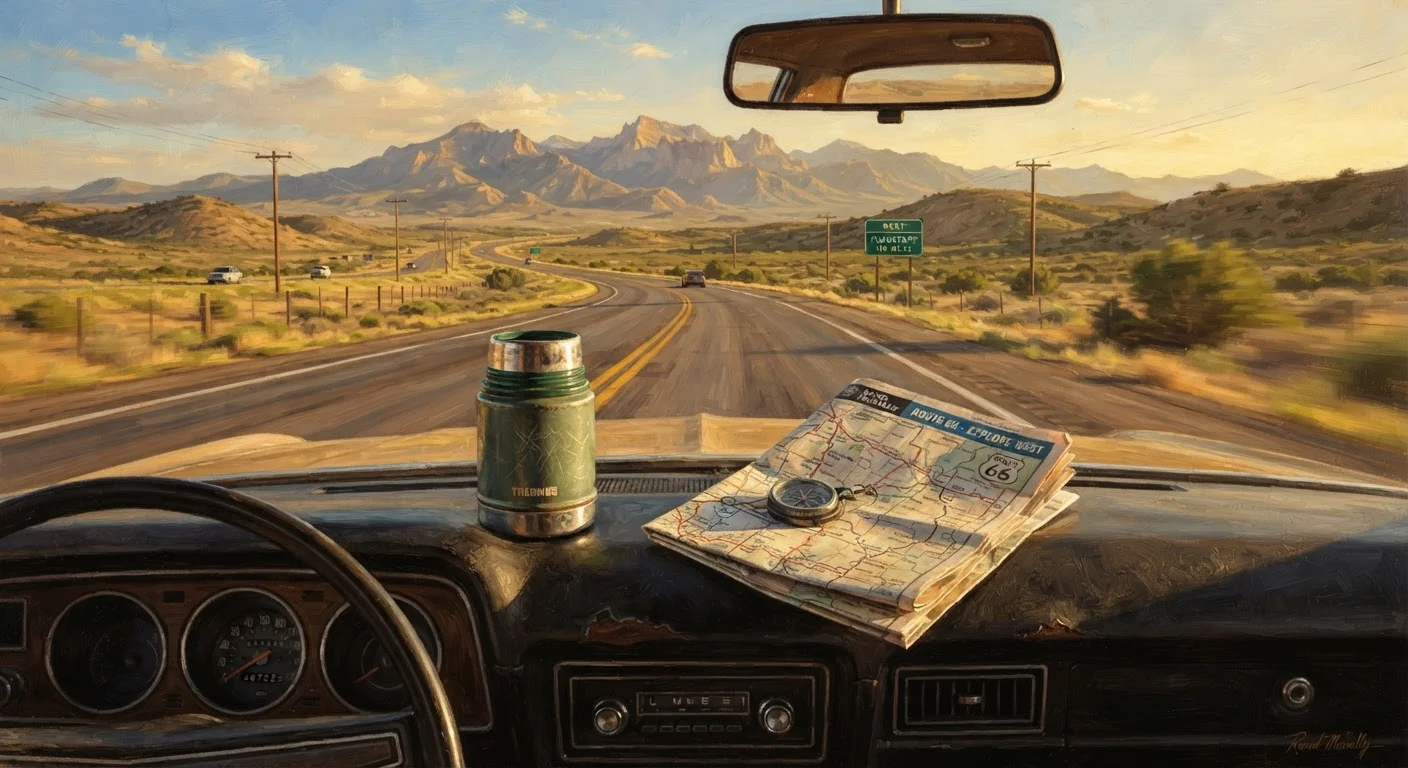
Road trip culture in America is stitched together from thousands of these small, repeated acts. They aren't random - they carry history, community, and meaning. From the mythic grooves of Route 66 to forgotten two-laners winding through Appalachian hollows, the rituals that travelers perform are the connective tissue of a genuinely distinct way of moving through the world. Here are the ones that define it most.
The First Fill-Up Ceremony
Almost universally, experienced road trippers top off the tank before the first real stretch of highway - even if the gauge reads full. It's partly practical: you want a known quantity before committing to an unfamiliar route. But it's also ceremonial. The act of fueling up, stretching your legs on a gas station apron, and taking a deliberate breath before re-entering the car marks the psychological shift from everyday life to road life. This small pause sets the trip's tone more reliably than any playlist or packing list.
Topping off the tank is less about fuel and more about crossing a mental threshold.
The Local Diner Rule
Veteran travelers treat the avoidance of chain restaurants along the route as something close to a code of honor. The local diner - ideally one with hand-lettered specials on a whiteboard and pie rotating in a glass case - is both a meal and a reconnaissance mission. Servers and regulars carry current intelligence: road conditions, hidden overlooks, which stretch of highway is worth adding an hour for. As our guide to roadside stops worth slowing down for makes clear, these places reward the traveler who doesn't treat the road as a commute.
A local diner isn't just breakfast - it's the road's best intelligence briefing.
Soundtrack Sovereignty
The passenger controls the music. This is nearly universal and rarely discussed - it simply is. Playlists assembled before departure carry ritual weight: the opener is chosen carefully, often something that signals forward motion and openness. Many travelers report building route-specific playlists that they return to on later trips, each song triggering sense memory of a specific stretch of road. The soundtrack ritual is also one of the clearest signals about a trip's social dynamic - who curates, who compromises, and who silently concedes tells you everything about how a group travels together.
The playlist isn't background noise - it's the emotional score of the journey.
The State Line Stop
Something happens at a state line that goes beyond the administrative. Travelers slow instinctively, reach for a phone camera, and feel a mild but genuine sense of arrival. The "Welcome to" sign - even when weathered or underwhelming - functions as a checkpoint in the emotional geography of a road trip. This ritual connects modern travelers to a long tradition: the act of naming and marking passage. It also quietly enforces the unwritten highway etiquette of slowing down when the moment calls for it, rather than blowing through it chasing miles.
The state line photo isn't vanity - it's a traveler marking their passage through geography.
The Sunset Pullout
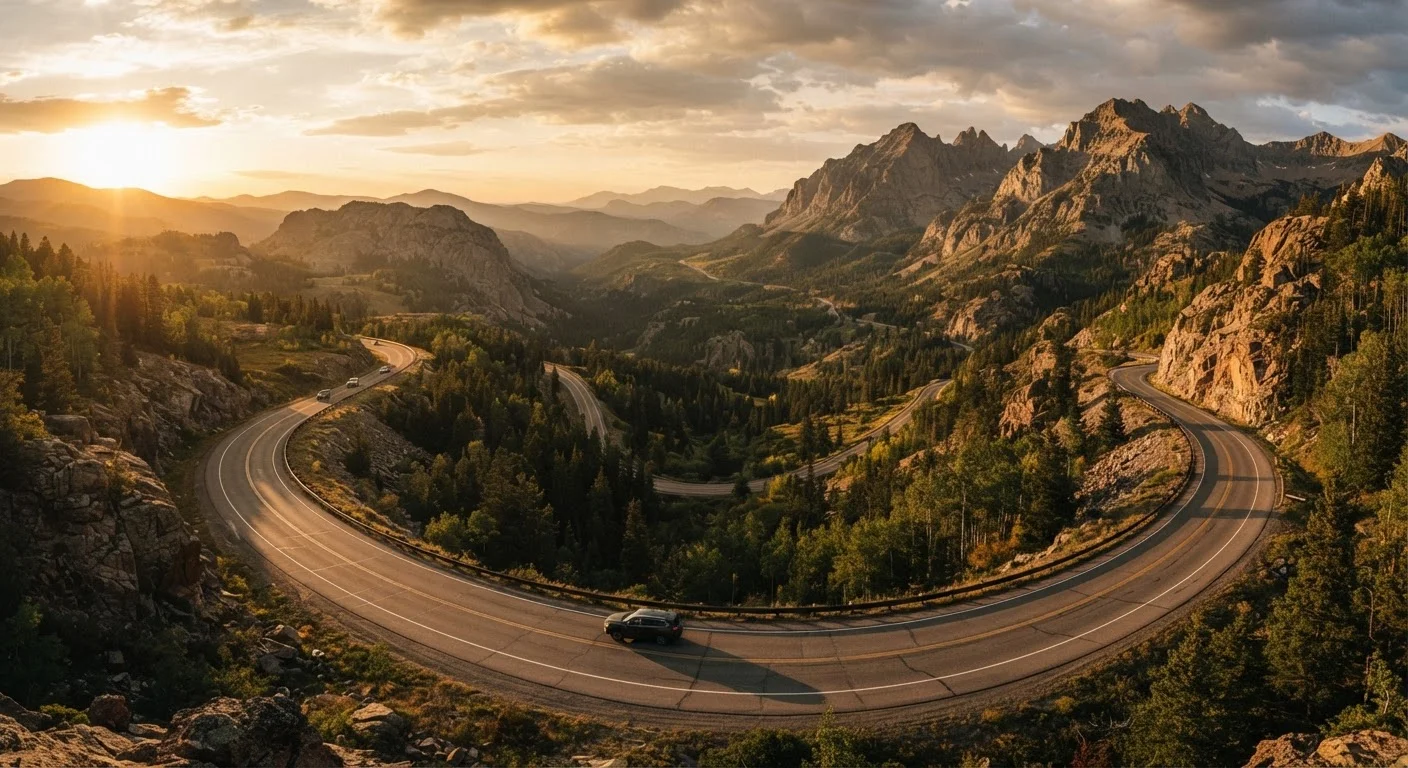
There's an informal agreement on the road that a truly extraordinary sunset justifies an unscheduled stop - no debate, no checking the itinerary. Travelers who've logged serious miles describe this almost as a reflex: see the sky do something extraordinary, pull over. It's one of the purest expressions of the road trip philosophy that separates long-haul travelers from vacationers: the destination is real, but it doesn't outrank the journey happening right now.
Pulling over for a sunset isn't a delay - it's the whole point arriving early.
The Mileage Milestone Moment
Whether it's 500 miles completed, an odometer reading a satisfying round number, or crossing the halfway mark, experienced road trippers mark mileage milestones with something - a snack break, a brief stop, at minimum a verbal acknowledgment. These small celebrations give long drives a sense of rhythm and progress that keeps morale high across multi-day routes. They also reflect a broader road trip value: honoring process rather than fixating purely on the endpoint. Good road trip planning builds these natural pauses in rather than treating every stop as a schedule deviation.
Celebrating a mileage milestone turns a marathon drive into a series of victories.
Why These Rituals Matter More Than the Miles
Individually, each of these habits might look trivial - a photo here, a diner stop there. But together they form what experienced road travelers recognize as the architecture of a genuine trip versus a mere drive. They slow you down in the right moments, sharpen your attention to the landscape, and bind travelers - even strangers - into a loose but real community. If you want to understand that community more deeply, explore how road trippers find their tribe beyond the solo journey.
Build Your Own Rituals Deliberately
The most meaningful road trip traditions are often the ones a traveler or group invents themselves - a specific snack that only appears on road trips, a game played at rest stops, a postcard sent from every new state. Starting a new ritual is as simple as repeating something twice with intention. Over multiple trips, these personal traditions accumulate into a genuine travel identity.
The rituals also remind us that the road isn't a means to an end - it's the experience itself. As our exploration of the culture of detours argues, the unplanned stop isn't an interruption; it often becomes the story you tell for years. Build the ritual of flexibility into every trip, and the road will consistently exceed whatever itinerary you started with.