

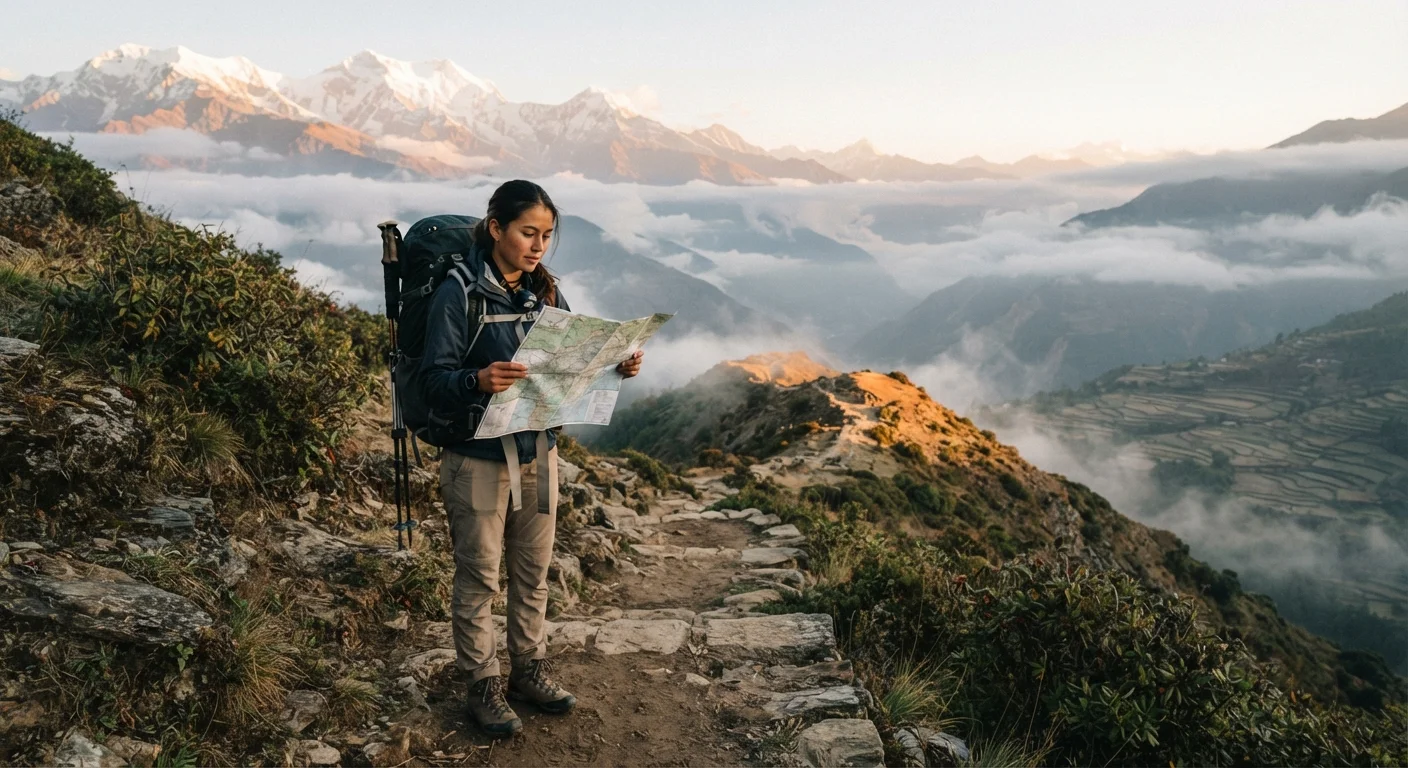
Why Remote Asia Demands a Different Kind of Preparation
The traveler who has navigated Tokyo's metro or haggled through Chiang Mai's night markets is genuinely experienced-but remote Asia operates by an entirely different rulebook. In the highlands of Arunachal Pradesh, the Wakhan Corridor of Tajikistan's Afghan border, the interior islands of eastern Indonesia, or the restricted valleys of Bhutan's hinterlands, the comfortable assumption that something will work out rarely holds. Infrastructure thins, connectivity vanishes, and the distance between a plan and a problem can be measured in days rather than minutes.
This checklist was built for travelers moving beyond Asia's well-trodden circuits-people who know what they want but need a structured audit before they go. If you're curious how preparation for remote Asia compares to off-the-beaten-path travel in other parts of the world, our Secret European Destination preparation checklist covers similar terrain from a European angle. For those planning to combine remote travel with overland driving, the Road Trip Planning hub offers relevant logistics guidance too.
Work through the categories below well before your departure date - ideally beginning the permit and health steps eight to twelve weeks out.
Offline Navigation App
Store fully detailed offline maps for your entire route so navigation continues without cellular data.
Satellite Communicator Device
Send and receive messages and GPS coordinates in areas with no cellular coverage.
Water Purification System
Treat water from natural sources, guesthouses, or local supplies where bottled water is unavailable.
Comprehensive First-Aid Kit
Address injuries, blisters, infections, and minor illnesses when medical facilities are hours away.
Power Bank (High Capacity)
Keep devices charged across multi-day stretches where electrical outlets are scarce or unreliable.
Universal Plug Adapter
Ensure compatibility with varied outlet standards across different Asian countries and guesthouses.
Physical Map or Atlas (Regional)
Provide a non-battery-dependent navigation backup when devices fail or lose charge.
The Complete Pre-Departure Checklist
These items are grouped by theme but should be treated as a single, integrated preparation system. A gap in any one category - missing a restricted-area permit, failing to download offline maps, neglecting an emergency communication protocol - can cascade into a much larger disruption once you're in the field.
Permits & Documentation
Health Preparation
Communication & Connectivity
Emergency Logistics
Accommodation & Resupply
Cultural & Environmental Readiness
Permit Violations Can End Your Trip Immediately
In several remote regions of Asia - including parts of northeastern India, Tibet, and restricted border zones - traveling without the correct permits is not a minor infraction. It can result in immediate detention, deportation, and a ban on future entry. Always verify permit requirements through official government and embassy sources, not travel forums, as rules change and forum information is frequently outdated. When in doubt, engage a licensed local operator who can confirm current requirements on the ground.
For in-depth guidance on offline navigation, emergency gear, and communication options in low-signal environments, see our companion piece on staying connected and safe in remote stretches. If your journey includes an unusual or off-grid property - a stilted longhouse, a high-altitude guesthouse, or an island eco-lodge - the pre-arrival checklist for remote and unusual properties is worth running through separately.
Final Review Before You Leave
Two days before departure, treat this as a final audit rather than a first read. Permits should already be in hand (physical copies, not just digital), emergency contacts should have received your full itinerary, and your offline maps should be tested on a device with airplane mode enabled. If you are traveling into a destination with a particularly complex entry or permit landscape - such as restricted zones in northeastern India, Tibet, or parts of Myanmar - consider whether conditions on the ground may have shifted since your research was completed. Always verify current entry requirements and any travel advisories through your home country's official foreign affairs or state department resources immediately before departure.
For a broader pre-departure logistics audit applicable to any complex trip, the pre-departure itinerary checklist is a useful parallel reference. Travelers heading into other demanding remote environments may also find value in how similar challenges are framed in our guide to preparing to travel the Amazon Basin. And if your remote Asia plans extend into Central Asia - specifically Mongolia's Gobi fringe - the dedicated primer on planning a first trip into rural Mongolia's Gobi fringes covers what infrastructure actually exists beyond the tourist trail.
This article provides general travel preparation information only. Entry requirements, permit rules, health recommendations, and safety conditions can change. Always verify current requirements with official government sources, your country's foreign affairs department, and qualified health professionals before traveling.