
Why Amazon Preparation Is Its Own Category
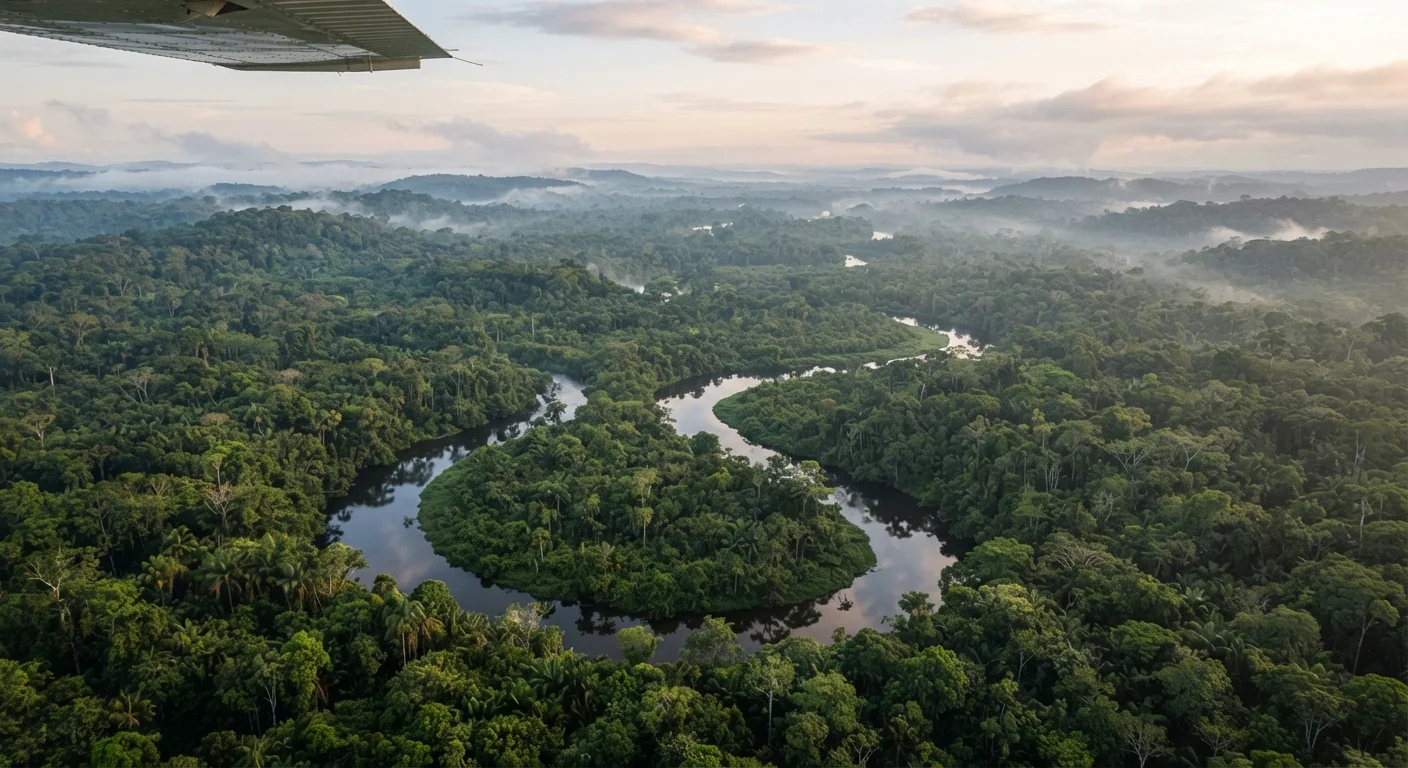
The Amazon Basin is not merely a remote destination - it is an ecosystem of continental scale, straddling nine countries and containing roughly 10% of all species on Earth. For the frequent traveler who has already navigated the temples of Angkor or the souks of Fez, the Amazon presents a genuinely different category of planning challenge. The risks are biological, logistical, and ethical in equal measure, and underestimating any one of them can compromise the entire journey.
This checklist is designed as a structured starting point. It does not replace advice from travel medicine clinics, official government travel advisories, or the guidance of experienced regional operators - all of which are essential for a trip of this complexity. Think of it as the scaffolding you build before the specialists fill in the details specific to your chosen entry point, whether that's Iquitos in Peru, Leticia in Colombia, Manaus in Brazil, or a lesser-visited Ecuadorian portal into the Yasuni corridor.
For travelers approaching a similar level of logistical complexity in a different region, our pre-departure checklist for remote Asia travel covers comparable terrain: permits, health prep, and communication planning in environments where infrastructure offers little margin for error.
Health Preparation
Permits, Documentation, and Entry
Logistics and Communication
Environmental and Cultural Responsibility
Tools and Resources You'll Need
Before working through the checklist, gather or identify the following. Several items - particularly permits and vaccinations - have lead times measured in weeks, so this is not a list you want to encounter the night before departure.
Travel medicine clinic
Provides destination-specific vaccination recommendations, malaria prophylaxis prescriptions, and up-to-date health advisories for your exact itinerary.
Satellite communicator or PLB
Enables emergency communication and location sharing in areas without cellular coverage, which describes most of the remote Amazon.
Offline mapping app with downloaded regional data
Provides navigational support when internet connectivity is unavailable, which is standard across much of the basin.
Waterproof document sleeve
Protects permits, vaccination certificates, insurance documents, and emergency contacts in a humid, high-rainfall environment.
Water purification device
Makes river and stream water safe to drink in the absence of treated water supplies.
Permethrin-treated clothing and high-DEET repellent
Reduces exposure to mosquitoes and other insect vectors that transmit diseases including malaria, dengue, and leishmaniasis.
Locally based regional guide
Provides on-the-ground expertise, language support, community connections, and significantly improves safety in unfamiliar terrain.
Country-specific travel insurance with emergency evacuation cover
Medical evacuation from remote Amazonian locations can be extremely costly; standard travel policies may not cover this.
Standard Travel Insurance May Not Be Enough
Medical evacuation from deep within the Amazon Basin - particularly by light aircraft or helicopter - can cost tens of thousands of dollars and is frequently excluded from standard travel policies. Before departure, confirm that your policy explicitly covers emergency evacuation from remote wilderness areas in the specific countries on your itinerary. Read policy exclusions carefully and consult the insurer directly if you are unsure.
Environmental Ethics and Cultural Responsibility
The Amazon is home to dozens of indigenous communities, many with legally protected territories and formal protocols around outside visitors. Entering these areas without proper authorization is both illegal under the laws of most Amazonian nations and genuinely harmful to communities that have exercised the right to limited contact. Research the specific territory you intend to visit well in advance, and if cultural immersion is part of your goals, our guide on preparing for a culturally immersive journey addresses the ethical groundwork that should precede any community-based experience.
Environmental responsibility in the Amazon operates on a different scale than standard backcountry ethics. Introducing non-native pathogens to isolated ecosystems, disturbing nesting wildlife, or collecting biological specimens without permits can have consequences that ripple far beyond the immediate area. For a grounding in the principles that apply here, Leave No Trace in practice is a useful companion read - though Amazon-specific guidelines from the relevant national park authority should take precedence.
Indigenous Territory Access Requires Formal Authorization
Entering indigenous territories in Brazil, Peru, Colombia, and other Amazonian nations without prior authorization from the relevant national indigenous affairs authority is illegal and can result in serious legal consequences. Beyond legality, uninvited entry can expose isolated communities to outside pathogens to which they may have limited immunity. Always verify the legal status of any territory you plan to visit and obtain written authorization through official channels before your trip.
Finally, the Amazon's hazards - flooded river crossings, venomous fauna, and the compounding effects of heat and humidity on the human body - sit squarely within the territory covered in our piece on understanding risk in the backcountry. Reading that alongside this checklist will help you move from preparation into genuine risk literacy.
This article provides general travel planning information only and is not a substitute for professional medical advice, official government travel advisories, or legal guidance regarding permits and indigenous land access. Always consult qualified professionals and verify current entry requirements with the relevant authorities before traveling.