
Why Short Trips Require More Discipline, Not Less
The instinct with a short trip is to pack in as much as possible - a hedge against the feeling of having missed something. That instinct reliably produces the worst kind of trip: frantic, surface-level, and tiring. A 3-6 day window is tight enough that one poor planning decision (an over-scheduled day, a bad hotel location, an underestimated transit leg) cascades into the rest of the trip.
The counterintuitive move is to plan less and choose more deliberately. Fewer, better-chosen experiences on a short trip land harder than a checklist of sights you've half-seen under time pressure. This guide walks through a structured approach to building short itineraries that hold up in the field.
What you will need
If you're planning a short road trip specifically, road trip planning principles apply with equal force - especially the guidance on realistic daily driving distances.
How to Build Your Short Itinerary Step by Step
Define your trip's one or two anchor experiences
Start by identifying what you most want to get out of this trip - not a wish list, but a short-list. For a 3-6 day trip, aim for one or two experiences that are truly non-negotiable: a specific region, a cultural site, a landscape, a food scene. Everything else in the itinerary builds around making those anchors possible. This constraint is a feature, not a limitation - it gives every day a clear purpose.
Map your realistic usable days
Count your total trip days, then subtract your arrival half-day and your departure half-day. A five-night trip typically yields three fully usable days - not five. Work from this honest number. If you have three usable days, plan three day-shapes, not six. For context on how itinerary structure scales with trip length, see our guide on the anatomy of a well-built travel itinerary.
Cluster activities geographically by day
Plot every item on your wish list on a map before assigning it to a day. Group activities that are physically close together into the same day. On short trips, transit time between neighborhoods or towns is the largest hidden cost on your schedule. Geographic sequencing is one of the core habits that separates efficient itineraries from exhausting ones - something experienced travelers build into their planning from the start.
Assign a maximum of three ticketed or timed activities per day
Three structured activities - museums, tours, reservations - is a realistic ceiling for a full day when you factor in transit, meals, and spontaneous detours. More than three and you're not traveling; you're executing a task list. For each structured activity, note its realistic duration including the time to get there, queue if applicable, and decompress afterward. Unscheduled walking, eating, and browsing should occupy at least a third of each day.
Write a day-by-day plan with time blocks, not to-do lists
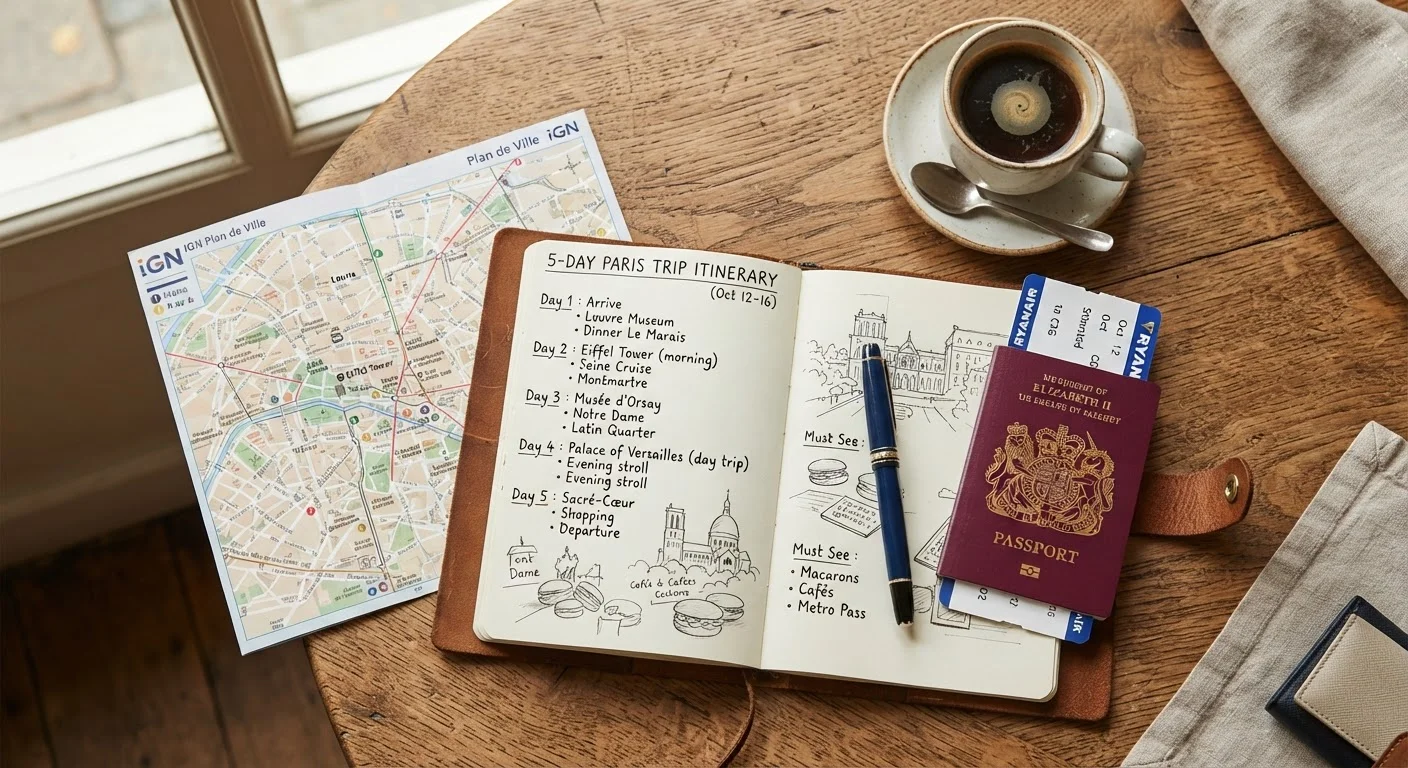
Convert your clustered activities into a rough time-block schedule: morning, midday, afternoon, evening. Don't assign specific start times to everything - that creates fragility. Instead, anchor one timed commitment per block (a restaurant reservation, a timed museum entry) and let the rest of the block breathe. This structure is flexible enough to absorb delays without collapsing. If you've never built a day-by-day plan before, this walkthrough on structuring your first itinerary covers the mechanics in detail.
Audit the itinerary for over-scheduling before you travel
Once your plan is drafted, read it as a skeptic. Look for days with more than three timed commitments, transit legs longer than 90 minutes, or zero meals planned. These are the seams where itineraries fall apart. Common collapse patterns - over-scheduling, poor sequencing, ignoring transit time - are covered in depth in why your itinerary keeps falling apart by day three. Cut one thing from any day that looks cramped. Trim, don't add.
Use Geography, Not Enthusiasm, to Sequence Your Days
Before finalizing your day-by-day plan, plot every item on a map. Group activities that sit within the same neighborhood or corridor into the same day. You'll cover more ground with less transit fatigue - and avoid the classic mistake of criss-crossing a city multiple times in one afternoon.
Arrival and Departure Days Are Not Full Days
Most travelers over-estimate what arrival day can deliver. Factor in flight delays, baggage claim, ground transport, and check-in before planning any real activity for the first afternoon. Similarly, treat your departure day as a half-day at most - missing a flight to squeeze in one more museum visit is a costly lesson.
Don't Skip the Buffer Time
Every activity in a short itinerary takes longer than expected - queues, transit delays, and decision fatigue compound quickly. Scheduling back-to-back activities with zero margin is the fastest way to spend your trip feeling stressed rather than present. Build at least 30-60 minutes of unscheduled time into each full day as a buffer, not a luxury.
Once you've completed these steps, your itinerary should have a clear shape: anchor experiences that anchor every day, geographically clustered activity blocks, and enough white space that delays don't derail the entire plan. If your trip involves a single hotel for the full stay - a strong strategy for trips under a week - be aware that extended-stay considerations don't apply here; those dynamics shift considerably after the one-week mark.
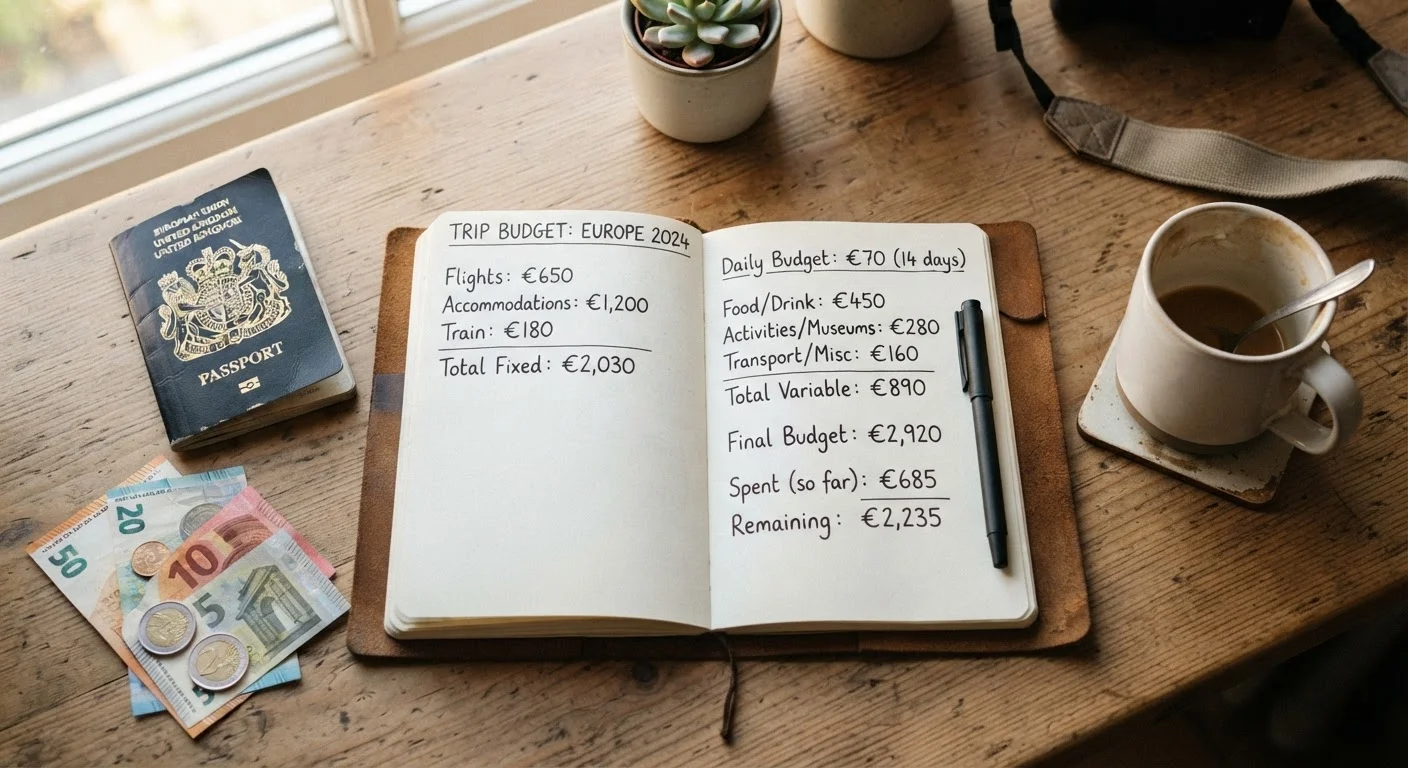
Budget is a parallel concern throughout this process. Timed commitments and pre-booked experiences affect your spending pattern - working through your trip budget alongside the itinerary rather than after it prevents late-stage cuts that force itinerary rewrites.