

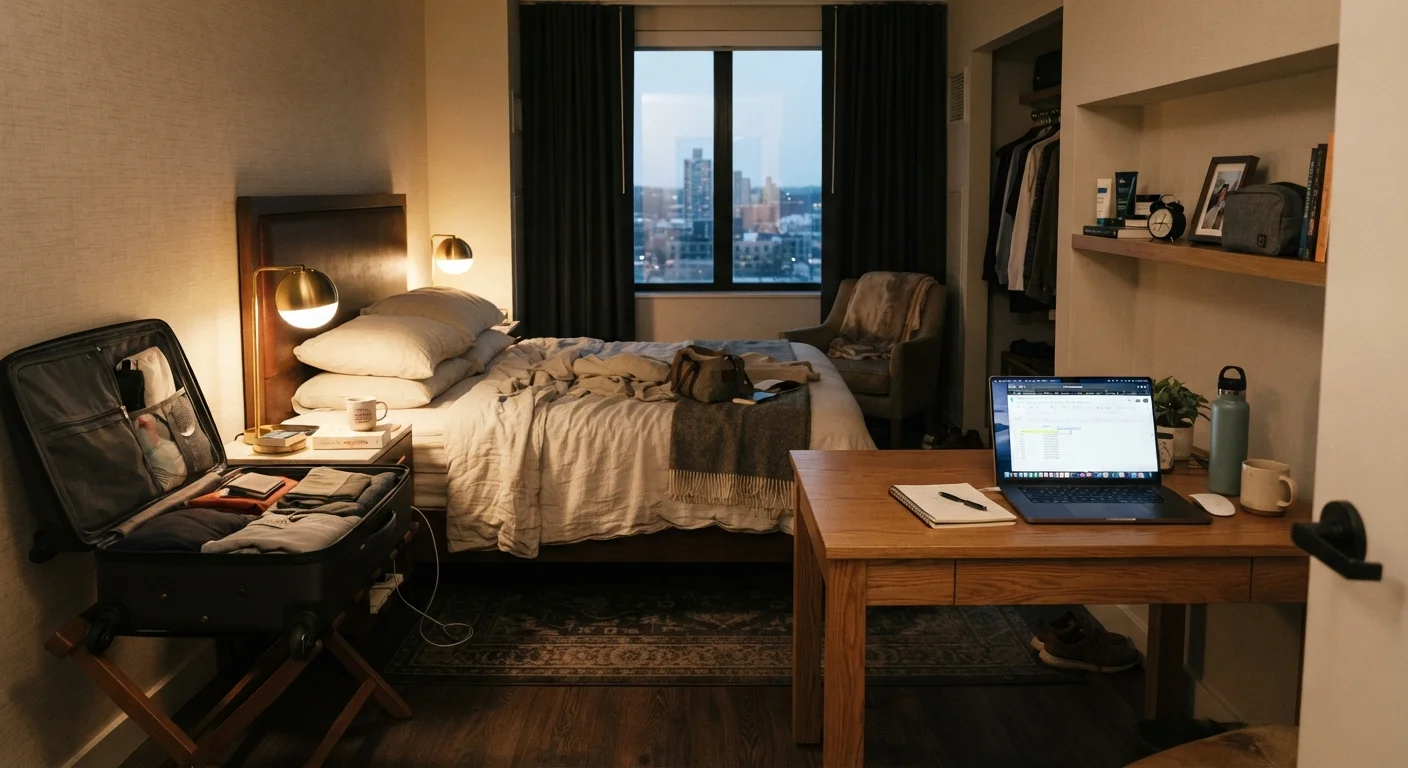
How Pricing Shifts for Extended Stays
The nightly rate on a hotel's booking page rarely reflects what a long-term guest actually pays. Most properties - from independent boutique hotels to full-service business hotels - offer weekly and monthly rate structures that can reduce the per-night cost considerably. These aren't always advertised openly; they're often negotiated directly with the front desk or reservations team before arrival.
That said, the savings calculation is more nuanced than it first appears. Extended stays may push guests into different tax brackets in certain U.S. states, where stays beyond 30 consecutive nights can shift the applicable occupancy tax rate. Guests should verify local rules and ask properties directly about any rate changes that occur at day 30 or beyond. For context on how rates and services interact at the premium end of the market, see what luxury hotels typically structure around arrival and departure.
30 nights
Common threshold for occupancy tax changes
In many U.S. states, a hotel stay exceeding 30 consecutive nights may alter the applicable tax rate or legal classification of the guest's residency status.
~30%
Typical extended-stay rate discount range
Industry data generally suggests extended-stay properties offer per-night rates 20-40% below equivalent short-stay rates, though this varies significantly by market and property class.
Service Rhythms Change - Often for the Better
Short-stay guests experience hotel service at its most formal and transactional. Extended guests often find that service becomes more personalized over time. Staff recognize returning faces, remember preferences, and can anticipate needs - morning coffee orders, preferred newspaper, or a standing request for extra towels.
Housekeeping, however, typically scales back. Many hotels shift from daily room cleaning to every two or three days after the first week, both to reduce disruption for the guest and to manage operational costs. This is worth confirming before arrival if daily service matters to you. Some properties offer opt-in or opt-out models that give long-term guests more control.
Negotiated rates reduce the per-night cost
Properties regularly offer weekly or monthly pricing that can be 20-40% lower than published nightly rates, though this varies widely by property type and location.
Service becomes more personalized over time
Staff familiarity builds naturally during longer stays, often resulting in proactive service - remembered preferences, quicker response times, and greater flexibility.
All maintenance and utilities are handled for you
Unlike renting an apartment, extended hotel guests have no maintenance responsibilities - plumbing, heating, and housekeeping are managed by the property.
Central location with amenities on-site
Gyms, restaurants, concierge access, and business centers are immediately available, which can save time and money compared to sourcing these separately.
Flexible departure without lease commitments
Extended hotel stays don't carry the legal obligations of a rental agreement, making them well-suited to travelers whose timelines may shift.
The Practical Realities of Living Out of a Room
What works for three nights can feel limiting by day ten. Storage is one of the first friction points - hotel rooms are designed for luggage, not wardrobes. Extended guests benefit from requesting a room with a walk-in closet or additional drawer space, and some properties offer suite configurations specifically for this market.
Kitchen access becomes a genuine consideration over weeks. While room service and nearby restaurants work short-term, most long-term guests find themselves wanting to prepare at least some meals. Properties with in-room kitchenettes, common-area microwaves, or access to a guest kitchen offer meaningfully better quality of life. Laundry facilities - whether in-room or on-site - also shift from a convenience to a necessity.
For guests who want to understand what a more structured, amenity-rich environment looks like, making the most of a resort property covers amenities that many guests never discover - including some that long-term guests could leverage meaningfully.
Costs compound significantly over weeks
Even at negotiated rates, an extended hotel stay in a mid-tier urban property can exceed the cost of a furnished short-term rental when taxes, incidentals, and meals are factored in.
Limited kitchen and storage space
Most standard hotel rooms are not designed for extended domestic use - the absence of cooking facilities and adequate storage becomes a daily friction point after the first week.
Reduced housekeeping after initial days
Properties often scale back daily cleaning for long-term guests, which suits some travelers but can feel like a decline in service quality for others.
Privacy diminishes in shared-amenity environments
Gyms, lounges, and dining areas shared with rotating short-stay guests mean long-term residents rarely experience the property as a private, quiet space.
Potential tax and legal complexity beyond 30 days
In many U.S. jurisdictions, a consecutive stay beyond 30 nights triggers changes in occupancy tax treatment or tenant classification - guests should verify local rules before committing.
What to Confirm Before You Commit
The hotel stay checklist is a useful starting point for any visit, but extended stays warrant additional pre-arrival due diligence. Key questions include: Does the property allow packages and mail? What is the Wi-Fi speed and data policy? Are guests permitted to use personal appliances like kettles or small fans? Is there a gym or workspace usable for prolonged daily use?
It's also worth asking whether the property has a formal extended-stay policy or whether your arrangement is informal. Formal policies typically offer more protections and clearer expectations for both parties.
Extended Stays vs. Apartment-Style Hotels
Some properties are specifically built for long-term guests - often branded as extended-stay or aparthotel formats - and include kitchenettes, larger closets, and on-site laundry as standard. These differ meaningfully from adapting a standard hotel room for long-term use. If you're planning a stay longer than two weeks, it's worth exploring whether an extended-stay-specific property exists in your destination. For a broader look at alternative accommodation formats, see distinctive stay formats around the world.