
The Gap Between Listing and Reality
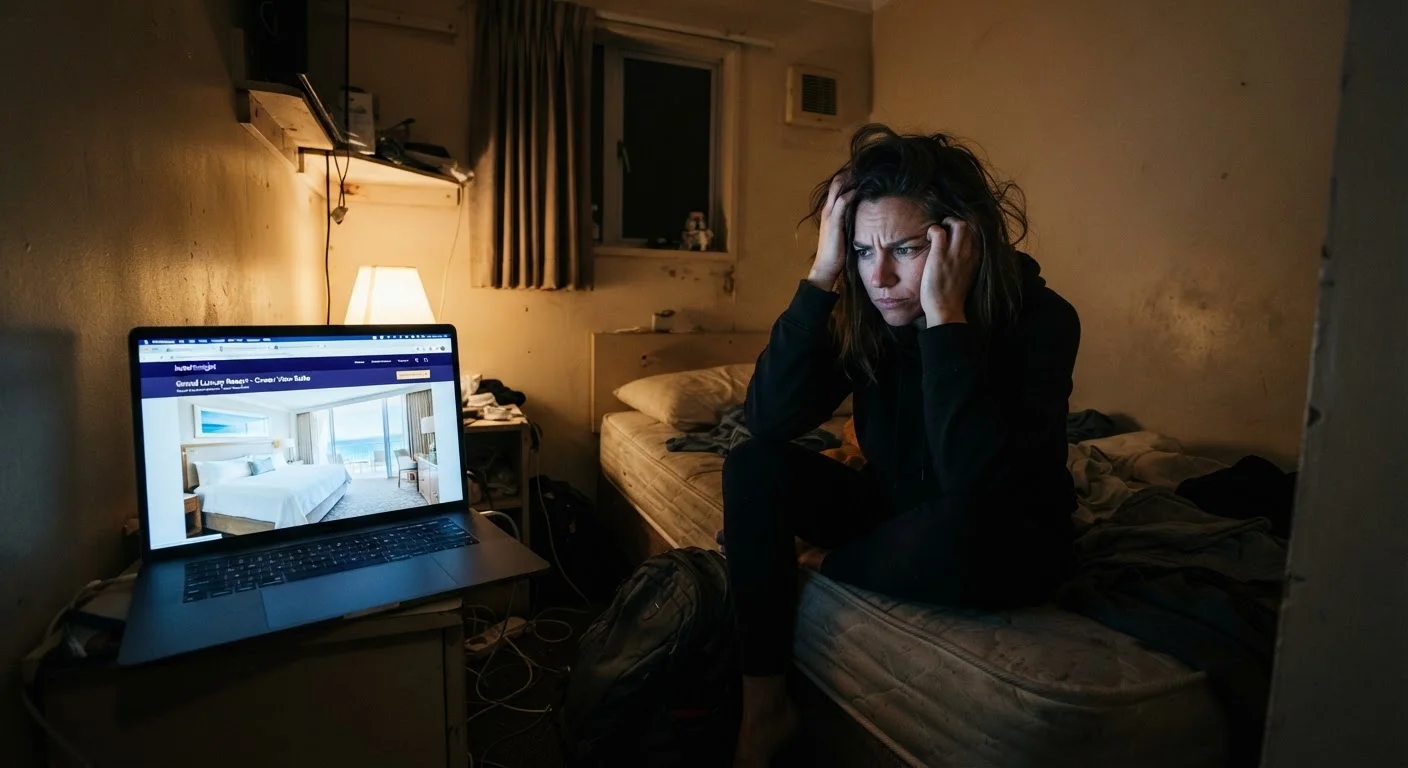
Hotel booking platforms have gotten exceptionally good at presentation. Room listings are polished, photography is professional, and amenity lists look comprehensive. What they haven't gotten better at is communicating the gap between what's advertised and what a guest will actually experience on arrival.
That gap isn't usually the result of deliberate deception — it's the cumulative effect of unstandardized terminology, platform-level aggregation of property details, and photography conventions that prioritize appearance over accuracy. Experienced travelers learn to read between the lines. If you're still trusting listings at face value, the mistakes below are likely ones you've already encountered.
For a broader look at how category labels function across the industry, the hotel room categories guide is worth reading before your next booking.
Room Category Labels Are Not Standardized
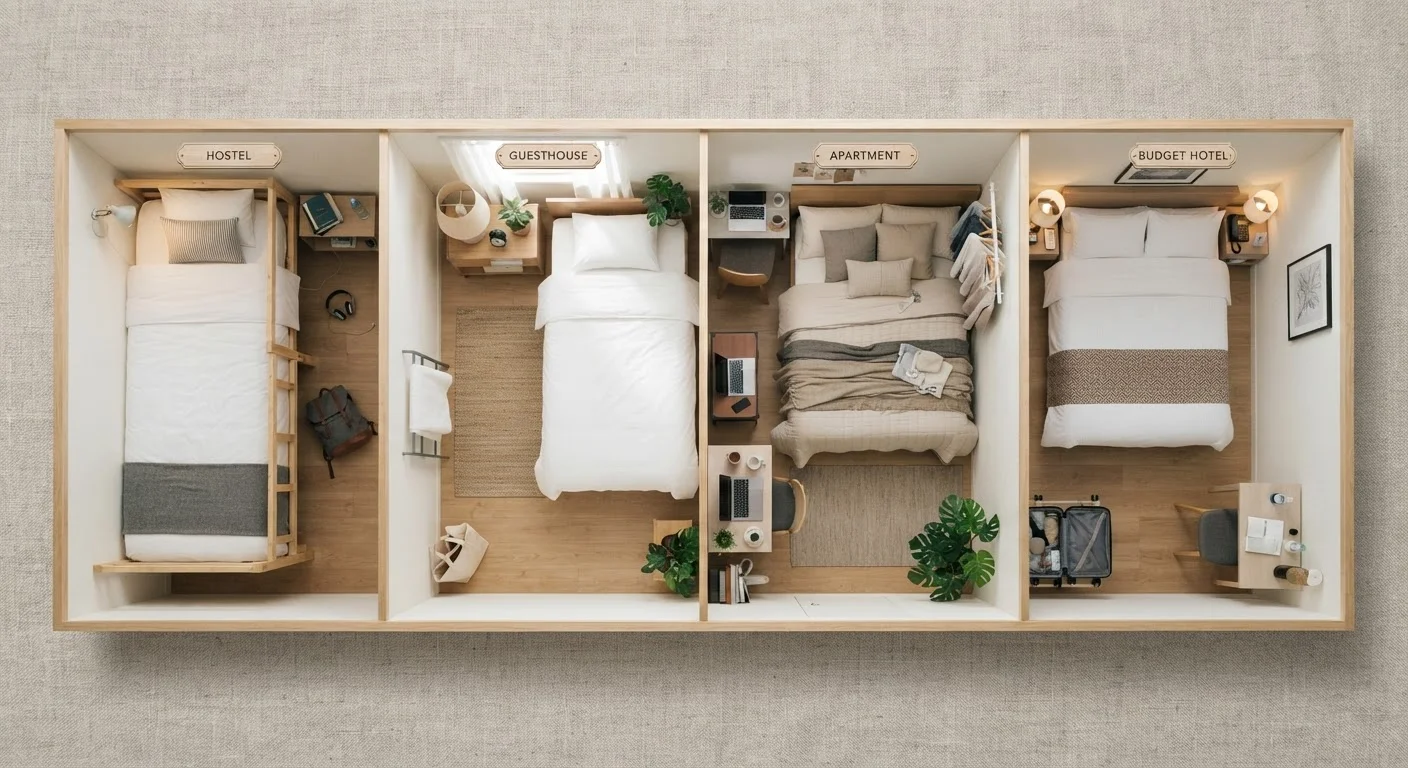
Terms like 'Deluxe,' 'Superior,' and 'Premium' carry no uniform meaning across the hotel industry. One property's 'Superior' room may be smaller and less equipped than another's 'Standard.' Before booking, read the specific square footage, bed type, and floor descriptions rather than relying on the category name alone. See what hotel room categories actually mean for a deeper breakdown.
Common Mistakes When Reading Hotel Listings
The errors below follow a consistent pattern: a traveler makes a reasonable assumption, the listing doesn't actively correct it, and the mismatch surfaces at check-in. Each one is fixable with a small change in how you approach the research phase.
Treating listing photos as an accurate representation of the room's actual size and layout.
Why it happens: Hotels routinely use wide-angle lenses and strategic furniture removal to make rooms look larger in photos. Travelers assume professional images represent a neutral, accurate view.
Assuming all listed amenities are available in the booked room category.
Why it happens: Booking platforms often display property-wide amenities — a rooftop pool, a gym, a spa — in a way that implies they're room inclusions rather than shared facilities with potential access restrictions or fees.
Booking based on a 'city view' or 'ocean view' label without understanding what that means at that specific property.
Why it happens: View descriptors are subjective and unregulated. A 'partial ocean view' might mean a sliver of water visible from a specific corner of the balcony, or a view partially obstructed by a neighboring building.
Ignoring the room's physical location within the hotel building.
Why it happens: Most travelers focus on room tier and price without considering how proximity to elevators, ice machines, service corridors, or street-facing walls affects noise and sleep quality.
Relying only on the overall star or aggregate review score without reading recent detailed reviews.
Why it happens: High aggregate scores feel like a reliable shortcut. But a property renovating one wing may have older, excellent reviews alongside recent complaints about noise, construction dust, or limited facilities.
Assuming the room assigned at booking is the specific room you'll stay in.
Why it happens: Travelers often believe confirming a reservation locks in a particular room. In practice, most hotels assign rooms only at or just before check-in based on availability across the category.
~30%
Guests reporting room didn't match listing
Industry surveys on hotel guest satisfaction consistently find a significant share of guests feel their room did not match what was depicted in listing photos or descriptions.
72%
Travelers who don't contact hotel before arrival
Research on booking behavior suggests the large majority of travelers rely solely on platform listings and do not communicate directly with properties before check-in.
Hidden charges compound the problem when expectations are already off. Parking, resort fees, and in-room dining costs frequently don't appear in listing prices — for a clear breakdown, see the hidden costs of hotel parking, Wi-Fi, and in-room dining. If you're considering a premium property specifically, it's also worth understanding why paying more doesn't always buy a better hotel stay.
Travelers drawn to less conventional accommodation face an additional layer of complexity. Boutique and unique properties often have idiosyncratic room configurations that don't map neatly onto standard booking categories — the Boutique & Unique Stays hub covers what to watch for. And if you've ever wondered about the specific missteps that derail boutique bookings, overlooked booking errors that undermine a boutique stay addresses them directly.
Building a More Accurate Picture Before You Book
A reliable pre-booking process combines three sources: the official listing (read carefully and skeptically), recent guest reviews (sorted by recency, not score), and direct contact with the property for anything that materially affects your stay. That last step is underused. A single email asking about floor availability, view specifics, or whether a listed amenity is included in your rate takes two minutes and eliminates the most common sources of disappointment.
Room upgrades are worth understanding as part of this picture too — how hotel upgrades actually work explains when and why hotels offer room improvements, so you can factor that into your arrival strategy rather than treating it as luck. And if you want a practical rundown of broader hotel assumptions that experienced travelers have long since stopped making, what seasoned travelers know that first-timers often don't is a useful companion read.
The Hotel Insider Tips hub consolidates the strategies that make the difference between a booking that looks good on screen and one that holds up when you open the room door.